New Zealand is not one cruising ground; it's two distinct operational theatres linked by a significant and often challenging ocean passage. The legacy of multiple America's Cup campaigns has hard-wired Auckland into a world-class superyacht hub, but the true value proposition lies in the country's extreme duality. The North Island offers a familiar template of sheltered gulf cruising with sophisticated shoreside support, directly comparable to a Mediterranean or New England season. The South Island is a different beast entirely—a high-latitude, expedition-style undertaking that demands specific vessel capabilities, experienced crew, and a robust operational plan. A charter here requires a clear-eyed assessment of the principal’s appetite for adventure versus comfort, as attempting to do both regions in a short timeframe is a common but critical planning error.
The Cruising Ground
The country is bisected by the Cook Strait, a notoriously rough body of water that acts as a natural divider for charter itineraries.
-
North Island: The focus is the Hauraki Gulf and the Bay of Islands. The Hauraki Gulf, sheltered by Great Barrier Island and the Coromandel Peninsula, is an archipelago of over 50 islands immediately accessible from Auckland. It’s a playground of sheltered anchorages, vineyards, and hiking trails. Further north, a 120nm passage leads to the Bay of Islands, a subtropical region with 144 islands, calm waters, and exceptional historical significance. This is classic, relaxed superyacht cruising.
-
South Island: This is where the expedition begins. The Marlborough Sounds at the northern tip offer a transitional experience—a network of sunken river valleys (rias) with deep, calm water, similar in feel to the Hauraki Gulf but more remote. The main event, however, is Fiordland on the southwest coast. This is a UNESCO World Heritage site dominated by glacier-carved fiords like Milford Sound and the more exclusive Doubtful Sound. The scale is monumental, the weather is volatile, and the experience is unparalleled. Further south still lies Stewart Island (Rakiura), a raw, primeval destination for serious sport fishing and wildlife encounters, where the feeling of isolation is absolute.
Bases and Clearance
Auckland is the uncontested hub. Post-America's Cup investment has solidified its position.
- Silo Marina: Located in the Wynyard Quarter, this is the premier superyacht-specific facility, accommodating vessels up to 116m LOA. It's the preferred point of entry for large yachts due to its deep draft and proximity to the city’s best restaurants and provisioning.
- Westhaven Marina: The largest marina in the Southern Hemisphere, it primarily serves smaller vessels but has superyacht berths and is adjacent to the key refit yards like Orams Marine. Orams is a critical asset, offering world-class refit and maintenance capabilities, making Auckland a logical place for yard periods pre- or post-charter.
Clearance is a serious undertaking. New Zealand's biosecurity protocols, managed by the Ministry for Primary Industries (MPI), are among the strictest in the world.
- Biosecurity: Expect thorough inspections. Hull fouling is a non-starter; vessels must arrive with a clean hull, and documentation proving recent anti-fouling or cleaning is required. All waste must be managed in approved ways, and bringing fresh produce, meat, or honey ashore is highly restricted. Captains must submit an Advance Notice of Arrival and a Master’s Declaration. Failure to comply results in significant fines and delays.
- Customs: Yachts can enter under a Temporary Import Entry (TIE), which allows them to stay for up to 24 months without paying import duties, provided they are not used commercially in a way that competes with local operators. Foreign-flagged yachts can charter in NZ waters, a legislative change that has been a game-changer. The primary ports of entry are Auckland and Opua (Bay of Islands), with Picton and Lyttelton as options in the south.
Where to Drop the Hook
Hauraki Gulf / Auckland:
- Waiheke Island: The "Nantucket of the South Pacific." Anchor in Oneroa Bay and tender ashore for lunch at The Oyster Inn. For a more exclusive feel, book a private tasting and long lunch at Stonyridge or Mudbrick vineyards. The key here is helicopter access; many yachts anchor and fly principals directly to the wineries.
- Great Barrier Island: For a more rugged experience. Port FitzRoy is a perfectly sheltered, deep-water harbour. This is about hiking, diving, and disconnecting—shore power and fine dining are non-existent.
Bay of Islands:
- Urupukapuka Island: The largest island in the bay, with multiple stunning anchorages like Otehei Bay. Excellent for watersports and beach BBQs.
- Roberton Island: Features twin lagoons perfect for anchoring and provides access to a historic Maori pā (fortification) site with commanding views.
- The "Hole in the Rock" (Piercy Island) is a compulsory photo opportunity, best navigated by a capable tender.
Marlborough Sounds:
- Queen Charlotte Sound: Anchor in Ship Cove, Captain Cook’s historic base of operations. The area is a network of sheltered coves ideal for kayaking, paddleboarding, and accessing the famous Queen Charlotte Track for hiking. Provisioning is done out of Picton.
Fiordland:
- Milford Sound: Iconic, but operationally crowded with day-tripping tourist boats and scenic flights. It's a must-see, but the real luxury experience is found elsewhere.
- Doubtful Sound: The connoisseur's choice. Far larger, deeper, and quieter than Milford. Access is controlled, requiring a specific permit from the Department of Conservation (DOC). Anchorages in Hall Arm or Deep Cove offer absolute silence and overwhelming scale. The transit through the narrow Bradshaw Sound is a highlight. This is where tenders and expedition guides are essential for exploring waterfalls, spotting Fiordland crested penguins, and navigating the dark, tannin-stained waters.
- Dusky Sound: For the truly adventurous. Historically significant and virtually untouched. Requires a fully self-sufficient vessel and a principal who values isolation over anything else.
The Yachts That Work Here
The choice of yacht is entirely dependent on the itinerary.
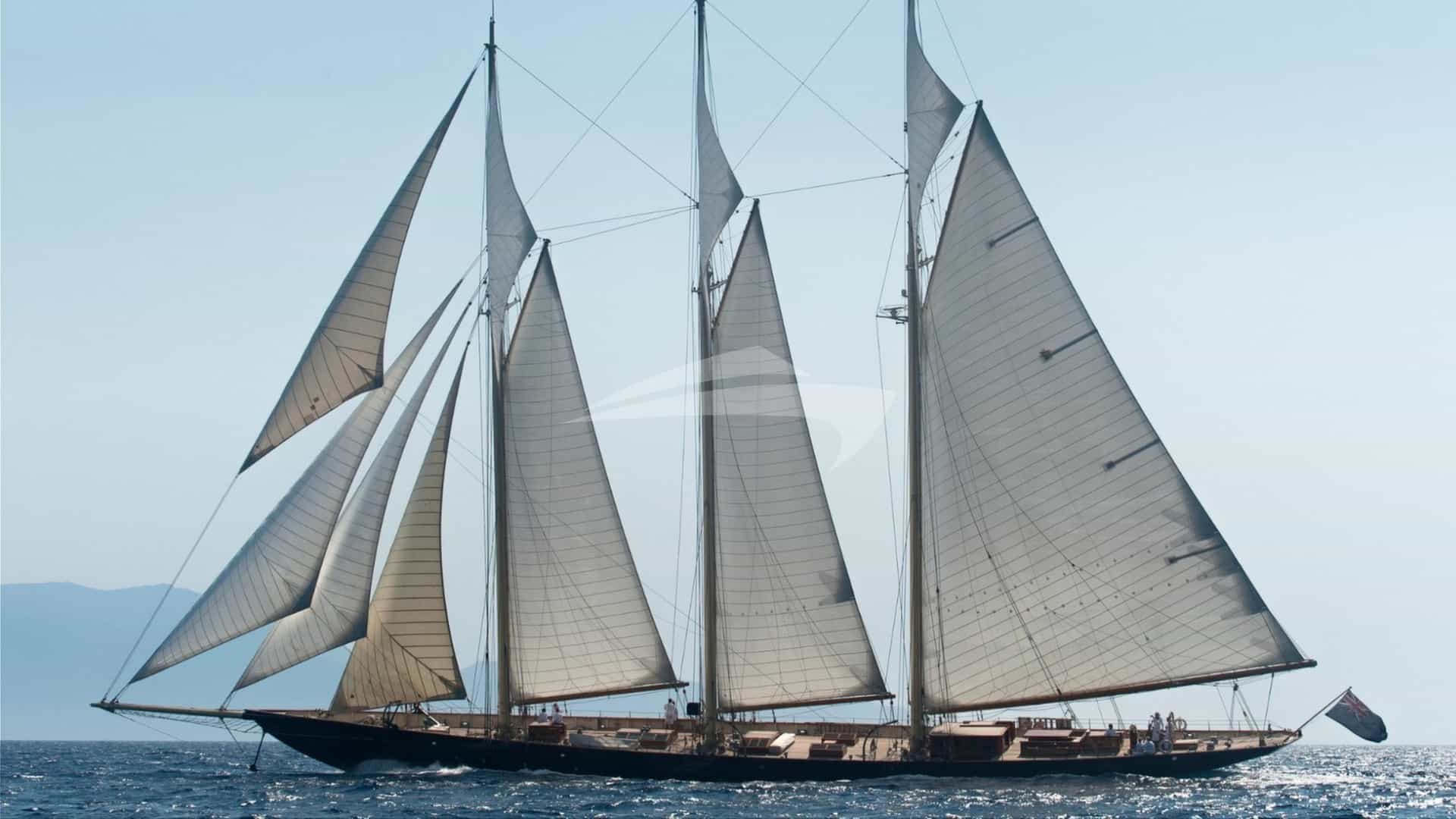
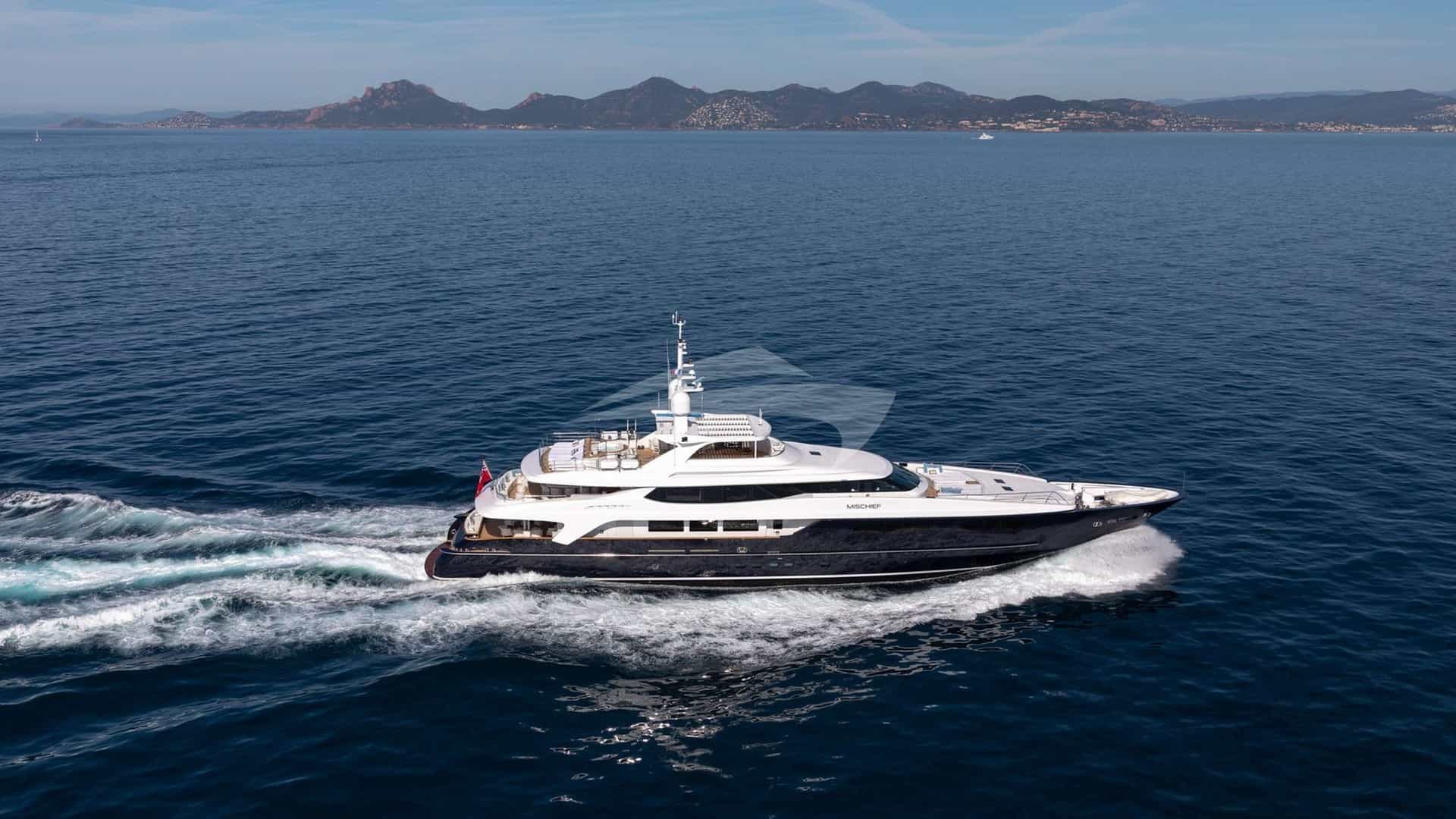
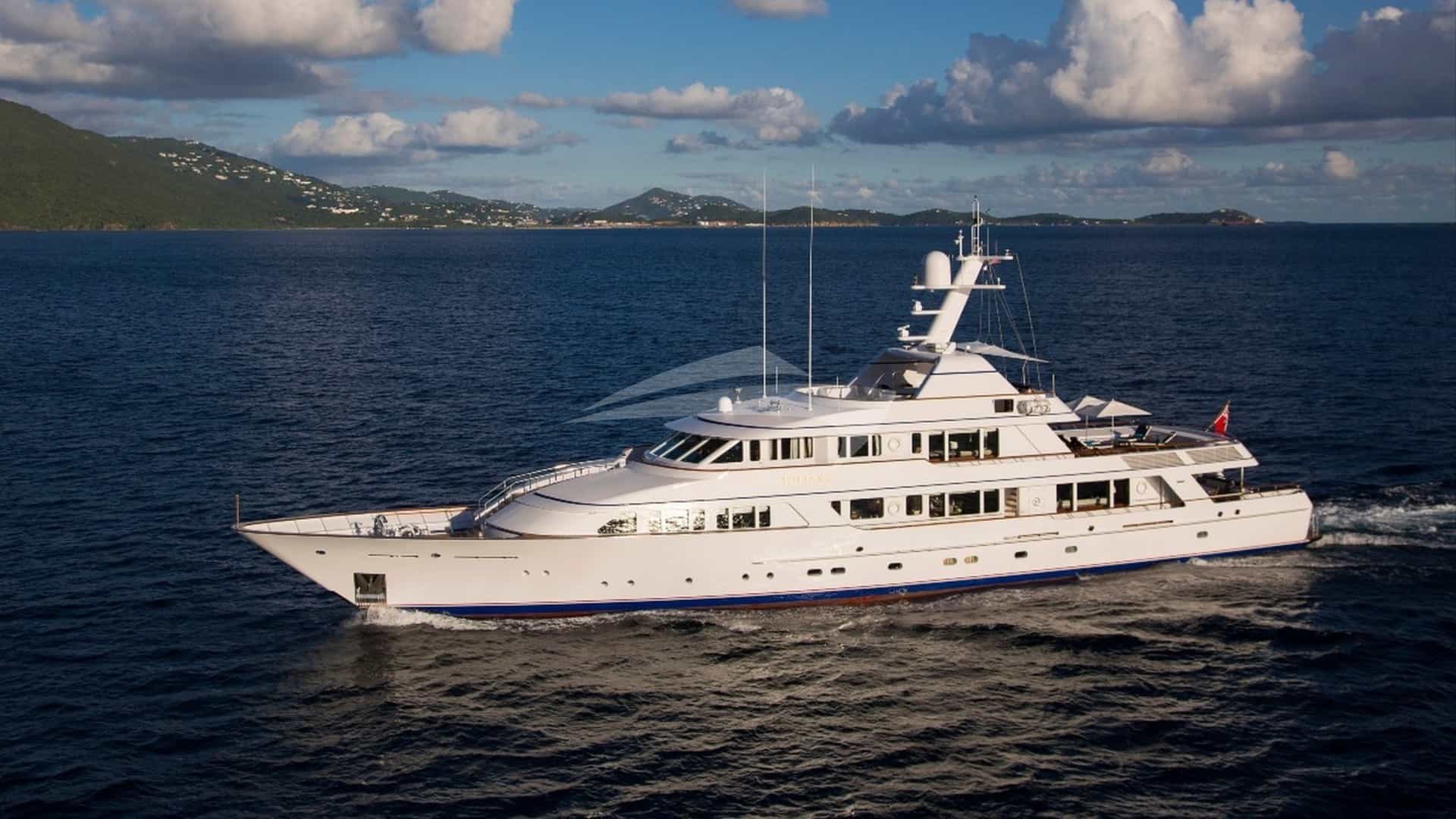
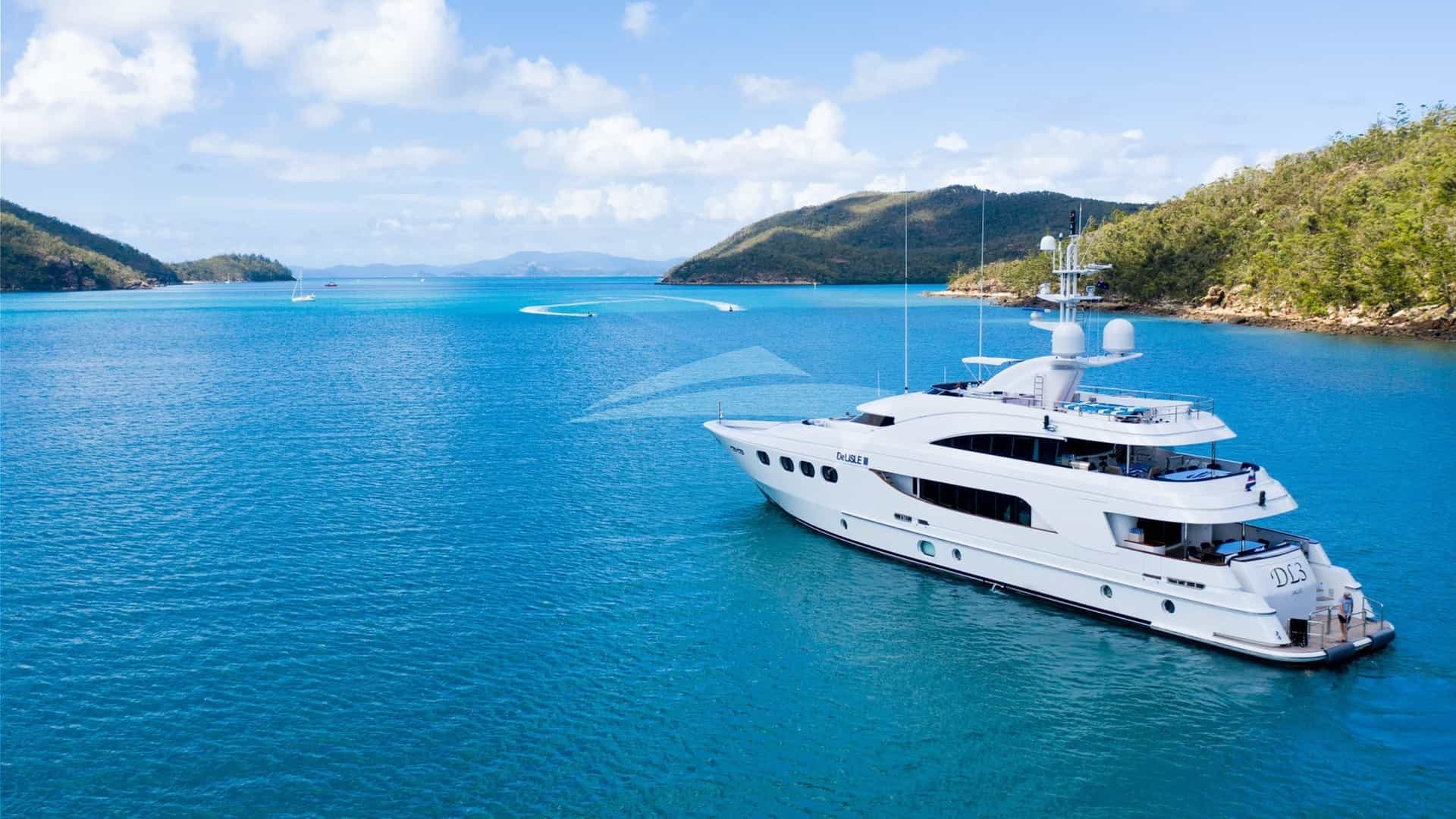
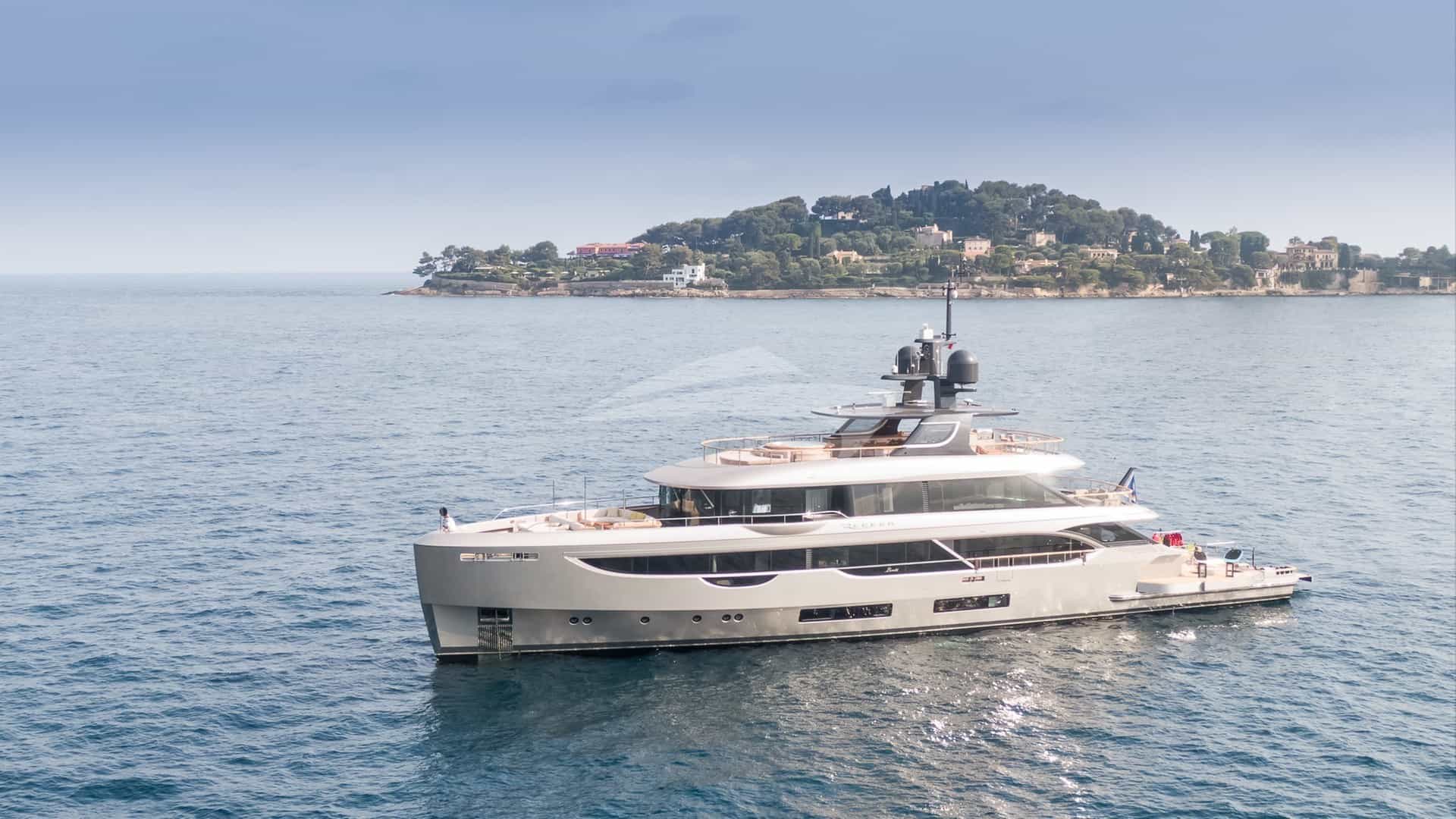
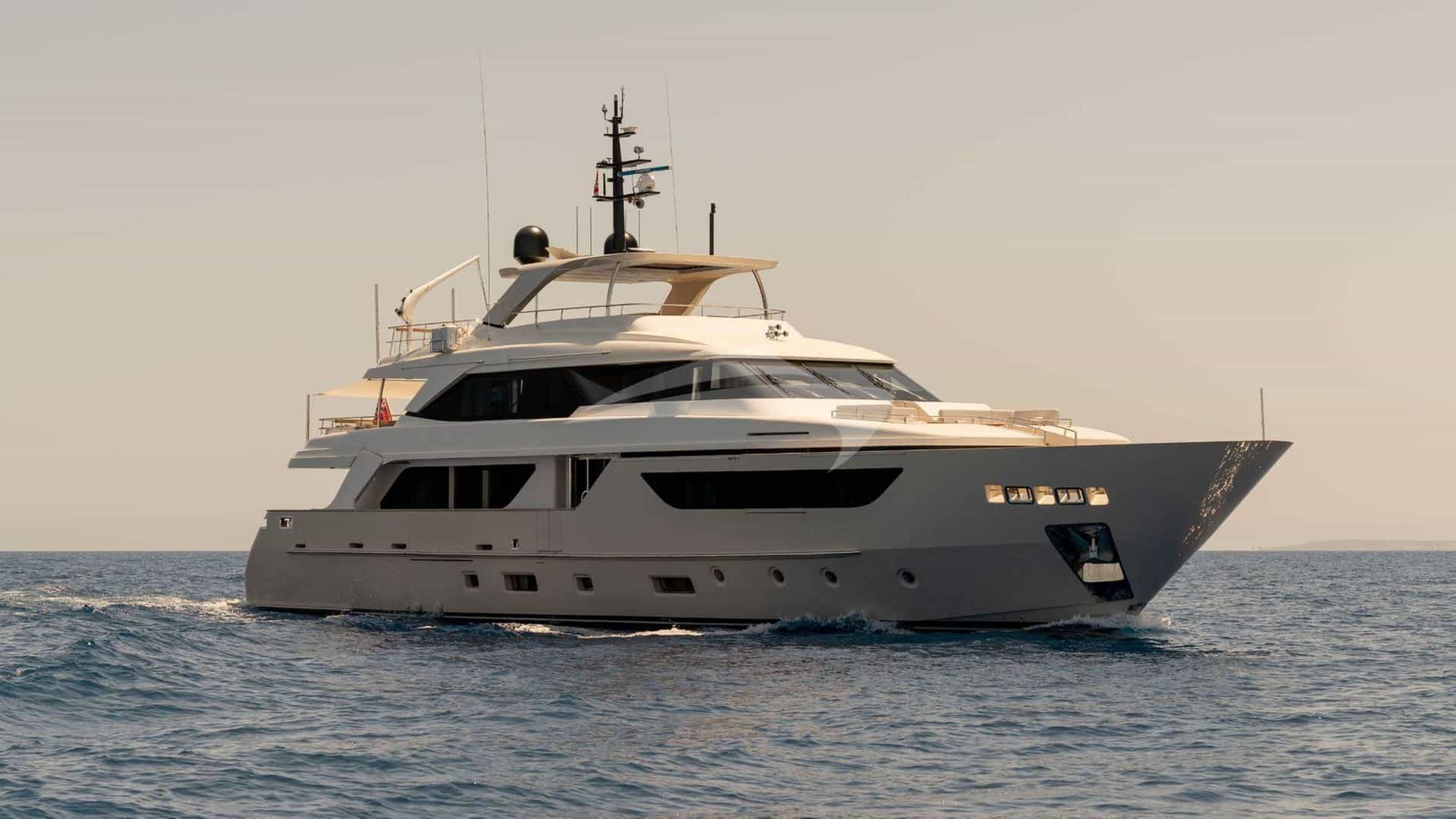
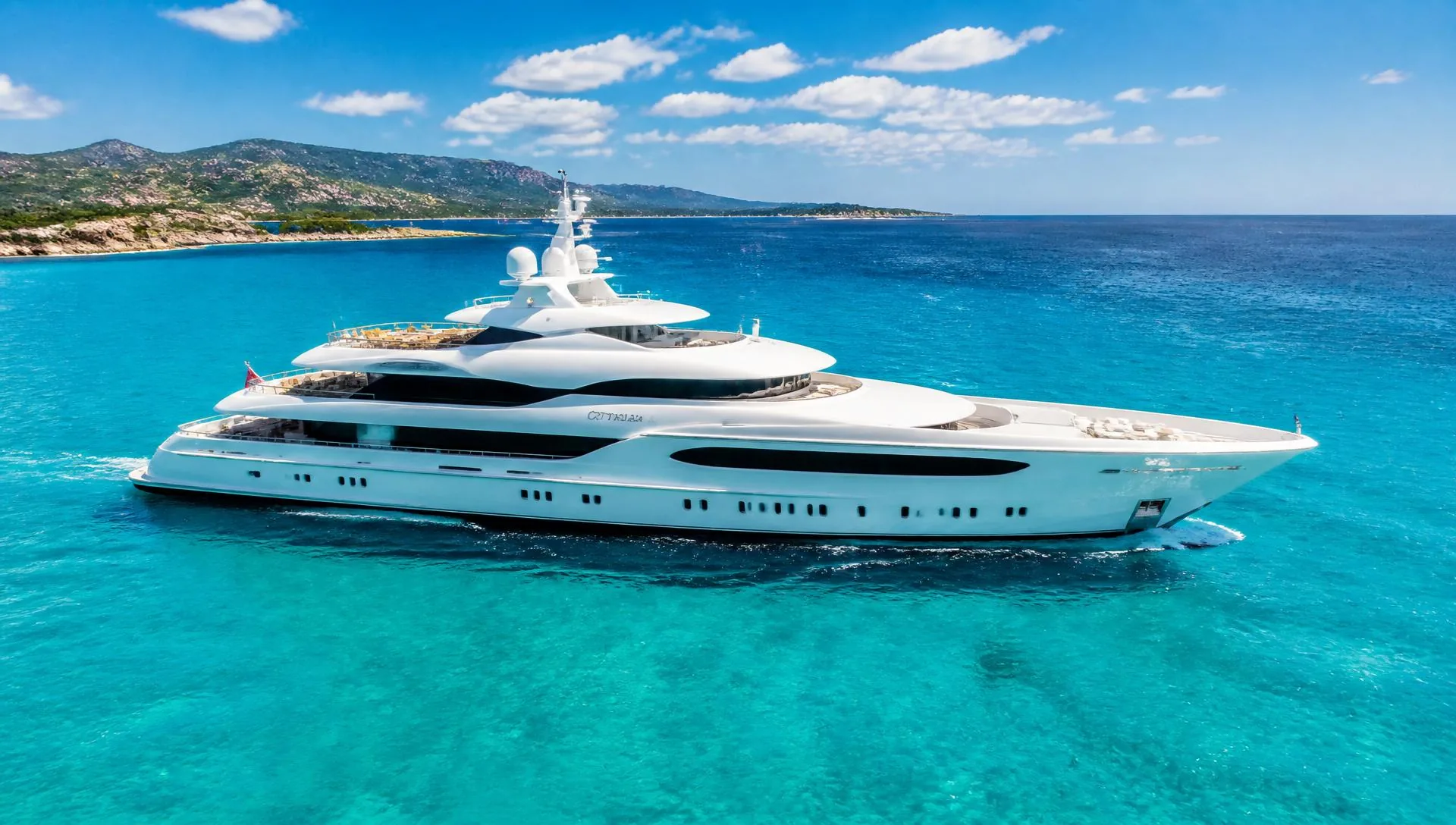
- North Island (Hauraki/Bay of Islands): A standard 40-60m modern motor yacht (e.g., a Sunseeker, Benetti, or similar) is perfectly suited. Draft is generally not an issue. Sailing yachts also excel here, taking advantage of the consistent summer breezes. The focus is on deck space, watersports toys, and tender-to-shore capability.
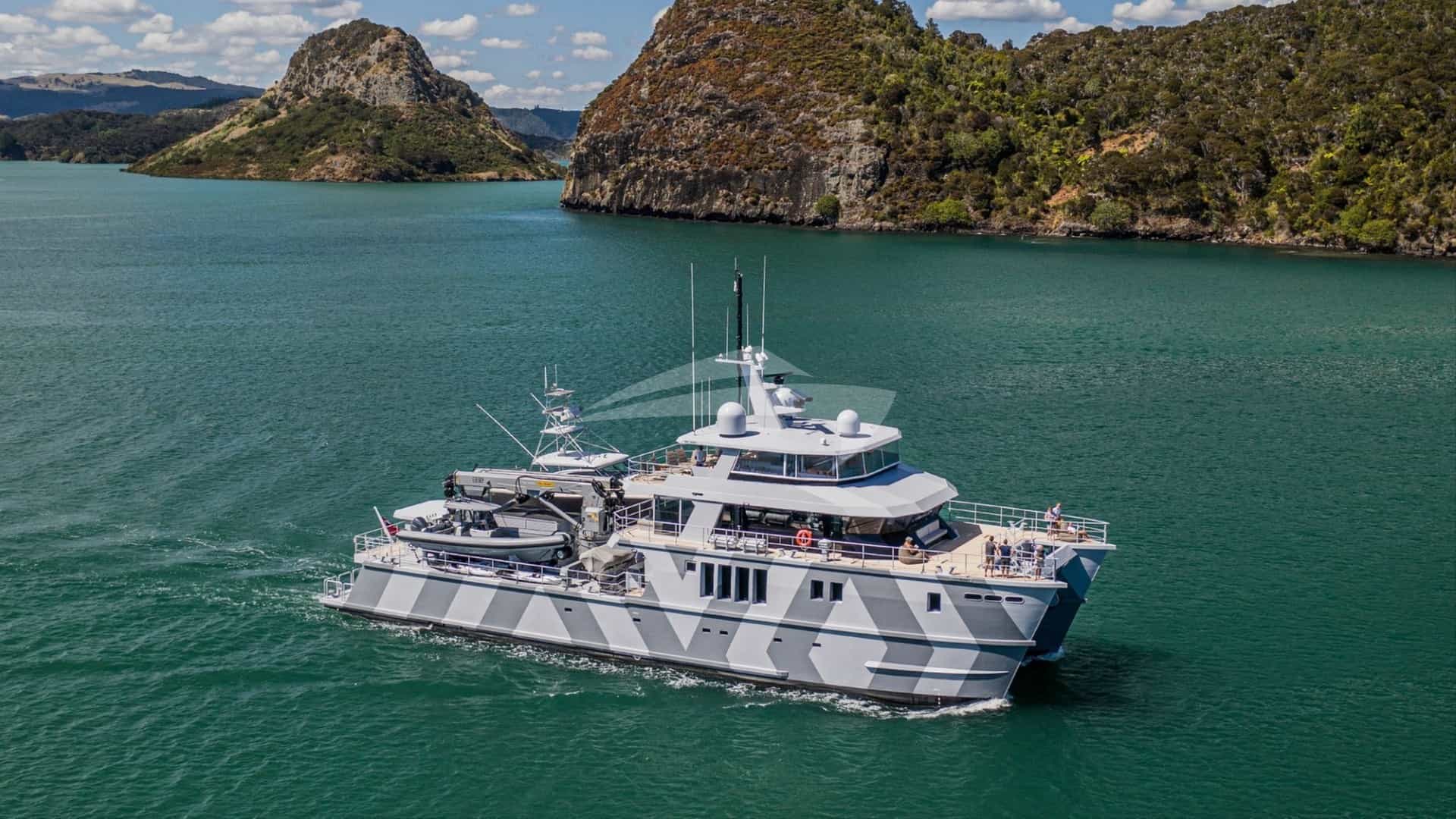
- South Island (Fiordland): This mandates an explorer or expedition-style vessel. Key attributes are:
- Range and Endurance: Refueling points are scarce to non-existent south of Picton. A range of 5,000nm+ is a necessity.
- Seakeeping: The transit down the west coast and crossing the Cook Strait can be extremely rough. A robust, stable hull is non-negotiable.
- Tender Garage: A fleet of high-quality, rugged tenders is more important than a beach club. A 10m+ enclosed cabin tender is essential for exploring the fiords in comfort and safety, regardless of weather.
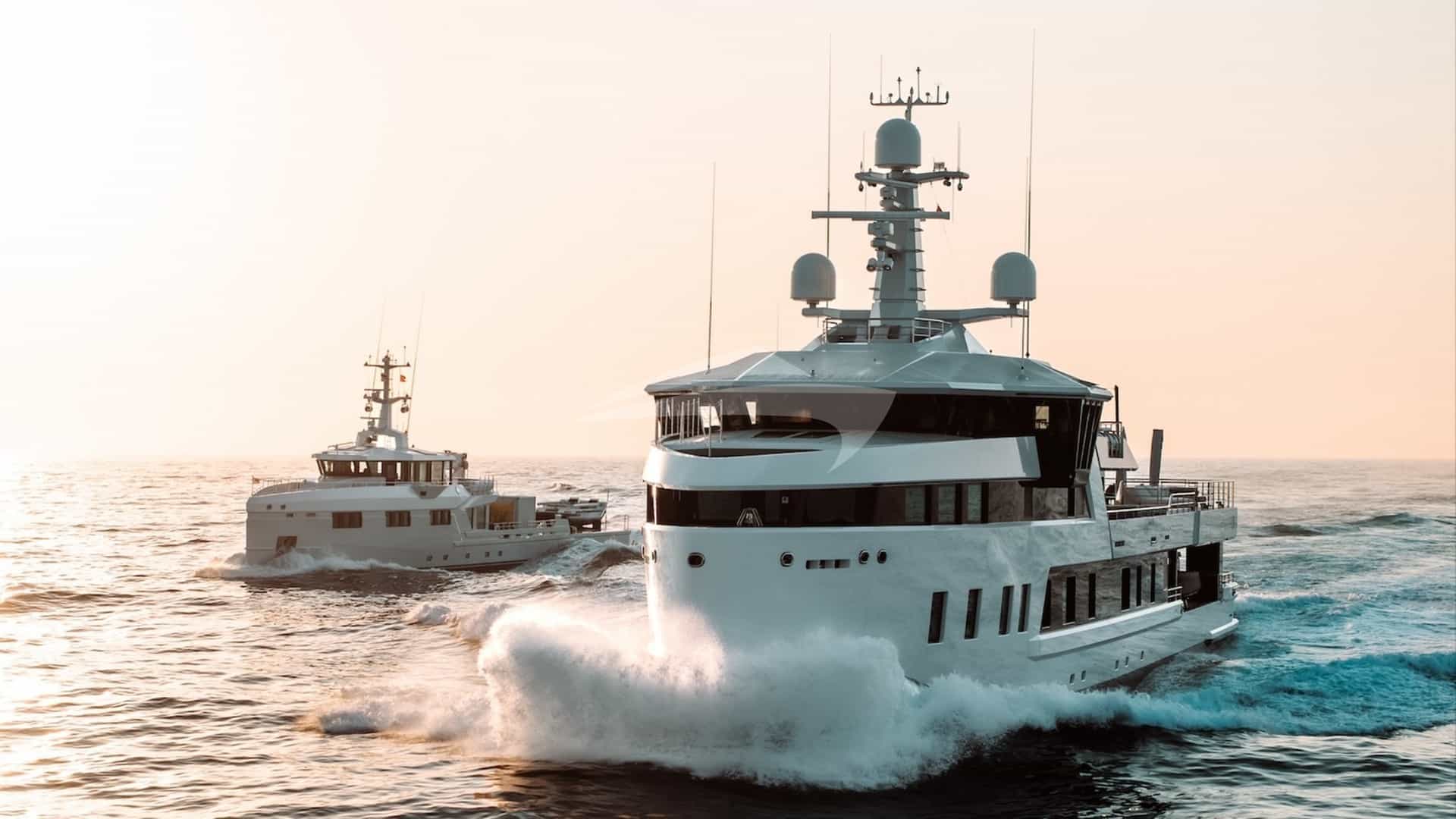
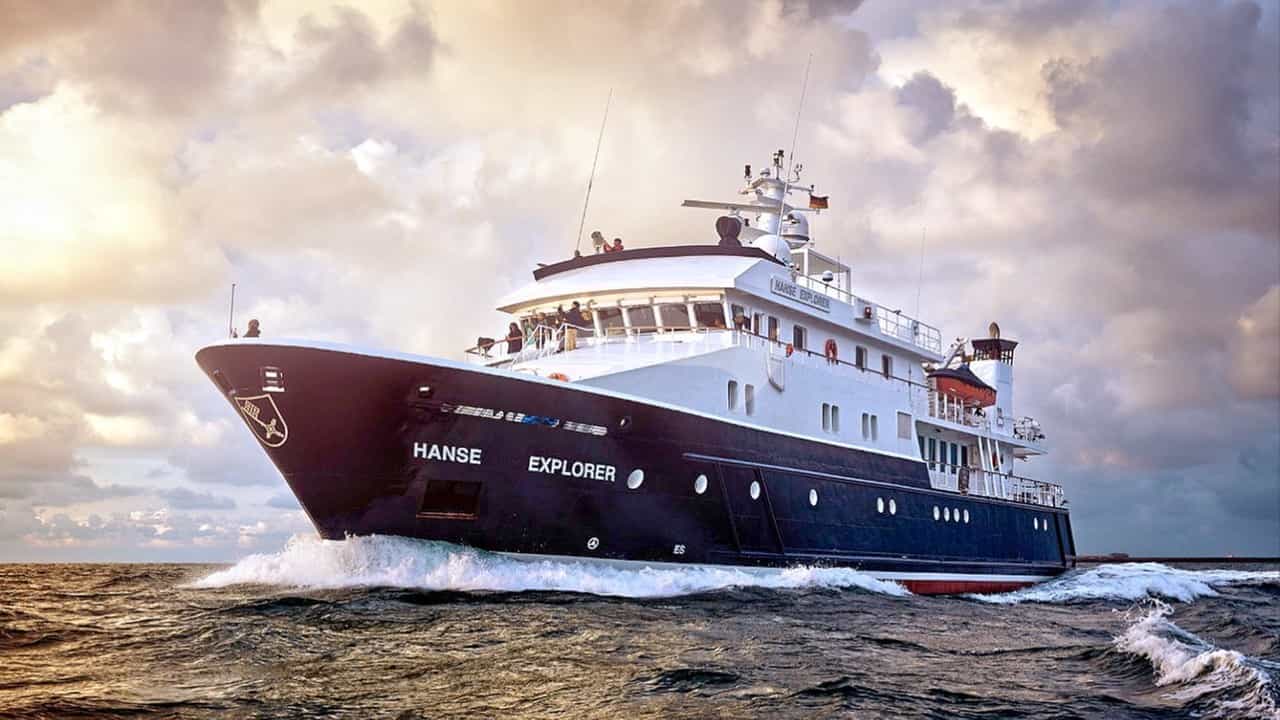
- Helideck: A certified helideck is not a luxury but a core operational tool in Fiordland. It allows for heli-fishing in remote rivers, access to exclusive lodges, and, critically, a rapid means of medical evacuation. Yachts like a Damen SeaXplorer or a robust conversion are the ideal platforms.
Weather and Timing
The window is narrow: the austral summer, from December to March.
- December/January: Peak summer. Warmest temperatures, but can be crowded in the main tourist spots and the weather can still be unstable.
- February/March: The sweet spot. The weather patterns are typically at their most stable, especially in the south. Water temperatures are at their highest. This is the prime booking window.
- Shoulder Seasons (November/April): Possible for North Island cruising, but carry a higher risk of unsettled weather. For Fiordland, these months are not recommended due to the increased chance of storms and colder temperatures. The prevailing winds are westerlies, hitting the South Island’s west coast directly; understanding the microclimates of the fiords is critical for guest comfort.
Pricing and APA
Expect pricing to reflect the vessel's repositioning costs and the specialized nature of the destination. Currency is the New Zealand Dollar (NZD).
- Charter Fees (2026 Estimate):
- 50m Modern Motor Yacht (North Island): €300,000 - €450,000 per week + APA.
- 60m+ Expedition Yacht (Fiordland Charter): €550,000 - €800,000+ per week + APA. The premium reflects the vessel's unique capabilities and the significant delivery costs.
- APA (Advanced Provisioning Allowance):
- Standard: 30-35%.
- Realistic Fiordland APA: 40-50%. This is not padding; it's operational reality. Fuel burn for the long delivery from Auckland and for running generators 24/7 in remote anchorages is immense. Other major costs include helicopter hours (budgeting €50k-€100k for heli-ops is standard), DOC permits, hiring specialist Fiordland guides (essential), and flying in specific provisions to the nearest accessible point (e.g., Queenstown or Te Anau).
Operational Notes / What to Know
- Maori Cultural Protocol: A deep respect for Maori culture is essential. Kaitiakitanga (guardianship and protection of the environment) is a core value. We strongly advise engaging a Maori cultural advisor for the charter, especially in the Bay of Islands. This provides authentic context, access to sacred sites, and ensures all interactions are respectful.
- DOC Permits: Access to protected areas, particularly in Fiordland, requires permits from the Department of Conservation. These must be applied for well in advance and have strict conditions regarding anchoring, waste discharge, and wildlife interaction.
- The Transit: The delivery from Auckland to Fiordland is approximately 1,000nm and takes 4-5 days of steaming. This is a real cost in both time and fuel that must be factored into any South Island itinerary. The yacht will require a minimum of 10-14 days just for the repositioning round trip.
- Connectivity: Reliable high-speed internet is available in the North Island cruising grounds. In Fiordland, it is non-existent. Vessels must have high-end satellite systems (like Starlink Maritime), but even these can be challenged by the steep-sided topography. Manage guest expectations accordingly. This is a place to disconnect.