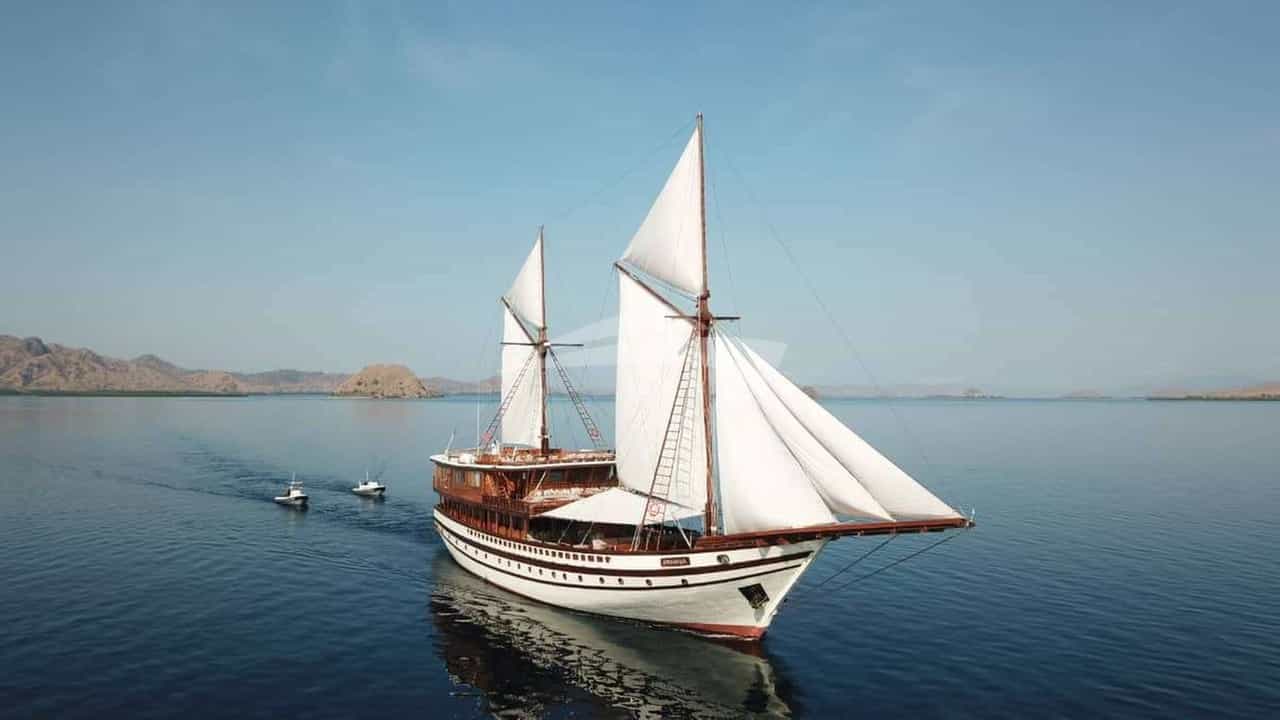
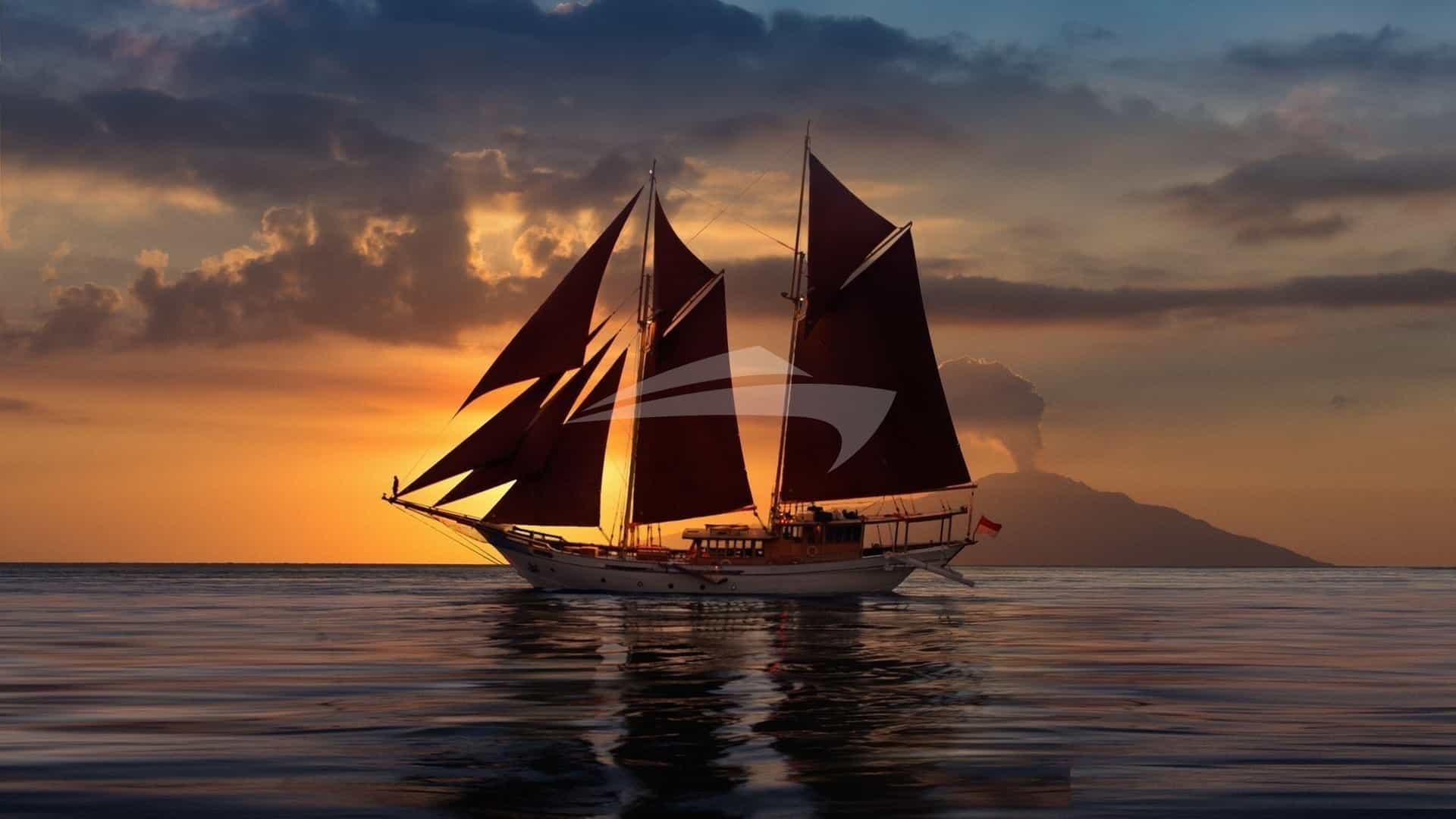
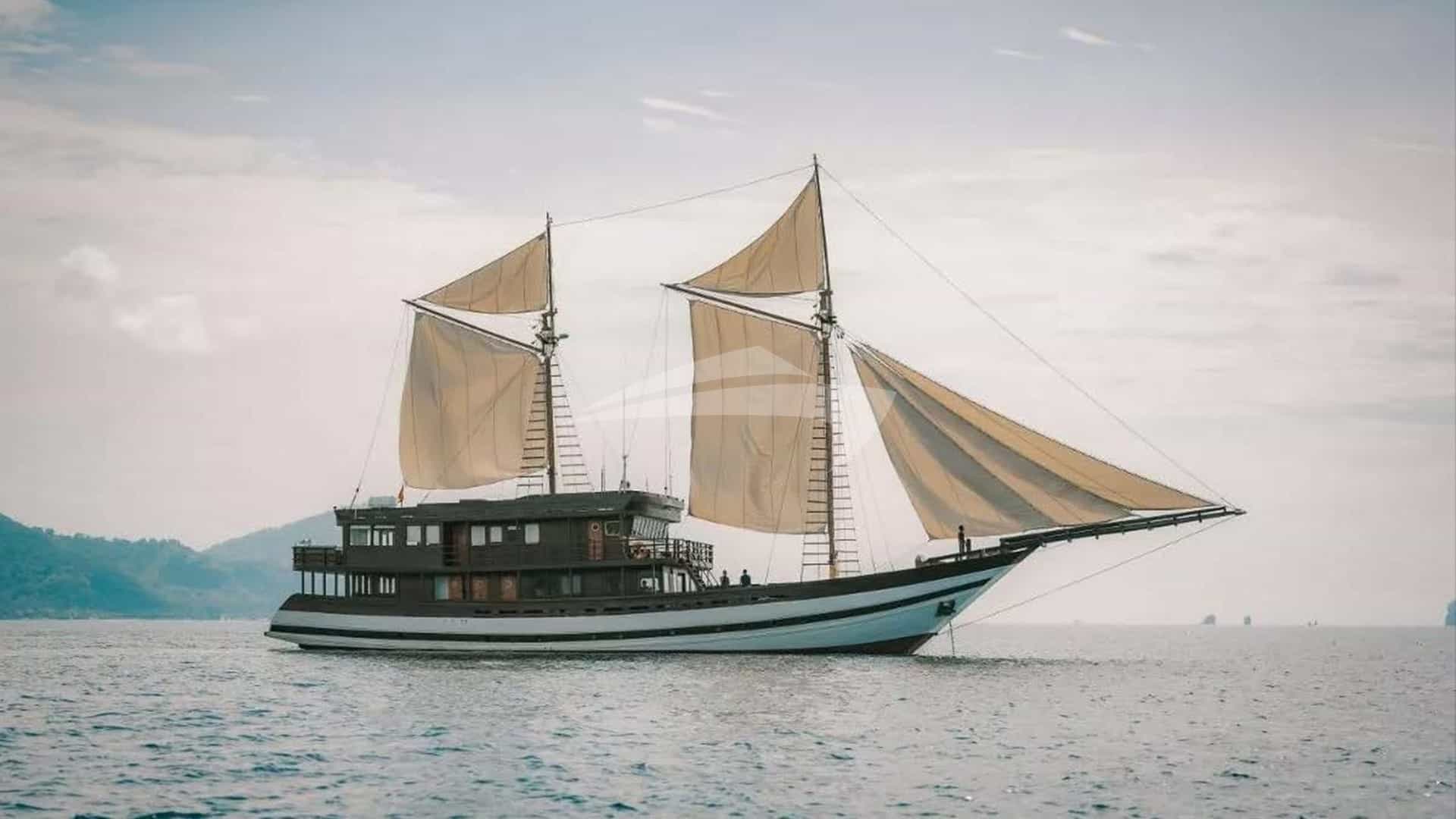
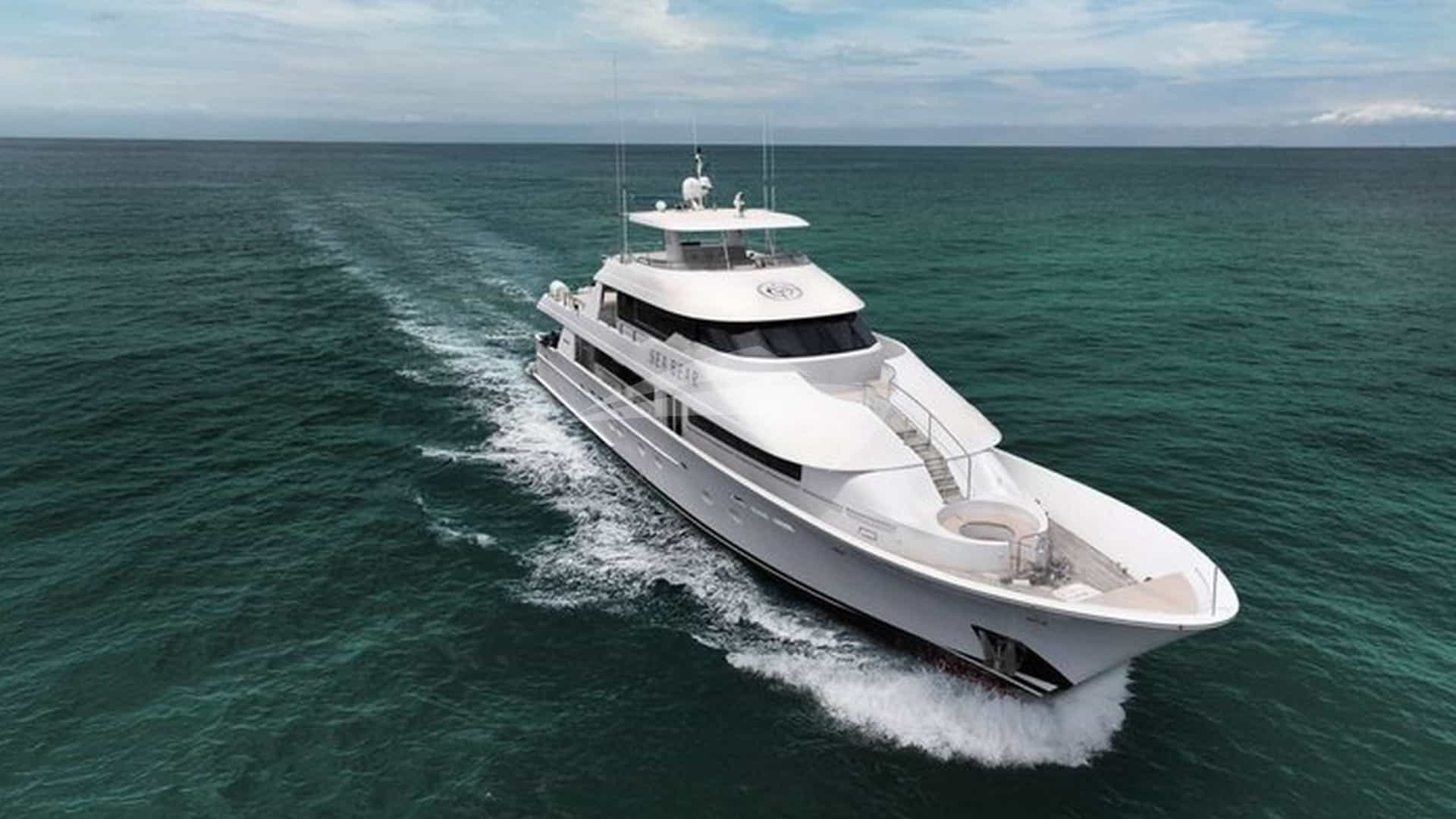
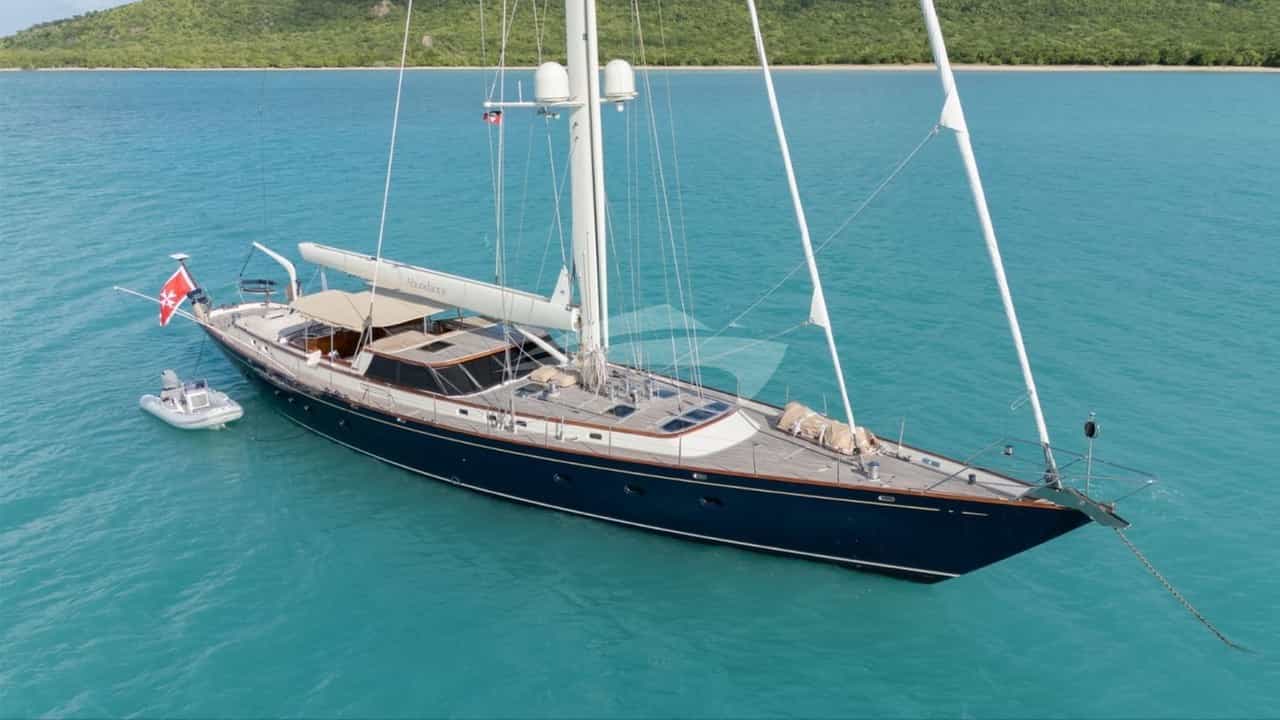
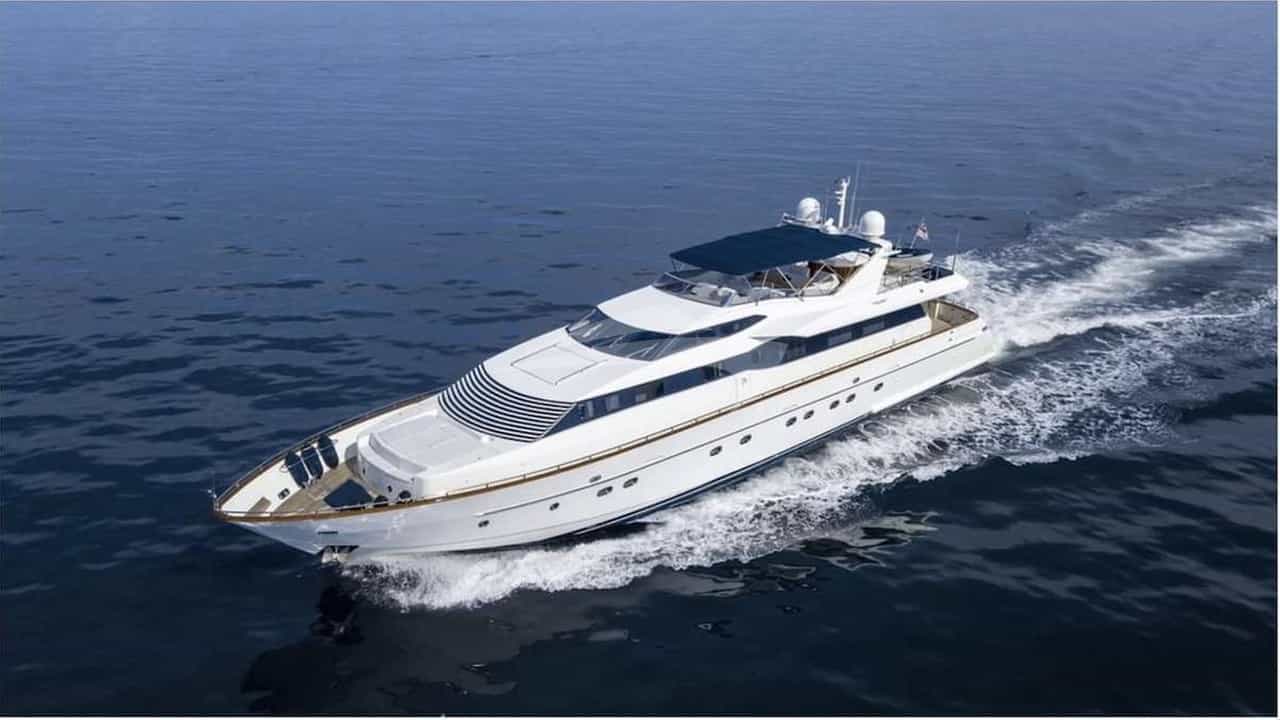
The Philippines is not the Caribbean; it's an expedition. For the principal seeking genuine frontier cruising—from world-class wreck diving to UNESCO-grade reefs and volcanic archipelagos—the logistical lift is matched only by the operational reward. This is a destination of over 7,600 islands where the primary asset is a capable, long-range motor yacht with a robust tender and dive program. Success here is defined by meticulous advance planning, a high APA, and a clear understanding that the luxury is in the raw, unparalleled access your yacht provides, not in shoreside infrastructure. It’s a complex, multi-layered charter requiring navigation of both intricate reef systems and local bureaucracy, but the payoff is entry into one of the planet's last great cruising grounds.
The Cruising Ground
The operational theater is effectively split into three primary zones, often requiring domestic air transfers to connect into a comprehensive itinerary unless a multi-week, one-way charter is planned.
-
Palawan (The Main Event): This is the Philippines' crown jewel for yachting. The focus is bifurcated between Coron in the north and El Nido to the south.
- Coron: The draw is the fleet of Japanese WWII wrecks sunk in 1944. This is a world-class dive destination with multiple vessels accessible to recreational and technical divers. The surrounding Calamian Islands offer dramatic limestone karst landscapes, hidden lakes like Kayangan and Barracuda, and pristine anchorages.
- El Nido: Famous for the Bacuit Archipelago, a cluster of islands with sheer limestone cliffs, hidden lagoons (Big Lagoon, Small Lagoon), and white-sand beaches. Access to the best spots is often tender-only, navigating through narrow rock passages.
-
Tubbataha Reefs Natural Park (The Specialist Prize): A UNESCO World Heritage site located 90 nautical miles southeast of Palawan in the middle of the Sulu Sea. This is a liveaboard-only destination accessible for a brief window from mid-March to mid-June. It is arguably the apex of marine biodiversity in Asia, with sheer coral walls, 13 species of cetaceans, and vast schools of pelagic fish. Access is strictly controlled and requires significant advance permitting.
-
The Visayas (Central Archipelago): A more populated but diverse cruising area.
- Cebu/Bohol: The key attraction here is the whale shark interaction off Oslob, Cebu. Itineraries can include the Chocolate Hills and tarsier sanctuaries on Bohol, plus excellent diving around Panglao and Balicasag Island.
- Boracay: Post-rehabilitation, Boracay offers the country's most famous beach (White Beach) and a more developed scene with upscale resorts and dining. It serves as a comfortable bookend to a charter for guests wanting a transition back to civilization before departure.
Bases and Clearance
Foreign-flagged yachts do not have a straightforward entry process. The primary and most efficient port of entry is Subic Bay, a former U.S. naval base and now a Freeport Zone.
- Initial Clearance: Yachts should clear into Subic Bay. The Subic Bay Yacht Club offers a deep-water basin and is the most reliable facility for handling CIQP (Customs, Immigration, Quarantine, and Port) formalities. Plan for a 24-48 hour process. Engaging a reputable local agent is non-negotiable and should be done months in advance.
- Domestic Cruising Permits: Once cleared in, the yacht requires a Cruising Permit from MARINA (Maritime Industry Authority) and inter-island clearance from the PCG (Philippine Coast Guard) for each leg of the journey. This is a vessel- and crew-intensive process. The captain will be visiting the local PCG station at major ports (e.g., Coron, El Nido, Cebu) to present paperwork and file the next intended passage.
- Marine Park Permits: Access to protected areas like Tubbataha and certain zones within El Nido and Coron requires separate permits from the Bureau of Fisheries and Aquatic Resources (BFAR) and the respective Protected Area Management Boards. For Tubbataha, the permit application process is stringent, requires naming all guests, and should be initiated 6-9 months prior to the charter. Fees are substantial and are calculated on a per-person, per-day basis. Expect 2026 pricing for Tubbataha to be in the region of $150-$200 USD per person per day.
Where to Drop the Hook
Coron, Palawan:
- Anchorages: The bay north of Uson Island provides good holding and protection. For proximity to the wrecks, anchorages near Sangat Island are prime.
- Diving: The key sites are the Irako (a refrigeration ship, deep penetration possible for tech divers), Okikawa Maru (a large oiler), and the Akitsushima (a seaplane tender). A local divemaster with wreck expertise is essential and can be arranged to come aboard.
- Inland: Kayangan Lake and Barracuda Lake offer unique swimming experiences in brackish water with dramatic thermoclines. Access is via a designated mooring field and a short trek.
El Nido, Palawan:
- Anchorages: Lagen Island and Miniloc Island have resorts with good anchorages nearby, offering some shoreside dining options (e.g., El Nido Resorts). For more secluded spots, anchor off Pangulasian Island or in the channel east of Matinloc Island.
- Tender Exploration: The main activity. Navigate tenders into the Big Lagoon (check tidal access) and the Small Lagoon (often requires a swim or kayak through a small rock crevice). Secret Beach on Matinloc Island is another tender-access-only highlight.
Tubbataha Reefs:
- Moorings Only: There is no anchoring allowed in the park. A limited number of heavy-duty mooring buoys are available at key dive sites on the North Atoll, South Atoll, and Jessie Beazley Reef. The yacht will move between these moorings. This is an open-ocean environment; the vessel must be prepared for potential swell.
Visayas:
- Cebu/Bohol: Anchor off Panglao Island for access to both Bohol's land attractions and the diving around Balicasag. The whale shark interaction at Oslob is a tightly managed affair from the shore; the yacht will anchor off the coast while guests are taken in by small local outriggers (bangkas).
- Boracay: The main anchorage is off White Beach on the western side during the prevailing NE monsoon. During the SW monsoon, anchorage is on the eastern (Bulabog Beach) side.
The Yachts That Work Here
The Philippines is expedition territory. Standard Mediterranean flybridge cruisers are unsuitable due to range, sea-keeping, and storage limitations.
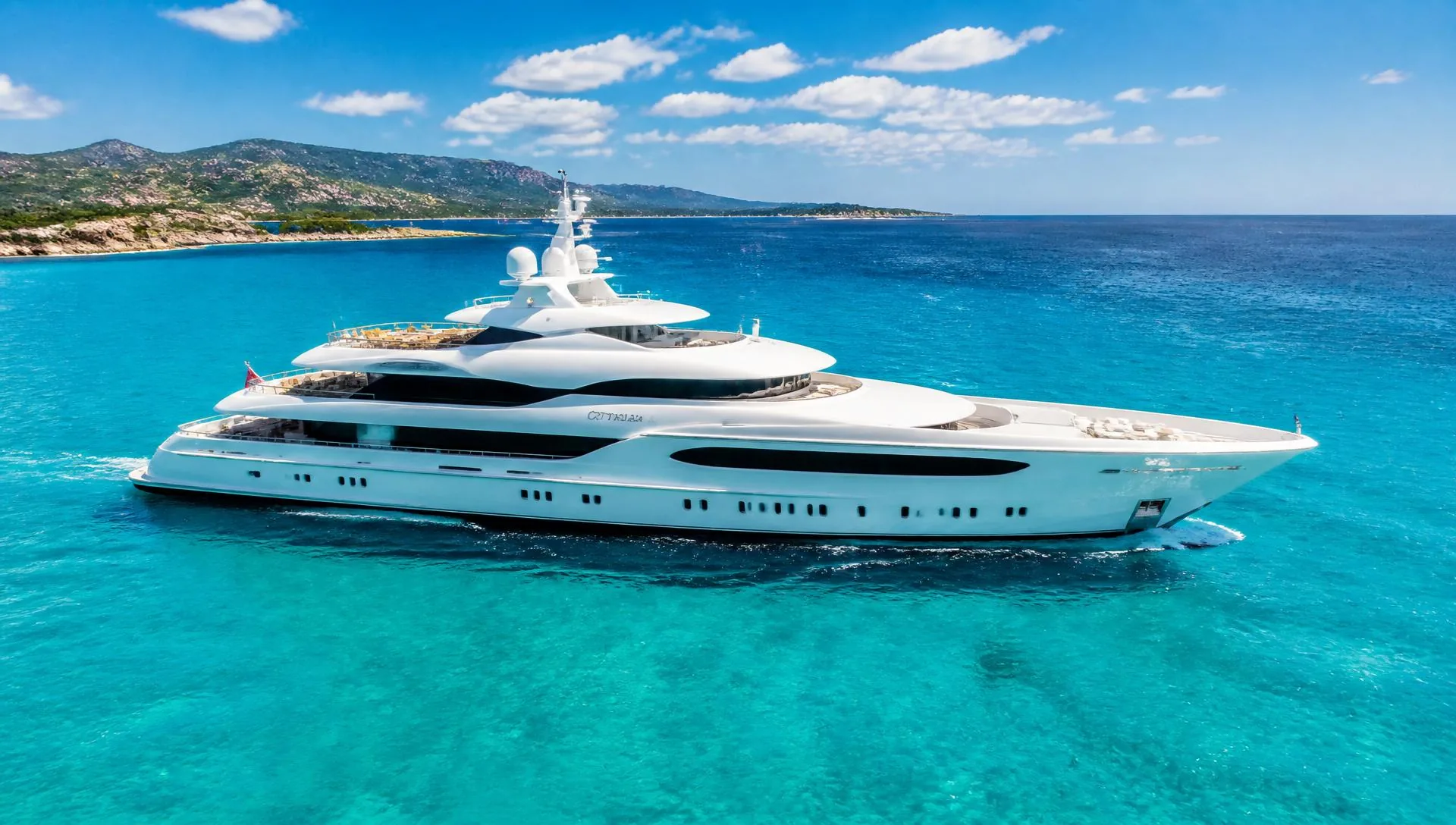
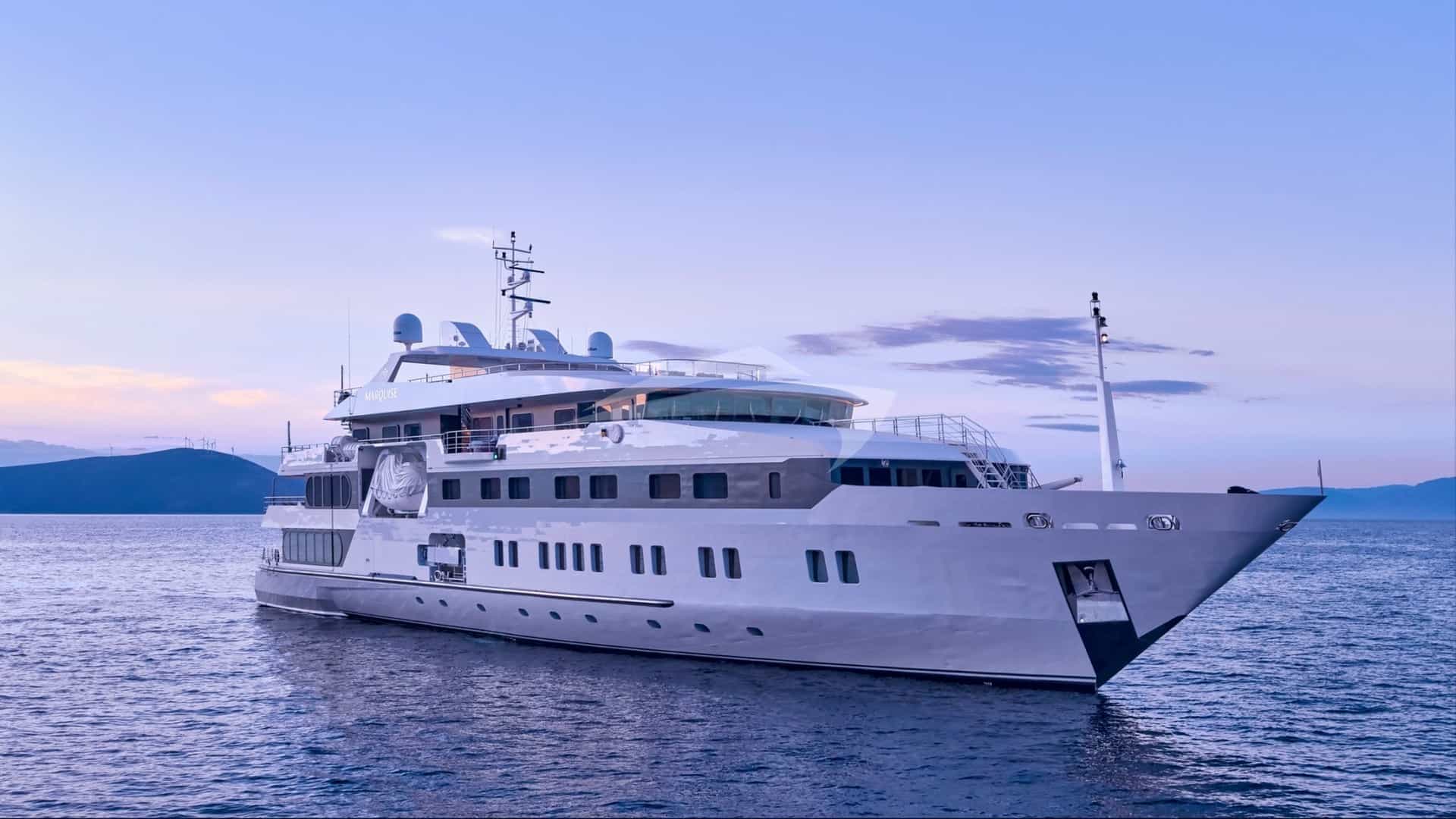
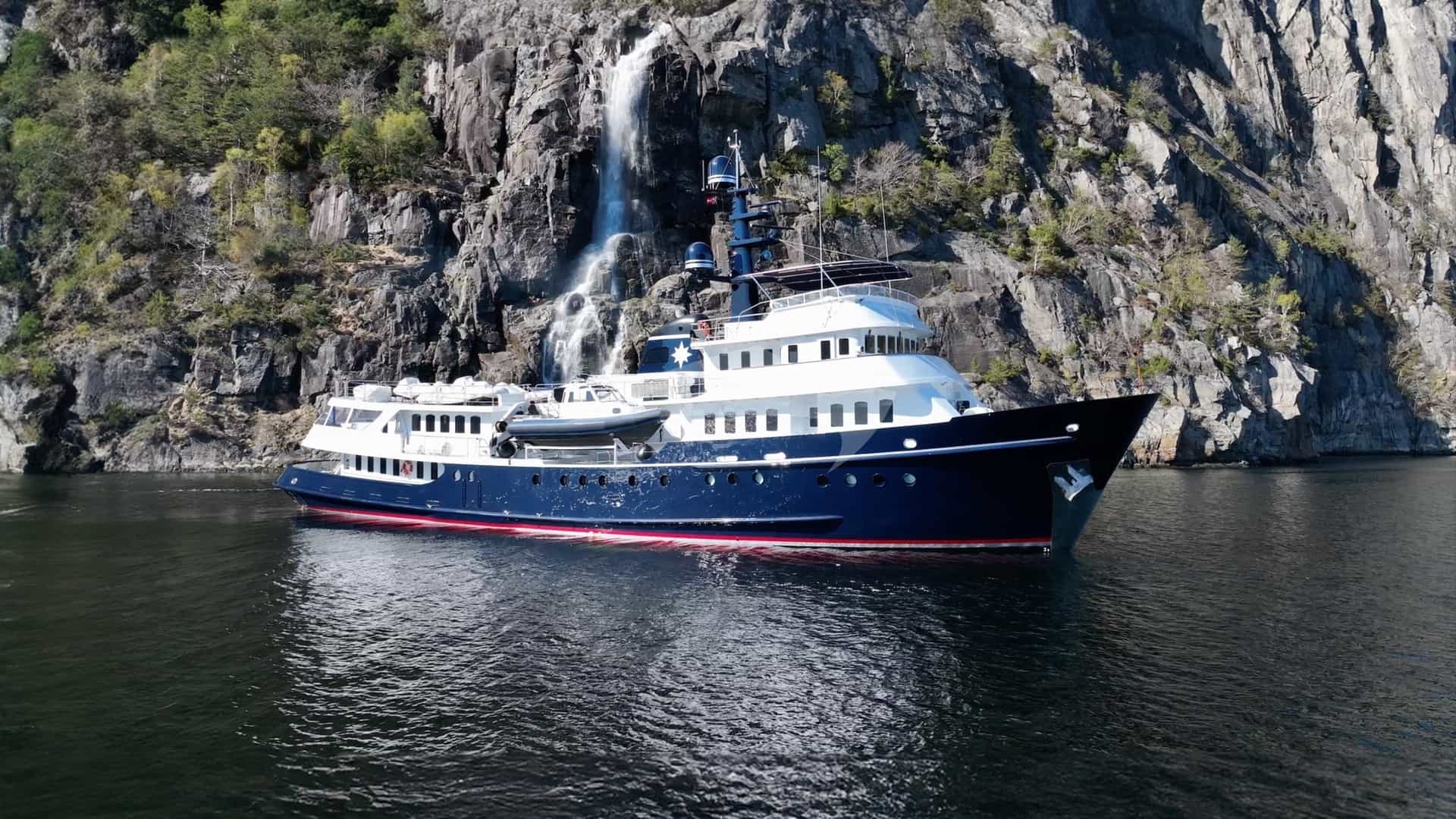
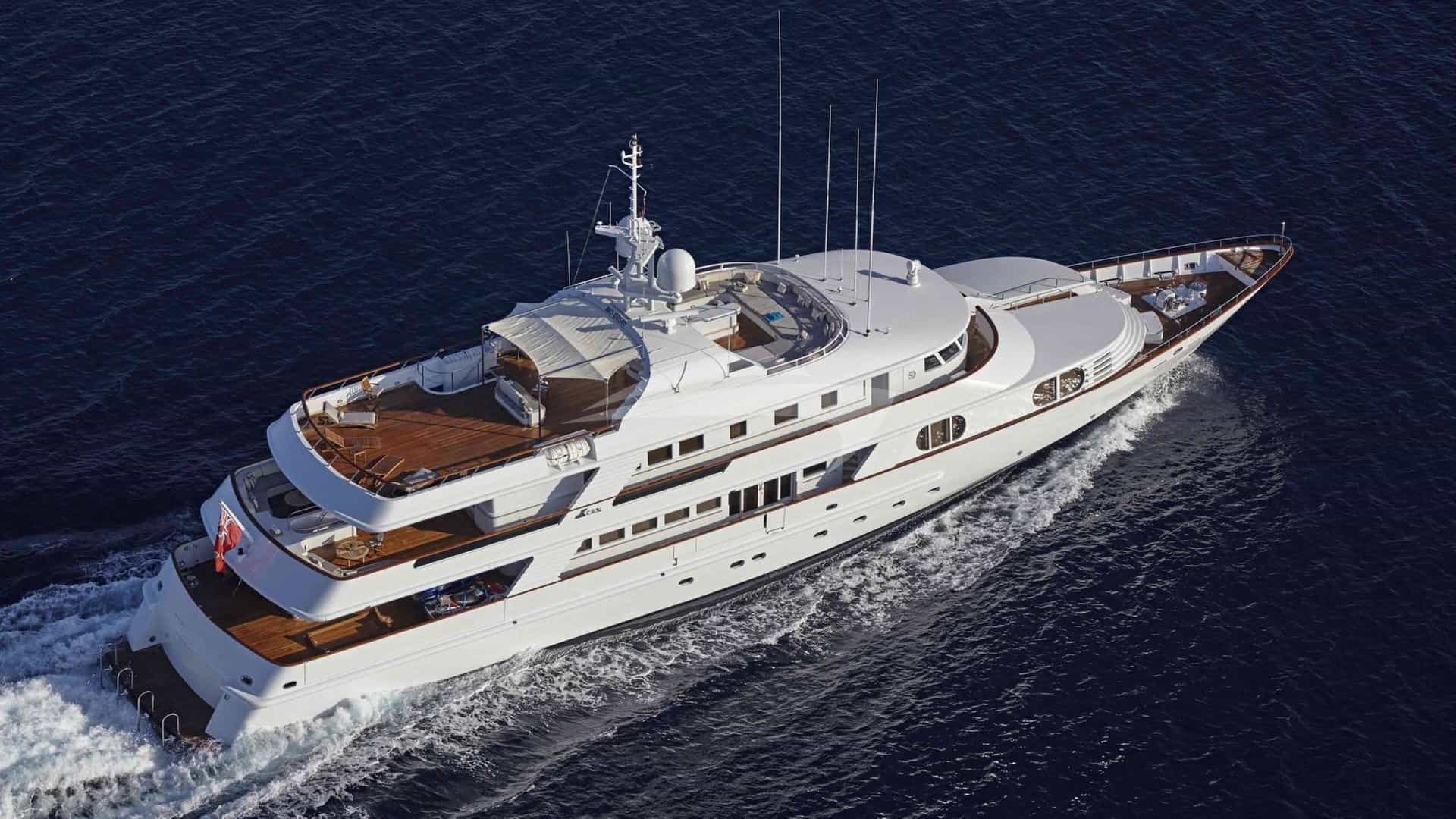
- Vessel Type: 40m to 70m explorer or expedition motor yachts are the ideal platforms. Key attributes are a long range (4,000nm+), significant fuel capacity, robust stabilization (at anchor and underway), extensive cold and dry storage for provisioning, and a comprehensive dive center with an onboard compressor and Nitrox blending. A helicopter deck is a significant operational advantage for transfers and medical evacuation.
- Tenders: A large, capable primary tender (10m+) is crucial for transferring guests in comfort and safety over potentially choppy water. A smaller, shallow-draft RIB or inflatable is needed for beach landings and lagoon access.
- Local Support: Charter contracts must include the use of local bangka outrigger boats for specific activities like accessing the shallowest lagoons or for the mandated whale shark viewing in Oslob. They are hired locally on a daily basis.
Weather and Timing
The climate is governed by two monsoons.
- Northeast Monsoon (Amihan): Runs from December to May. This is the dry season and the prime charter window. It brings calmer seas, sunny skies, and more predictable conditions, especially in the Palawan and Visayas regions.
- Southwest Monsoon (Habagat): Runs from June to November. This is the wet season, characterized by higher humidity, rain, and the risk of typhoons. The peak typhoon season is typically August through October. Cruising during this period is not recommended and most insurance underwriters will have strict named-storm clauses.
- Tubbataha Window: The mid-March to mid-June period exists in the transition between the two monsoons, offering the calmest sea state required for the open-ocean crossing and diving in the Sulu Sea.
Pricing and APA
This is a high-cost, high-logistics destination. Set client expectations accordingly.
- Charter Fees (2026 Estimate): For a capable 50m-60m expedition yacht, expect weekly rates between €300,000 and €500,000. For a top-tier 70m+ asset with helicopter capabilities, pricing will be €700,000+.
- APA (Advanced Provisioning Allowance): A standard 30% APA is insufficient. A minimum of 35-40% is required. This higher percentage covers:
- Fuel: Long-distance steaming between island groups and repositioning.
- Permits: Substantial fees for national parks, especially Tubbataha.
- Domestic Logistics: Internal flights for specialist guides (divemasters, naturalists), crew rotation, or guest transfers.
- Provisioning: The cost of flying in high-quality meats, wines, and specialty goods from Manila or abroad.
- Local Hires: Daily rates for mandatory guides and bangkas.
Operational Notes / What to Know
- Fuel Bunkering: Reliable, high-quality fuel is not widely available. Plan major bunkering operations at Subic Bay Yacht Club or Cebu Yacht Club. Fuel testing is mandatory. The itinerary must be planned around these fuel stops.
- Provisioning: Outside of Manila and to a lesser extent Cebu, do not expect to find high-end provisions. All specialty items, from specific wine vintages to imported cheeses, must be sourced in Manila and flown or shipped to the yacht. This requires significant lead time.
- Currency: The official currency is the Philippine Peso (PHP). While the charter and major expenses are transacted in USD/EUR, a significant cash float of PHP is required for local market purchases, tips, and minor port fees.
- Air Access: Guests will typically arrive via Manila (MNL) or Cebu (CEB). For Palawan access, private charters into smaller airfields like Busuanga (USU) for Coron or El Nido (ENI) are strongly recommended to bypass the limitations of commercial schedules.
- Security: Charter itineraries are focused on the well-traveled regions of Palawan and the Visayas. The PCG maintains a presence and is generally helpful. Standard vessel security protocols should be maintained. Itineraries to the extreme south (near the Sulu Archipelago and Mindanao) are not advised due to security concerns.