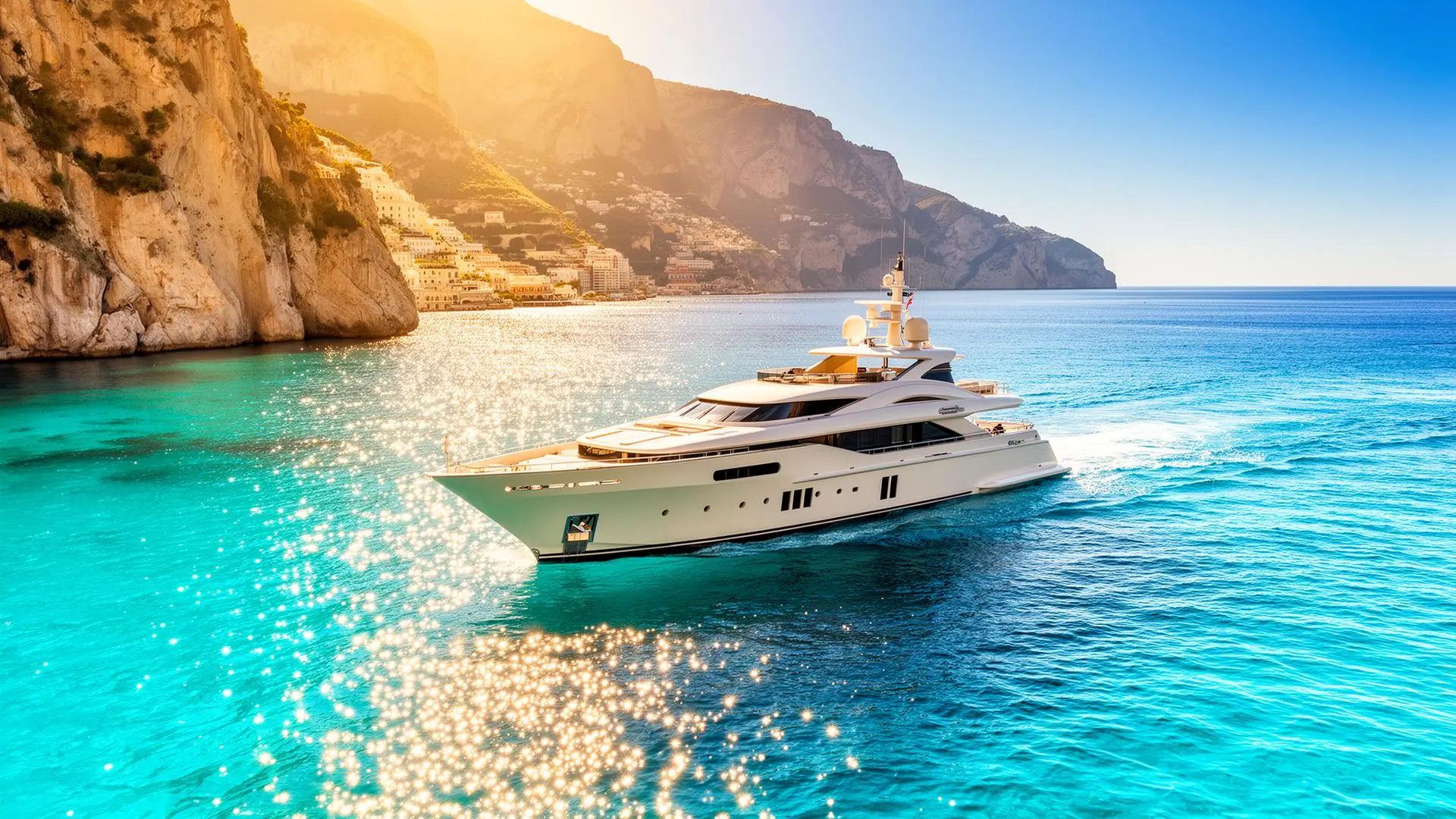
The Sea of Cortez offers a distinct charter experience, presenting a unique blend of remote natural beauty and established luxury infrastructure. Navigating this region requires a granular understanding of logistics, regulatory specifics, and seasonal nuances to ensure a seamless principal experience.
The Cruising Ground
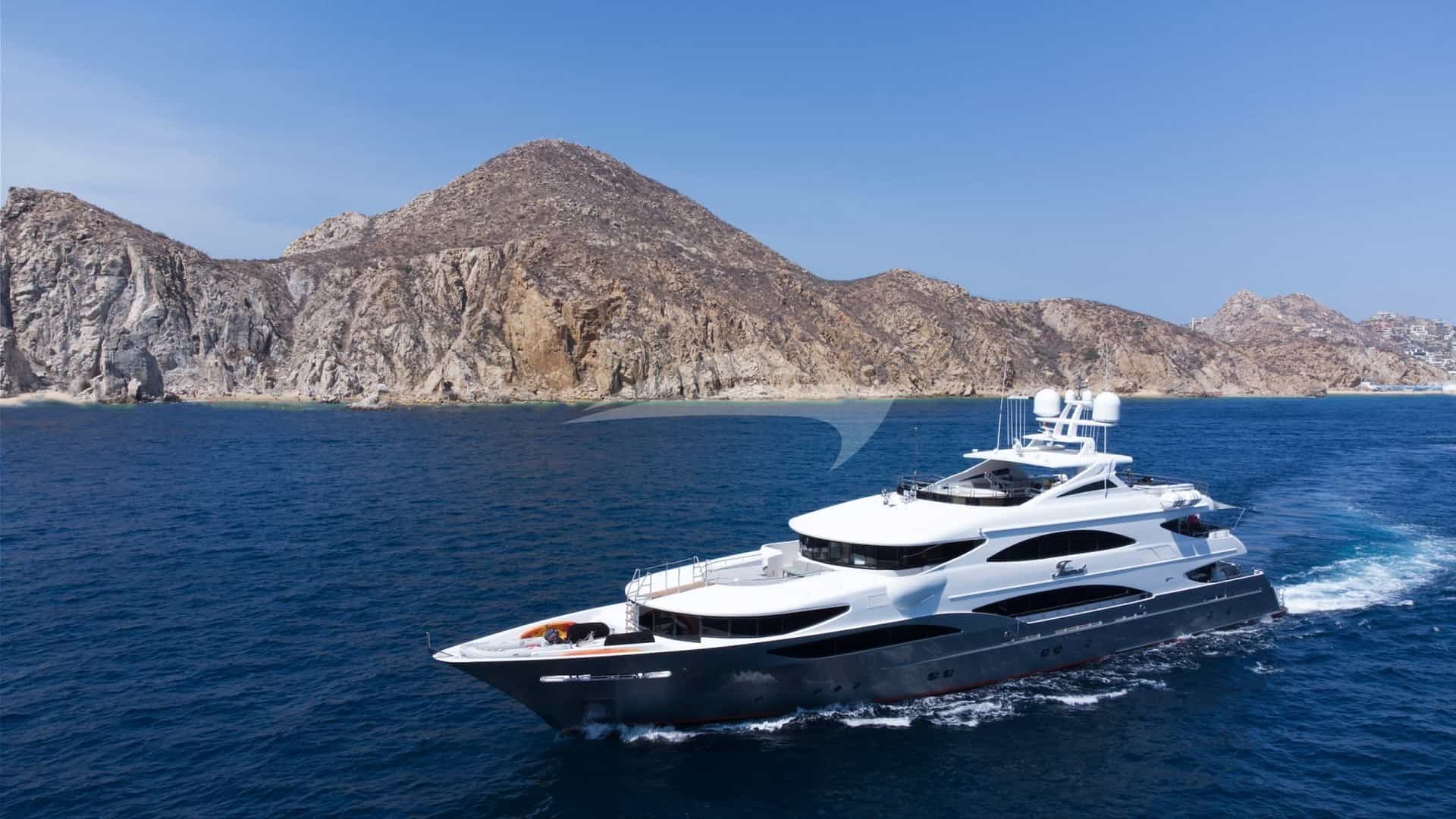
The Sea of Cortez, or Gulf of California, is a UNESCO World Heritage site renowned for its biodiversity. The primary charter hubs are La Paz and Cabo San Lucas, with Loreto offering a more remote, expedition-style base. Cruising itineraries typically focus on the Espiritu Santo Archipelago (Espiritu Santo, Partida, Los Islotes) north of La Paz, known for its pristine anchorages, abundant marine life, and iconic sea lion colonies. Further north, the Bahia Concepcion near Loreto provides dramatic desert-meets-ocean landscapes and quieter anchorages. Whale shark encounters are a seasonal highlight around La Paz. The contrast between the vibrant, developed Cabo San Lucas and the tranquil, protected islands of Espiritu Santo is a key draw.
Bases and Clearance
La Paz: The most practical and central staging point. Marina CostaBaja is the premier facility, accommodating yachts up to 220ft (67m) with full services, excellent security, and proximity to a well-stocked provisioning center. Other options include Marina La Paz and Abaroa. La Paz offers direct flights from major US hubs, and ground transfers from Cabo San Lucas (2-2.5 hours) are efficient.
Cabo San Lucas: Marina Cabo San Lucas is the primary base, accommodating yachts up to 375ft (114m). It is a high-energy, developed port with immediate access to luxury amenities, but the cruising grounds directly adjacent are less pristine than those further north. Cabo serves as a convenient embarkation/disembarkation point for principals flying directly into SJD.
Loreto: Marina Puerto Escondido, south of Loreto, is a growing facility for expedition yachts or those seeking a truly off-the-beaten-path experience. It offers limited services compared to La Paz or Cabo but provides access to the northern reaches of the Sea of Cortez including Bahia Concepcion.
Clearance: Yacht clearance in Mexico requires a Temporary Import Permit (TIP) for the vessel, valid for 10 years. This process is typically handled by a local agent. Crew and guest immigration formalities are standard. Expect a 24-48 hour lead time for agent-assisted clearance. Fees for TIP, port captain, and agent services typically run $1,500 - $3,000, depending on yacht size and complexity. The Mexican government actively monitors vessel movements, particularly within protected areas. Environmental permits for specific activities (e.g., diving, fishing in certain zones) are often required and should be secured via the captain or local agent well in advance. Fishing licenses are mandatory for all on board engaging in fishing activities; these can be purchased online or through local agents.
Where to Drop the Hook
Espiritu Santo Archipelago:
- Ensenada Grande (Isla Partida): Iconic, sheltered bay with white sand beaches. Ideal for watersports. Anchor in 15-30ft (5-10m) over sand.
- Los Islotes: North of Partida. The definitive sea lion encounter. Anchorage is exposed; typically a day stop. Snorkel/dive with guides only.
- Bahia Candelero (Isla Espiritu Santo): Picturesque, calm bay. Good for paddleboarding and kayaks.
- Caleta Partida (Isla Partida): Narrow entrance to a lagoon-like anchorage. Very protected.
Mainland/Baja Coast:
- Bahia Balandra (La Paz): Famous mushroom rock, shallow turquoise waters. Day stop only, very popular.
- Bahia de Muertos (south of La Paz): Accessible by road, developing beach club scene. Potential for a shore excursion.
- Bahia Concepcion (near Loreto): Numerous pristine coves (e.g., Playa Santispac, Playa Requeson). Offers a more rustic, untouched experience. Deep draft yachts may need to anchor further out.
Cabo San Lucas:
- Santa Maria Bay / Chileno Bay: South of Cabo. Protected, good for swimming and snorkeling. Resorts line the shore, but yacht access is permitted.
- Medano Beach: Directly in front of Cabo San Lucas. High energy, beach club access, but generally too busy for a private anchorage.
Restaurants / Beach Clubs:
- La Paz: La Central (fine dining, local ingredients), Sorstis (Italian), El Caimancito (beachfront, casual). Marina CostaBaja has several options.
- Cabo San Lucas: El Farallon (cliffside, seafood), Edith's (Mexican), The Office (beachfront, lively). Many resort-based options.
- Islands: No established restaurants. All provisions and service are yacht-based.
The Yachts That Work Here
The Sea of Cortez accommodates a wide range of yachts.
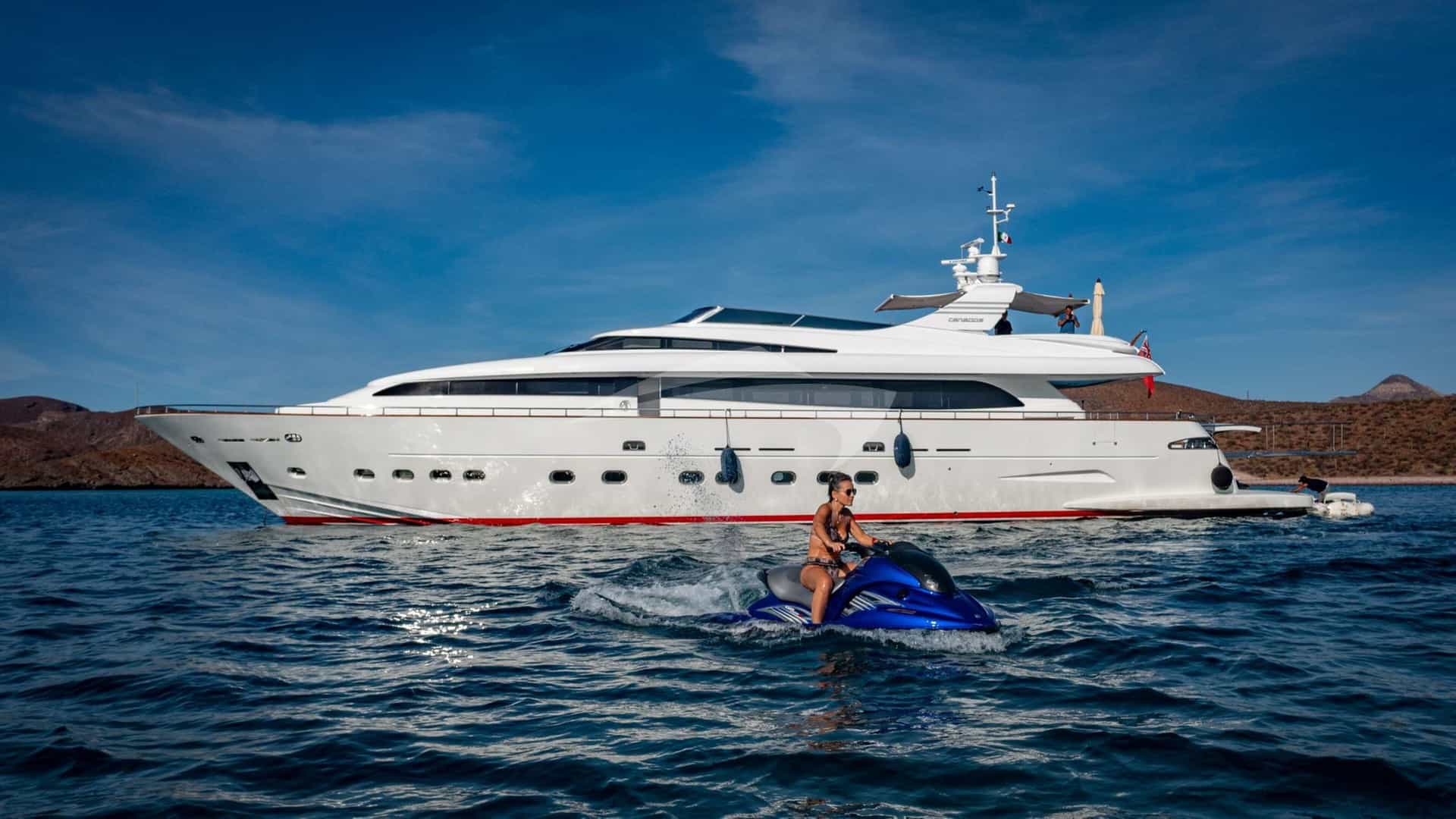
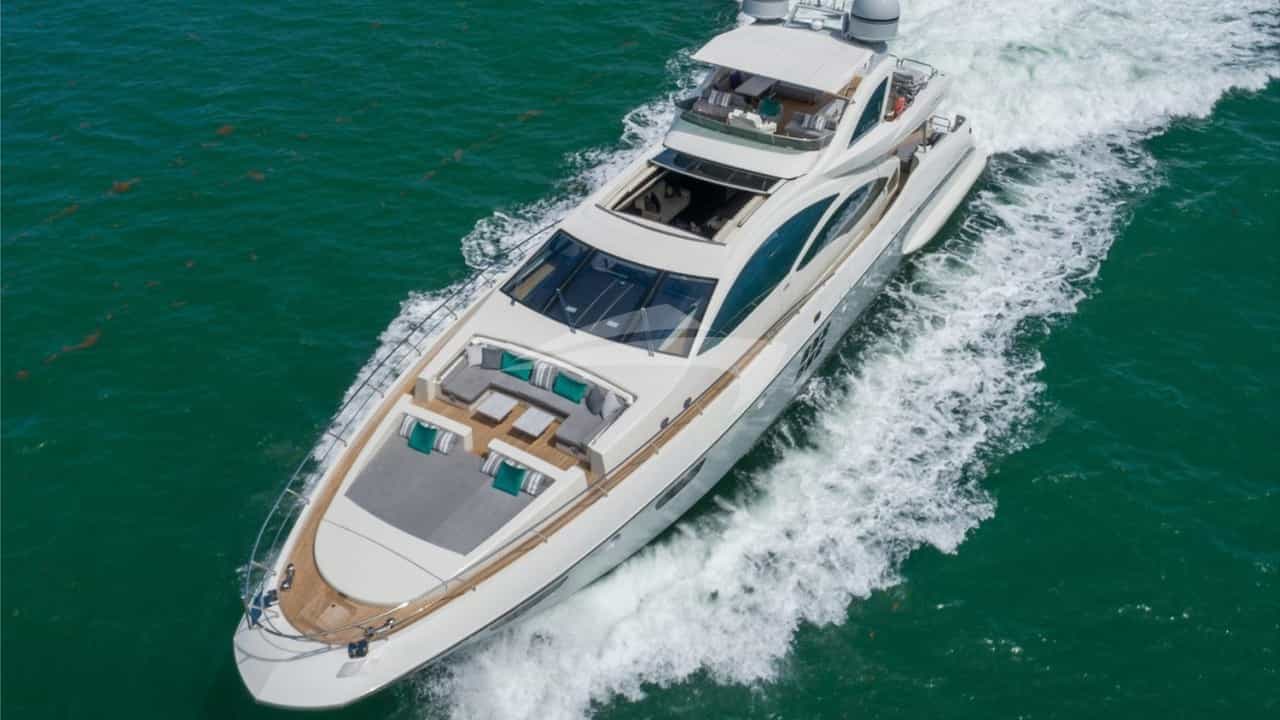
- Motor Yachts (80-150ft / 24-45m): The most common and versatile. Shallow drafts (under 8ft / 2.5m) are advantageous for accessing closer-in anchorages.
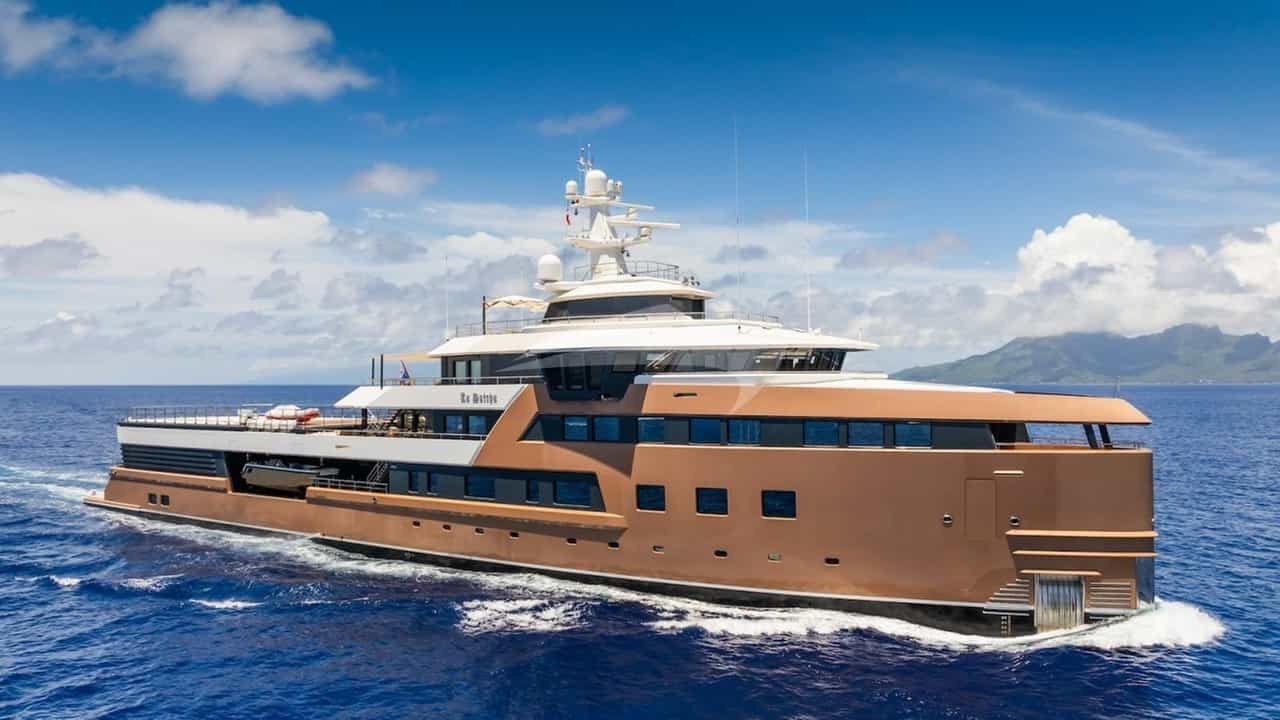
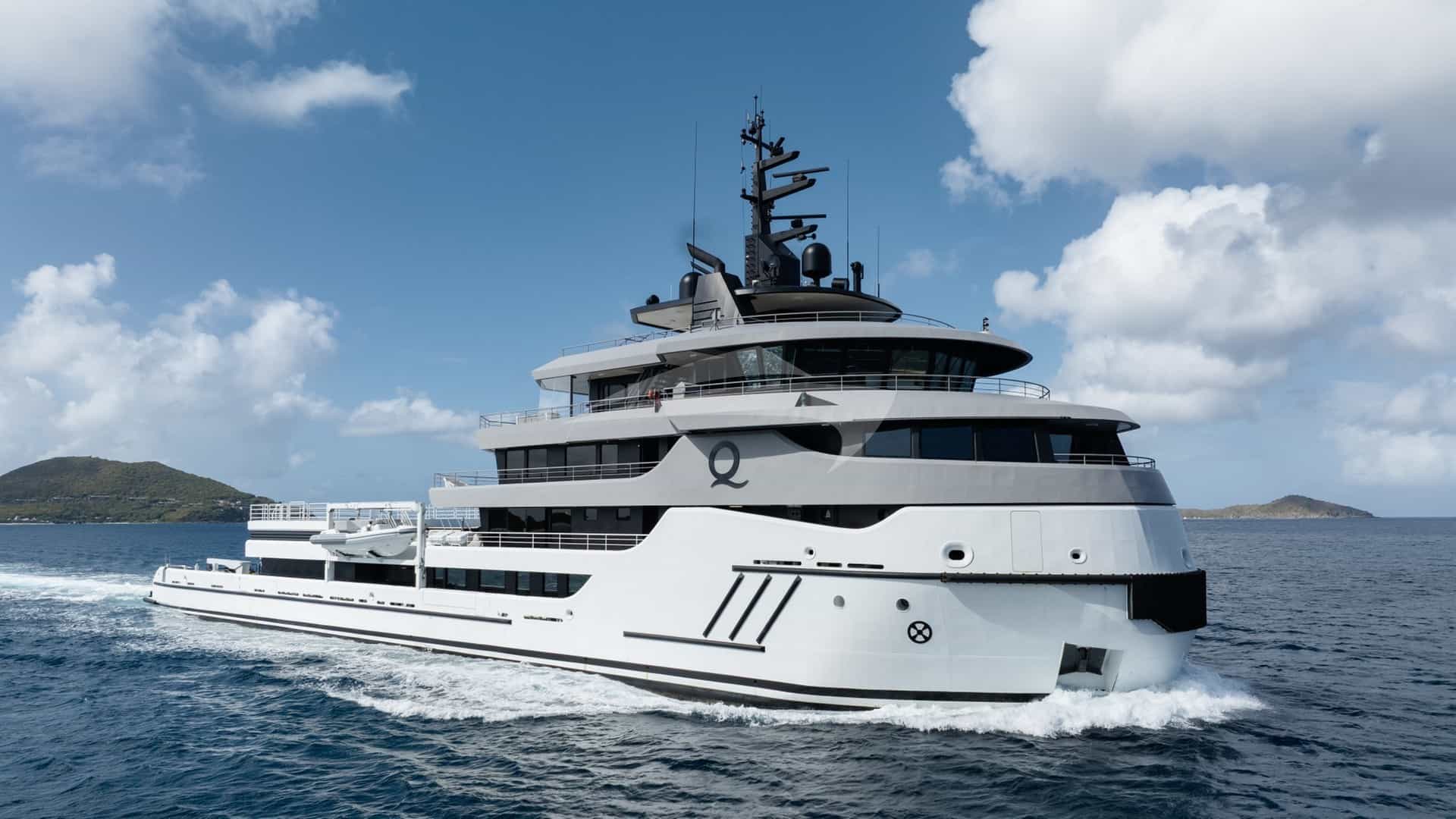
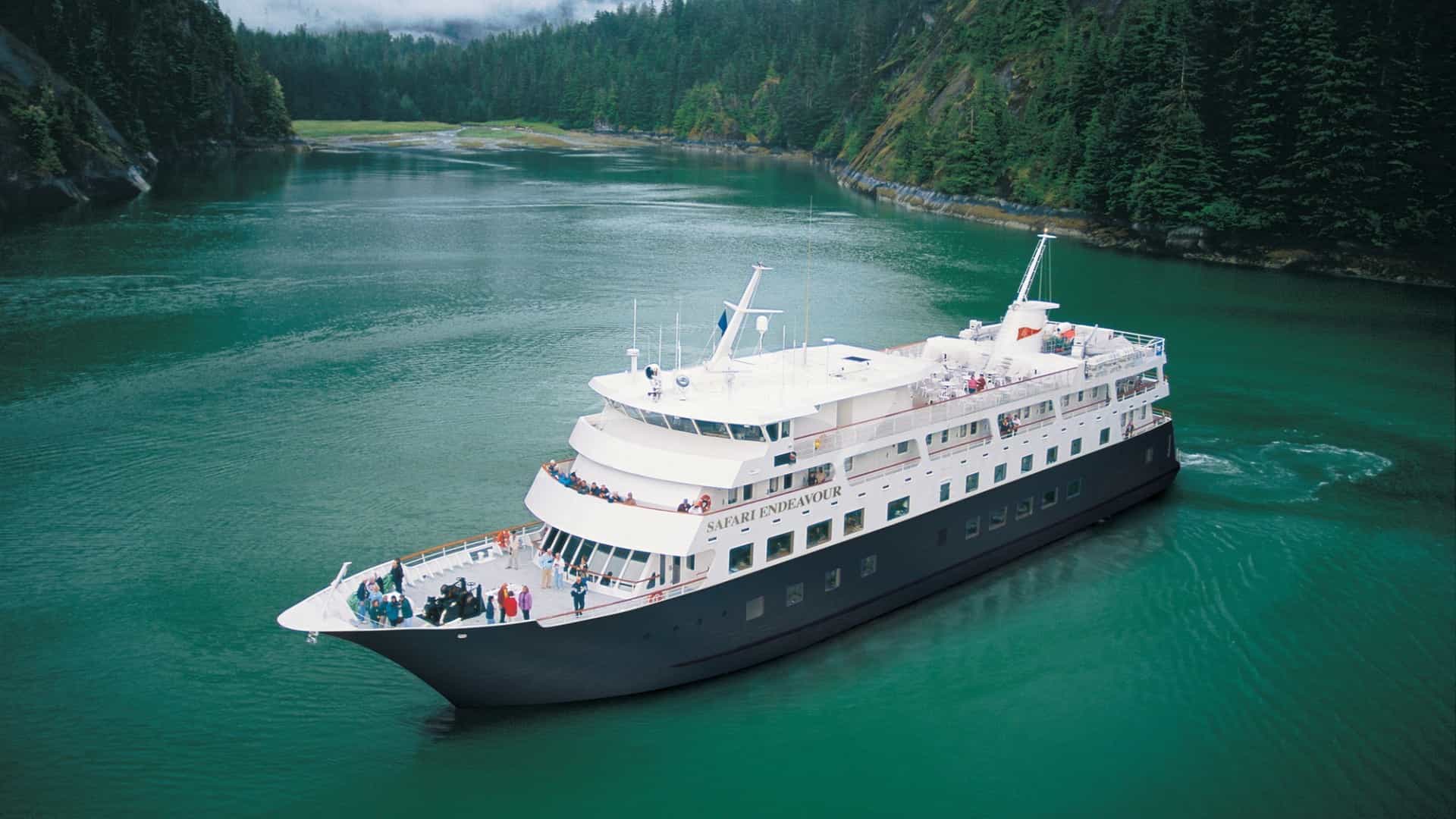
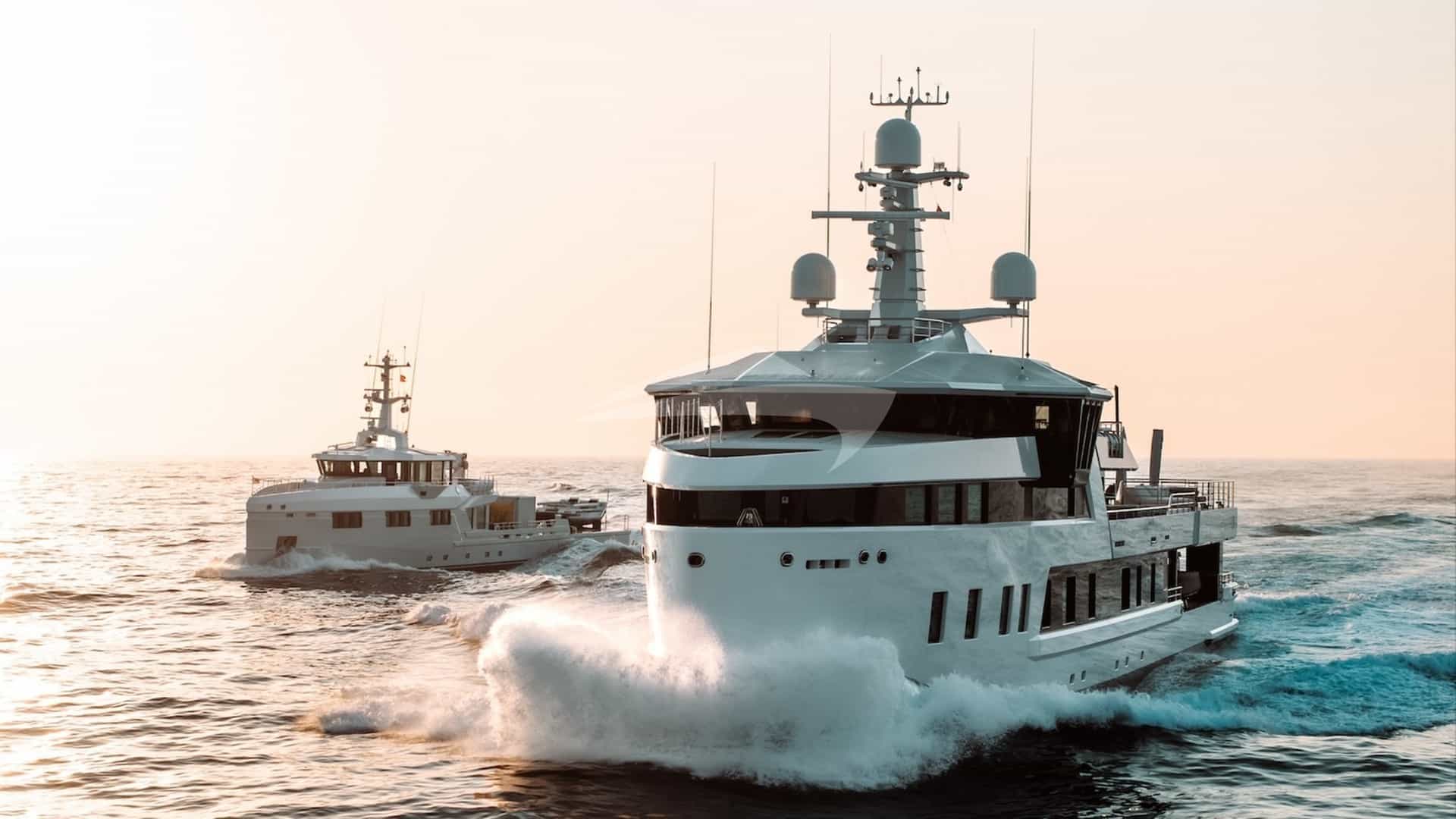
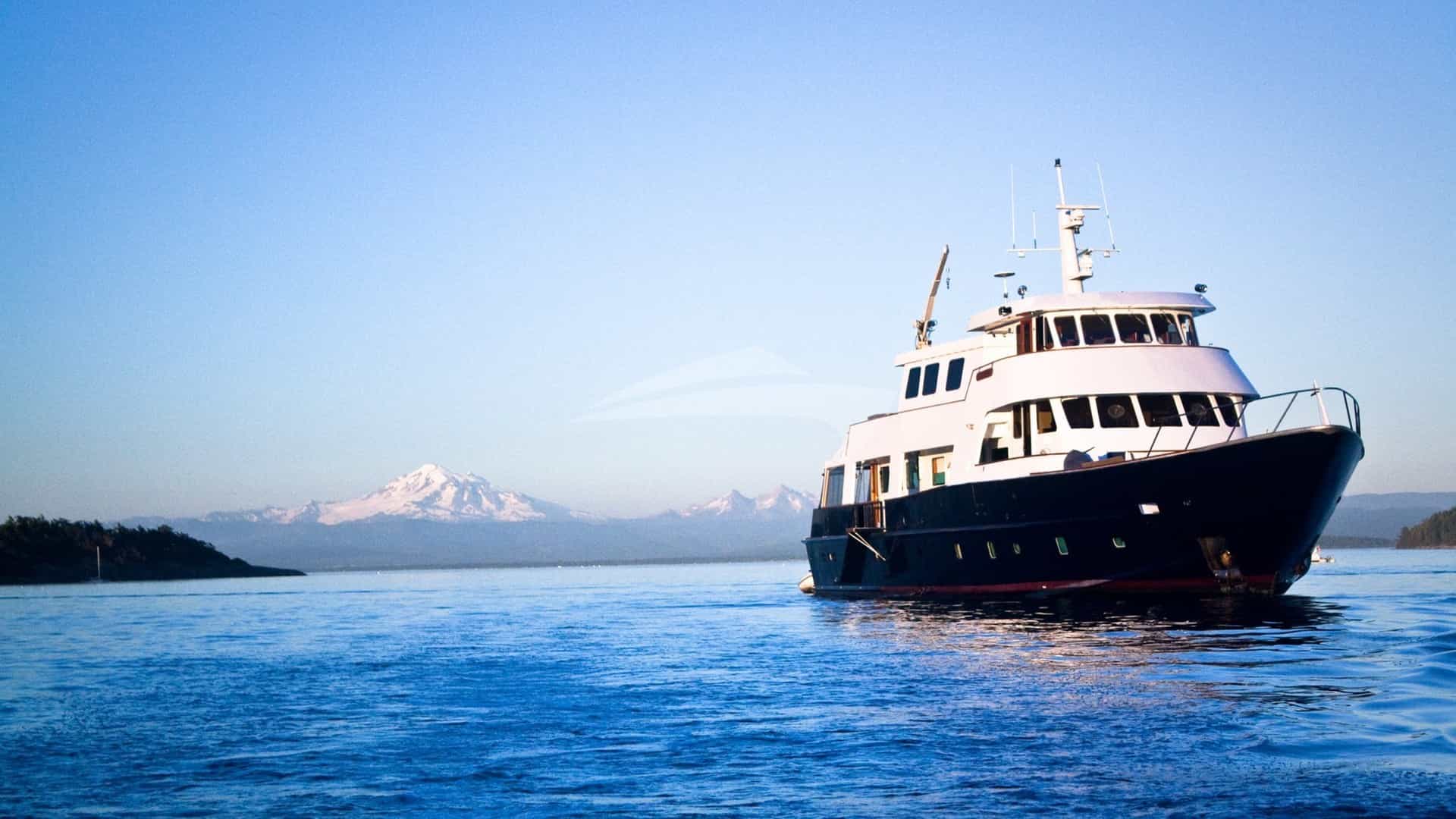
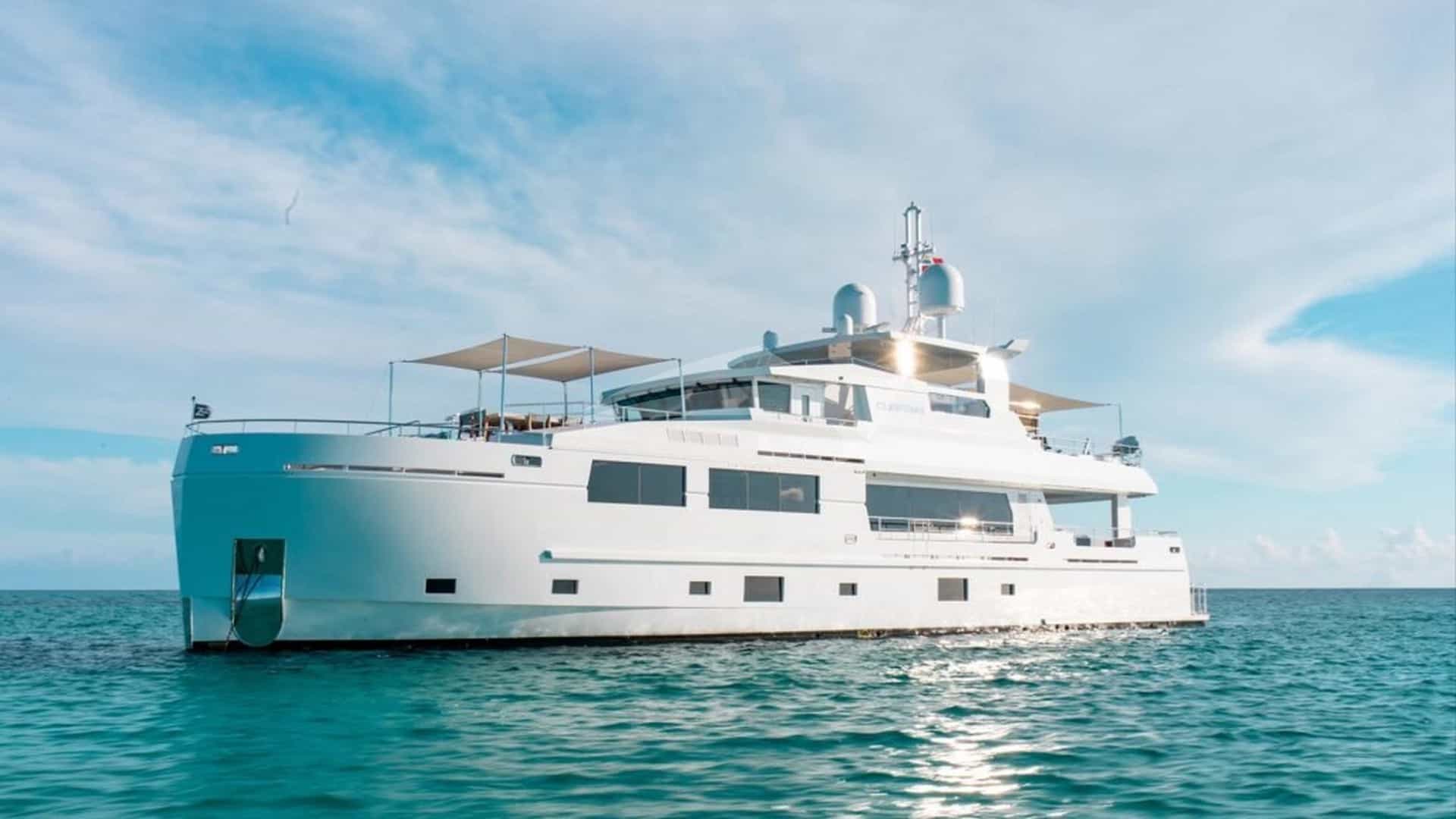
- Expedition Yachts (100-200ft / 30-60m): Ideal for principals prioritizing diving, fishing, and venturing further north to Loreto or beyond. Robust tenders and comprehensive dive setups are key.
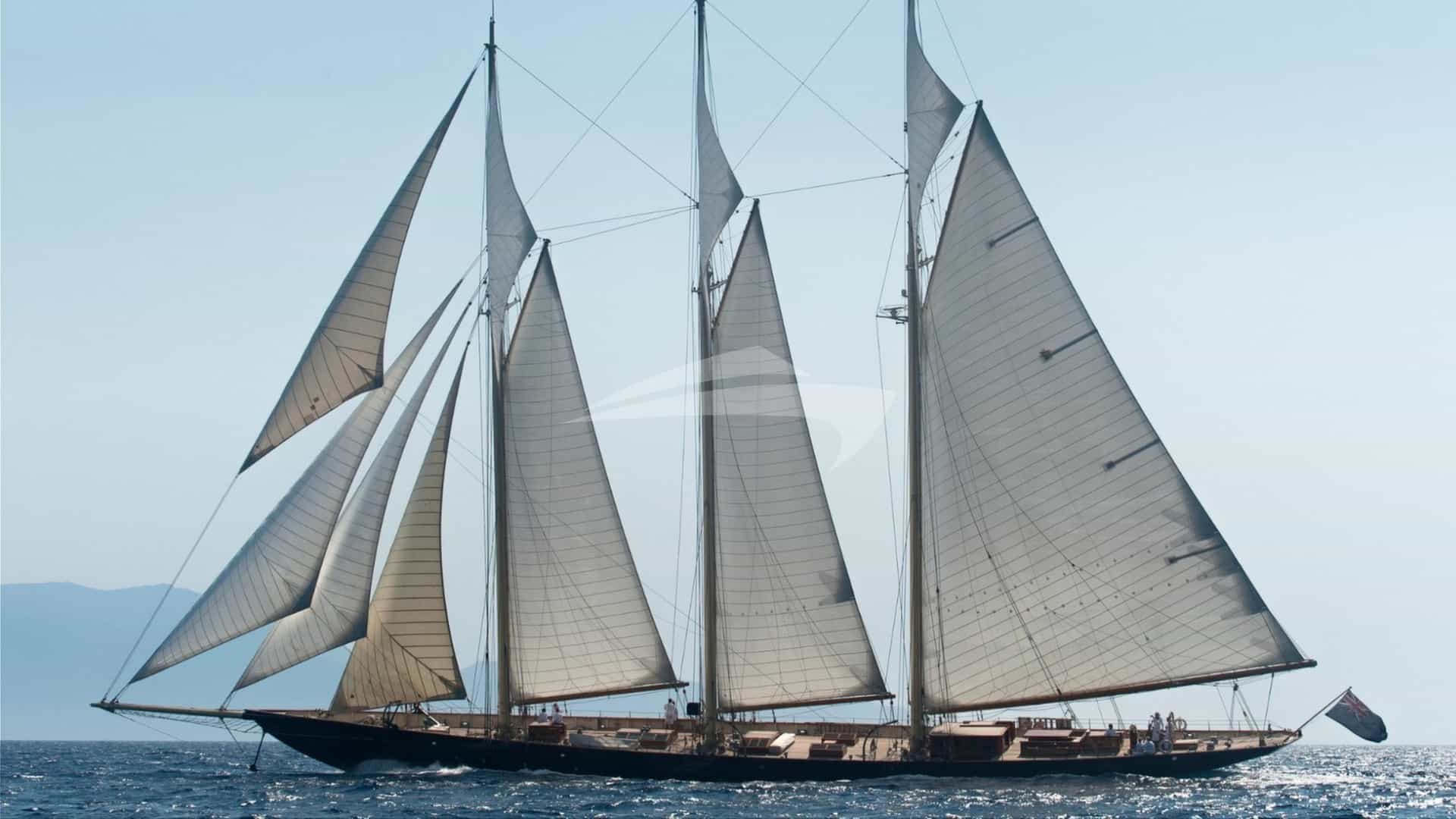
- Sailing Yachts: Less common due to prevailing light winds, but viable for principals seeking a tranquil experience. Motor-sailing capability is essential.
- Sportfishers: A significant segment, particularly out of Cabo San Lucas, targeting marlin, dorado, and tuna. These are often owner-operated or exclusively for fishing charters.
Key operational considerations:
- Tender capacity and capability: Essential for island exploration, beach landings, and transfers.
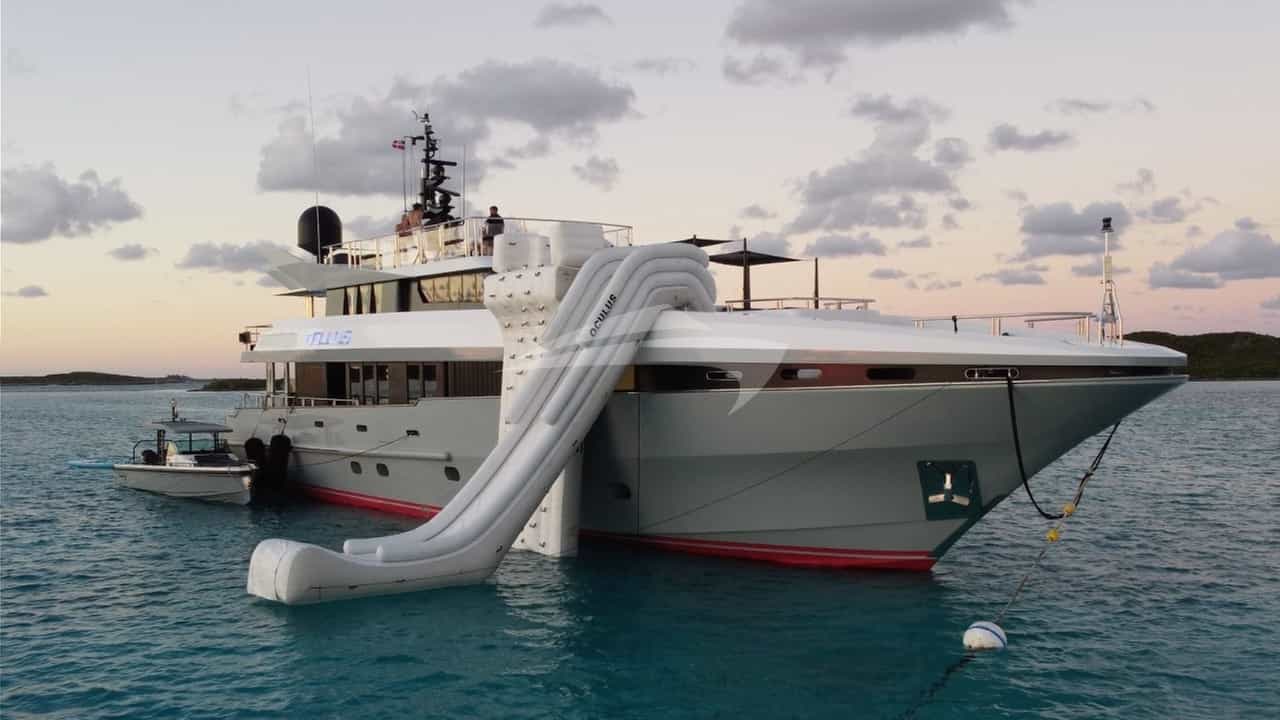
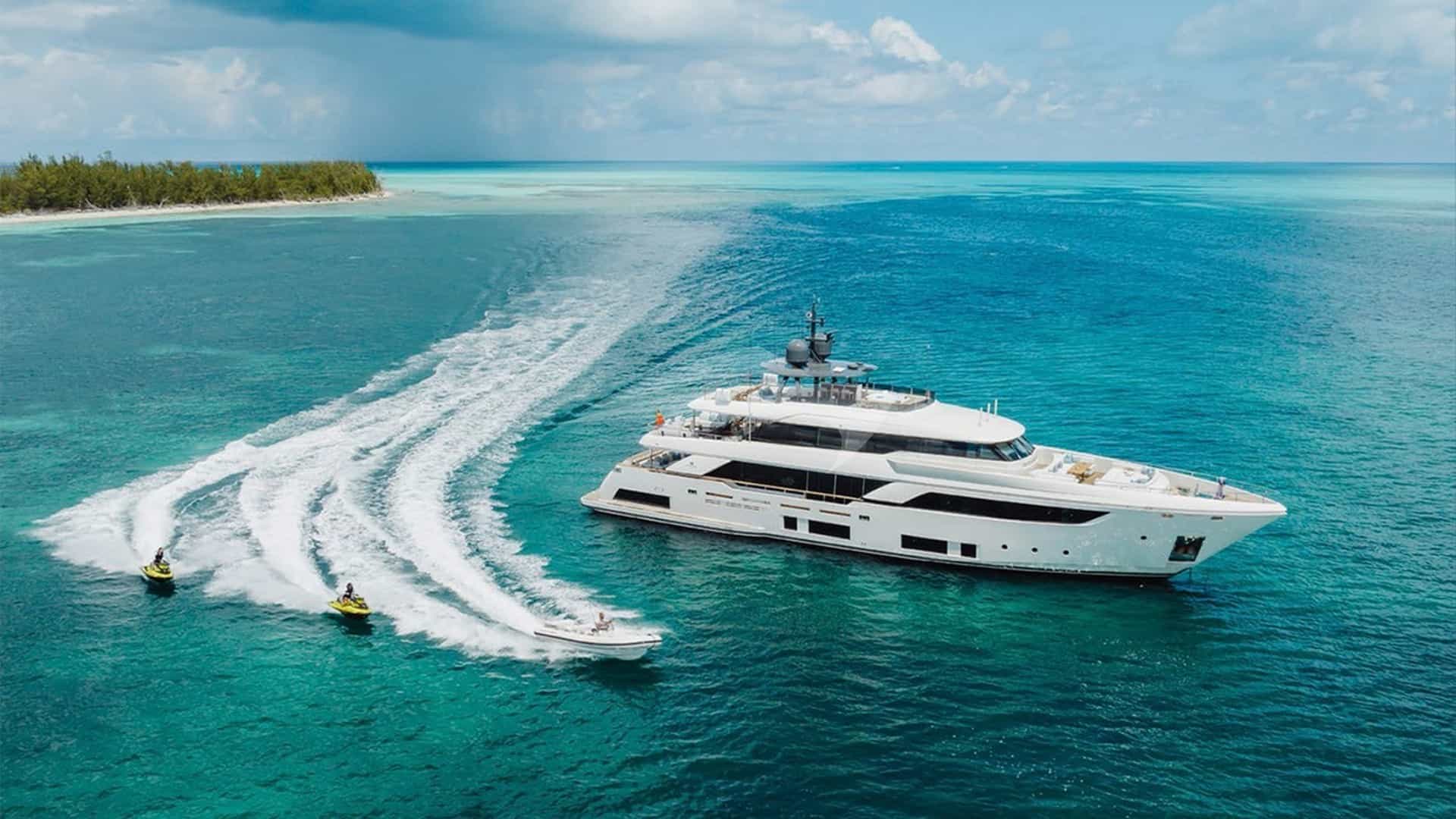
- Water toys: Full complement (jet skis, Seabobs, paddleboards, kayaks) is standard expectation. Due to protected areas, certain activities (e.g., jet skis in Espiritu Santo) may have restrictions or require specific permits.
- Fuel: Readily available in La Paz and Cabo San Lucas. More limited and expensive further north. Fuel bunkering should be planned in advance.
Weather and Timing
The ideal charter season is October through May.
- October-November: Post-hurricane season, water temperatures are warm (80-82°F / 27-28°C), excellent visibility for diving. Whale sharks begin to arrive around La Paz.
- December-February: Cooler air temperatures (65-75°F / 18-24°C), water temperatures drop (68-72°F / 20-22°C). Humpback whales are present, particularly around Cabo.
- March-May: Air and water temperatures rise. Excellent conditions for all activities. Whale sharks are still present in good numbers.
Hurricane Season: June through September. This period carries significant risk. While direct hits are not frequent, tropical storms can cause significant swells and closures. Charters are not advised during peak hurricane season.
Winds: Generally light to moderate. Northwesterlies are common in winter, southeasterlies in summer. The Sea of Cortez is largely sheltered, but open crossings (e.g., across the channel from La Paz to Espiritu Santo) can experience chop.
Visibility: Typically 50-100ft (15-30m) in the islands, occasionally less in stirred-up areas.
Pricing and APA
Yacht Charter Rates (2026 Estimates):
- 80-100ft Motor Yacht: $45,000 - $75,000 USD per week.
- 100-150ft Motor Yacht: $75,000 - $150,000 USD per week.
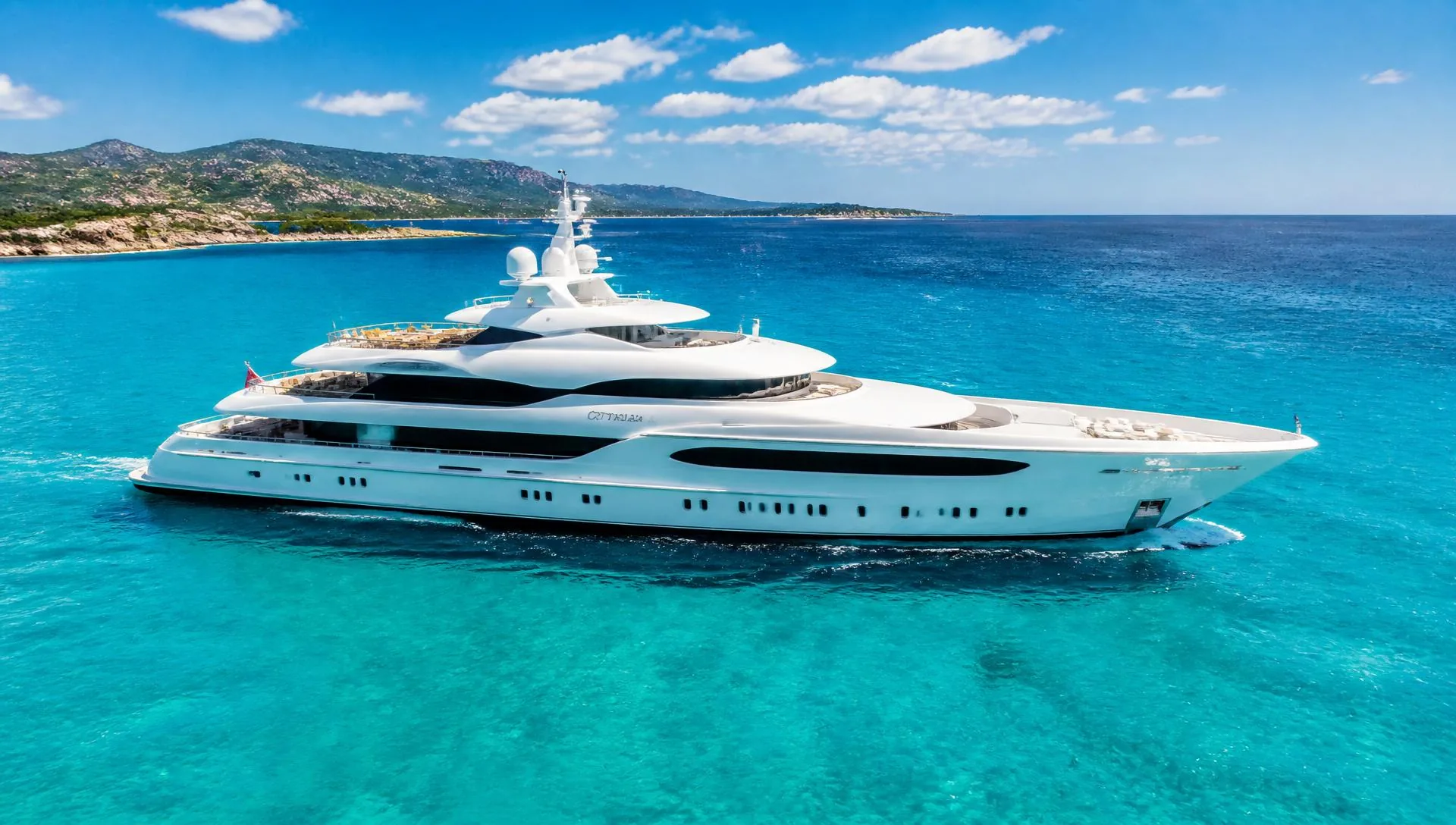
- 150-200ft+ Motor Yacht / Expedition Yacht: $150,000 - $300,000+ USD per week.
Advance Provisioning Allowance (APA): Standard 30-35% of the charter fee. This covers fuel, food, beverages, dockage, communications, and other operating expenses. Mexico's VAT (IVA) of 16% applies to services and goods purchased within the country, including those covered by APA. This should be factored into the APA calculation. Some yachts may quote ex-VAT charter fees, adding 16% to the base rate if the charter contract is signed in Mexico. Clarify this upfront.
Additional Costs:
- Relocation Fees: If the yacht is based elsewhere (e.g., Banderas Bay / Puerto Vallarta) and needs to reposition to the Sea of Cortez, expect significant delivery fees ($15,000 - $50,000+ depending on yacht size and distance).
- Marine Park Fees: Small, per-person daily fees ($5-10 USD) for entering protected areas like Espiritu Santo.
- Fishing Licenses: Approximately $30-50 USD per person per week.
- Ground Transportation: $200-400 USD for private transfers between SJD and La Paz.
- Crew Gratuity: Customary 15-20% of the charter fee.
Operational Notes / What to Know
- Currency: Mexican Peso (MXN) is the local currency, but USD is widely accepted in tourist areas and for yachting transactions. Most major credit cards are accepted. Confirm exchange rates and prefer USD for large transactions.
- Provisioning: Excellent provisioning options in La Paz and Cabo San Lucas, including high-end imported goods. Remote areas require full self-sufficiency. Plan for higher costs for specific imported gourmet items.
- Communications: Cell service is generally reliable around La Paz and Cabo, but spotty to non-existent in remote island anchorages. Starlink or robust VSAT systems are essential for continuous connectivity.
- Medical: High-quality private medical facilities are available in La Paz and Cabo San Lucas. Remote locations necessitate robust first aid capabilities and emergency evacuation plans.
- Security: Generally very safe in tourist-focused areas. Standard yacht security protocols apply.
- Banderas Bay (Puerto Vallarta / Punta Mita) as an Alternative: For principals seeking a more resort-centric, less remote experience with different cruising grounds (e.g., Marietas Islands, Yelapa), Banderas Bay is a well-established alternative on Mexico's Pacific coast. It offers a similar level of luxury yacht infrastructure, but the natural environment is distinct from the desert-meets-ocean landscape of the Sea of Cortez. Charters are viable year-round, with peak season mirroring the Sea of Cortez (Nov-May). Relocation between the two areas is a significant undertaking.
- Marine Life Interaction: Strict regulations govern interactions with marine life, particularly whale sharks and sea lions. Always employ certified guides and adhere to distance, time, and no-touch rules. This is non-negotiable.
- Environmental Sensitivity: The Sea of Cortez is a fragile ecosystem. Adherence to "leave no trace" principles, responsible waste management, and sustainable practices are paramount. This should be a clear directive to all crew and guests.