The Šibenik Charter: A Strategic Play for the True Adriatic
While the charter market defaults to Split for access to Hvar and Dubrovnik for its walled-city allure, the discerning principal—particularly one on a second or third visit to Croatia—understands the strategic value of Šibenik. This isn't a secondary port; it is the gateway to the two most compelling natural assets in the Adriatic: the Krka River's navigable estuary and the stark, elemental beauty of the Kornati archipelago. For clients seeking authenticity over spectacle and seclusion over social density, a Šibenik-based itinerary is the superior operational choice.
The operational calculus starts with access. Principals can arrive via Split (SPU) or Zadar (ZAD), with both airports roughly a 45-60 minute chauffeured transfer from the primary embarkation point. For seamlessness, helicopter transfers directly to the vicinity of the marina are easily arranged and recommended, cutting transit to under 20 minutes and bypassing summer coastal traffic.
Base of Operations: Marinas and Provisioning
D-Marin Mandalina is the only logical base for superyachts in the region. Situated in Šibenik Bay, it is one of the few marinas in Croatia designed from the ground up for large yachts, offering secure berths for vessels up to 140m LOA and boasting full ISPS compliance. Its infrastructure is modern, the staff professional, and its position provides a protected, low-wake environment for turnover and final provisioning. This is where you stock the vessel. While local markets offer rustic charm, for the specific demands of a UHNW charter (particular Champagne vintages, specific dietary items), provisioning must be completed here through a trusted agent. Expect to source exceptional local assets: Paski Sir (Pag Island cheese), Drniš prosciutto, and world-class olive oils from the Vodice hinterland.
For smaller vessels (<40m) or as a secondary port, D-Marin Marina Tribunj offers a more intimate, village atmosphere. While its facilities are excellent, it lacks the superyacht-specific infrastructure of Mandalina.
The Krka River Passage: A Unique Navigational Experience
The journey up the Krka River to Skradin is a defining feature of a Šibenik charter. After clearing the St. Anthony Channel, marked by the 16th-century St. Nicholas Fortress, the yacht enters the calm, brackish waters of the river estuary.
- Navigational Realities: The channel is well-marked and deep enough for yachts up to approximately 50m LOA to navigate directly to the town of Skradin. A local pilot is advisable and often mandatory for larger vessels unfamiliar with the route. For yachts exceeding this size, the standard procedure is to anchor in the wider part of the Prokljan Lake just before Skradin and tender the remaining distance.
- Mooring in Skradin: The ACI Marina Skradin is the destination. It is picturesque, small, and has a very limited number of berths capable of handling yachts over 25m. Booking months in advance is not a suggestion; it is a requirement. The reward is mooring in one of the most charming freshwater anchorages in Europe.
- The Objective: Skradinski Buk: From Skradin, the yacht’s tenders transport guests the short distance upriver to the entrance of Krka National Park. Skradinski Buk waterfall is a series of 17 cascades over travertine barriers. While swimming is no longer permitted directly under the main falls, designated swimming areas exist elsewhere in the park.
- Dining Ashore: While the galley is always an option, the Skradin area offers notable culinary experiences. For an authentic "peka" (meat or octopus slow-cooked under embers), a pre-booked car can take guests to Konoba Vinko in Konjevrate—a 20-minute drive, but an essential gastronomic pilgrimage. In Skradin itself, Zlatne Školjke offers a more refined waterfront dining experience.
The Kornati Archipelago: Navigating a Lunar Seascape
South of Šibenik lies the Kornati National Park, an archipelago of 89 islands, islets, and reefs that offers a stark contrast to Krka's verdant landscape. This is a yachtsman’s paradise, defined by minimalist beauty, crystalline water, and profound silence.
- Permits and Fees: Entry into the park requires a permit. This is best arranged in advance by your local agent, as purchasing on-site from park ranger boats is significantly more expensive. The fee is based on LOA and duration. For a typical week-long charter, a multi-day pass is the most efficient option. This is a line item that should be anticipated in the APA.
- Key Anchorages and Objectives:
- Uvala Opat, Kornat Island: Located at the southeastern tip of the largest island, Opat is a deep, perfectly sheltered bay. It is home to Konoba Opat, a high-quality restaurant with its own mooring buoys and a small jetty. Securing a spot here for an overnight stay combined with dinner is a classic Kornati experience. Book well in advance.
- Levrnaka Island & Lojena Beach: This bay hosts Lojena, one of the few sandy (fine pebble) beaches in the archipelago. It’s an ideal daytime anchorage for swimming and water sports, though it can be popular in July and August. Anchor and enjoy the turquoise water.
- Mana Island: Famous for its dramatic cliffs and the ruins of a film set from 1959, which are often mistaken for ancient structures. It offers a dramatic backdrop for a lunch stop.
- Telašćica Nature Park: Technically adjacent to Kornati, on the southern end of Dugi Otok. Its main features are the vast, protected Telašćica Bay, the saltwater Lake Mir, and the "Stene," towering cliffs on the seaward side. Uvala Mir is the primary anchorage.
- Kornati Dining: The archipelago is dotted with exceptional family-run "konobas." These are not your typical restaurants. They are often the only structure in their respective bays, reliant on generators for power and rainwater collection. The menu is simple: the catch of the day, grilled to perfection, and local vegetables. Reservations are non-negotiable and must be made by phone, often a day in advance. Payment in cash (EUR) is still wise, though some have acquired card terminals. Notable names include Konoba Strižnja on Otok Kornat and Konoba Levrnaka. The experience is about radical simplicity and freshness.
Yacht Selection and Financials (2026 Projections)
The choice of vessel dictates the texture of the charter.
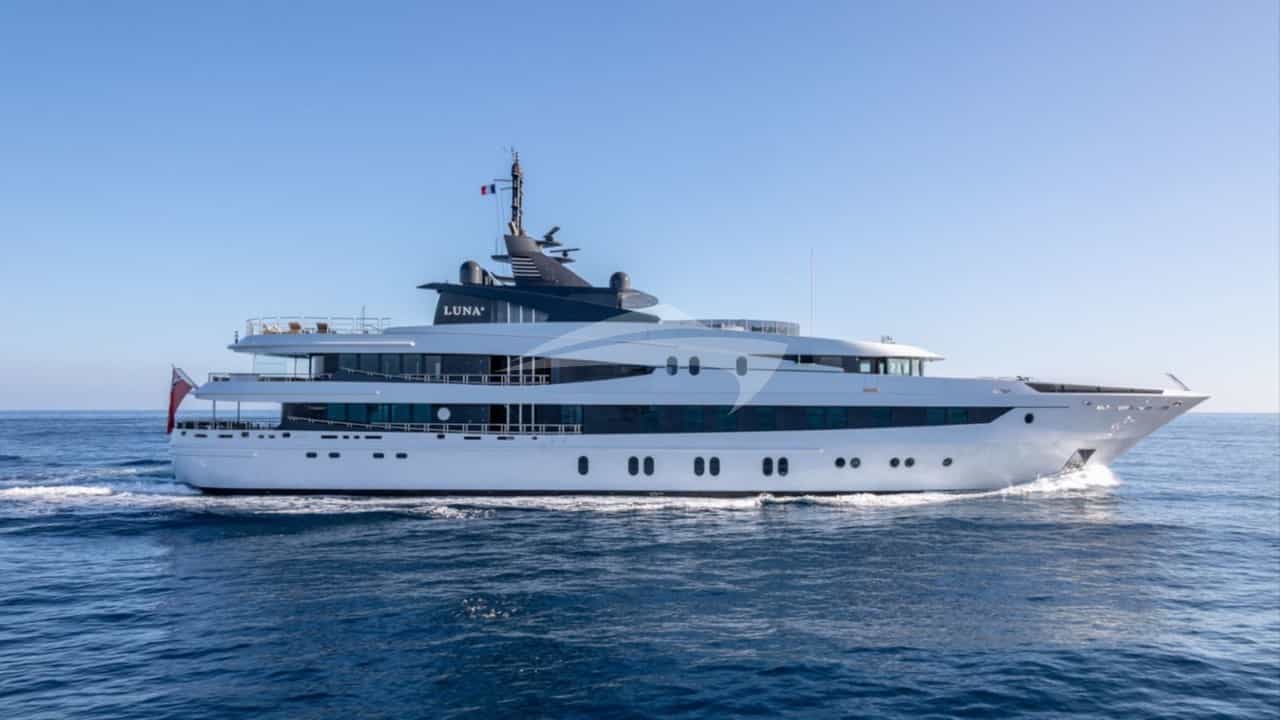
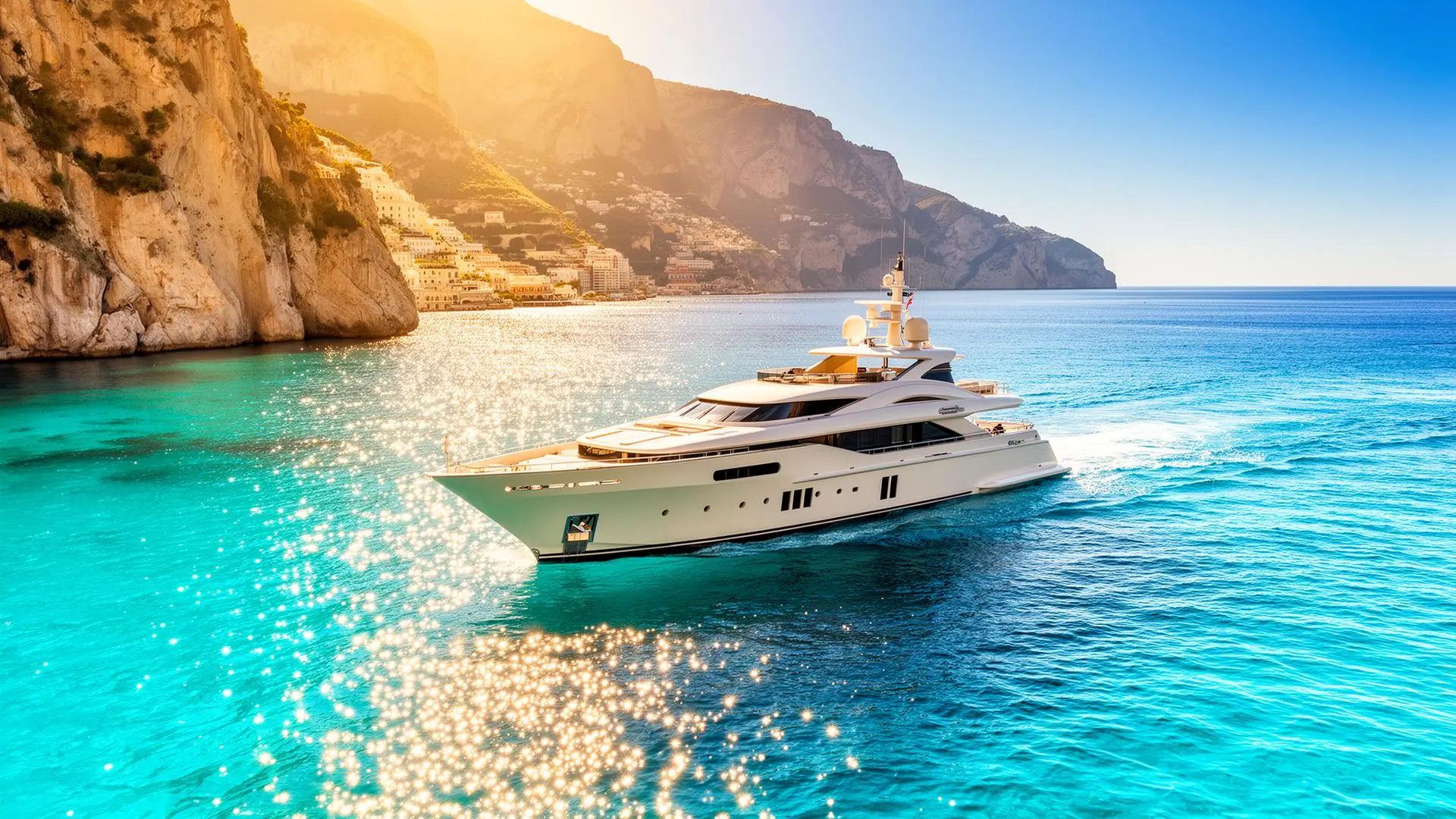
- Motor Yachts (40m-60m): This is the sweet spot. A vessel like a Sanlorenzo SX112 or a Benetti Fast 125 has the speed to make Primošten for lunch and the Kornati for dinner, a shallow enough draft for most key bays, and the volume for ultimate comfort.
- Est. Weekly Rate (High Season): €180,000 - €350,000 + APA
- Sailing Yachts / Catamarans (30m-50m): The Kornati are a sailor's dream, with the reliable afternoon Maestral wind providing perfect conditions. A high-performance sloop like a Nautor's Swan or a large catamaran (e.g., Sunreef 80, Lagoon Seventy 7) offers a more connected, elemental experience without sacrificing luxury.
- Est. Weekly Rate (High Season): €70,000 - €150,000 + APA
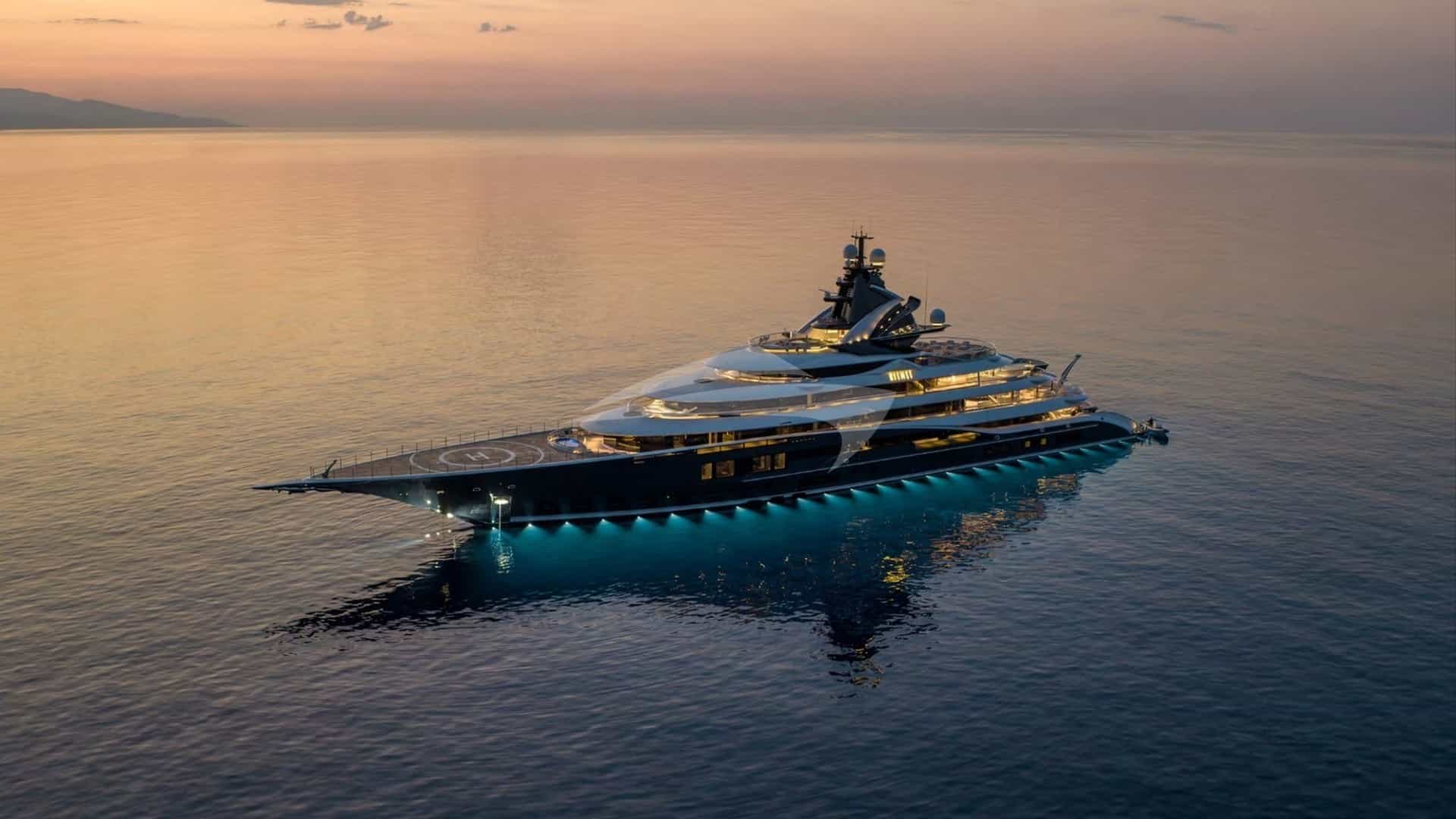
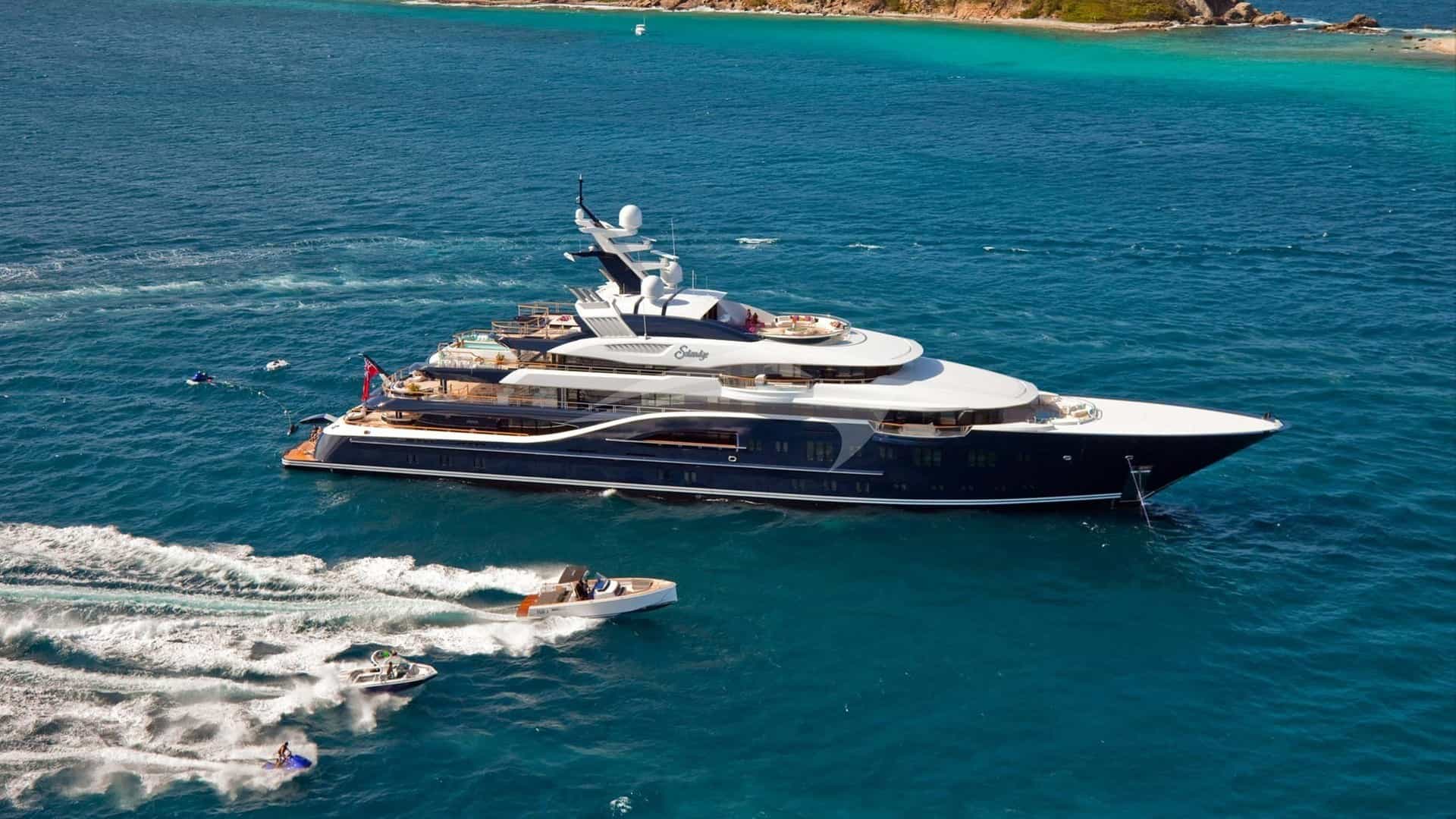
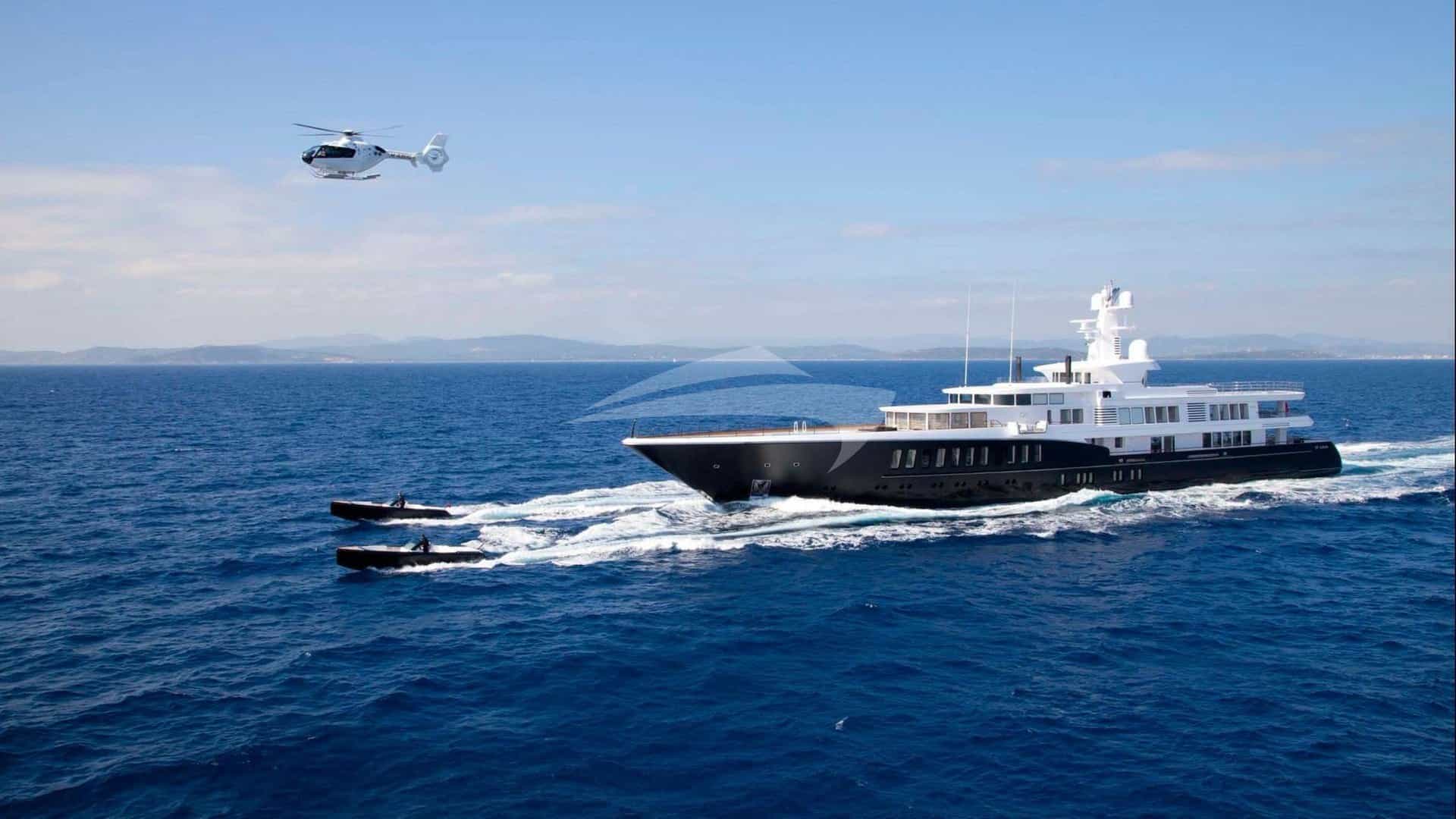
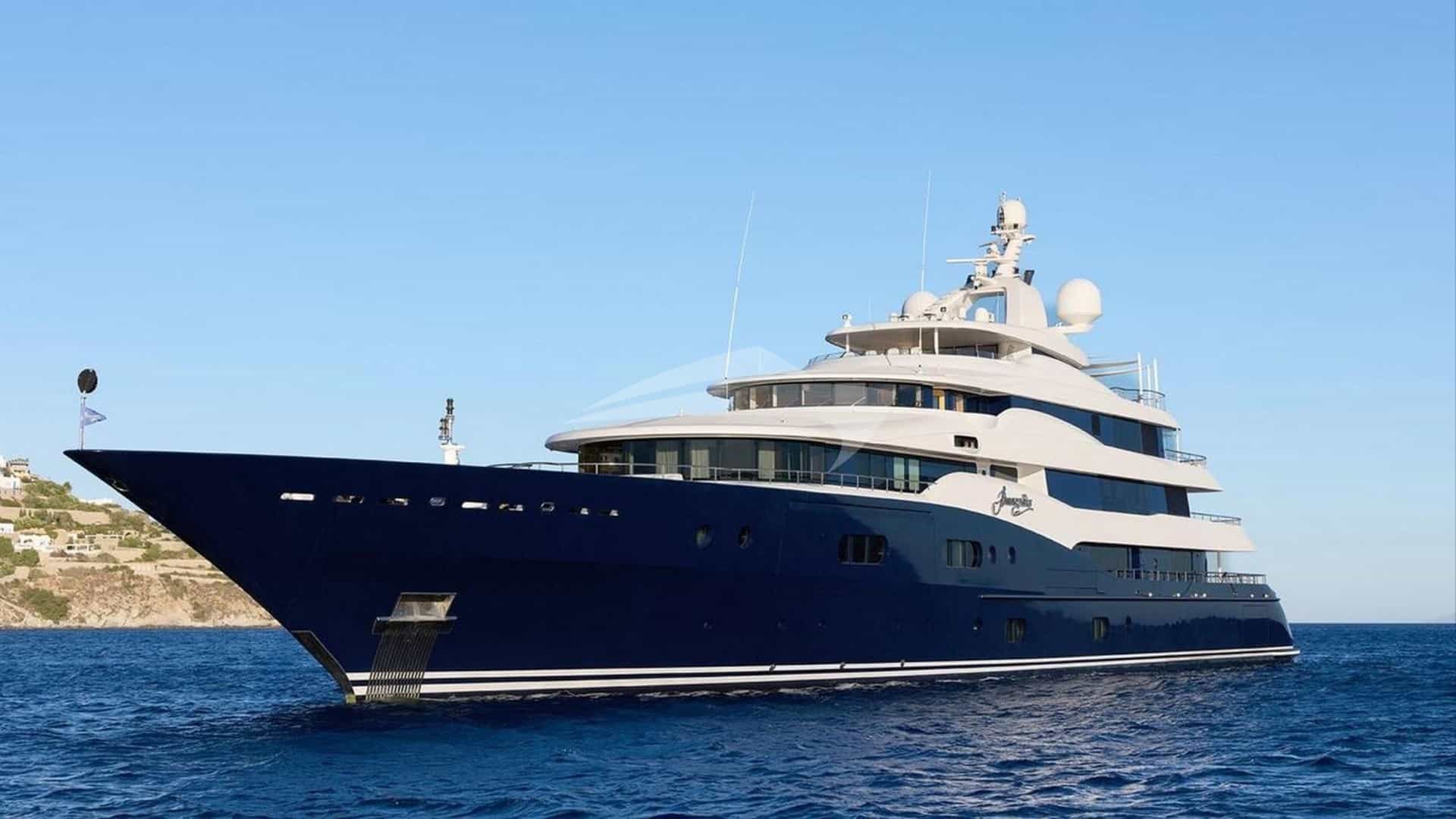
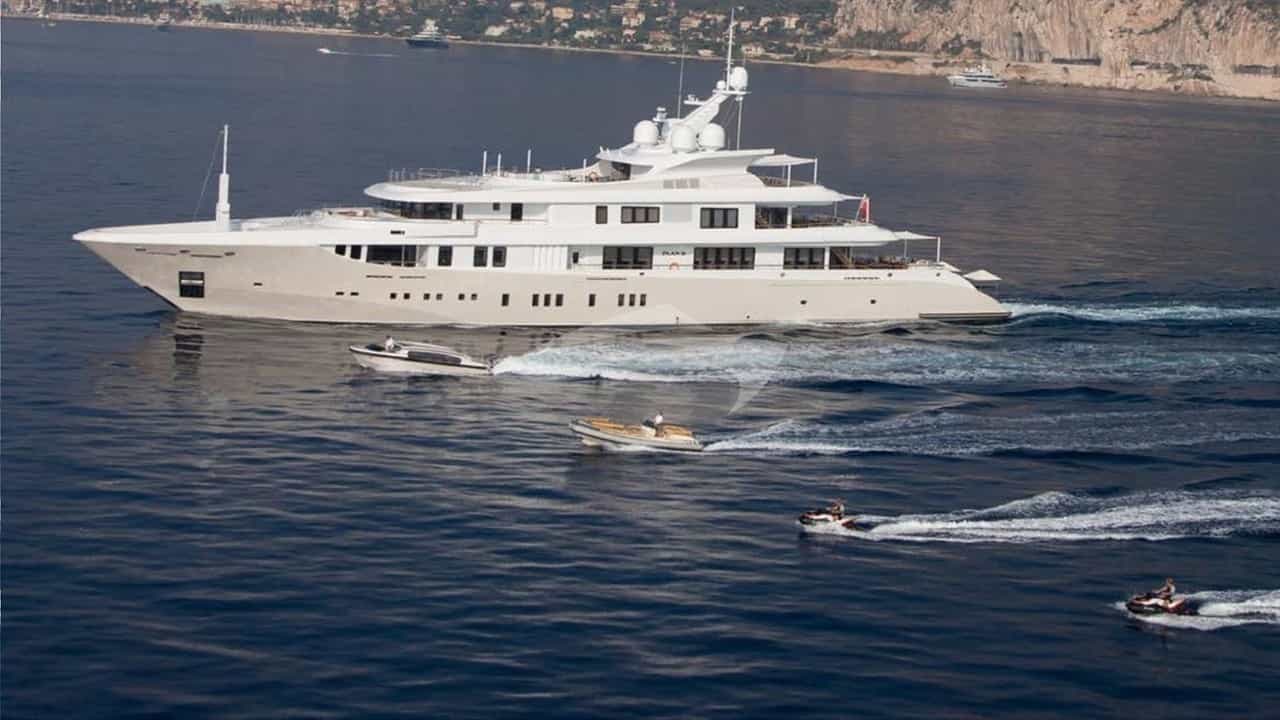
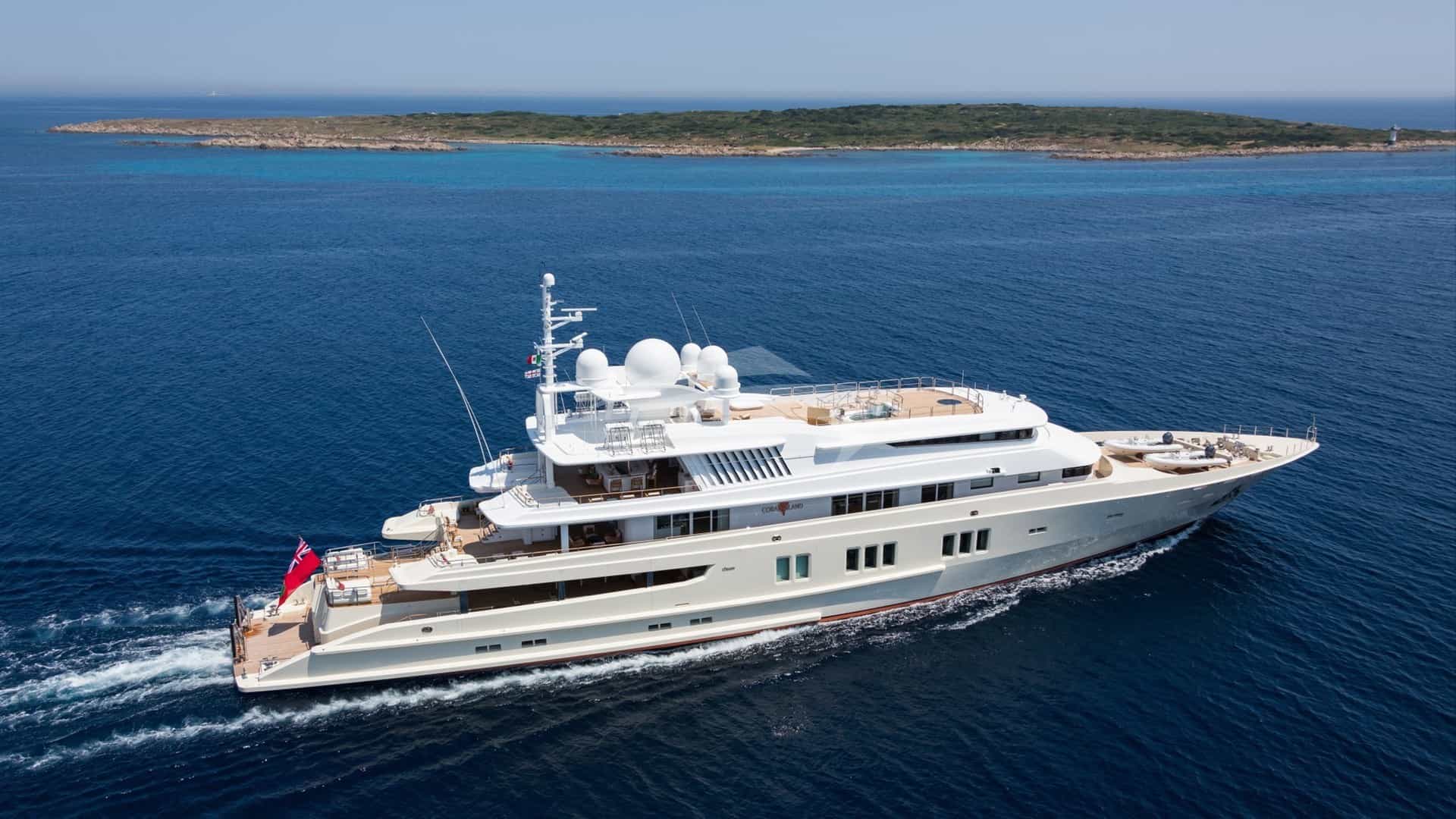
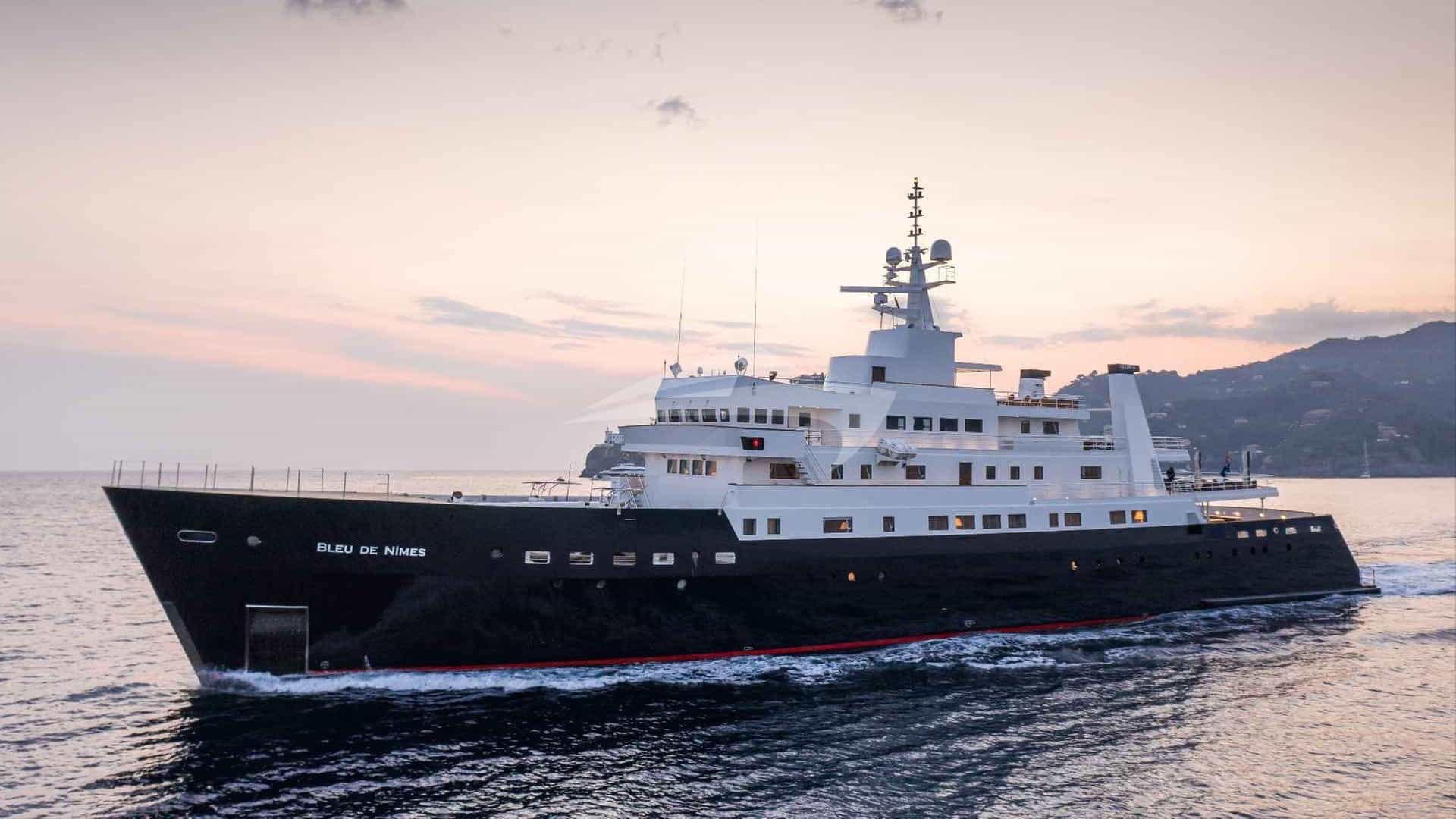
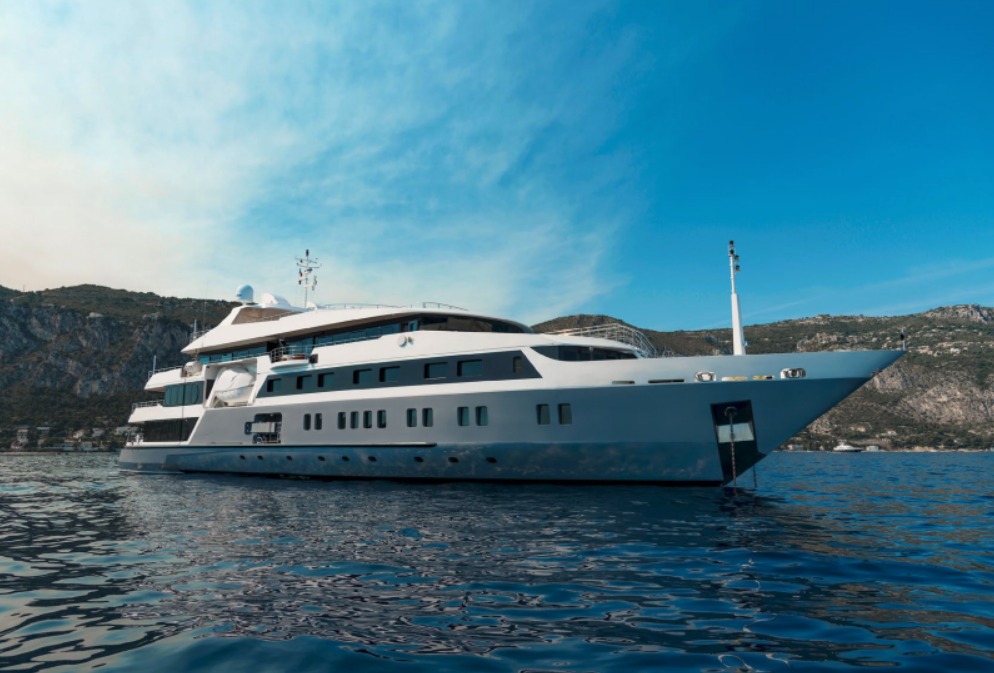
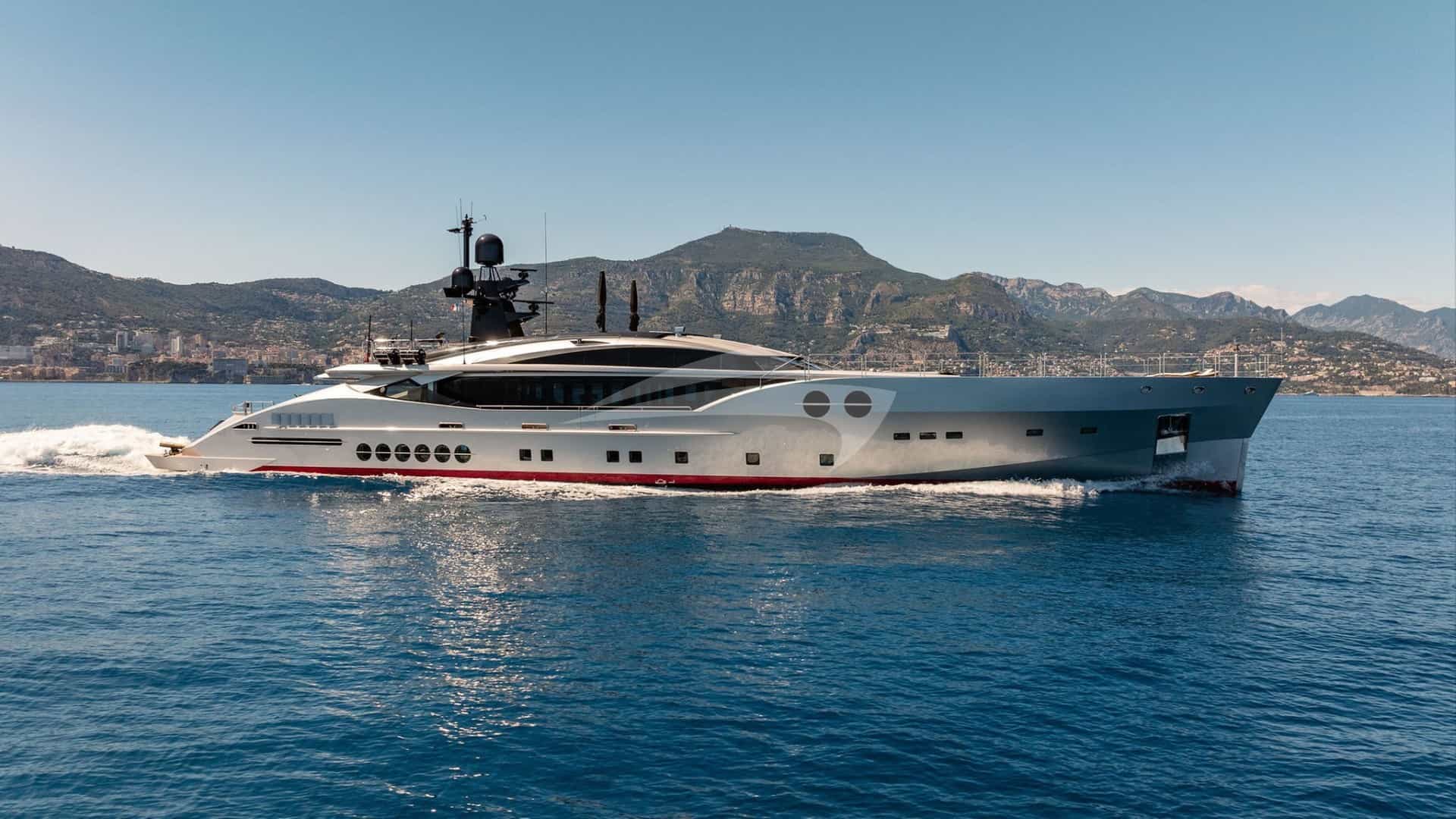
- Superyachts (>60m): Based at D-Marin Mandalina, these vessels act as a private five-star resort. The charter becomes tender-focused, deploying high-speed tenders (e.g., a WallyTender or Fjord 44) to explore Skradin and the shallower Kornati bays while the mothership holds in deeper, more secure anchorages.
- Est. Weekly Rate (High Season): €450,000+ + APA
The APA: For Croatia, a 35% APA is a more realistic figure than the standard 30%. Fuel consumption is significant, but the primary drivers are the high mooring fees in peak season (a single night in Skradin can be several hundred euros), national park permits, and the VAT on charter fees (currently 13%).
Timing the Charter
The operating window is from May through early October.
- June & September: The prime months. Sea temperatures are ideal (22-25°C), winds are stable, and the summer crowds have not yet peaked or have already dissipated. All restaurants and facilities are fully operational.
- July & August: Peak season. Expect higher temperatures, crowded anchorages, and the need to book everything—marina berths, mooring buoys, top-table restaurants—weeks or months in advance. The Maestral can be stronger, which is excellent for sailing but can make for choppy afternoons in open water.
- May & October: Shoulder season. Excellent for principals prioritizing privacy, hiking, and sailing. The water is cooler, and some seasonal konobas may have closed for the season, requiring more careful itinerary planning by the captain and agent.
A Šibenik itinerary is a statement of intent. It eschews the obvious for the exceptional, trading crowded beach clubs for silent, star-filled anchorages and delivering a more profound connection to the raw, natural beauty of the Adriatic. It is the charter for the principal who has already seen the rest.