A Cruising Ground Most Yachts Never Reach
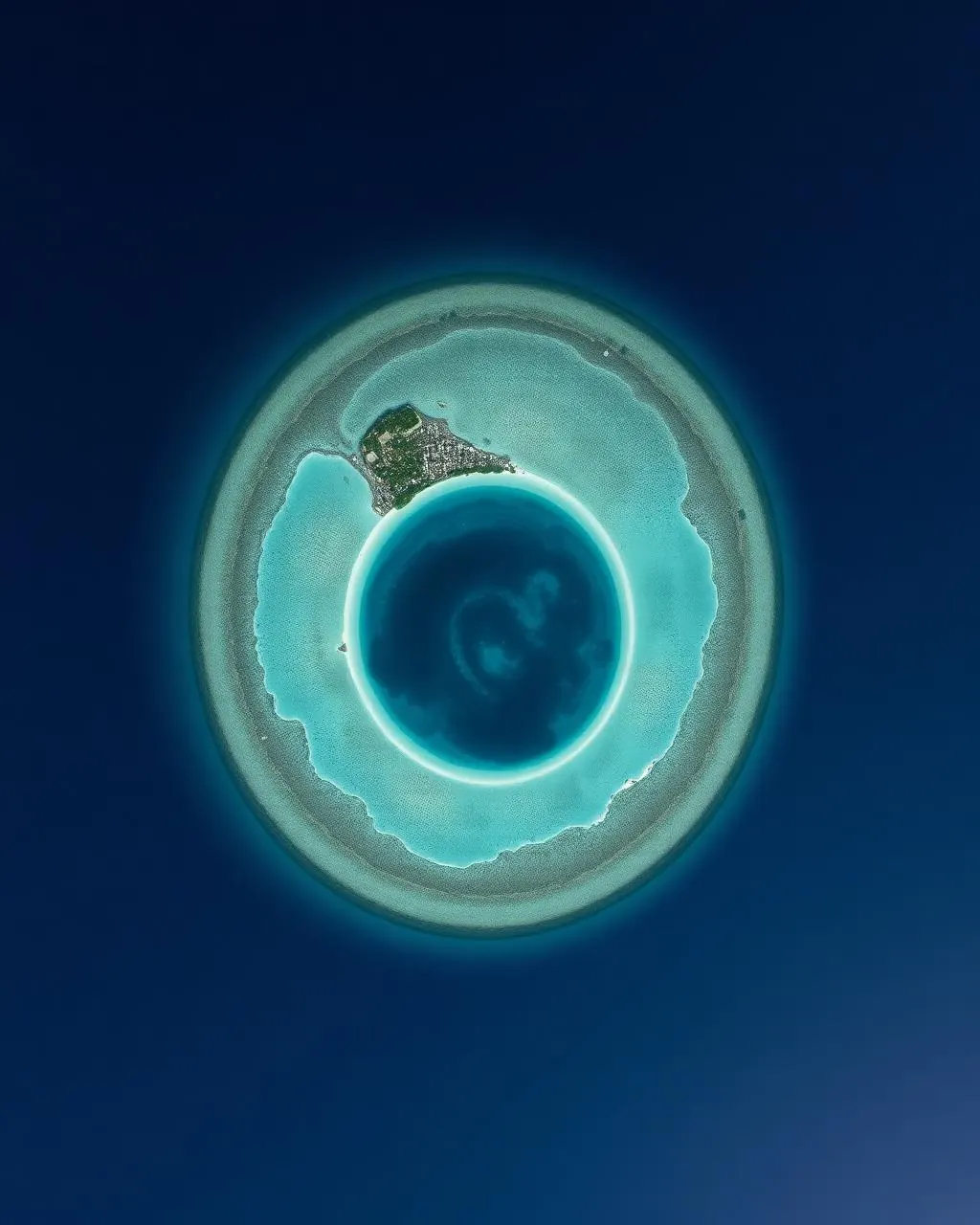
The Maldives are 26 coral atolls strung along 870 kilometres of the central Indian Ocean, southwest of Sri Lanka, with 1,192 individual islands of which roughly 200 are inhabited and 170 are resort islands. The geography is geometrically pure — each atoll is a ring of coral reef enclosing a shallow turquoise lagoon, with passes (kandus) between the atolls deep enough for the open ocean current to flow through them, and the cumulative reef structure is the seventh-largest in the world. The diving is genuinely first-rate — manta rays in the cleaning stations at Hanifaru Bay in Baa Atoll between June and November, whale sharks year-round at South Ari, and the standard mass-aggregation reef ecology that the Maldives are known for.
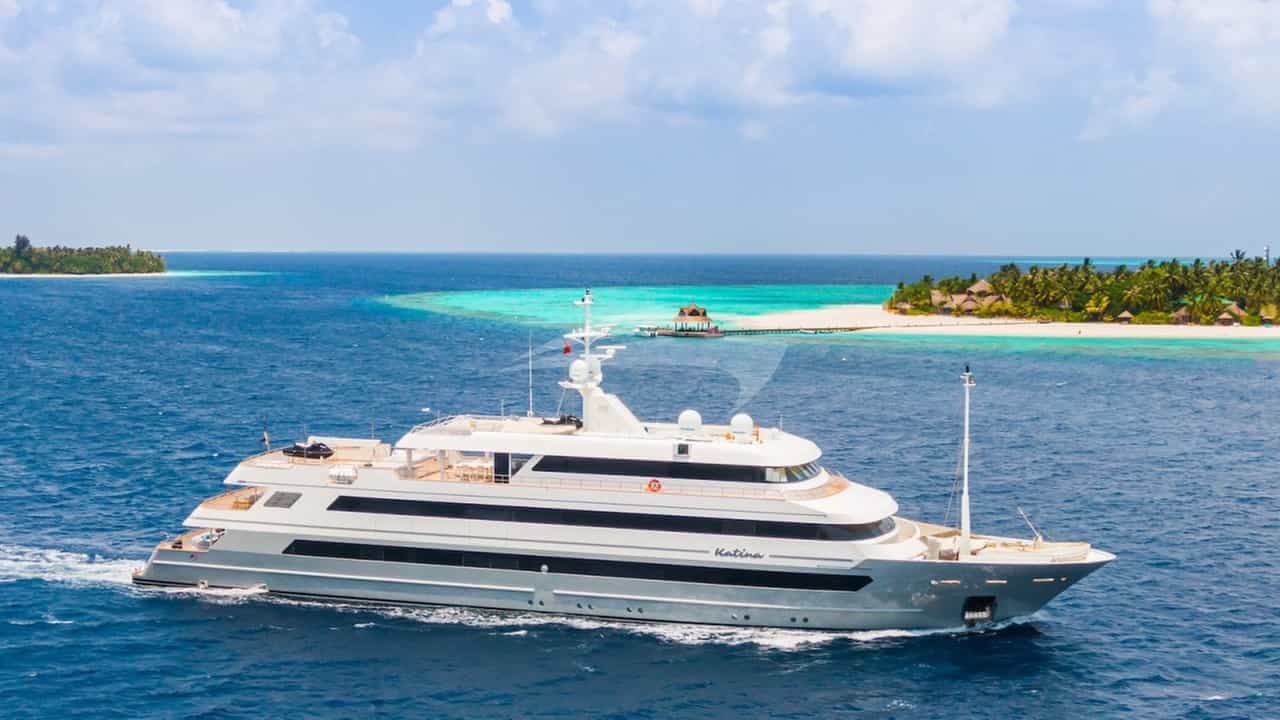
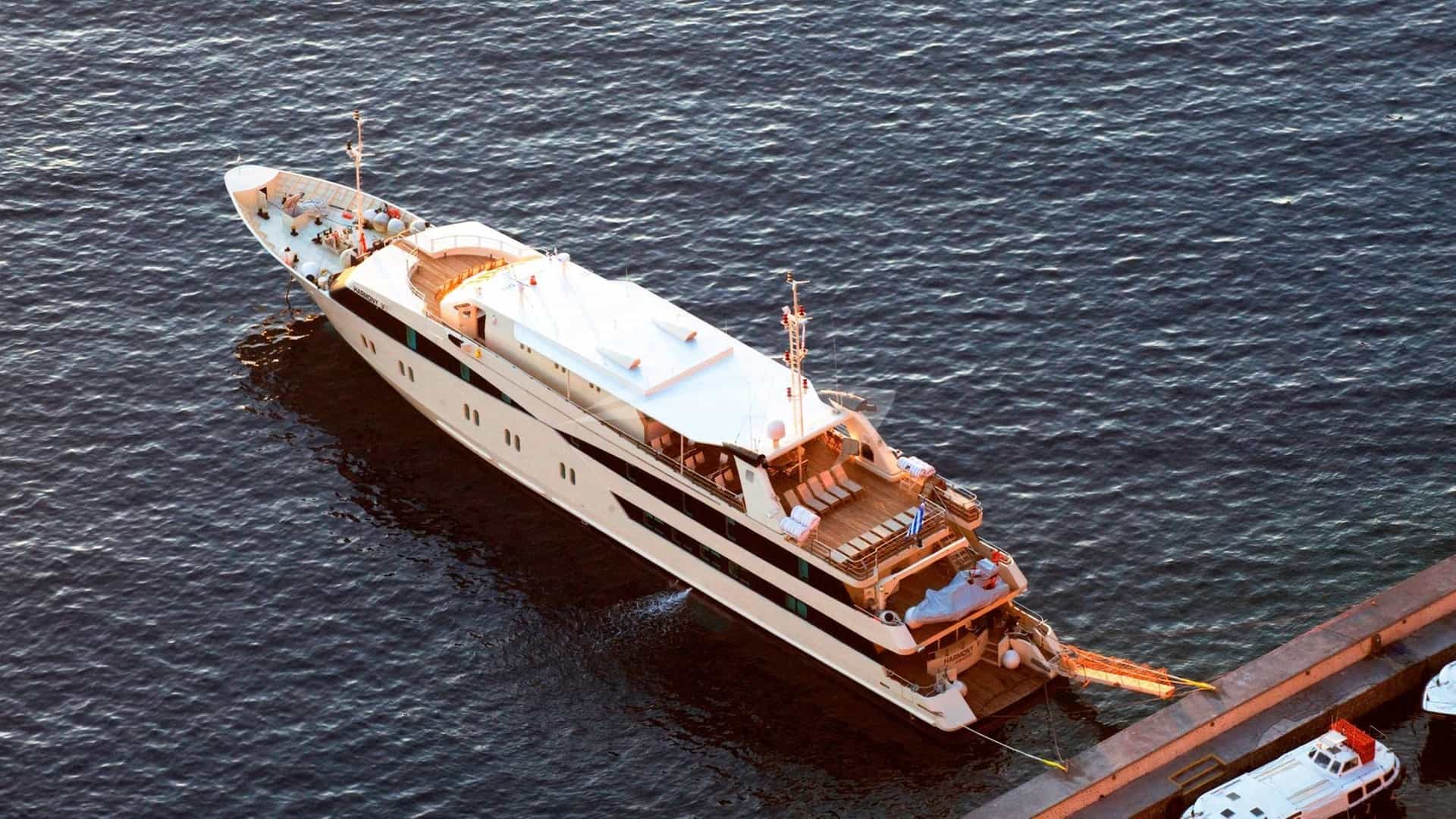
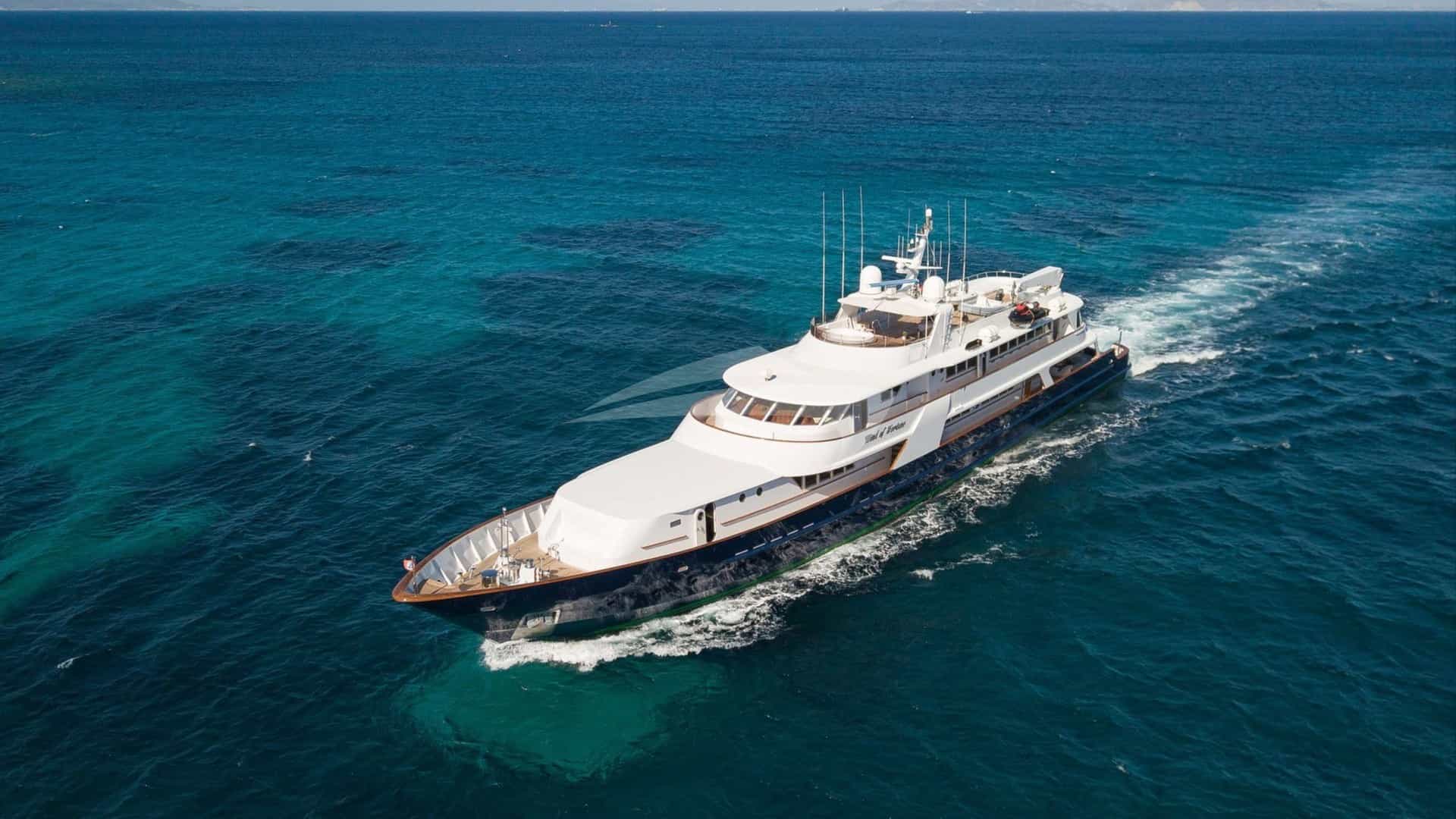
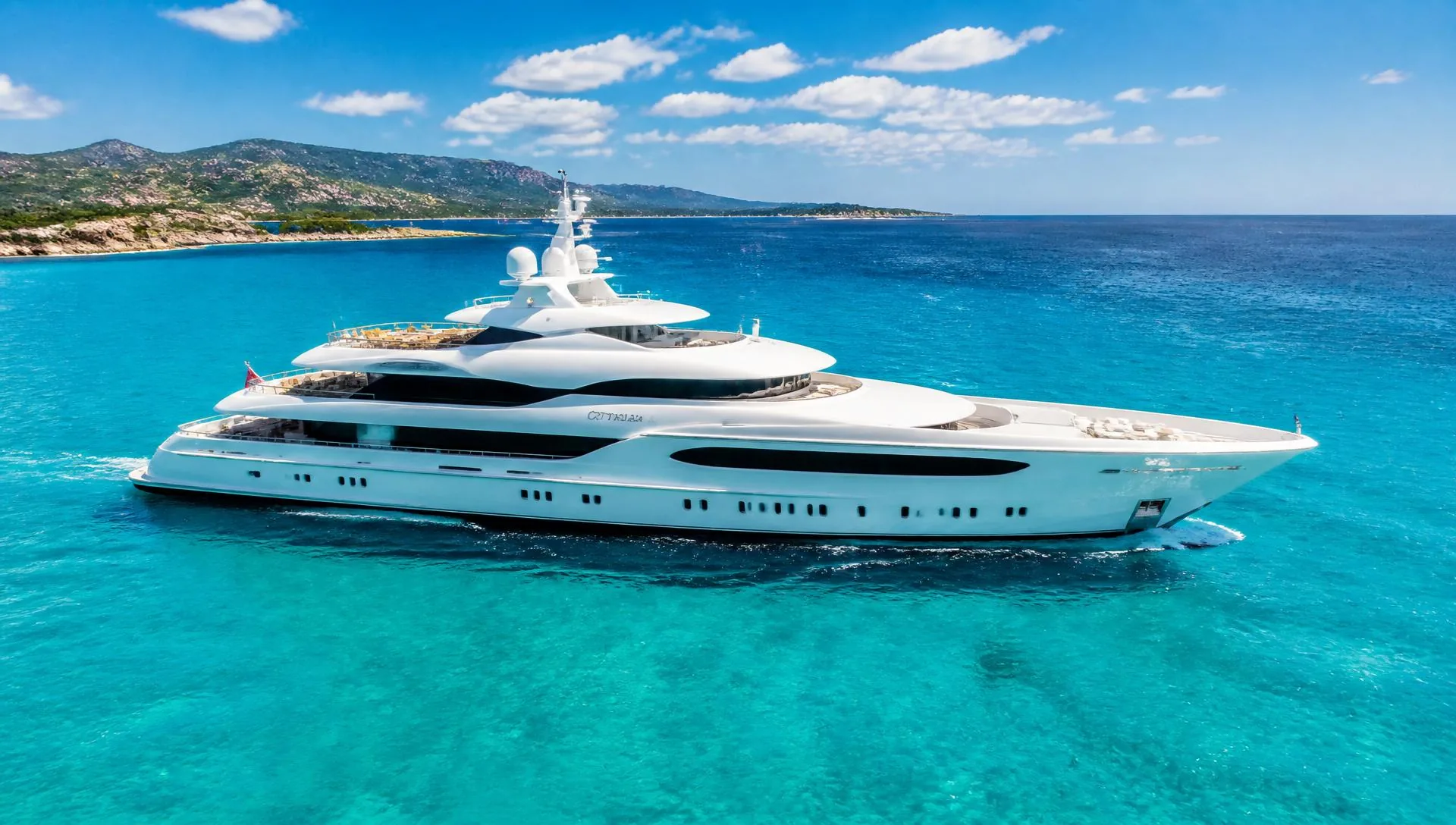
And almost no large yacht actually charters here in any given week. The total commercial charter fleet operating year-round in the Maldives is perhaps thirty boats — about half of them locally-built two- and three-deck "safari boats" purpose-designed for the Maldives diving market, and the other half a small group of larger imported motor yachts and a handful of catamarans. Compared to the Mediterranean (twelve hundred plus charter boats operating in any given July) or the Caribbean (eight hundred plus in the BVI alone), the Maldives are a charter market in name and an expedition cruising ground in practice.
The implications for an actual Maldives charter are significant. Anchorages are essentially empty. The local boats know the kandus and the cleaning stations and the seasonal mass-aggregation sites; foreign-flagged charter yachts almost always operate with a local guide on board to access the dive and snorkel sites legally and competently. The provisioning and technical support chain is one-deep: Malé is the only meaningful logistical base, the international airport at Malé (Velana International) is the only practical embarkation point, and a four-hour seaplane transfer or a long inter-atoll cruise is the access to the more remote southern atolls.
The Three Maldives
The cruising ground splits into three distinct regions and almost no single charter visits all three.
The Central Atolls — North Malé, South Malé, Vaavu, Ari — are the working centre. Most of the resort and dive infrastructure clusters here, the seaplane network is dense, and the major dive sites (Maaya Thila, Manta Point in Ari, the Banana Reef in North Malé) are within a day-cruising radius of Malé. This is where almost every first-time Maldives charter operates and where the resort tendering and provisioning logistics are most functional.
The Northern Atolls — Baa, Raa, Lhaviyani, Noonu — are the next-tier expansion. The famous Hanifaru Bay manta aggregation (June through November, peaking August and September) is the cultural high point of any Indian Ocean diving calendar — hundreds of manta rays in a small lagoon at full moon and new moon tidal cycles. Baa is a UNESCO Biosphere Reserve; the access is regulated and a permit is required.
The Southern Atolls — Meemu, Thaa, Laamu, Gaafu, Addu — are the expedition territory. Less developed, fewer resorts, the genuinely empty cruising ground. The crossing south from Malé is a long day or an overnight; the resort and seaplane infrastructure thins out dramatically. For experienced repeat charterers who want the Indian Ocean version of a deep BVI week, the southern atolls are the answer. For first-timers, the central atolls deliver the postcard at a fraction of the operational friction.
The Two Seasons
The Maldives have a distinct monsoon-driven seasonality that shapes every aspect of a charter.
The Northeast Monsoon (Iruvai) — December through April — is the dry season. Calm seas, clear water (visibility regularly 30 metres plus), reliable trade-wind sailing if the boat is rigged for it. This is the peak charter window and the rate card reflects it. The east-side reefs of each atoll are the prime dive sites; the cleaning stations are most active on the eastern passes.
The Southwest Monsoon (Hulhangu) — May through November — is the wetter, windier season. The wind clocks to the southwest, the seas build, the visibility drops slightly (still excellent by any other-region standard), and the manta and whale-shark aggregations move to the western passes. The famous Hanifaru manta event happens in the southwest monsoon, which is why the conventional wisdom that the Maldives "close" in summer is wrong: the rainfall is intermittent rather than constant, and the August-September window is the most spectacular for the megafauna programme.
The Itinerary That Works in the Central Atolls
A canonical 7- to 10-day Central Atolls charter, embarking from Malé:
- Day 1: Malé to North Malé Atoll. Two-hour run. Settle in, sunset dive at the Banana Reef or HP Reef, dinner aboard at anchor in a sheltered lagoon.
- Day 2: North Malé Atoll passes. Manta Point at Lankan Manta Point (seasonal), the channels at Okobe Thila for the wreck dive. Two or three dives in a day on a serious diving programme.
- Day 3: Cross to Ari Atoll. A 50-mile passage. Lunch at anchor in the western Ari lagoon, dive at Maaya Thila (the night-dive site) or at the Manta Point cleaning station.
- Day 4: South Ari — whale shark territory. The southern Ari atoll is the year-round whale shark aggregation site. Morning dive at the cleaning stations, lunch at anchor on a deserted sand cay, afternoon swim and snorkel.
- Day 5: Vaavu Atoll for the channel dives. Vaavu's channels — Miyaru Kandu, Fotteyo — are some of the most consistently exciting drift dives in the world for grey reef sharks and tuna schools.
- Day 6: Resort day. Most well-built Maldives charters incorporate a resort lunch or spa day at one of the One&Only, Soneva Fushi, COMO Maalifushi, or Cheval Blanc properties. The contrast — the all-wood, over-water-villa luxury programme on the resort island, with the boat anchored a hundred metres off — is the genuinely Maldivian off-water experience.
- Day 7-10: Back through North Malé or extension to Baa Atoll for the manta programme (if the season is right).
The Resort Question
The Maldives are unique among major charter grounds in that the destination's primary commercial product — the over-water villa resort — is genuinely complementary to a yacht charter rather than competitive with it. The resort islands are the lunch destinations, the spa destinations, and the after-dive destinations; the boat is the cruising platform that moves between them. A serious Maldives week books two or three resort lunches in advance (Cheval Blanc Randheli, Soneva Jani, Six Senses Laamu, Joali) and uses the boat to deliver guests to the resort tender quay at the appointed hour. The resorts welcome the yacht traffic; the booking is straightforward through the chef's-table or guest-of-the-day programme.
The Operational Realities
Cruising permits. All foreign-flagged charter yachts require a Maldivian cruising permit issued by the Ministry of Tourism. Allocation is straightforward through a local agent but takes thirty to sixty days. Without the permit the yacht cannot stop legally at non-resort islands.
The local guide. Almost every serious Maldives charter operates with a local cruising guide on board for the duration. The guide handles the kandu and reef navigation, the protected-area entries (Hanifaru, the marine reserves), the dive-site permissions, and the inhabited-island visits. The cost is modest; the value is the difference between an expedition and a tourist itinerary.
The diving programme. The Maldives are a diving destination first and a yachting destination second. Any serious charter has a divemaster on board (own crew or local hire), tanks and compressors for the dive programme, and a tender or RIB equipped for dive transfers. The non-diving alternative — the snorkelling-and-resort programme — works too, but the Maldives' visual product is materially under-extracted without the dive component.
Provisioning. Malé is the only meaningful provisioning hub. The supply chain includes a small but functional fresh-produce market, an established marine-supply trade, and air-freight from Sri Lanka and Dubai for high-end perishables. Most charter boats provision fully in Malé for the full week.
Costs
The Maldives are a high-priced charter market relative to the operational backdrop. A 30 to 40-metre crewed motor yacht runs USD 120,000 to 280,000 per week base in the December-April peak; the locally-built three-deck safari boats are materially cheaper (USD 30,000 to 80,000 per week fully provisioned, all-in, depending on the class) and are the working format for most non-superyacht Maldives charters. The Maldivian tax framework is GST-based and modest; the cruising permit, agency, and local guide fees together typically add USD 5,000 to 15,000 on a week. APA on the larger imported yachts runs 25 to 30 percent.
What the Maldives Sell
The Maldives are the most visually pure tropical cruising ground in the world and the most logistically thin. The water clarity, the megafauna programme, the geometric perfection of the atolls, the over-water-villa resort layer — none of the other Indian Ocean destinations match the combination. The trade-off is the operational depth: there are fewer than thirty charter yachts operating, no peer-cruising-ground social density, and a 14-hour flight in for European guests and twice that from the US. For an experienced repeat charter party that has done the Caribbean and the Mediterranean and wants the most photographed water in the world for a single dedicated week, the Maldives are the answer. For a first international charter, they are an ambitious choice — and one that, if booked with the right local agent, the right guide, the right boat, and the right monsoon window, almost always exceeds expectations.