
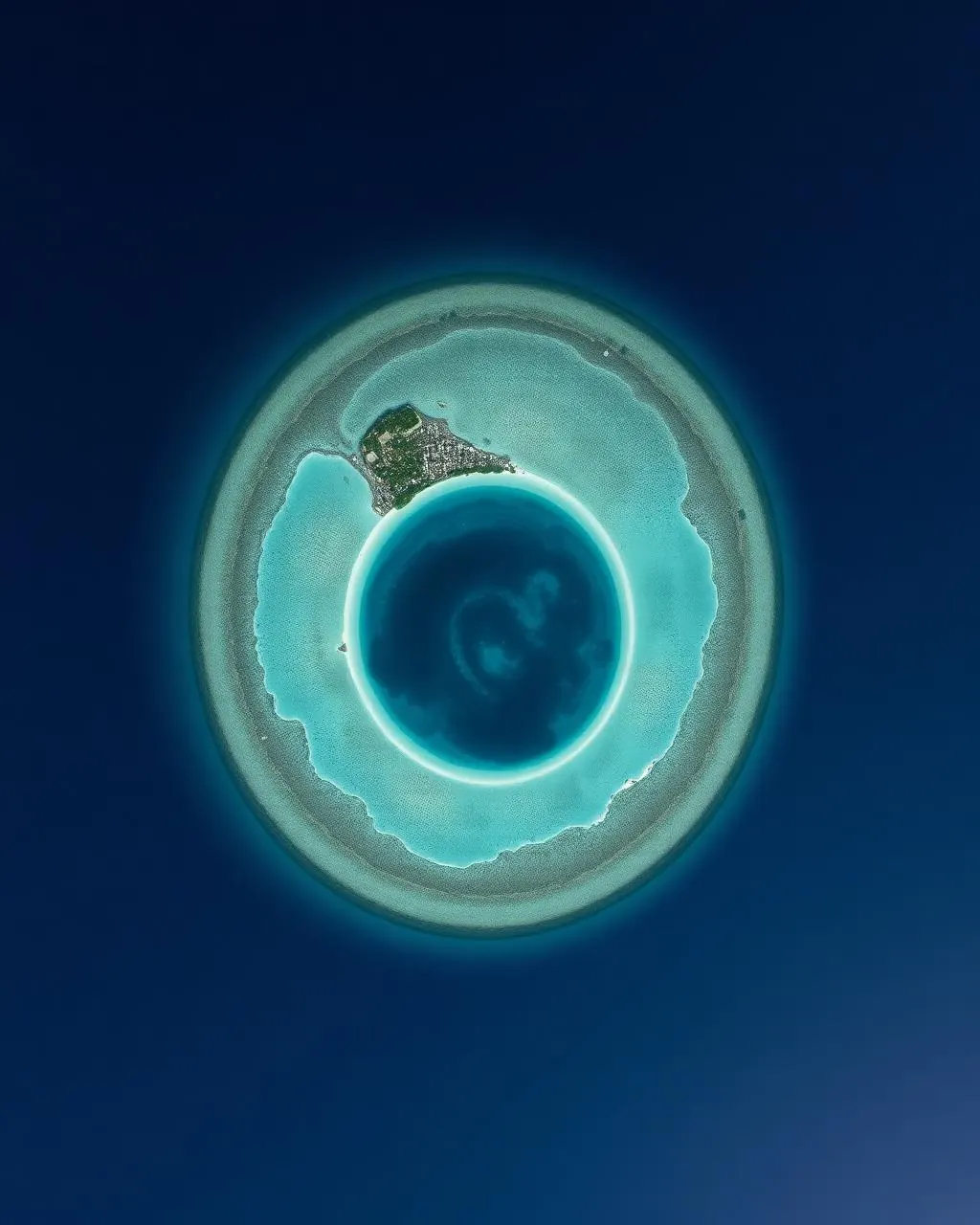
St Lucia Yacht Charter
A St Lucia week succeeds on choreography: Rodney Bay Marina nights, Rodney Bay & Pigeon Road day-anchors (including Anse Chastanet / Trou Diable), and APA set before deposit. Blue Ocean Club brokers the Caribbean reality — embark via UVF / SLU, not a brochure loop.
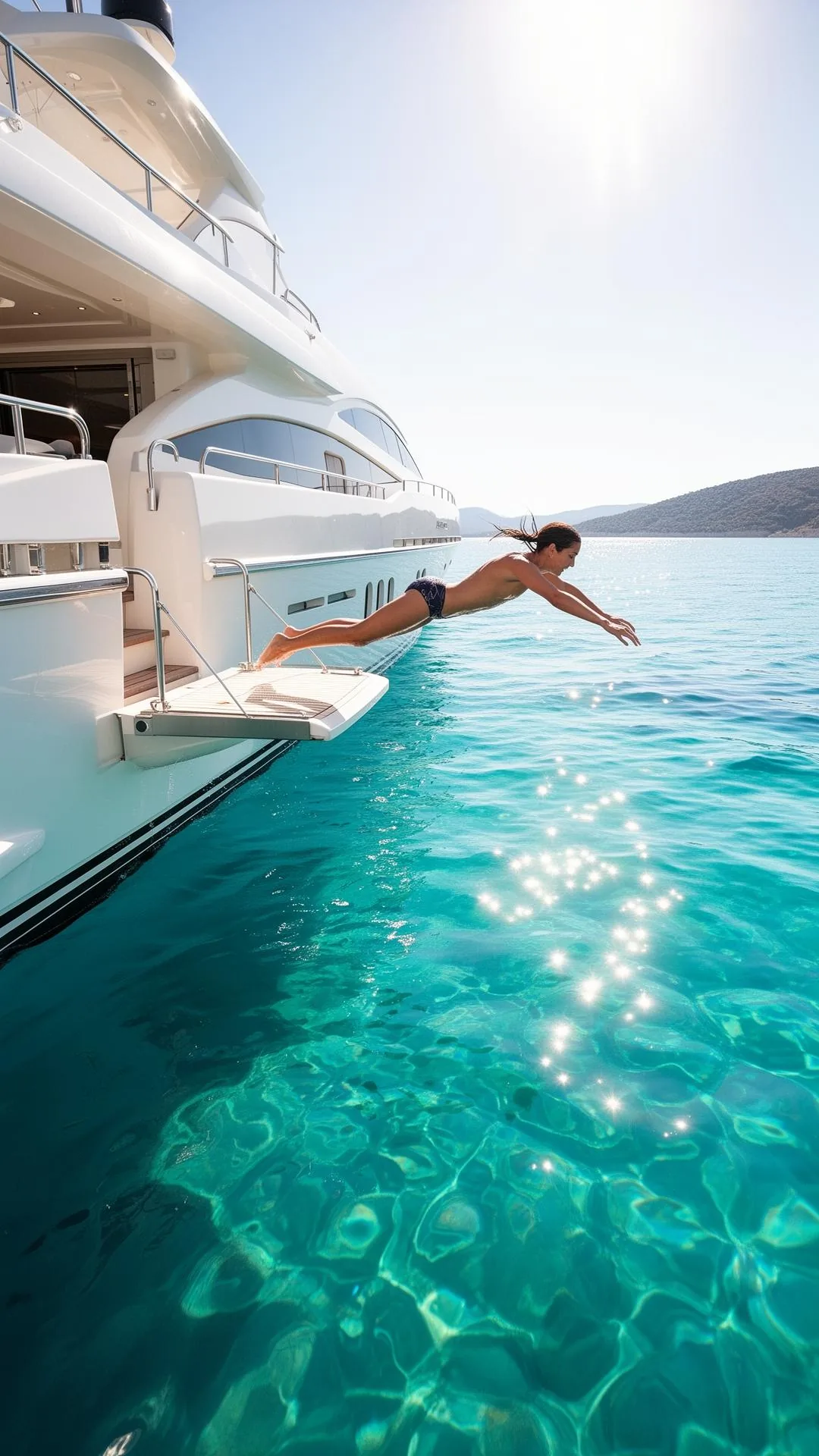
Privacy, pace, and places you cannot reach by road.
Why charter a yacht in St Lucia.
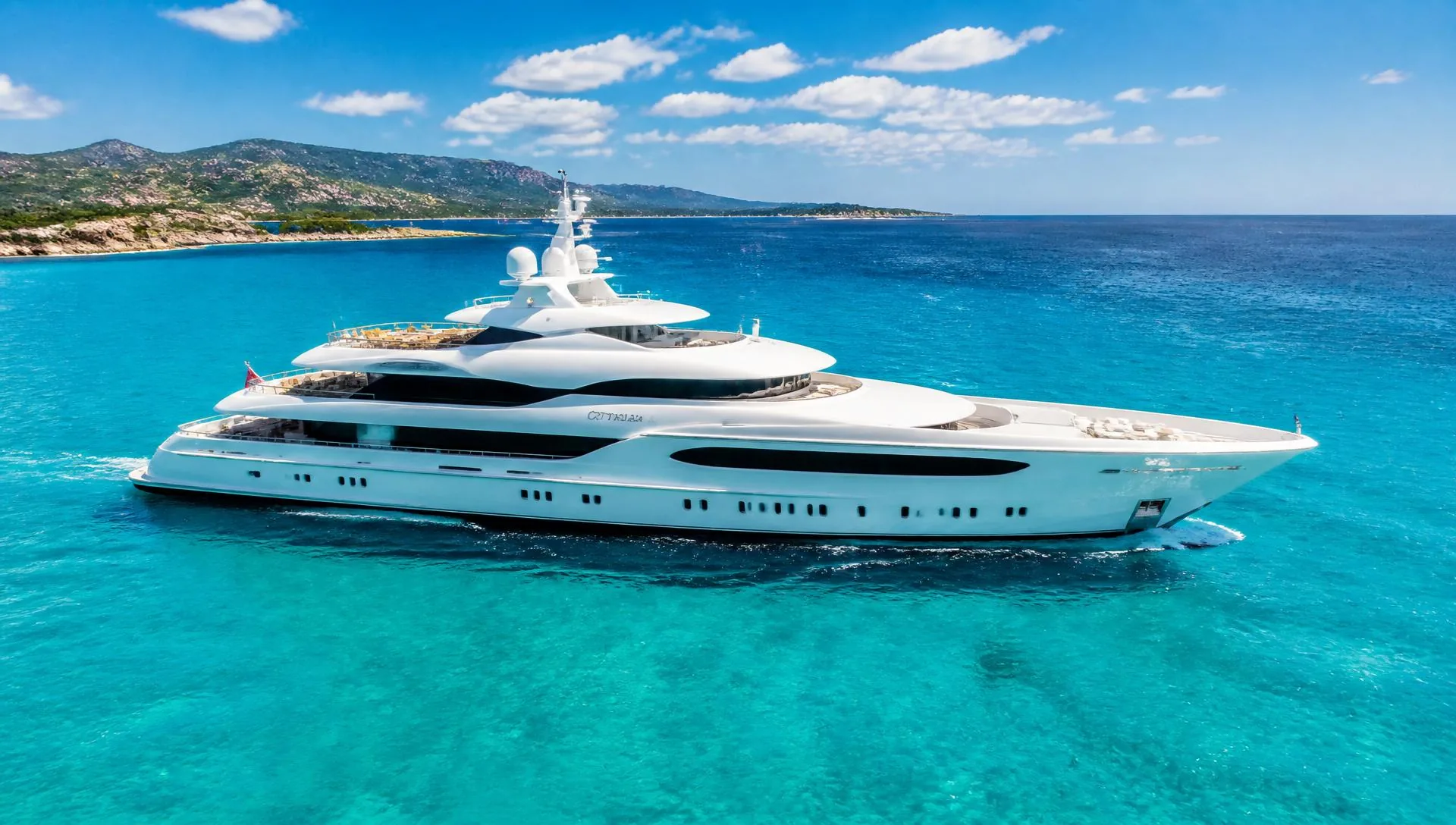
A luxury yacht charter St Lucia rewards guests with a combination you cannot replicate from a hotel: total privacy, an itinerary that flexes around your party, and access to coves, restaurants and reefs that road-bound travellers simply never see. Blue Ocean Club curates St Lucia cruises across motor yachts, sailing yachts, catamarans and superyachts — every option live-priced against the global live availability feed and presented with our 100% best-price guarantee.
St Lucia sits at the heart of one of the world's great cruising grounds. Days unfold at the pace of the sea: long swims off the platform, lunch at a beach club where your concierge has held the best table, an afternoon cruise to a quieter anchorage, cocktails on the bow as the light softens. The captain rewrites tomorrow's plan based on tonight's weather and your party's mood.
Blue Ocean Club matches each crewed yacht charter St Lucia enquiry to yachts whose published operating area, specifications and current availability fit the requested dates. The final shortlist is checked against the yacht's authorised charter information before contract, and route details remain subject to operating conditions and the captain's final approval.
St Lucia charter, in depth.
Rodney Bay: The Operational Hardstand
Your charter doesn't begin when you step aboard; it begins when the yacht is cleared, provisioned, and ready to cast off lines. In St. Lucia, that process is centered at IGY Rodney Bay Marina. This is the island’s primary port of entry for any vessel over 50 feet and the only game in town for superyacht-level services. Treat it as your logistical launchpad, not a destination in itself.
The clearance process here is straightforward, but efficiency is key. Your captain will handle this, but understanding the mechanics helps you manage your timeline. The customs, immigration, and port authority offices are all co-located at the marina. While a captain can walk the documents around, the smart play, especially on a tight turnaround, is to use a registered yacht agent. They pre-file paperwork, troubleshoot on the ground, and have established relationships that can turn a two-hour process into a 30-minute formality. This is a line item in the APA that pays for itself in time saved on day one.
While clearance is underway, the final provisioning push happens. Rodney Bay is the last stop for high-quality, large-volume supplies before you head south into the Grenadines. The Massy Stores Supermarket at the Baywalk Shopping Mall is the go-to. Your chef will have pre-ordered the bulk of provisions, but this is where they top up on fresh produce, specific guest requests, and anything that didn't make the initial shipment. The crew will be a blur of activity, loading cases of water, wine, and fresh goods. This is the engine room of the charter; let it run. Your time is better spent settling into your suite or having the deck crew prepare the tender for a quick run out to Pigeon Island for a pre-dinner swim. Don't linger in the marina basin. The goal is to be fueled, watered, provisioned, cleared, and away from the dock before sunset.
Marigot Bay: The Picture Postcard with Caveats
About eight nautical miles south of Rodney Bay lies Marigot Bay. From the sea, the entrance is almost hidden—a narrow channel that opens into a hurricane hole of legendary beauty. It’s undeniably stunning, surrounded by steep, jungle-clad hills. This is the St. Lucia you see on magazine covers. However, from an operational perspective, Marigot Bay requires careful handling.
The inner bay is deep but tight. For yachts over 150 feet, maneuvering is a serious consideration. Much of the prime water is occupied by private moorings and the docks of the Marigot Bay Resort. There are a handful of stern-to moorings managed by the resort, which are the preferred option for larger vessels. Dropping anchor is possible in the outer bay, but you are more exposed to the westerly swell that can occasionally wrap around the point.
The most critical factor in Marigot is managing the shore-side interface. The bay is notorious for its "boat boys" or unsolicited local guides in small skiffs. They will approach your yacht offering everything from fruit and souvenirs to mooring assistance and tours. While many are genuine, the sheer volume can be overwhelming. The protocol is firm: all shore-side arrangements are made through the captain, who will work with a pre-vetted, licensed, and insured local contact. This isn't about being dismissive; it's about maintaining guest privacy, security, and a seamless experience. Politely defer all approaches to your captain.
The best way to experience Marigot is a "drive-by" or a short stay. Come in for a long lunch at the resort, take the tender for an explore up the inner lagoon, and then move on. An overnight stay can be idyllic if the bay is quiet, but for multi-day charters, your time is better allocated further south.
Soufrière & The Pitons: The Main Event
This is why you came to St. Lucia. The passage south from Marigot reveals the island's dramatic volcanic topography, culminating in the iconic twin peaks of the Pitons. The entire area between Soufrière and Anse Chastanet is a marine reserve, the Soufrière Marine Management Area (SMMA). Anchoring is strictly prohibited to protect the delicate coral reefs that fringe the coast.
Your only option is to take a mooring buoy. These are managed by the SMMA park rangers, who will approach your yacht in a dedicated vessel to collect the nightly fee. This is a non-negotiable part of operating here, and the funds directly support the conservation of the park. Your captain will handle the transaction.
The mooring field lies directly between the Pitons. The view is world-class, but the location comes with two operational realities. First, the seabed drops off precipitously. You are moored in several hundred feet of water, which makes the yacht susceptible to swinging with wind and current shifts. Second, the area is open to the west and can be subject to a significant "ground swell," even on calm days. This can make for a rolly night and requires careful tender operations. The crew will deploy a stern anchor or use the yacht's dynamic positioning system (if equipped) to hold the stern toward the Pitons, ensuring you have the million-dollar view from the aft deck at all times and helping to mitigate the beam-on roll.
Tender logistics are paramount here. The town of Soufrière itself is a short tender ride away, but the best shore-side experiences are accessed directly from the water.
- Sugar Beach, a Viceroy Resort: Nestled directly between the Pitons, its perfectly groomed white sand beach is a stark contrast to the island's natural volcanic sand. Tenders can approach the designated dinghy dock. Book a table for lunch or spa treatments well in advance; access is managed to prevent overcrowding.
- Anse Chastanet & Jade Mountain: Just north of the Pitons mooring field is another excellent mooring area off Anse Chastanet beach. It’s often quieter and more protected than the main Pitons field. The beach is a hub for excellent diving and snorkeling. A tender can drop you at the beach for access to the resort's restaurants or the steep climb up to the world-renowned Jade Mountain.
- What to Skip: Don’t bother with a taxi to the Sulphur Springs or the "drive-in volcano." It’s a traffic-choked tourist trap. Instead, have the captain arrange a private guide to take you via tender and a waiting vehicle, allowing you to visit early in the morning before the cruise ship tour buses arrive.
Passagemaking: The Martinique & St. Vincent Channels
St. Lucia’s strategic position makes it a superb starting point for exploring the neighboring islands. However, the passages to Martinique (north) and St. Vincent (south) are open-water crossings that demand respect.
-
The St. Vincent Channel (~25nm): This is your gateway to the Grenadines. The prevailing winds and currents are generally on your stern quarter, making for a fast and comfortable downwind run. The challenge is the wind acceleration zone, a "funnel effect" created between the two islands that can increase wind speed by 10-15 knots above the forecast. Your captain will plan for this, likely setting a more conservative sail plan or power setting. An early morning departure from Soufrière places you in Bequia by lunchtime, perfectly positioned to begin your Grenadines adventure.
-
The Martinique Channel (~20nm): This transit is typically done at the beginning or end of a charter connecting to Martinique's international airport (FDF). Heading north from Rodney Bay, you are punching into the prevailing easterly trade winds and the Atlantic swell. It is almost always a choppy, wet, "uphill" slog. The channel has a reputation as a "washing machine" for good reason, with a confused beam sea that can be uncomfortable. For this reason, very few charters are structured to go from St. Lucia north to Martinique and back. It makes far more sense to start or end there. If you must make the crossing, the only strategy is an early pre-dawn departure to take advantage of the lightest winds, getting across before the afternoon thermal effect kicks in.
The One-Way Charter: The Premier Logistic
The smartest money on a St. Lucia-centric charter isn't spent circling the island. It’s spent on a one-way itinerary. The standard route begins with guest pickup and clearance at IGY Rodney Bay, a day or two exploring the Pitons, and then a direct downwind shot to the Grenadines.
This avoids the painful and time-consuming beat back north against wind and sea. By ending the charter in Canouan (for private jet access), Union Island, or even Grenada, you transform a St. Lucia charter into a comprehensive Windward Islands expedition. You spend your valuable time exploring new anchorages, not retracing your steps.
This carries a repositioning fee, as the yacht and crew must make that uphill passage back to base on their own time. However, when you calculate the value of two extra days spent in the Tobago Cays versus bashing into a head sea, the cost is easily justified. It is the single best investment you can make to maximize your time and comfort in this part of the Caribbean. Let another crew deal with the Martinique Channel washing machine. Your charter should be a seamless progression through paradise.
Yacht charter in St Lucia — what to expect.
Season, route, hull and investment — the four things every guest asks before we lock a yacht.
The established charter window used for planning in this cruising region is December through April. Conditions still vary by exact dates and route, so the captain's forecast and operating advice govern the final itinerary.
The strongest St Lucia itinerary is built from destination-specific marinas, anchorages and places that are actually available for the requested dates. The route remains flexible around weather, berth availability, local restrictions and the yacht's operating limits.
The most suitable yacht for St Lucia depends on guest count, layout preference, draft, range, speed and the intended itinerary. Compare the verified specifications on the individual yacht listings rather than relying on a generic destination-wide yacht type.
Charter pricing in St Lucia depends on the yacht, dates, operating area and the final charter terms. Verified yacht rates are shown on individual listings when available; taxes, operating expenses, provisioning and any other booking-specific charges are confirmed before contract rather than estimated from a global template. Minimum charter duration is yacht- and date-specific.
Things to do on your St Lucia charter.
From quiet anchorages to time ashore — a planning sample to adapt around the yacht, local conditions and verified availability.
- 01Onboard time
Swimming, dining and relaxation shaped around the facilities of the yacht selected
- 02Water activities
Use the water toys and sports equipment actually carried by the yacht, where local rules allow
- 03Shore visits
Add towns, beaches, restaurants or cultural stops when verified locally and available for your dates
- 04Private dining
Plan menus with the yacht's confirmed crew and the provisions available for the charter
- 05Flexible days
Keep the route responsive to weather, berth availability and the captain's operating decisions
Where to cruise in St Lucia.
Ports, islands and sub-regions across St Lucia — each with its own guide, marina context and yacht recommendations.
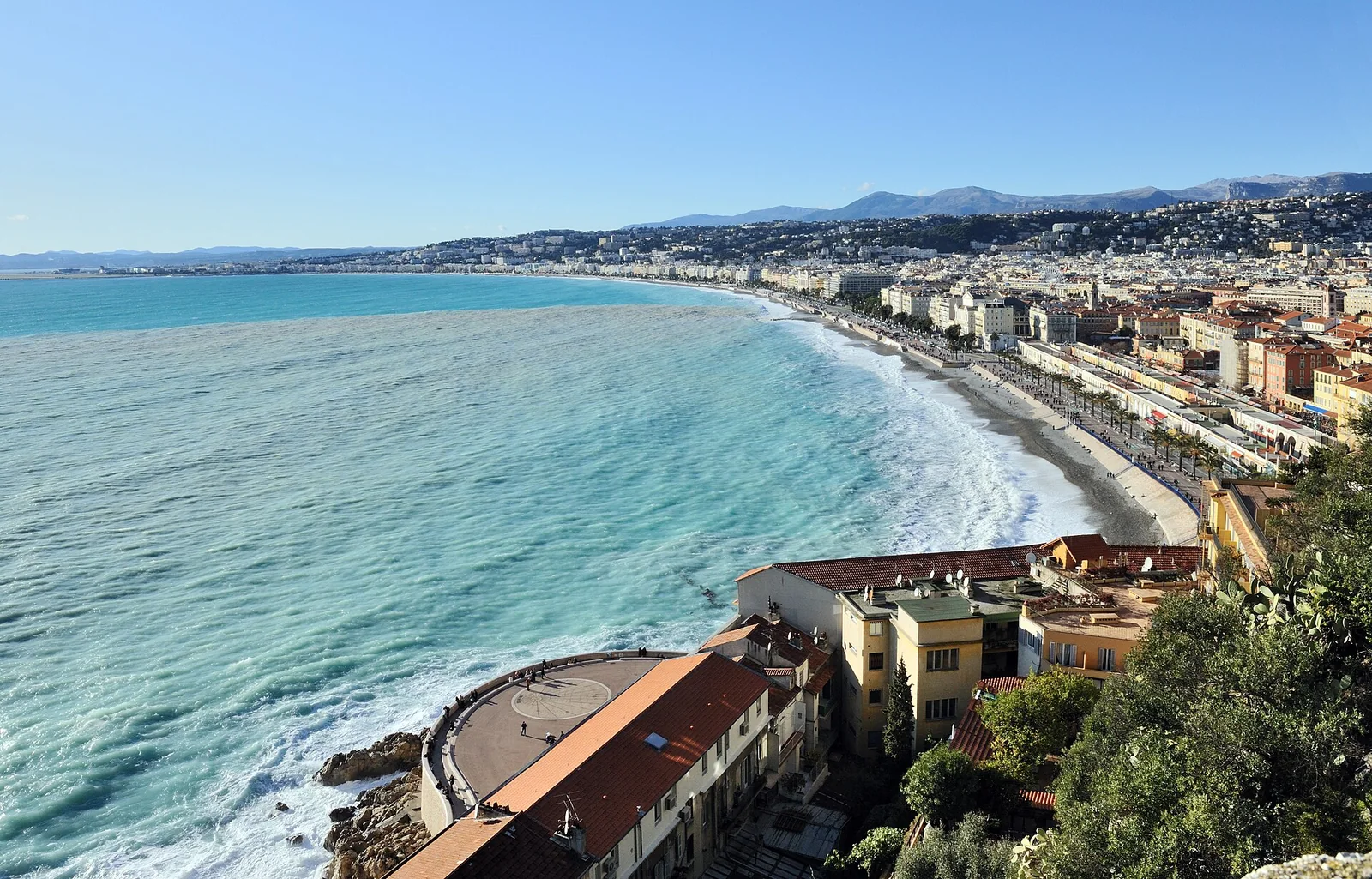
Marigot Bay
A Caribbean charter in Marigot Bay rewards captains who know local holding and quay politics.
Explore →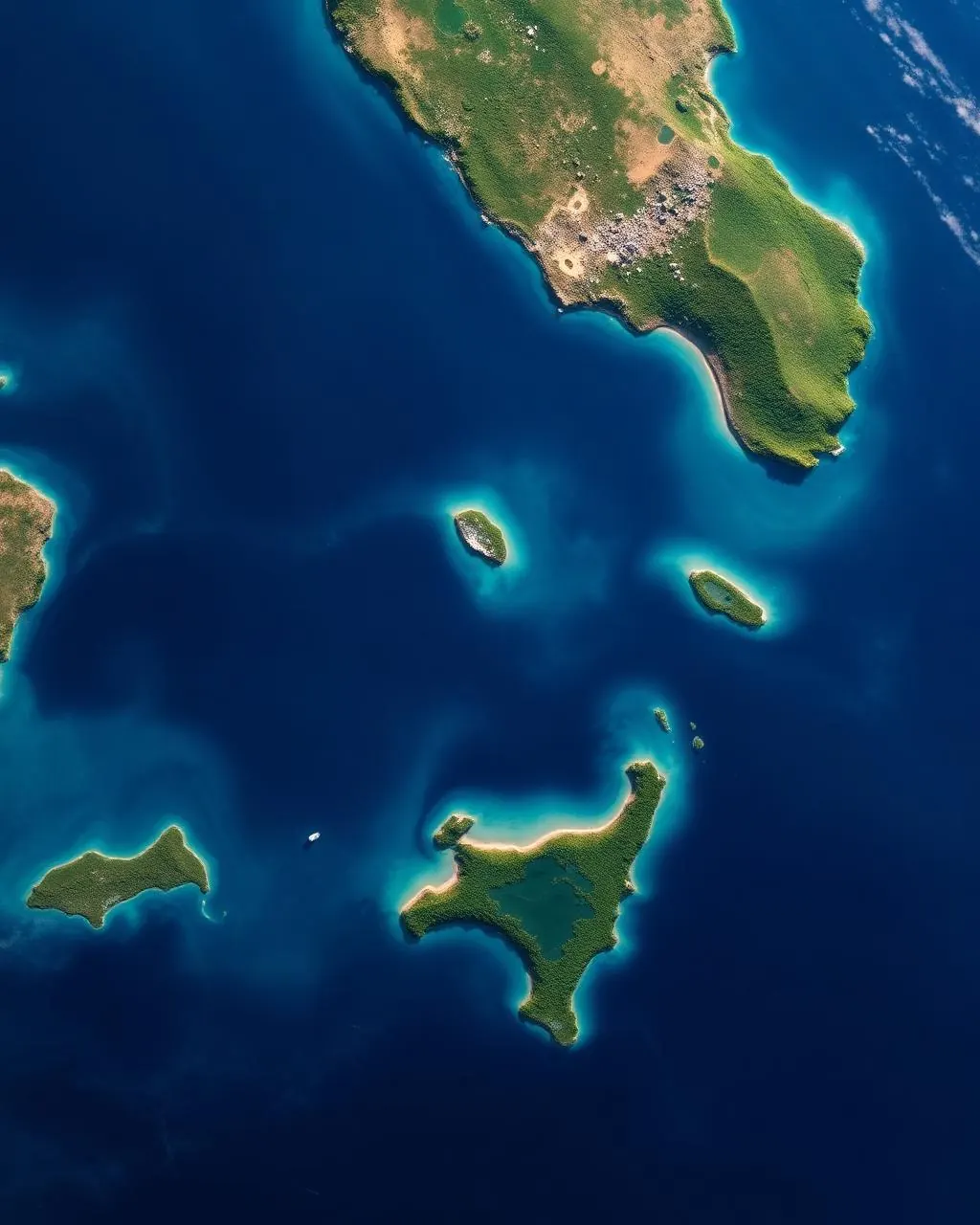
Rodney Bay
Rodney Bay is a focused Caribbean charter stop in St Lucia, where the operational win is sequencing a short, high-quality loop rather than forcing the whole St Lucia circuit.
Explore →
St Lucia from above.
Satellite view of the coast — ports, headlands and island day-anchors that can shape a week on the water.
When to charter in St Lucia.
The prime window for a yacht charter St Lucia runs December through April.

Plan your week in St Lucia.
Share a few details and we will return a private yacht shortlist — availability, APA guidance and a clear next step — within one working day.
Door-to-deck · St Lucia
We choreograph UVF / SLU arrivals into Rodney Bay Marina transfers.
Meeting point
Meeting point: Rodney Bay Marina — confirm quay / pontoon with the captain the morning of embarkation.
Arrival buffer
Plan 60–90 minutes from wheels-down to passerelle for chauffeur corridors; helicopter windows are tighter when helipad access is confirmed.
Berth lead time
4–12 weeks for peak season slips
Captain / crew
Approach Rodney Bay Marina with local pilotage notes from the captain; high season berths book weeks ahead. Fuel, water and shore power are available — confirm waste and amp rating before arrival.
Tender fallback
When berths are scarce we hold a sheltered anchorage + tender (or captain-only standby) plan before you fly — never a last-minute scramble at the mole.
Luggage / night before
Night-before hotel near the gateway (or marina) when late arrivals risk missing the embarkation slot — we hold rooms against the transfer plan.
Gateways
Indicative guidance — Indicative seasonal berth ranges are shared on request — confirm with the marina agent before contract. We never publish unverified nightly rates as fact.
Enquire
Enquire for St Lucia
Tell us dates, party size and yacht style — we shortlist live availability with APA and door-to-deck before you fly.
Beach clubs in St Lucia.
Tender bookings, table reservations and jetty access — addresses, phones and sites below. Your Blue Ocean Club concierge can hold the table — request via the enquiry form.
Real restaurants worth a tender in St Lucia.
Tables held in advance by your concierge — addresses, phones and sites below, from beachfront classics to Michelin dining rooms. Request via the enquiry form.
Best anchorages & bays in St Lucia.
Hover a marker for a quick brief — click to open the approach notes below. The protected coves and roadsteads your captain will plot into your week.
- Where to find it
- Captain confirms approach for Anse Cochon.
- Where to find it
- Captain confirms approach for Anse Chastanet / Trou Diable.
- Where to find it
- Captain confirms approach for Pitons moorings.
- Where to find it
- Captain confirms approach for Anse La Raye roads.
St Lucia yacht charter FAQs.
What does it cost to charter a yacht in St Lucia?+
Which marina should we embark from in St Lucia?+
Can you charter a superyacht in St Lucia?+
When is the best time for yacht charter in St Lucia?+
Is boat charter available in St Lucia?+
How long should a yacht charter week in St Lucia be?+
Continue from here.
Why charter St Lucia with us.
Independent brokerage with live inventory, transparent pricing, and a concierge that works the coast before you step aboard.
- 01Speed
Real-time availability
Live availability feed across 2,000+ yachts — hold and confirm in hours, not weeks.
- 02Trust
100% best-price guarantee
We do not mark up the charter fee. The price you see is the operator's price.
- 03Integrity
Independent advice
Our recommendations follow the boat, not a commission — owners pay us, not introducing brokers.
- 04Craft
Concierge depth
Restaurants, transfers, private guides, helicopters and beach clubs handled long before you board.
Tell us your dates and party — we return three live options within the day.
Ready to charter in St Lucia?
Tell us your dates, party size and what makes a perfect day on the water. We reply within one working day with a curated shortlist and a transparent quote.
How our St Lucia guide is compiled.
Prepared by the Blue Ocean Club editorial team from the cited destination and charter sources available for this page. This page is maintained by the Blue Ocean Club charter desk — editorial content, not an independent certification.
- Experience
Destination intelligence coverage
This guide is assembled from the destination record and any cited supporting sources available for St Lucia.
- Expertise
Editorial provenance
Prepared by the Blue Ocean Club editorial team from the cited destination and charter sources available for this page.
- Authoritativeness
Where the facts come from
No curated citation set is attached to this destination yet. Unsupported source claims are not added as a fallback.
- Trust
Last data refresh
The underlying destination record was last refreshed 17 September 2026. A data refresh is not presented as a human verification event.
- Limitation
What we never state
We do not treat database inventory as live availability and do not present unverified operator pricing or operator terms as confirmed facts. Availability, rates, taxes, berth suitability and charter terms are confirmed for the specific enquiry.
Arrival
Arriving in St Lucia
Gateways, transfer times and the door-to-deck plan — mapped against the berths you would actually use.
St Lucia on the map
Marinas, arrival gateways, stays, dining and family options — toggle the layers you care about.