

Terrance B. Lettsome International (EIS)
Beef Island
Handles private-jet arrivals.
- Record: airport · verified
Part of British Virgin Islands Yacht Charter.
Tortola yacht charter is the BVI embarkation island — Village Cay for Road Town, Nanny Cay for full-service west-end, and EIS door-to-deck. Most weeks leave Tortola quickly for Norman, Peter and Virgin Gorda water.
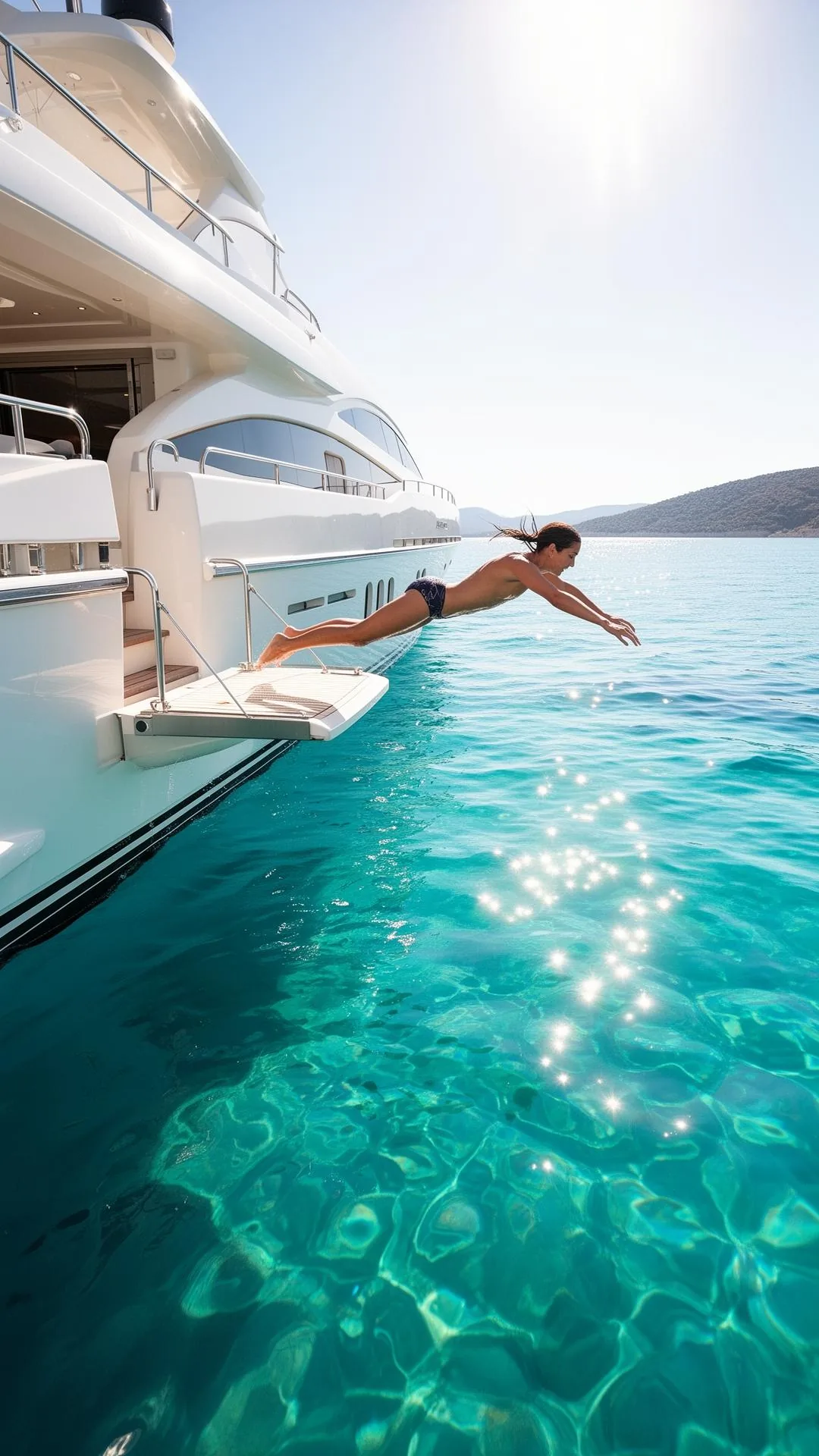
Privacy, pace, and places you cannot reach by road.
A luxury yacht charter Tortola rewards guests with a combination you cannot replicate from a hotel: total privacy, an itinerary that flexes around your party, and access to coves, restaurants and reefs that road-bound travellers simply never see. Blue Ocean Club curates Tortola cruises across motor yachts, sailing yachts, catamarans and superyachts — every option live-priced against the global live availability feed and presented with our 100% best-price guarantee.
Tortola sits at the heart of one of the world's great cruising grounds. Days unfold at the pace of the sea: long swims off the platform, lunch at a beach club where your concierge has held the best table, an afternoon cruise to a quieter anchorage, cocktails on the bow as the light softens. The captain rewrites tomorrow's plan based on tonight's weather and your party's mood.
Blue Ocean Club matches each crewed yacht charter Tortola enquiry to yachts whose published operating area, specifications and current availability fit the requested dates. The final shortlist is checked against the yacht's authorised charter information before contract, and route details remain subject to operating conditions and the captain's final approval.
The British Virgin Islands are, for many, the definitive Caribbean yachting experience. It’s a compact, line-of-sight cruising ground where the water is gin-clear, the trade winds are reliable, and a world-class anchorage is never more than an hour’s cruise away. While St. Thomas (USVI) boasts the deep-water berths for 100m+ giga-yachts, Tortola serves as the true operational hub and spiritual starting point for any serious BVI charter. This is the broker's "easy button"—a known quantity that consistently delivers for principals seeking a seamless blend of beachfront relaxation and polished, yet unpretentious, island life.
Post-Irma rebuilding has resulted in facilities that are, in many cases, superior to their predecessors. The infrastructure is robust, the welcome is professional, and the classic "milk run" itinerary remains one of the most rewarding in the world. For a principal looking to decompress, for a family seeking a multi-generational playground, or for a corporate charter rewarding top performers, Tortola provides the perfect launchpad.
Getting clients and crew staged for a BVI charter requires factoring in the nuances of Tortola's access points.
Air Access: Terrance B. Lettsome International Airport (EIS) on Beef Island is the sole port of entry by air. Its runway length (4,645 ft) restricts direct access for large-cabin, long-haul private jets. The standard playbook involves clients arriving via Gulfstream or Global Express into St. Thomas (STT) or San Juan (SJU) and taking a short-hop private turboprop or a pre-arranged helicopter transfer directly to the yacht or a nearby pad. FBO services at EIS are competent, but it’s a small island airport; pre-planning is non-negotiable.
Maritime Clearance: For yachts arriving from the USVI or other foreign ports, clearance is mandatory. The primary points on Tortola are Road Town and Soper’s Hole at West End.
While the BVI is celebrated for its anchorages, a well-equipped marina is essential for guest turnover, provisioning, and minor technical work.
This clockwise route maximizes variety and minimizes cruise times, hitting the requisite BVI highlights.
Day 1: Norman Island – The Inspiration for Treasure Island Depart Nanny Cay or Scrub Island and make the short, one-hour cruise to Norman Island. The primary anchorage is The Bight, offering excellent holding and dozens of mooring balls.
Day 2: Peter & Cooper Island – Seclusion and Style A quick hop brings you to Peter Island. Anchor in Deadman's Bay, a stunning sweep of white sand. The private resort remains under reconstruction, meaning you'll have one of the Caribbean's most beautiful beaches largely to yourself.
Day 3: Virgin Gorda – The Baths & North Sound This is a marquee day. An early start is essential to beat the crowds at The Baths.
Day 4: North Sound – The Billionaire's Playground Dedicate a full day to North Sound.
Day 5: Anegada – The Outlier The trip to Anegada is the one leg of a BVI charter that requires serious navigation. It is low, flat, and surrounded by the treacherous Horseshoe Reef.
Day 6: Jost Van Dyke – The Painkiller From Anegada or North Sound, it's a downwind run to Jost Van Dyke, the BVI's party island.
Day 7: Departure from Tortola's West End Enjoy a final breakfast and a swim off Sandy Spit, a perfect little desert island cay near Jost Van Dyke. A short cruise brings you to Soper’s Hole on Tortola's West End for guest departure and outward clearance. Its charming, brightly colored buildings make for a pleasant end to the charter before guests are chauffeured the 45-minute drive to EIS.
Season, route, hull and investment — the four things every guest asks before we lock a yacht.
The established charter window used for planning in this cruising region is December through April. Conditions still vary by exact dates and route, so the captain's forecast and operating advice govern the final itinerary.
The strongest Tortola itinerary is built from destination-specific marinas, anchorages and places that are actually available for the requested dates. The route remains flexible around weather, berth availability, local restrictions and the yacht's operating limits.
The most suitable yacht for Tortola depends on guest count, layout preference, draft, range, speed and the intended itinerary. Compare the verified specifications on the individual yacht listings rather than relying on a generic destination-wide yacht type.
Charter pricing in Tortola depends on the yacht, dates, operating area and the final charter terms. Verified yacht rates are shown on individual listings when available; taxes, operating expenses, provisioning and any other booking-specific charges are confirmed before contract rather than estimated from a global template. Minimum charter duration is yacht- and date-specific.
Live pricing — charters from €40,000 / week
From quiet anchorages to time ashore — a planning sample to adapt around the yacht, local conditions and verified availability.
Swimming, dining and relaxation shaped around the facilities of the yacht selected
Use the water toys and sports equipment actually carried by the yacht, where local rules allow
Add towns, beaches, restaurants or cultural stops when verified locally and available for your dates
Plan menus with the yacht's confirmed crew and the provisions available for the charter
Keep the route responsive to weather, berth availability and the captain's operating decisions
Satellite view of the coast — ports, headlands and island day-anchors that can shape a week on the water.
The prime window for a yacht charter Tortola runs December through April.
Share a few details and we will return a private yacht shortlist — availability, APA guidance and a clear next step — within one working day.
Beef Island arrivals into Village Cay, Nanny Cay or Scrub Island — timed to embarkation.
Meeting point
Meeting point: Village Cay Marina, Tortola — confirm quay / pontoon with the captain the morning of embarkation.
Arrival buffer
Plan 60–90 minutes from wheels-down to passerelle for chauffeur corridors; helicopter windows are tighter when helipad access is confirmed.
Berth lead time
6–12 weeks winter; longer for New Year
Captain / crew
Road Town basin — captains coordinate with marina; EIS corridor for embark day.
Tender fallback
When berths are scarce we hold a sheltered anchorage + tender (or captain-only standby) plan before you fly — never a last-minute scramble at the mole.
Luggage / night before
Night-before hotel near the gateway (or marina) when late arrivals risk missing the embarkation slot — we hold rooms against the transfer plan.
Gateways
Indicative guidance — Indicative seasonal berth ranges are shared on request — confirm with the marina agent before contract. We never publish unverified nightly rates as fact.
Tender bookings, table reservations and jetty access — addresses, phones and sites below. Your Blue Ocean Club concierge can hold the table — request via the enquiry form.
Tables held in advance by your concierge — addresses, phones and sites below, from beachfront classics to Michelin dining rooms. Request via the enquiry form.
Jost Van Dyke
Jost beach-bar classics.
Spanish Town
Virgin Gorda harbour pub plates.
Anegada
Lobster night on Anegada.
Hover a marker for a quick brief — click to open the approach notes below. The protected coves and roadsteads your captain will plot into your week.
The BVI is where I send guests who want short sails and real water time. I protect one North Sound night and keep the rest on moorings — tell me EIS arrival time and the first swim is already planned.
WhatsApp or email reaches the charter desk. We reply within one working day with availability and a clear next step.
Early tender — leave before the dayboat stack.
One beach afternoon, not every night.
Clean Tortola door-to-deck when flights land on time.
Independent brokerage with live inventory, transparent pricing, and a concierge that works the coast before you step aboard.
Live availability feed across 2,000+ yachts — hold and confirm in hours, not weeks.
We do not mark up the charter fee. The price you see is the operator's price.
Our recommendations follow the boat, not a commission — owners pay us, not introducing brokers.
Restaurants, transfers, private guides, helicopters and beach clubs handled long before you board.
Tell us your dates and party — we return three live options within the day.
Tell us your dates, party size and what makes a perfect day on the water. We reply within one working day with a curated shortlist and a transparent quote.
Prepared by the Blue Ocean Club editorial team from the cited destination and charter sources available for this page. This page is maintained by the Blue Ocean Club charter desk — editorial content, not an independent certification.
Destination intelligence coverage
This guide currently connects 6 charter yachts on record. Counts describe records available to the page, not first-hand visits or live availability.
Editorial provenance
Prepared by the Blue Ocean Club editorial team from the cited destination and charter sources available for this page.
Where the facts come from
No curated citation set is attached to this destination yet. Unsupported source claims are not added as a fallback.
Last data refresh
The underlying destination record was last refreshed 9 August 2026. A data refresh is not presented as a human verification event.
What we never state
We do not treat database inventory as live availability and do not present unverified operator pricing or operator terms as confirmed facts. Availability, rates, taxes, berth suitability and charter terms are confirmed for the specific enquiry.
Planning intelligence
Everything you would need to decide on this destination today — seasons, suitability, yachts, aircraft, demand and booking pressure. Each line carries its confidence level, and anything we cannot support says so.
Climate, travel seasons, charter seasons and the operational wind and storm patterns that actually apply here.
Rated on stored evidence, not opinion: Excellent, Very Good, Good, Limited or Unavailable.
Hull types and charter formats that the cruising ground and berth infrastructure actually support.
Classified from our airport graph. Runway limits are never inferred — an unknown stays unknown.
Demand and occupancy trends rather than invented prices.
Planning horizons and waiting-list risk, confidence-labelled.
Described objectively — ages, access, indoor options and medical proximity.
Verified reserves, eco-marina infrastructure and conservation programmes only.
Decision support
The Eastern Caribbean combines dependable trade-wind sailing, short inter-island passages and some of the best reef and beach anchorages in the world, inside a dry season that runs exactly opposite to the Mediterranean’s.
Who should look elsewhere: Anyone planning between August and October, when the hurricane peak makes reliable operations impossible, and guests who want dense cultural or shopping infrastructure.
How long to stay: Seven nights covers one island group. Ten to fourteen allows two groups without long overnight passages.
Luxury experience
Arrival, transfer, shore stay, embarkation, cruising, dining and departure for Tortola — only the stages we can evidence.
Who is travelling
Every decision explained in order, from gateway to disembarkation.
What matters most
Selecting a profile changes the order and emphasis only. The facts, sources and confidence levels never change.
Cruising days follow our published itinerary “British Virgin Islands”.
Day 1 — Arrival and shore stay
Arrive Terrance B. Lettsome International (EIS)
Beef Island
Overnight at Rosewood Little Dix Bay
Classic BVI shore stop within an easy cruise of Tortola.
Day 2 — Tortola
105 YCG
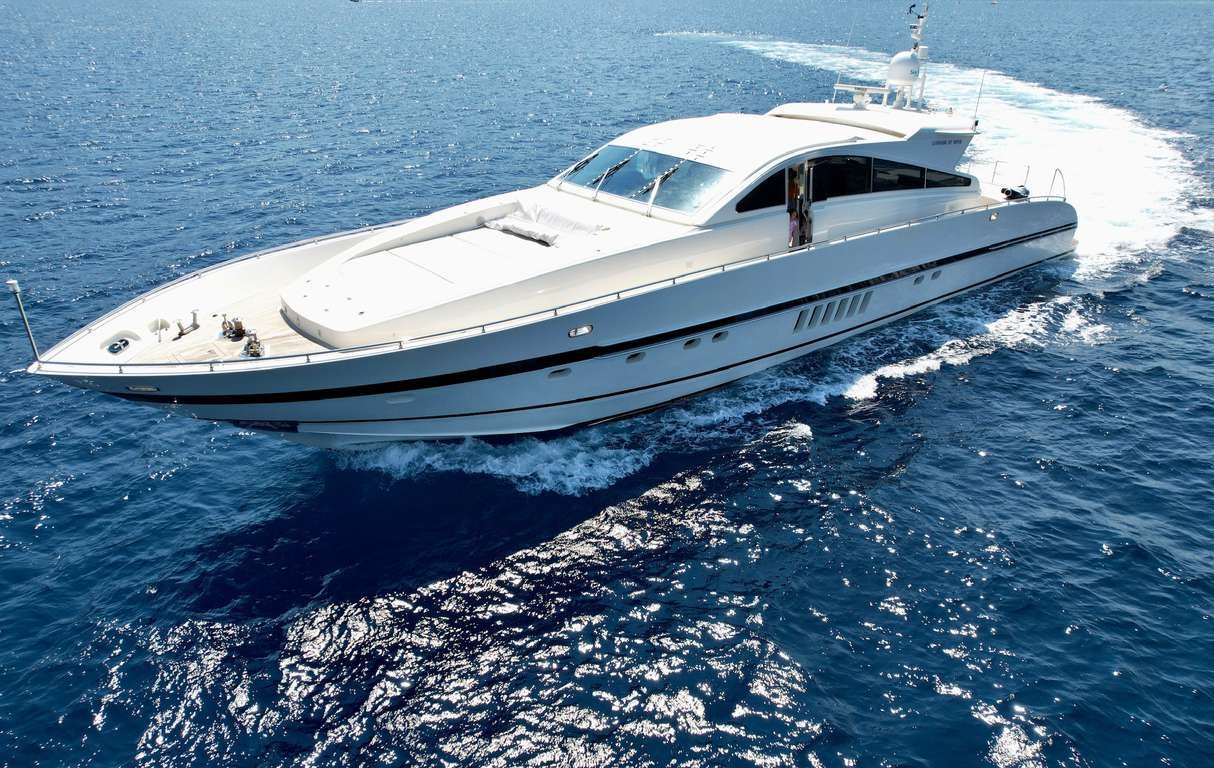
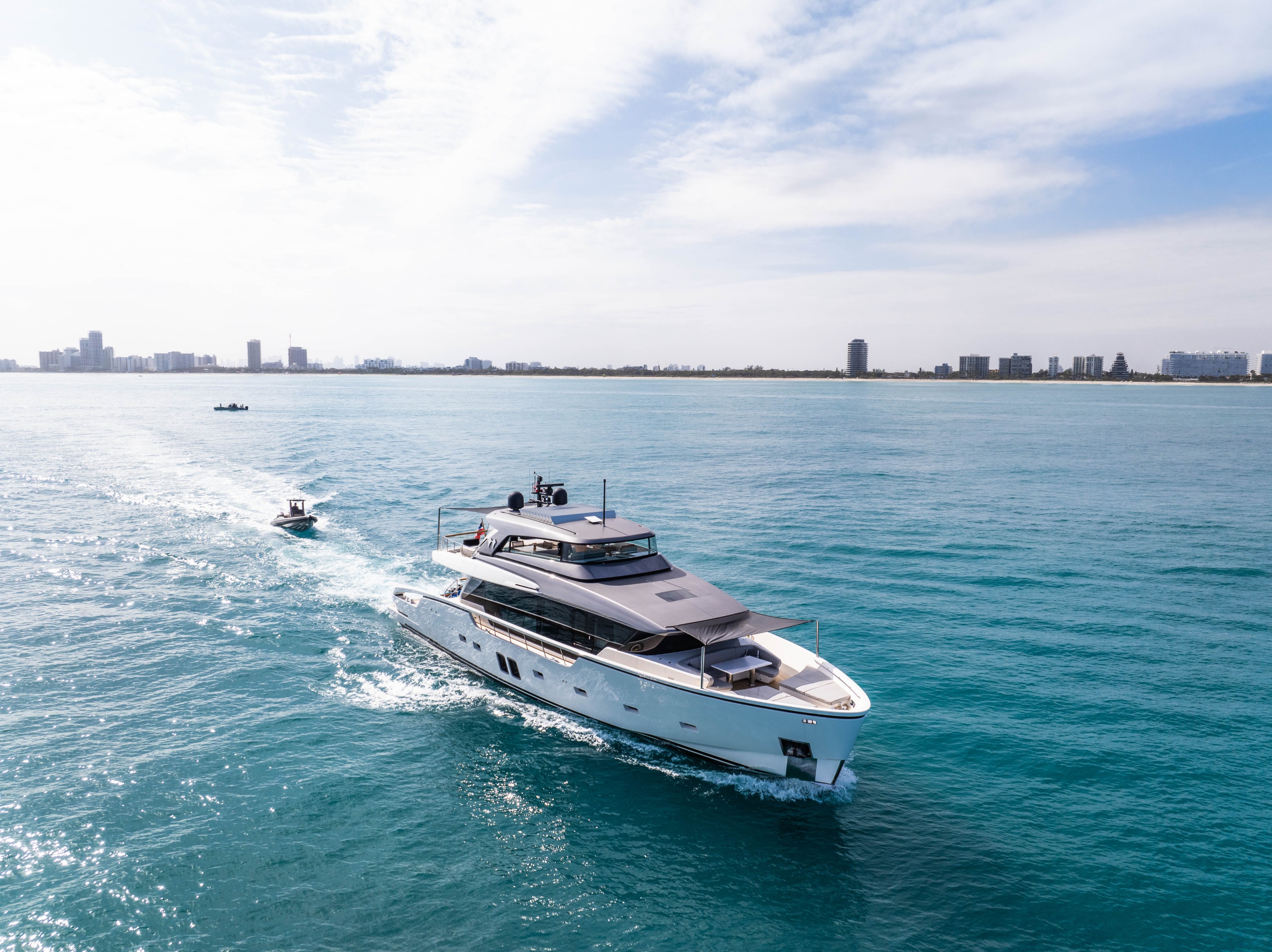
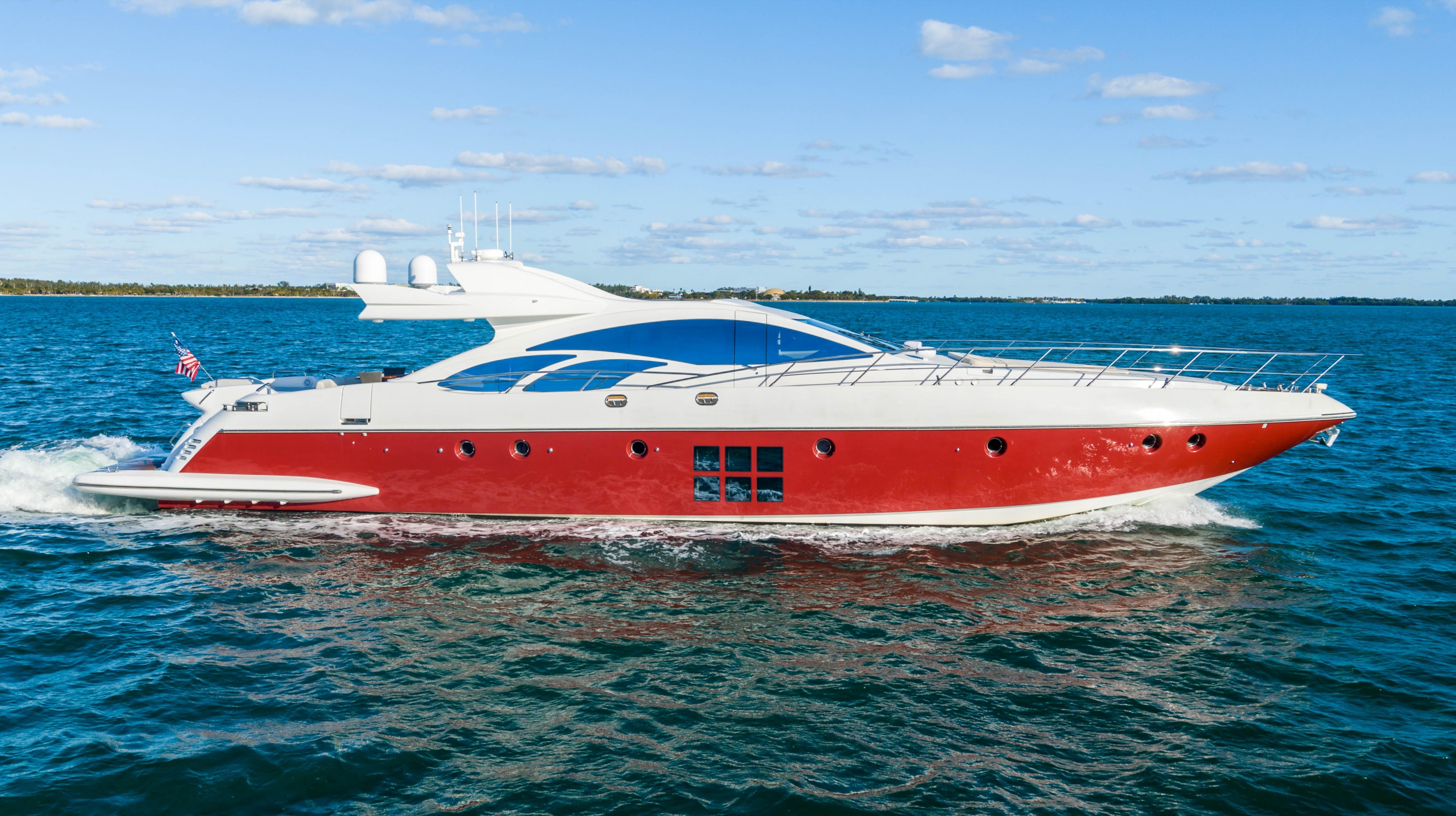
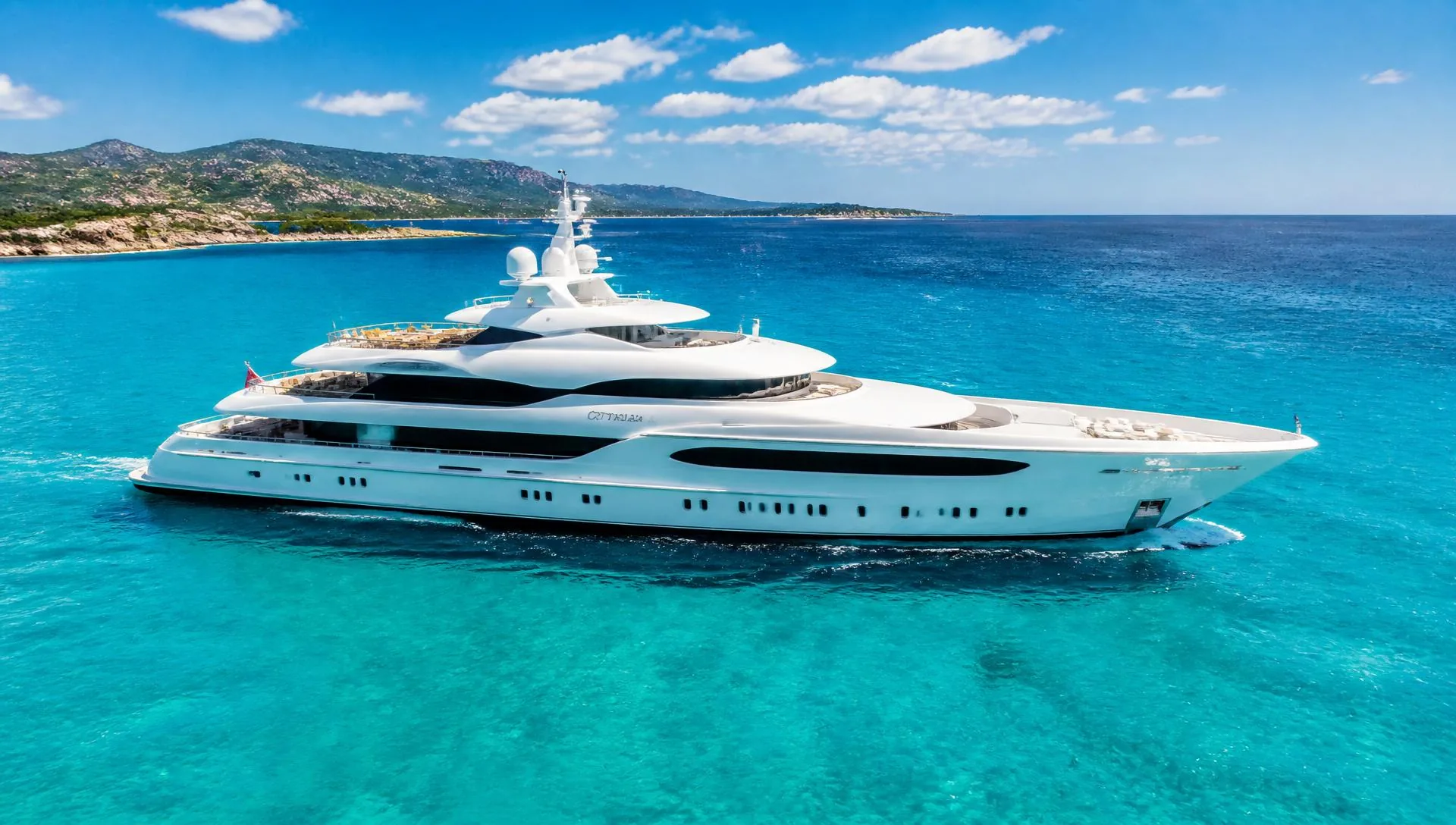
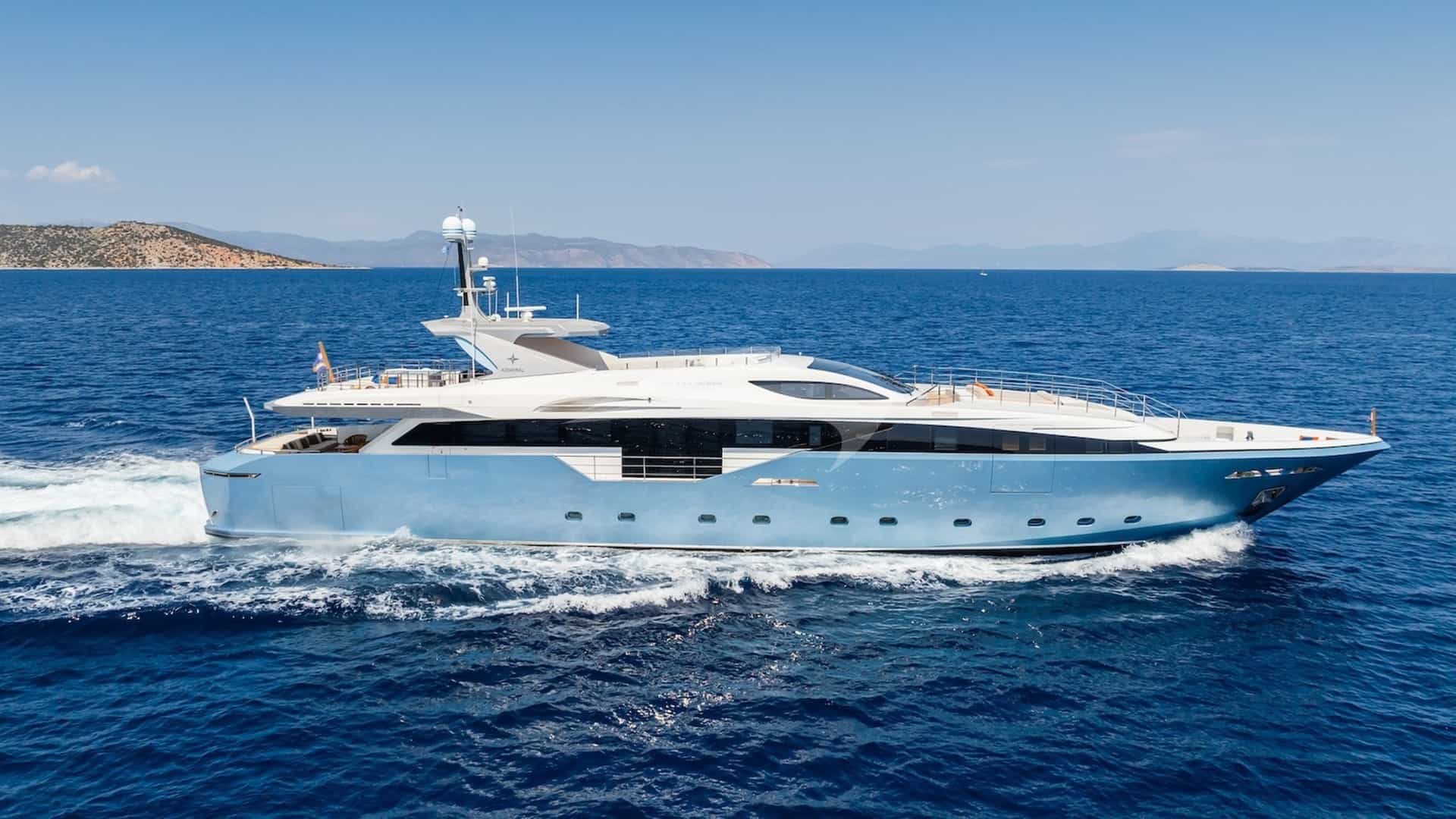
32 m · 10 guests · Azimut Yachts
Anchor at Anchor in The Bight, Norman Island
Embark in Tortola at Nanny Cay or Wickhams Cay. Provisioning, briefing, then a short hop to Norman Island's Bight for a Painkiller at the Willy T.
Pusser's · Willy T floating bar
Provisioning at Riteway in Road Town
Painkiller cocktail at Pusser's Marina Cay
Tender to the Willy T floating bar
Day 3 — The Baths, Virgin Gorda
Anchor at Day moor at The Baths (mooring buoys, no anchoring); overnight in Spanish Town
The Baths on Virgin Gorda — house-sized granite boulders forming sea caves and shallow grottos. Get there early, before the cruise ship tenders arrive.
Top of the Baths · Hog Heaven for sunset views
Walk the boulder trail from The Baths to Devil's Bay
Snorkel between the granite columns
Lunch at Top of the Baths with its infinity pool
Day 4 — Anegada
Anchor at Anchor inside the reef off Setting Point
North to Anegada — the only coral atoll in the BVI, with an 18-mile reef and the BVI's famous spiny lobster. Beach barbecue lunch at Cow Wreck Beach.
Cow Wreck Beach Bar · Anegada Reef Hotel · Potter's by the Sea
Cow Wreck Beach lobster lunch
Snorkel Loblolly Bay's reef
Flamingo spotting in the salt ponds
Day 5 — Jost Van Dyke
Anchor at Anchor in Great Harbour or White Bay
Jost Van Dyke — the BVI's party island, in a friendly Caribbean way. Foxy's at Great Harbour, then over to Soggy Dollar at White Bay for the original Painkiller.
Foxy's · Soggy Dollar · One Love
Wade ashore to Soggy Dollar for a Painkiller
Beach BBQ at Foxy's Great Harbour
Bubbly Pool on the north shore (best with swell)
Day 6 — Norman Island
Anchor at Anchor in The Bight, Norman Island
Back to Norman Island for The Caves and The Indians — the BVI's best snorkelling spots, with parrotfish, sergeant majors and a permanent kaleidoscope of light.
Pirates Bight · Willy T
Snorkel The Caves on Norman's south shore
Snorkel The Indians — four pinnacles teeming with fish
Hike to the ridge for the panoramic island view
Day 7 — Cooper Island
Anchor at Mooring buoys in Manchioneel Bay
Cooper Island — a small, low-key cay with one of the BVI's best coral conservation programs. Sunset dinner at the Cooper Island Beach Club.
Cooper Island Beach Club
Snorkel Cistern Point at Cooper's north end
Visit the Cooper Island Rum Bar — 280 rums in stock
Dive Wreck of the Rhone (Salt Island, nearby)
Day 8 — Tortola
Anchor at Berth at Nanny Cay or Soper's Hole
Final morning hop back across Sir Francis Drake Channel to Tortola. Last swim at Smuggler's Cove on the west end, then disembarkation.
Sugar Mill Hotel · Quito's Gazebo at Cane Garden Bay
Last swim at Smuggler's Cove
Brunch at the Sugar Mill Hotel
Walk the ruins of the old plantation
Source itinerary: British Virgin Islands (7 days)
Which gateway do guests fly into for Tortola Yacht Charter?
Terrance B. Lettsome International (EIS)
Beef Island
Handles private-jet arrivals.
Which yachts base here?
32 m · 10 guests · Azimut Yachts
35.4 m · 10 guests · Pershing
16.8 m · 4 guests · Van Dutch
34.6 m · 10 guests · Ocean Alexander
Where do guests stay the night before boarding?
Rosewood resort on Virgin Gorda.
Classic BVI shore stop within an easy cruise of Tortola.
Scrub Island Resort, Autograph Collection
Private-island resort and marina off Tortola's east end.
Own marina a short hop from Trellis Bay and the airport.
Where do guests eat ashore?
Beachfront dinner stop on Virgin Gorda for BVI itineraries.
Nanny Cay marina dining directly on the dock.
What is worth a shore day here?
Granite grottoes reached by tender from Devil's Bay.
Answered
Each answer is drawn from a certified record in our knowledge graph, with the evidence and its confidence shown. Where we hold nothing, we say so rather than estimate.
The questions our records can answer with evidence today.
Which airport is best for reaching Tortola?
Tortola is served by Terrance B. Lettsome International (EIS) in our graph. Terrance B. Lettsome International handles private-jet arrivals.
Where should I spend a week if I start in Tortola?
British Virgin Islands runs 7 days from Tortola, calling at Tortola, The Baths, Virgin Gorda, Anegada and Jost Van Dyke.
Can I arrive by private jet for a charter in Tortola?
Terrance B. Lettsome International (EIS) is recorded as jet-capable for Tortola. Slots, handling and FBO availability are confirmed by the operator, not by us.
How many days should I plan for a charter in Tortola?
Our published route British Virgin Islands runs 7 days across 7 stops, which is the duration we can evidence for Tortola.
Where should I stay in Tortola before boarding?
Rosewood Little Dix Bay and Scrub Island Resort, Autograph Collection are the shore-stay records we hold for Tortola.
When is the best time to charter in Tortola?
The dated activity we hold for Tortola falls in March, driven by BVI Spring Regatta and Sailing Festival. We do not forecast weather or sea state.
Which yachts are documented in Tortola?
105 YCG (32 m), 116' PERSHING (35.4 m) and 55 VANDUTCH (16.8 m) are linked to Tortola in our fleet graph. We never hold availability or position — a broker confirms both.
Which events are worth planning a charter around in Tortola?
BVI Spring Regatta and Sailing Festival (March) are on record for Tortola. Event-week berths book far ahead; we do not hold berth availability.
Is Tortola better for a weekend or a full week?
The route we publish for Tortola is 7 days, so a full week uses the cruising ground as documented; a weekend covers only the first stops.
Which yacht in Tortola suits a larger party?
105 YCG records 10 guests in 5 cabins, built by Azimut Yachts — the largest guest count linked to Tortola.
When is BVI Spring Regatta and Sailing Festival in Tortola?
BVI Spring Regatta and Sailing Festival is recorded in March (regatta). Exact dates are set by the organiser.
Arrival
Gateways, transfer times and the door-to-deck plan — mapped against the berths you would actually use.
Terrance B. Lettsome International (EIS)
FBOs: Terrance B. Lettsome general aviation handling
Door-to-deck planning with our sister company Limitless Sky. Times and prices are indicative, never a quote.
Composing the journey…
Private aviation
Limitless Sky arranges the private jet or helicopter leg into Tortola; Blue Ocean Club coordinates the yacht side so you step straight from runway to passerelle.
View Tortola on Limitless SkyEstimate on request within 1–2 hours.
Limitless Sky is an independent aircraft charter broker and our sister company; it operates under its own terms and conditions. Blue Ocean Club does not operate aircraft and arranges yacht charter only.
Ashore
Where our clients stay, eat and spend their days off the yacht — each entry held as a verified record, not a listing.
Classic BVI shore stop within an easy cruise of Tortola.
Scrub Island Resort, Autograph Collection
Own marina a short hop from Trellis Bay and the airport.
Caribbean
Nanny Cay marina dining directly on the dock.
Asian-Latin
Beachfront dinner stop on Virgin Gorda for BVI itineraries.
nature
Granite grottoes reached by tender from Devil's Bay.