

Turks & Caicos Yacht Charter
For a crewed yacht charter in Turks & Caicos, this Caribbean destination offers essential information regarding berths, itineraries and APA guidance. Marinas on record include the Turks & Caicos Hub Berths, which accommodate yachts up to an indicative 40 metres LOA. Two routes are available: the 7-Day Turks & Caicos Yacht Charter Itinerary: Unspoilt Caribbean Beaches, and the 5-Day Turks & Caicos Yacht Charter: Family Adventure & Water Sports.

Privacy, pace, and places you cannot reach by road.
Why charter a yacht in Turks & Caicos.
A luxury yacht charter Turks & Caicos rewards guests with a combination you cannot replicate from a hotel: total privacy, an itinerary that flexes around your party, and access to coves, restaurants and reefs that road-bound travellers simply never see. Blue Ocean Club curates Turks & Caicos cruises across motor yachts, sailing yachts, catamarans and superyachts — every option live-priced against the global live availability feed and presented with our 100% best-price guarantee.
Turks & Caicos sits at the heart of one of the world's great cruising grounds. Days unfold at the pace of the sea: long swims off the platform, lunch at a beach club where your concierge has held the best table, an afternoon cruise to a quieter anchorage, cocktails on the bow as the light softens. The captain rewrites tomorrow's plan based on tonight's weather and your party's mood.
Blue Ocean Club matches each crewed yacht charter Turks & Caicos enquiry to yachts whose published operating area, specifications and current availability fit the requested dates. The final shortlist is checked against the yacht's authorised charter information before contract, and route details remain subject to operating conditions and the captain's final approval.
Yacht charter in Turks & Caicos — what to expect.
Season, route, hull and investment — the four things every guest asks before we lock a yacht.
The established charter window used for planning in this cruising region is December through April. Conditions still vary by exact dates and route, so the captain's forecast and operating advice govern the final itinerary.
The strongest Turks & Caicos itinerary is built from destination-specific marinas, anchorages and places that are actually available for the requested dates. The route remains flexible around weather, berth availability, local restrictions and the yacht's operating limits.
The most suitable yacht for Turks & Caicos depends on guest count, layout preference, draft, range, speed and the intended itinerary. Compare the verified specifications on the individual yacht listings rather than relying on a generic destination-wide yacht type.
Charter pricing in Turks & Caicos depends on the yacht, dates, operating area and the final charter terms. Verified yacht rates are shown on individual listings when available; taxes, operating expenses, provisioning and any other booking-specific charges are confirmed before contract rather than estimated from a global template. Minimum charter duration is yacht- and date-specific.

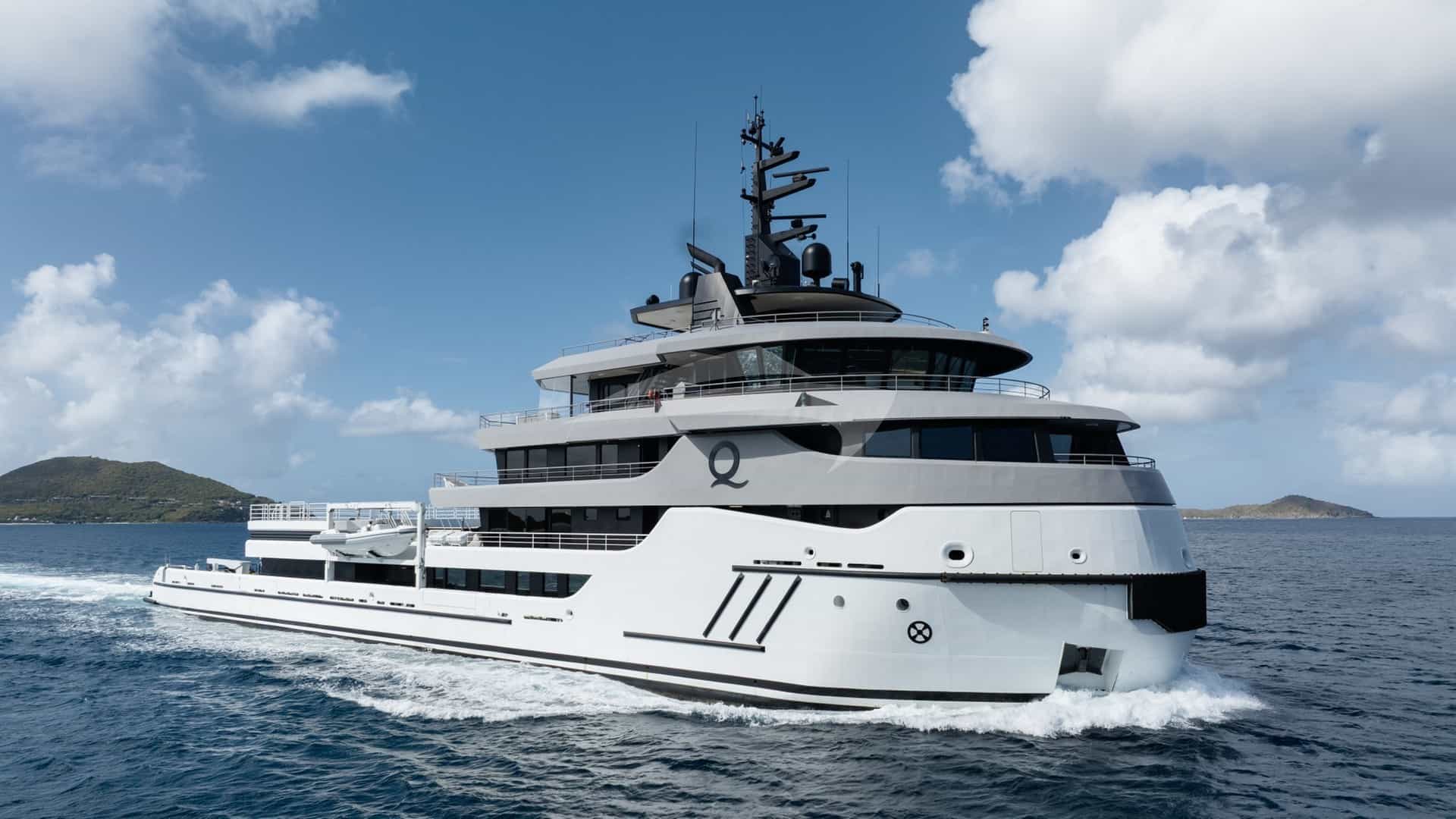
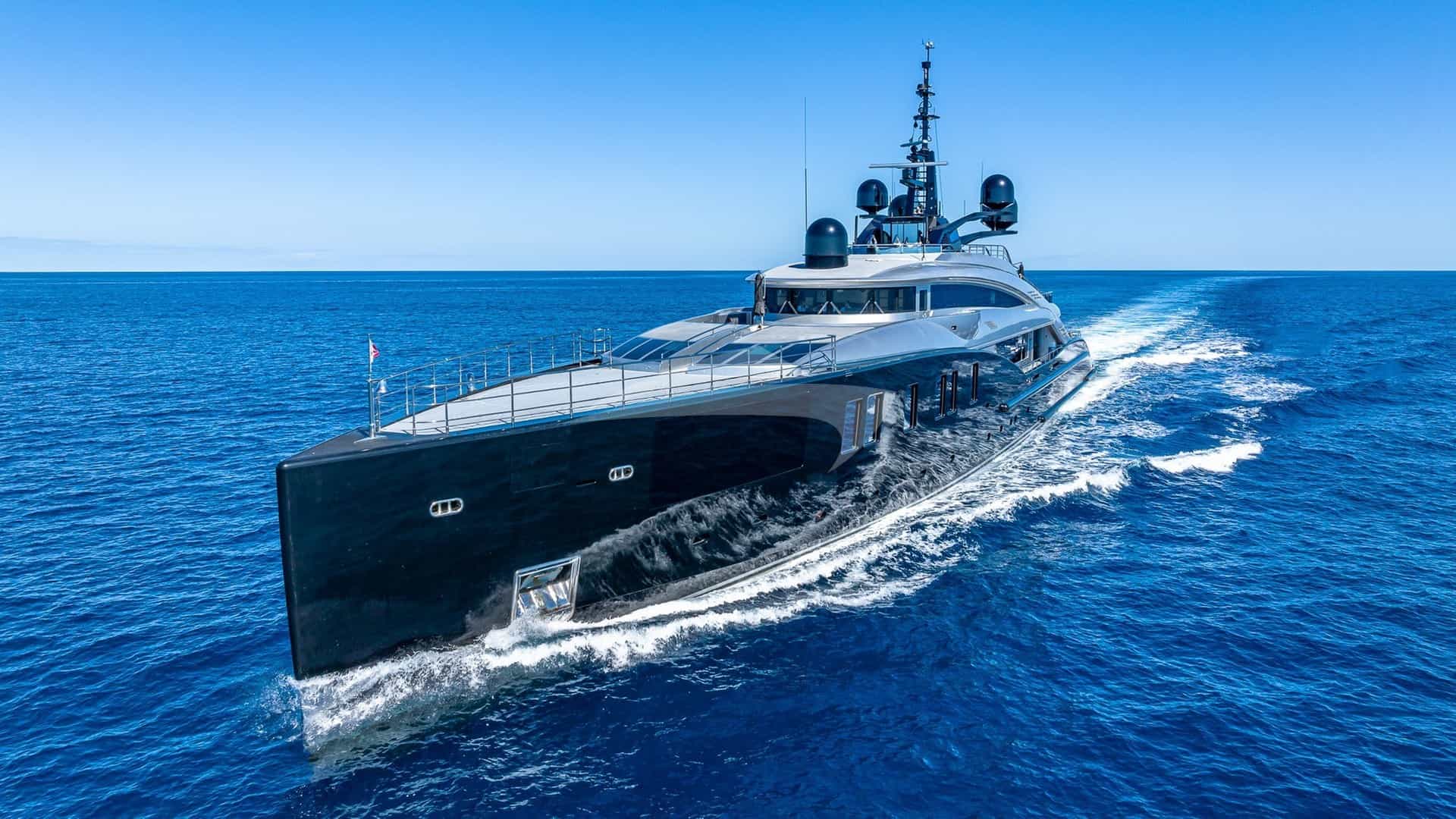
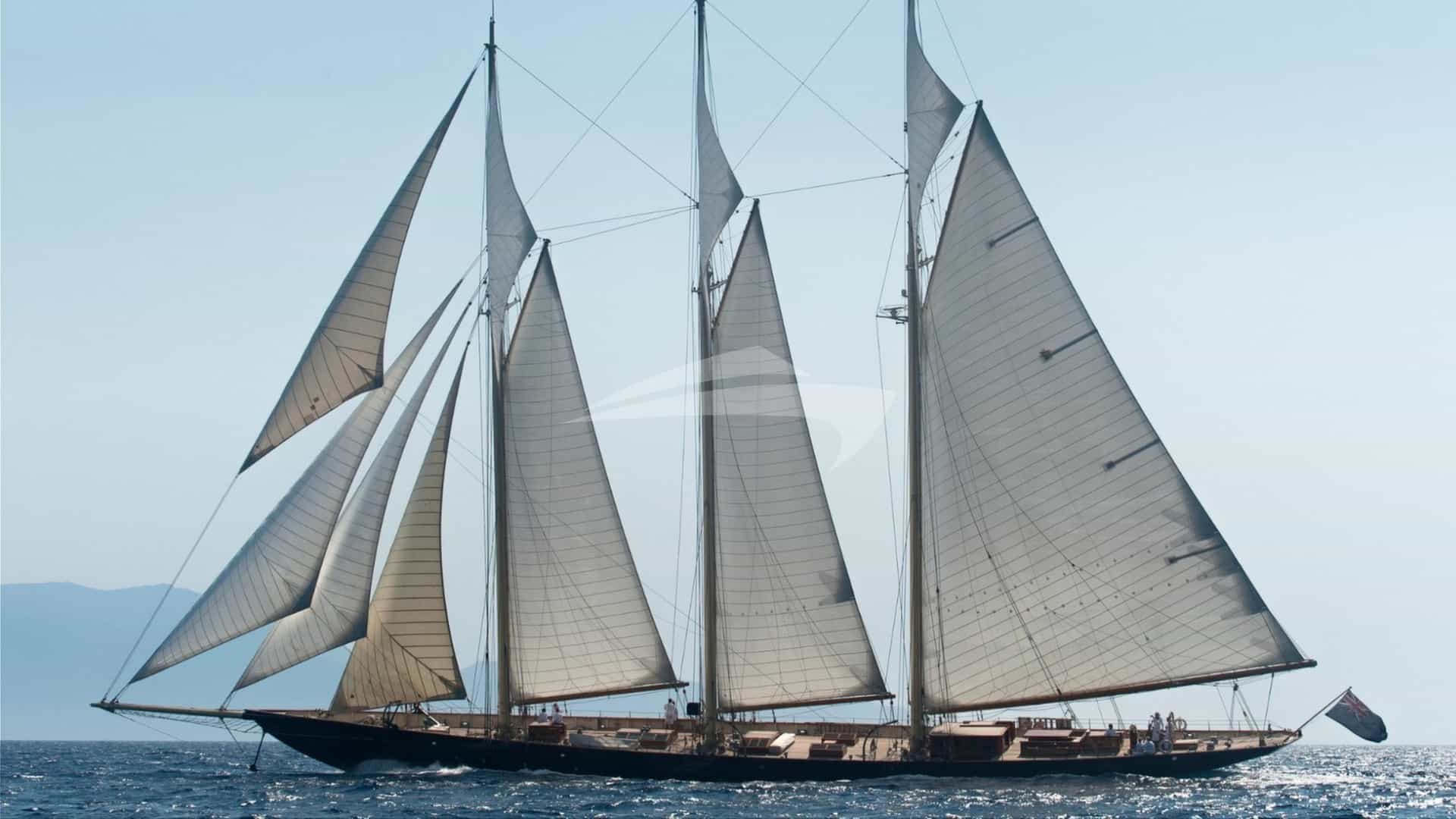
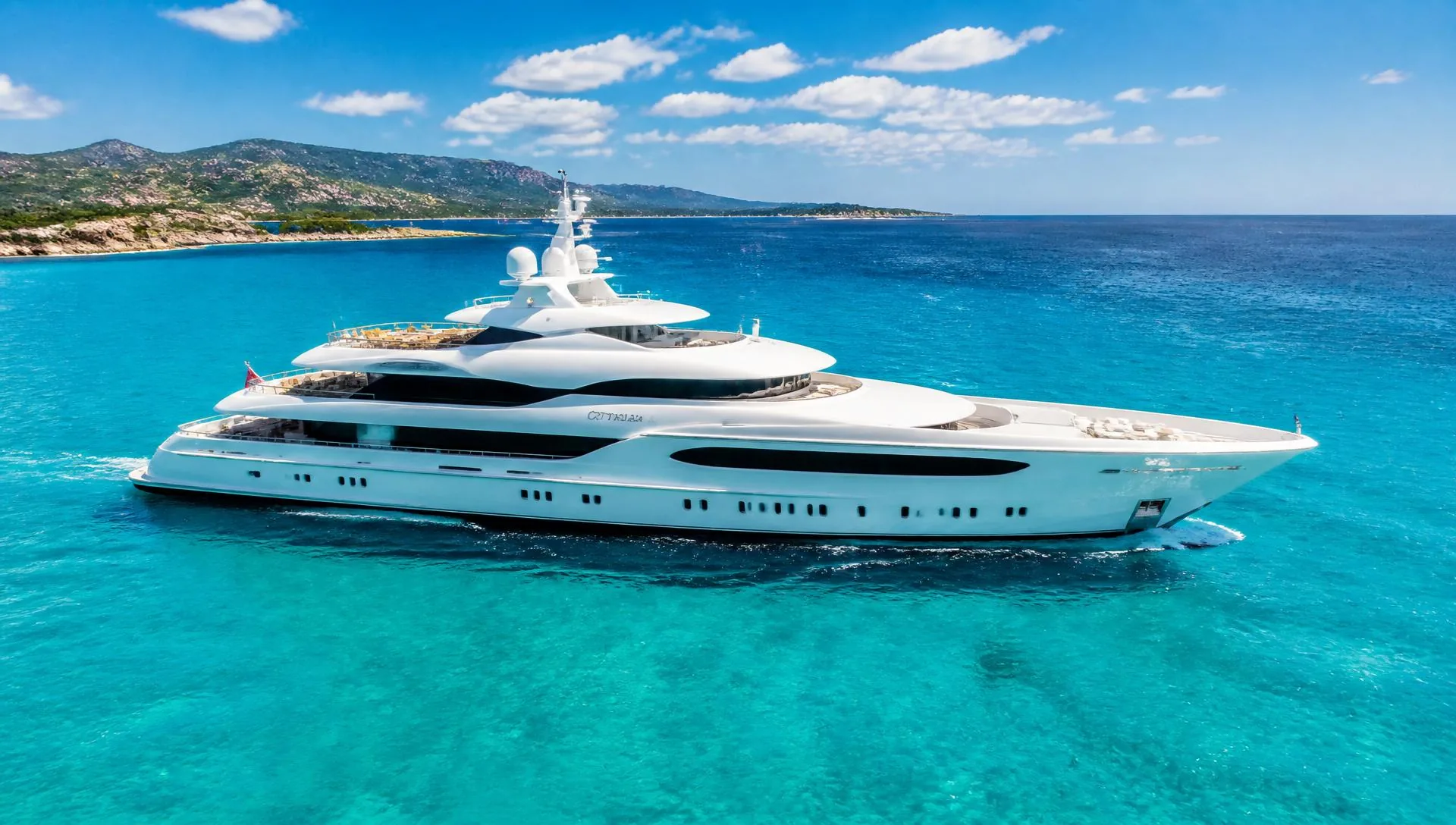
Featured yachts in Turks & Caicos Yacht Charter.
Live pricing — charters from €38,500 / week
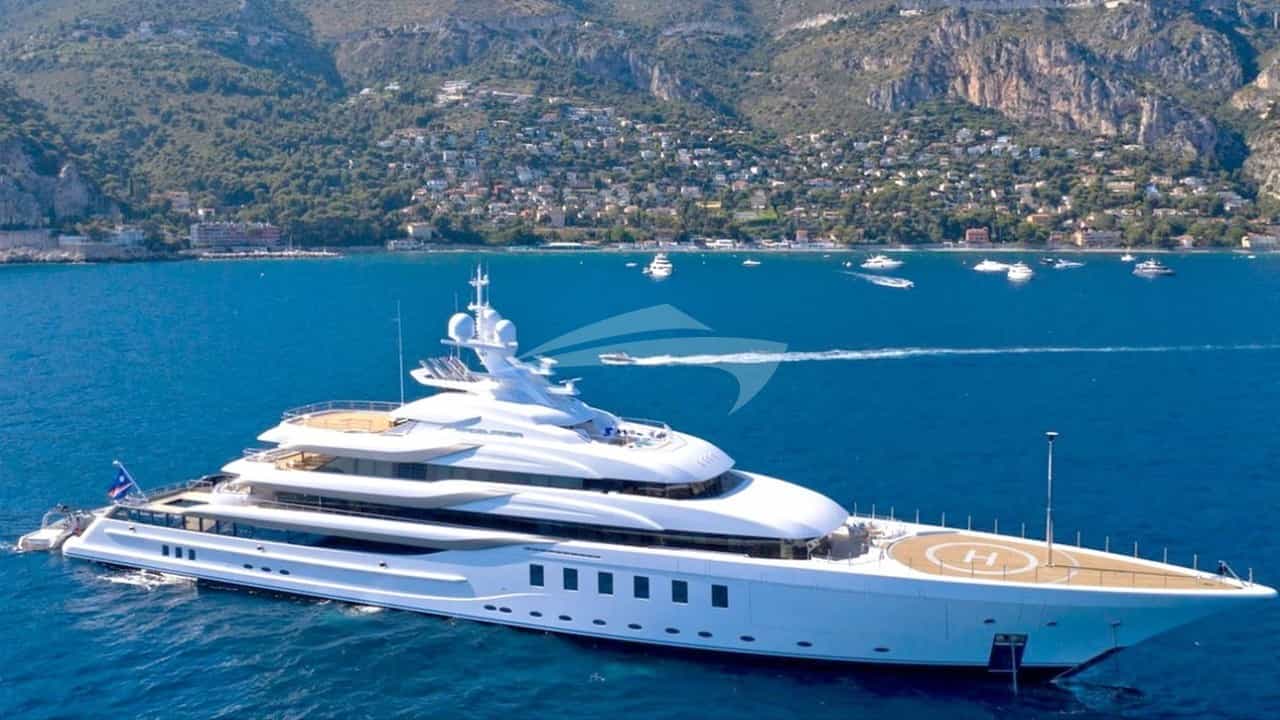
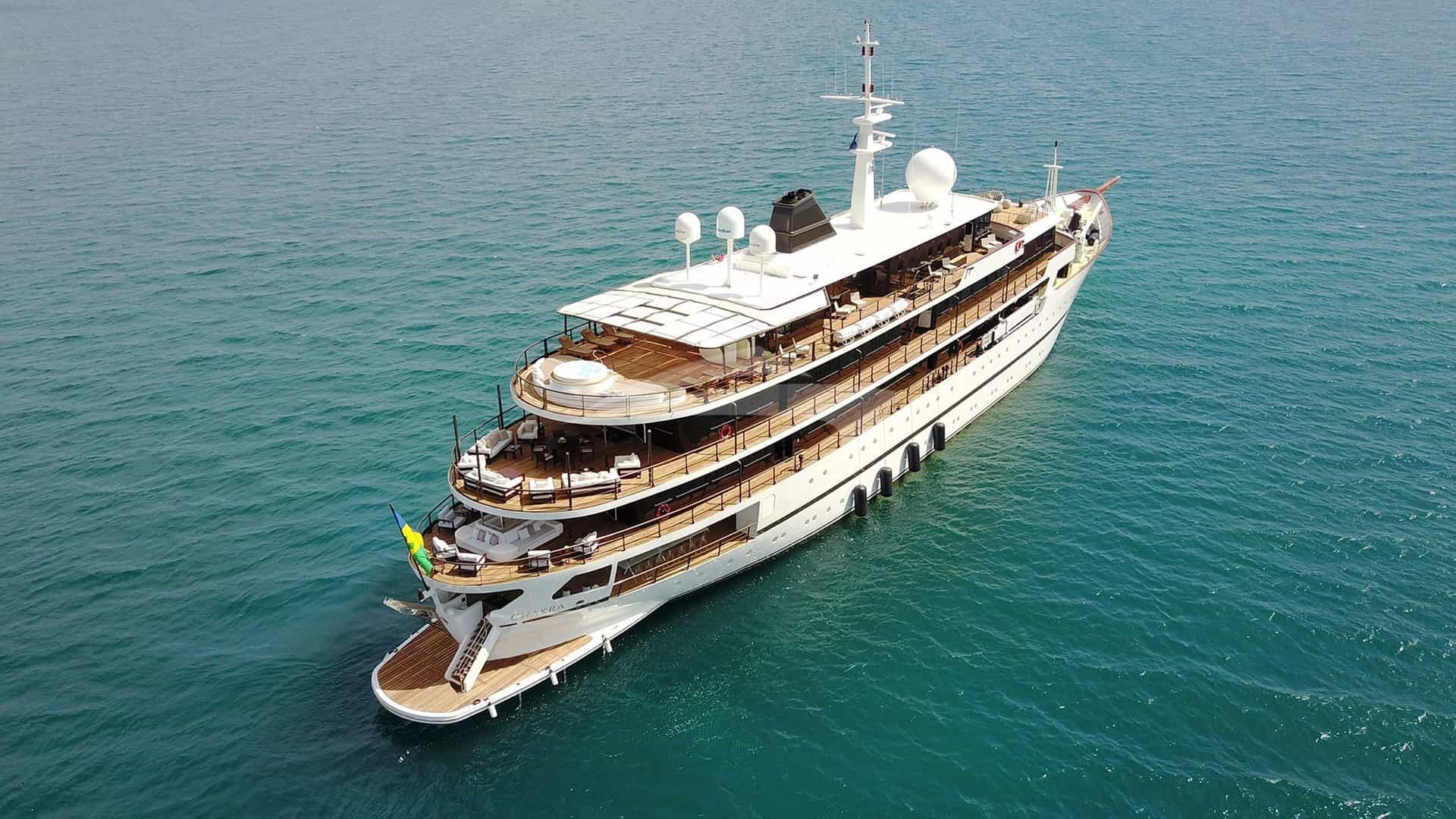
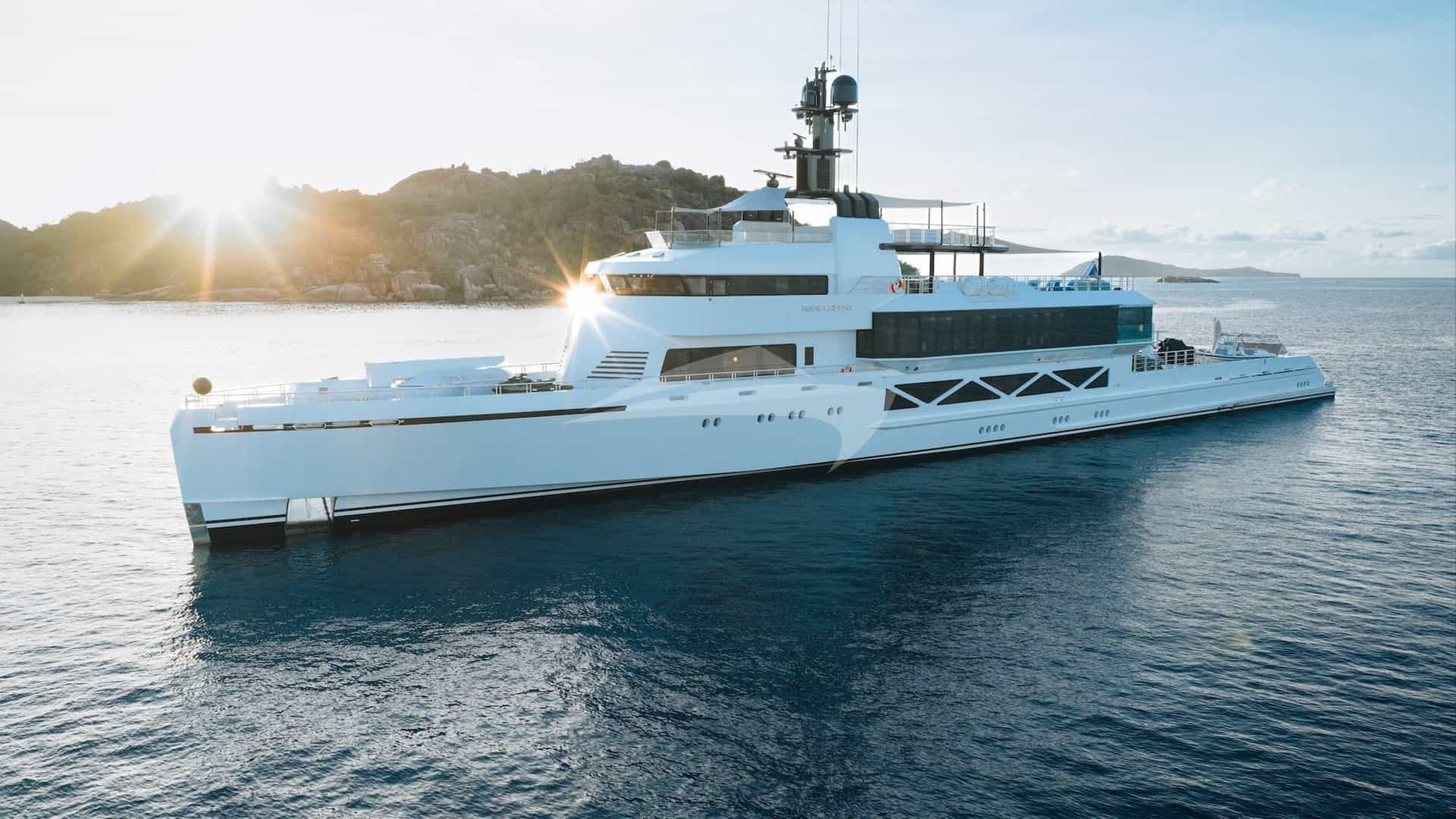
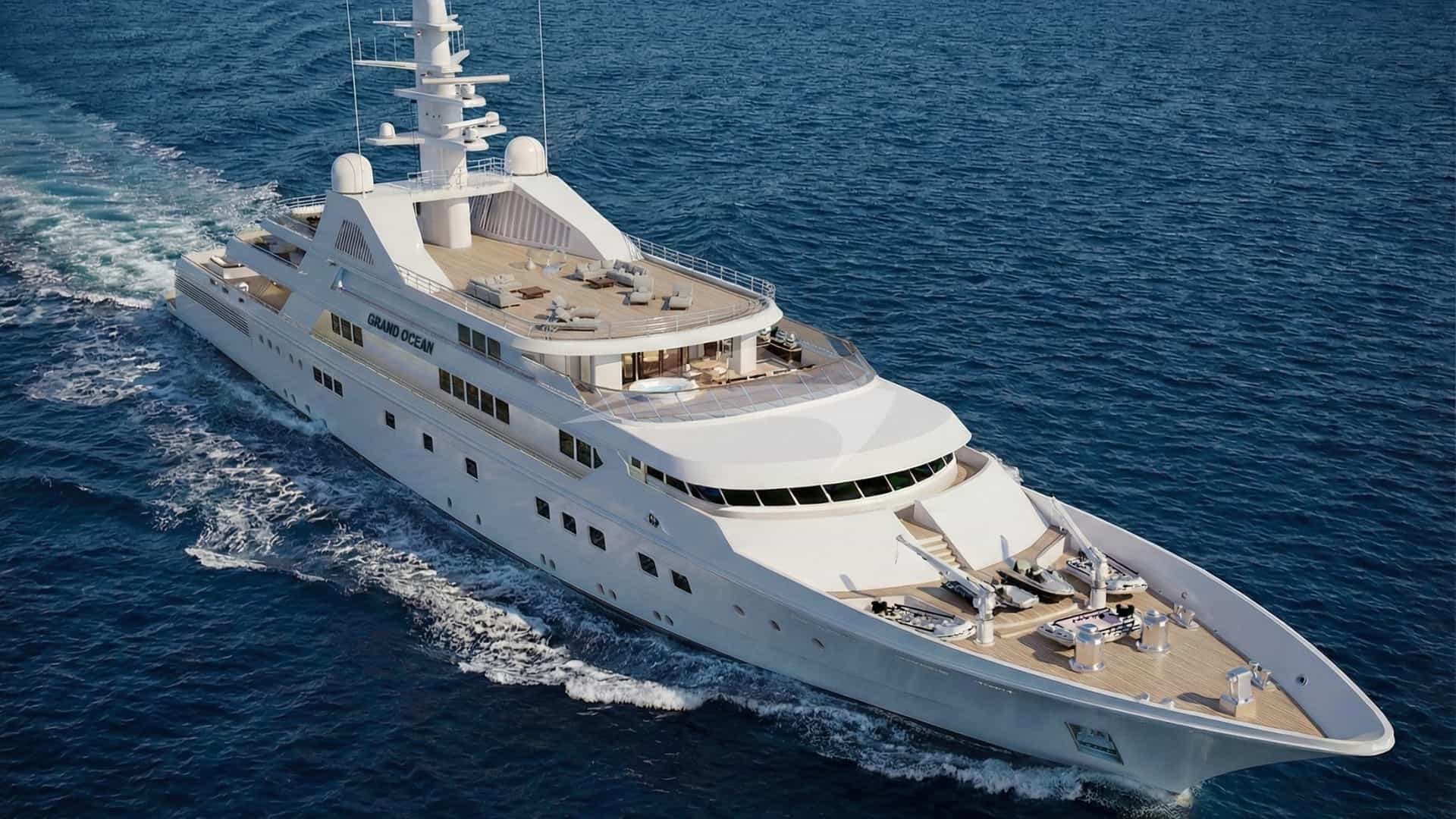
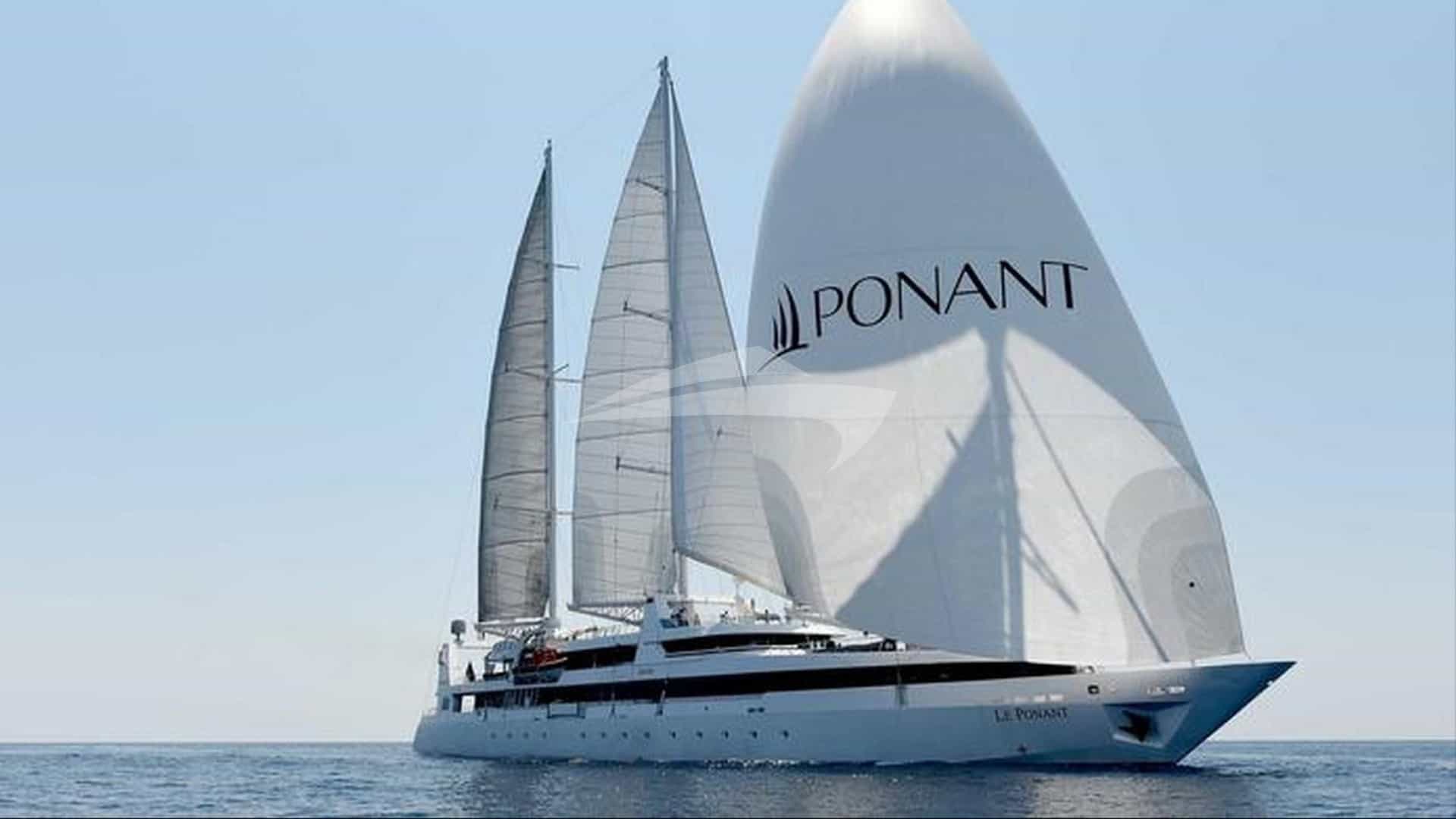
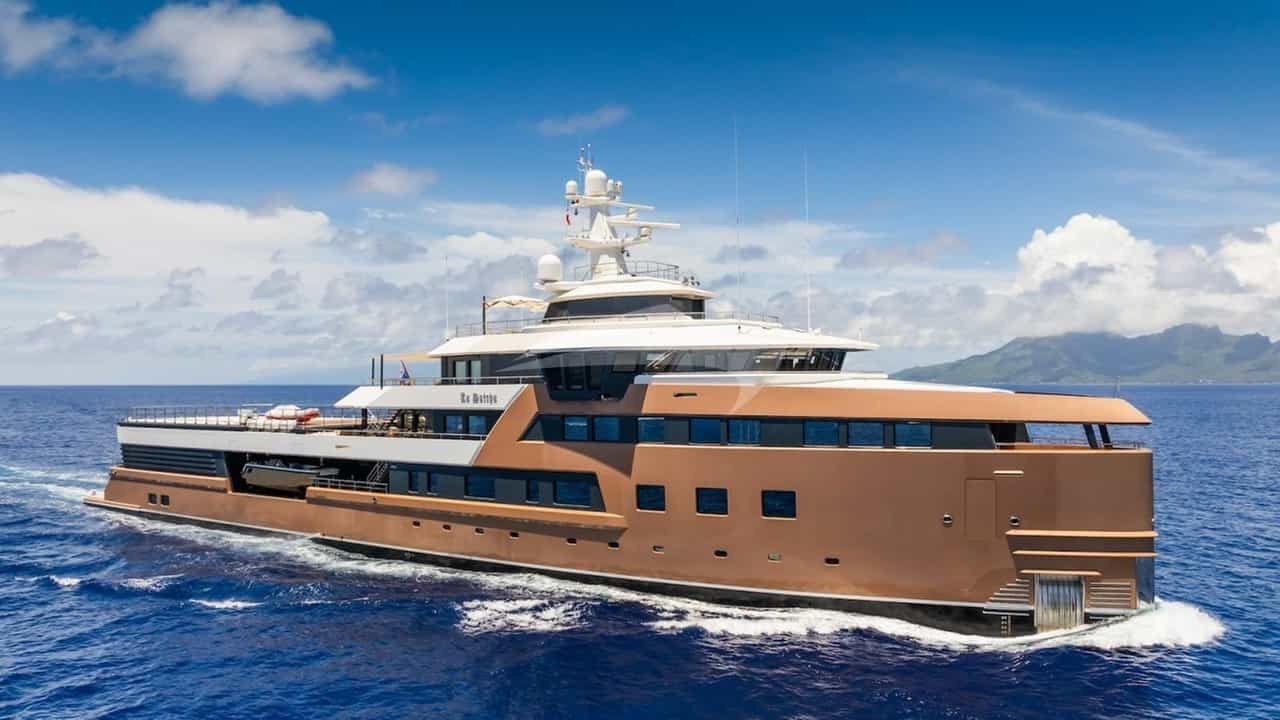
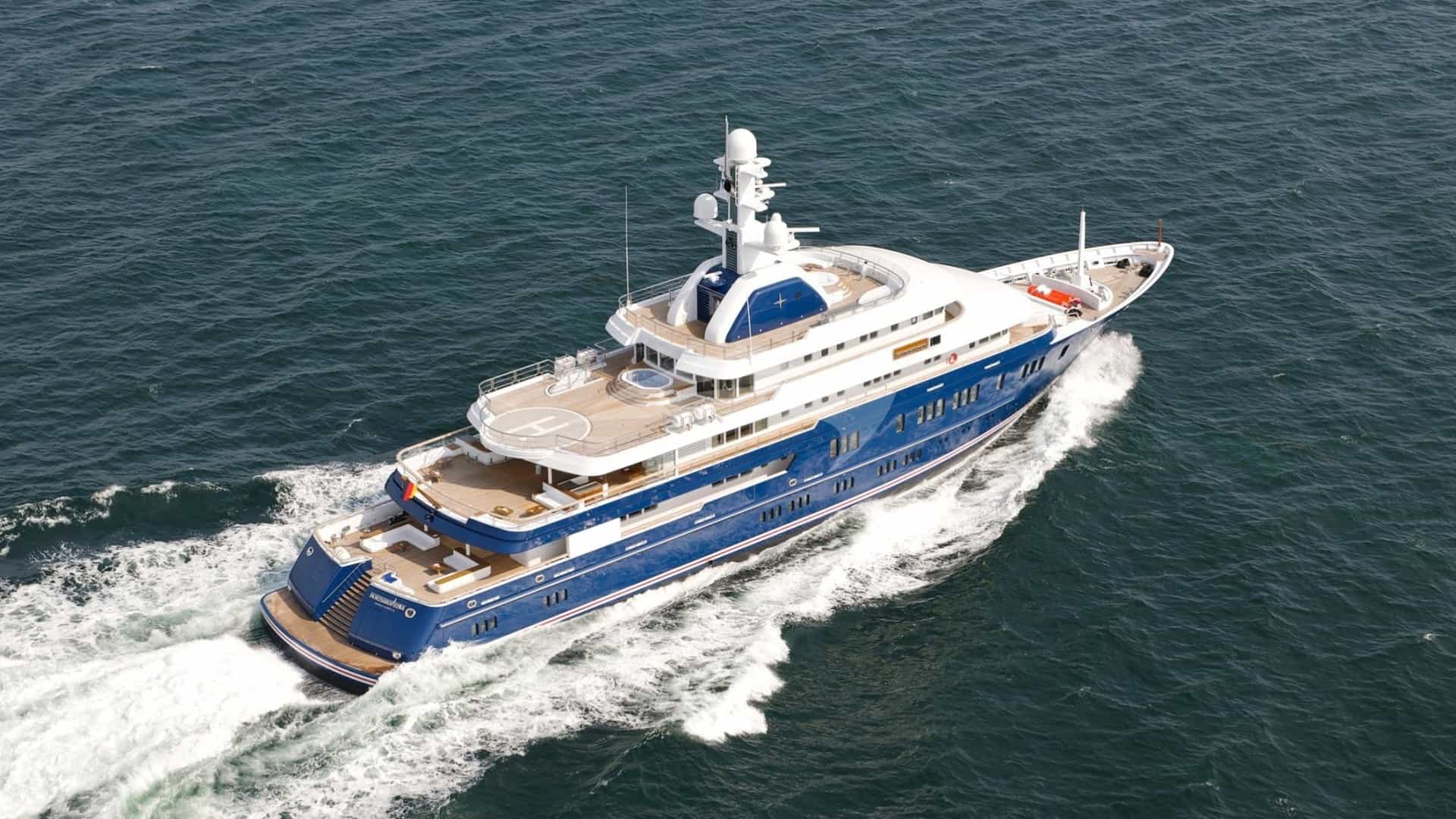

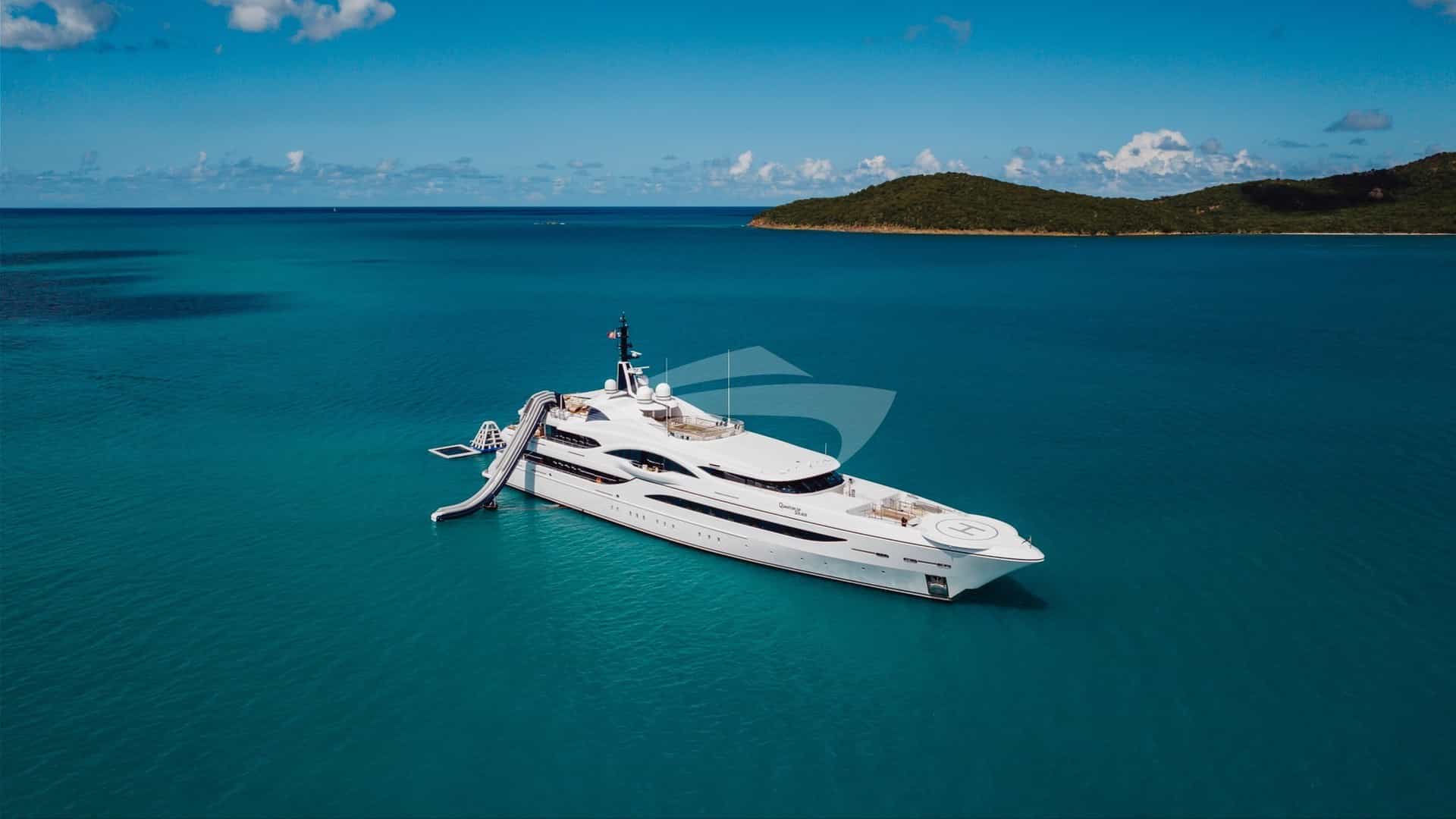
Things to do on your Turks & Caicos charter.
From quiet anchorages to time ashore — a planning sample to adapt around the yacht, local conditions and verified availability.
- 01Onboard time
Swimming, dining and relaxation shaped around the facilities of the yacht selected
- 02Water activities
Use the water toys and sports equipment actually carried by the yacht, where local rules allow
- 03Shore visits
Add towns, beaches, restaurants or cultural stops when verified locally and available for your dates
- 04Private dining
Plan menus with the yacht's confirmed crew and the provisions available for the charter
- 05Flexible days
Keep the route responsive to weather, berth availability and the captain's operating decisions
When to charter in Turks & Caicos.
The prime window for a yacht charter Turks & Caicos runs December through April.

Plan your week in Turks & Caicos.
Share a few details and we will return a private yacht shortlist — availability, APA guidance and a clear next step — within one working day.
Enquire
Enquire for Turks & Caicos
Tell us dates, party size and yacht style — we shortlist live availability with APA and door-to-deck before you fly.
Turks & Caicos yacht charter FAQs.
How much does a yacht charter in Turks & Caicos cost?+
What yacht type is suitable for Turks & Caicos?+
When is the best time to charter in Turks & Caicos?+
What is included in a crewed yacht charter in Turks & Caicos?+
Can the Turks & Caicos itinerary be customised?+
What entry or cruising requirements apply in Turks & Caicos?+
Why charter Turks & Caicos with us.
Independent brokerage with live inventory, transparent pricing, and a concierge that works the coast before you step aboard.
- 01Speed
Real-time availability
Live availability feed across 2,000+ yachts — hold and confirm in hours, not weeks.
- 02Trust
100% best-price guarantee
We do not mark up the charter fee. The price you see is the operator's price.
- 03Integrity
Independent advice
Our recommendations follow the boat, not a commission — owners pay us, not introducing brokers.
- 04Craft
Concierge depth
Restaurants, transfers, private guides, helicopters and beach clubs handled long before you board.
Tell us your dates and party — we return three live options within the day.
Ready to charter in Turks & Caicos?
Tell us your dates, party size and what makes a perfect day on the water. We reply within one working day with a curated shortlist and a transparent quote.
How our Turks & Caicos guide is compiled.
Prepared by the Blue Ocean Club editorial team from the cited destination and charter sources available for this page. This page is maintained by the Blue Ocean Club charter desk — editorial content, not an independent certification.
- Experience
Destination intelligence coverage
This guide currently connects 60 charter yachts on record. Counts describe records available to the page, not first-hand visits or live availability.
- Expertise
Editorial provenance
Prepared by the Blue Ocean Club editorial team from the cited destination and charter sources available for this page.
- Authoritativeness
Where the facts come from
No curated citation set is attached to this destination yet. Unsupported source claims are not added as a fallback.
- Trust
Last data refresh
The underlying destination record was last refreshed 26 July 2026. A data refresh is not presented as a human verification event.
- Limitation
What we never state
We do not treat database inventory as live availability and do not present unverified operator pricing or operator terms as confirmed facts. Availability, rates, taxes, berth suitability and charter terms are confirmed for the specific enquiry.