

Great Barrier Reef Airport, Hamilton Island (HTI)
Hamilton Island
Handles private-jet arrivals.
- Record: airport · verified
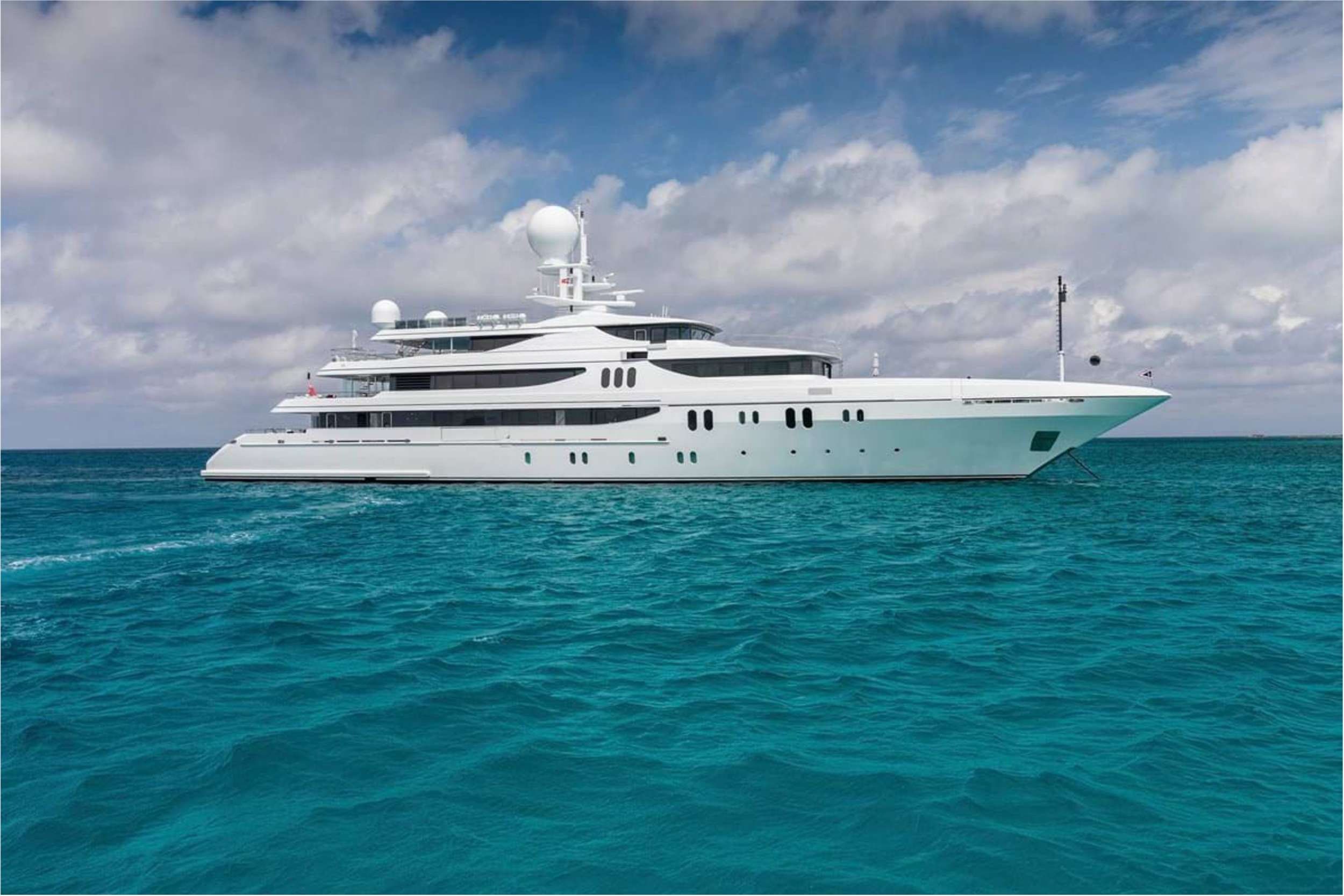
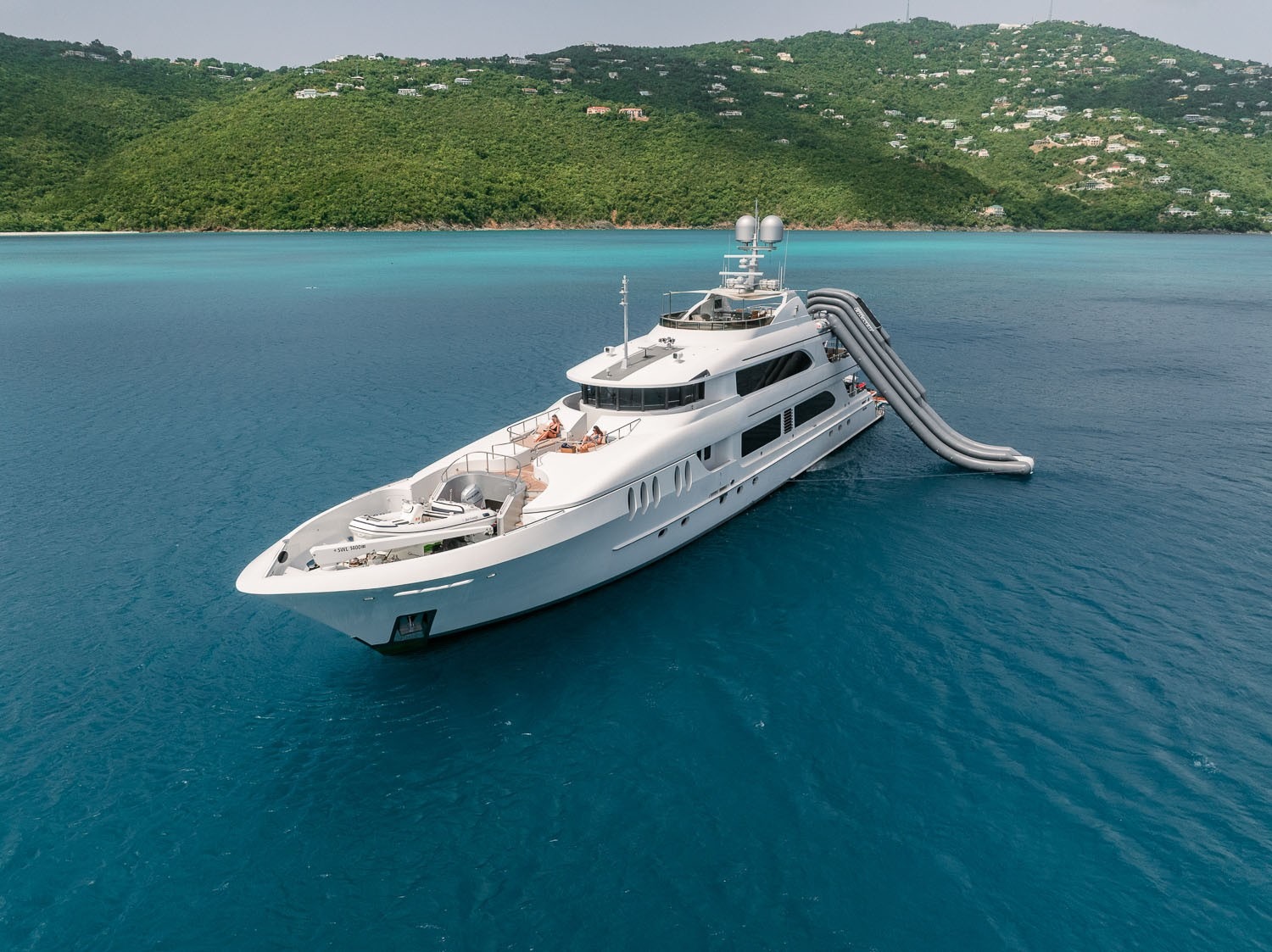
When planning to charter a luxury yacht for the Whitsunday Islands in the Pacific & Americas, clients can choose crewed motor yachts, sailing yachts and catamarans from Blue Ocean Club with real-time availability for 2026. Established itineraries on record for this destination include the 7-day Whitsunday Islands Yacht Charter: Classic Reef & Island Explorer and the 10-day Whitsunday Islands Yacht Charter: Secluded Reefs & Island Serenity.
Privacy, pace, and places you cannot reach by road.
A luxury yacht charter Whitsunday Islands rewards guests with a combination you cannot replicate from a hotel: total privacy, an itinerary that flexes around your party, and access to coves, restaurants and reefs that road-bound travellers simply never see. Blue Ocean Club curates Whitsunday Islands cruises across motor yachts, sailing yachts, catamarans and superyachts — every option live-priced against the global live availability feed and presented with our 100% best-price guarantee.
Whitsunday Islands sits at the heart of one of the world's great cruising grounds. Days unfold at the pace of the sea: long swims off the platform, lunch at a beach club where your concierge has held the best table, an afternoon cruise to a quieter anchorage, cocktails on the bow as the light softens. The captain rewrites tomorrow's plan based on tonight's weather and your party's mood.
Blue Ocean Club matches each crewed yacht charter Whitsunday Islands enquiry to yachts whose published operating area, specifications and current availability fit the requested dates. The final shortlist is checked against the yacht's authorised charter information before contract, and route details remain subject to operating conditions and the captain's final approval.
Executing a charter in the Whitsundays requires a shift in mindset from the Mediterranean or Caribbean model. This is not a destination for marina-hopping between celebrity-packed towns. The value proposition is access to the protected, largely uninhabited islands and fringing reefs of the Great Barrier Reef Marine Park. Success here is defined by logistical precision, understanding the regulatory framework of the Great Barrier Reef Marine Park Authority (GBRMPA), and managing client expectations around connectivity and land-based infrastructure. The entire operation hinges on the vessel’s specific GBRMPA permit, which dictates access, activities, and anchoring locations. Without verifying the permit's validity and scope, an itinerary is pure fiction.
The Whitsundays archipelago consists of 74 continental islands, of which 69 are designated national parks. The operational area is a compact and protected cruising ground, roughly 50 nautical miles from north to south. Unlike the open-water passages of other regions, charters here are characterized by short, sheltered transits between anchorages. The core experience is immersion in nature: secluded beaches, snorkeling on fringing reefs directly off the yacht, and hiking to lookouts. The main land-based touchpoints are Hamilton Island, the luxury resort on Hayman Island, and the mainland hub of Airlie Beach.
A critical point of clarification for principals is the distinction between the Whitsunday Islands and the Outer Great Barrier Reef. The islands themselves are surrounded by fringing reefs, which offer excellent and accessible snorkeling and diving. The iconic Outer Reef, with its vast coral structures like Hardy Reef and Heart Reef, lies approximately 30-50nm offshore. Accessing it is a full-day commitment, highly weather-dependent, and requires a vessel with the speed, capability, and correct GBRMPA permit zoning for that specific location.
Coral Sea Marina, Airlie Beach: This is the primary operational and provisioning base for the majority of the Whitsundays fleet. It offers berths for vessels up to 80m, comprehensive refuelling services, and direct access to quality provisioning networks in Airlie Beach. Crew changes and maintenance are managed here. For charters commencing from the mainland, this is the logical port of embarkation.
Hamilton Island Marina: The key advantage here is the airport (HTI), which accepts private jets and commercial flights from major Australian cities. This makes it the preferred embarkation/disembarkation point for fly-in clients. The marina can accommodate yachts up to 60m. However, provisioning on Hamilton Island is significantly more limited and expensive than on the mainland; it’s geared toward resort top-ups, not initial charter stocking. The island's golf-cart-only transport system also adds a layer of logistical complexity for moving large amounts of luggage and supplies.
International Clearance: There is no international port of entry within the Whitsunday Islands. Vessels arriving from overseas must clear in at a designated port such as Cairns to the north or Brisbane to the south. The Australian Border Force and biosecurity regulations are stringent and non-negotiable. Plan for a multi-day passage from the clearance port to the Whitsundays cruising ground.
Itinerary planning is dictated by the vessel’s GBRMPA permit, which specifies which zones and anchorages are accessible.
Whitehaven Beach & Hill Inlet: The marquee attraction. The 7km stretch of 98.9% pure silica sand is the primary draw. The best anchorage for access is in Tongue Bay on the northern end of Whitsunday Island. From here, a short tender ride and a 15-minute bushwalk lead to the lookout over Hill Inlet, providing the iconic view of the swirling sands and turquoise water. Timing this with a mid-to-high tide is crucial for the best visual effect. Anchoring directly off the main beach is possible but more exposed.
Nara Inlet, Hook Island: A deep, fjord-like inlet offering superb all-weather protection. It's a designated "quiet anchorage," meaning minimal tender traffic and noise. The key feature is a short walk to a cave with ancient rock art from the traditional Ngaro owners. It’s an excellent spot for paddleboarding and a secure overnight hold.
Cid Harbour, Whitsunday Island: A vast, protected harbour on the western side of the main island. It offers multiple secure anchoring options and was a staging point for the Allied fleet in WWII. While scenic, it is critical to note that due to a high concentration of sharks, swimming is strictly prohibited in all of Cid Harbour. This must be clearly communicated to all guests.
Hayman Island: The InterContinental resort offers the only five-star resort experience directly accessible by superyacht in the islands. The marina can accommodate vessels up to 45m. Berthing here allows guests to use the resort's restaurants, bars, and spa facilities (bookings are essential and subject to availability). It provides a polished, land-based interlude to a nature-focused charter.
Outer Reef Expedition: For vessels with the appropriate permits and range, a trip to a pontoon at Hardy Reef or a direct visit to Bait Reef is the pinnacle experience. This is where the world-class diving and snorkeling is found. The most exclusive add-on is a helicopter tour from the yacht (if equipped with a certified helipad) or a nearby pontoon to fly over the iconic Heart Reef. This is a high-cost, high-impact excursion that requires advance booking and perfect weather.
The Whitsundays fleet is dominated by sailing catamarans in the 15m-25m range. Their shallow draft is ideal for getting close to beaches and reefs, their stability at anchor is a major comfort factor, and their fuel efficiency aligns with the eco-conscious nature of the marine park. They offer expansive deck space for their length, which is the priority in this indoor-outdoor environment.
The motor yacht fleet is robust in the 25m-40m category. These are typically Australian-flagged vessels with experienced local crew who understand the permit system and weather patterns implicitly. They offer more interior volume and faster transit speeds, making trips to the Outer Reef more feasible. The charter fleet above 50m is limited, and availability requires significant advance planning. Any large yacht charter must carefully scrutinize draft limitations for marina access and certain anchorages.
The charter season is effectively inverted from the Northern Hemisphere.
Expect stable southeast trade winds (15-25 knots, ideal for sailing), low humidity, minimal rainfall, and daytime temperatures of 22-26°C. This window also includes the peak of the humpback whale migration (June-September), offering frequent sightings. This is the recommended and most reliable period to book.
Shoulder/Wet Season (November - April): This period sees higher temperatures (30°C+), high humidity, and the possibility of heavy rainfall and thunderstorms. The primary operational concern is the prevalence of marine stingers, including the dangerous Irukandji and Box Jellyfish. While charter is possible, in-water activities require full-body lycra stinger suits, and some areas may be off-limits.
Cyclone Season (Peak: January - March): The official cyclone season runs from November to April, but the highest risk is concentrated in the first quarter of the year. The threat of a cyclone makes charter planning during this period extremely risky, with a high probability of cancellation or significant itinerary disruption.
All transactions are conducted in Australian Dollars (AUD). Any EUR/USD pricing is indicative and subject to exchange rate fluctuation.
Weekly Charter Fees (2026 Estimates, ex-GST):
APA (Advanced Provisioning Allowance): A standard 25-30% APA is recommended. Fuel consumption is generally lower than in the Med due to shorter passages, but provisioning costs can be higher, especially if sourcing specialty items.
Taxes and Fees:
GBRMPA Permits are Everything: This cannot be overstated. A commercial vessel cannot operate legally without a specific GBRMPA permit. The permit is tied to the vessel, not a company, and specifies: the maximum number of passengers, the regions it can operate in (e.g., Whitsundays, Cairns), and the zones it can access (e.g., anchoring in protected Green Zones, access to specific sensitive sites). Before presenting any yacht, a broker must have a copy of its current permit to confirm it can deliver the proposed itinerary.
Zoning: The marine park is divided into colour-coded zones. Blue (General Use) allows most activities. Yellow (Conservation Park) prohibits fishing. Green (Marine National Park) is a "no-take" zone, prohibiting any fishing or collecting. Pink zones (Preservation) are no-access. This zoning directly impacts itinerary planning for clients interested in fishing.
Connectivity: Mobile phone reception is patchy and mostly non-existent outside of the immediate vicinity of Hamilton Island and Airlie Beach. While more yachts are fitting Starlink, it should not be sold as a guarantee of uninterrupted, high-speed service. Manage expectations for a "low-connectivity" charter.
Tidal Range: The Whitsundays experience a significant tidal range, often up to 4-5 metres. This affects navigation in shallower passages, access to beaches via tender, and the visual appearance of locations like Hill Inlet. A Captain's deep local knowledge of tidal flows is non-negotiable for safe and efficient operation.
Season, route, hull and investment — the four things every guest asks before we lock a yacht.
Seasonal conditions in Whitsunday Islands vary by exact cruising area and dates. Blue Ocean Club does not apply a generic Mediterranean or tropical weather assumption here; current operating conditions are confirmed for the requested itinerary before charter.
The strongest Whitsunday Islands itinerary is built from destination-specific marinas, anchorages and places that are actually available for the requested dates. The route remains flexible around weather, berth availability, local restrictions and the yacht's operating limits.
The most suitable yacht for Whitsunday Islands depends on guest count, layout preference, draft, range, speed and the intended itinerary. Compare the verified specifications on the individual yacht listings rather than relying on a generic destination-wide yacht type.
Charter pricing in Whitsunday Islands depends on the yacht, dates, operating area and the final charter terms. Verified yacht rates are shown on individual listings when available; taxes, operating expenses, provisioning and any other booking-specific charges are confirmed before contract rather than estimated from a global template. Minimum charter duration is yacht- and date-specific.
Live pricing — charters from €40,000 / week
From quiet anchorages to time ashore — a planning sample to adapt around the yacht, local conditions and verified availability.
Swimming, dining and relaxation shaped around the facilities of the yacht selected
Use the water toys and sports equipment actually carried by the yacht, where local rules allow
Add towns, beaches, restaurants or cultural stops when verified locally and available for your dates
Plan menus with the yacht's confirmed crew and the provisions available for the charter
Keep the route responsive to weather, berth availability and the captain's operating decisions
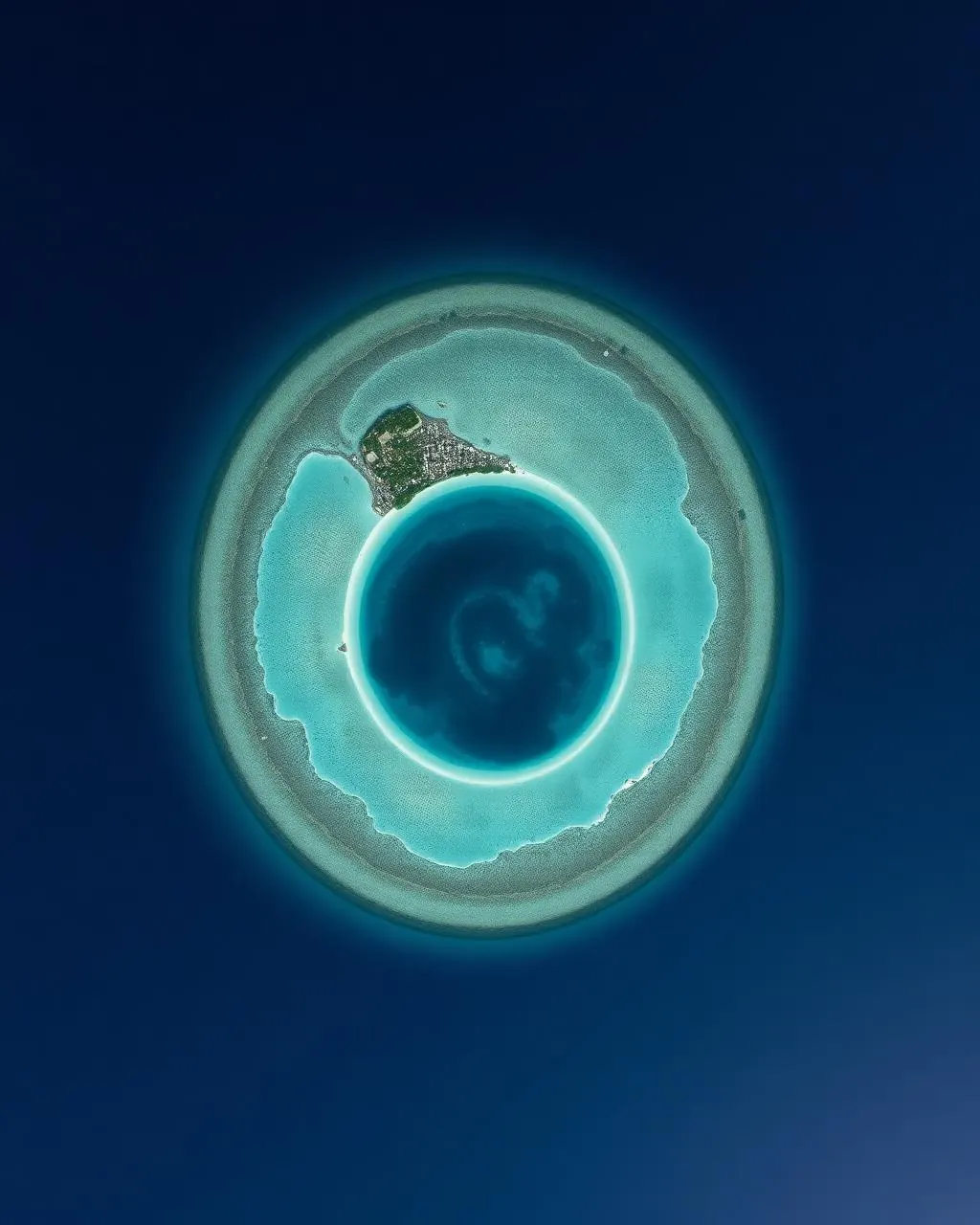
Satellite view of the coast — ports, headlands and island day-anchors that can shape a week on the water.
Share a few details and we will return a private yacht shortlist — availability, APA guidance and a clear next step — within one working day.
Independent brokerage with live inventory, transparent pricing, and a concierge that works the coast before you step aboard.
Live availability feed across 2,000+ yachts — hold and confirm in hours, not weeks.
We do not mark up the charter fee. The price you see is the operator's price.
Our recommendations follow the boat, not a commission — owners pay us, not introducing brokers.
Restaurants, transfers, private guides, helicopters and beach clubs handled long before you board.
Tell us your dates and party — we return three live options within the day.
Tell us your dates, party size and what makes a perfect day on the water. We reply within one working day with a curated shortlist and a transparent quote.
Prepared by the Blue Ocean Club editorial team from the cited destination and charter sources available for this page. This page is maintained by the Blue Ocean Club charter desk — editorial content, not an independent certification.
Destination intelligence coverage
This guide currently connects 6 charter yachts on record. Counts describe records available to the page, not first-hand visits or live availability.
Editorial provenance
Prepared by the Blue Ocean Club editorial team from the cited destination and charter sources available for this page.
Where the facts come from
No curated citation set is attached to this destination yet. Unsupported source claims are not added as a fallback.
Last data refresh
The underlying destination record was last refreshed 9 August 2026. A data refresh is not presented as a human verification event.
What we never state
We do not treat database inventory as live availability and do not present unverified operator pricing or operator terms as confirmed facts. Availability, rates, taxes, berth suitability and charter terms are confirmed for the specific enquiry.
Planning intelligence
Everything you would need to decide on this destination today — seasons, suitability, yachts, aircraft, demand and booking pressure. Each line carries its confidence level, and anything we cannot support says so.
Climate, travel seasons, charter seasons and the operational wind and storm patterns that actually apply here.
Rated on stored evidence, not opinion: Excellent, Very Good, Good, Limited or Unavailable.
Hull types and charter formats that the cruising ground and berth infrastructure actually support.
Classified from our airport graph. Runway limits are never inferred — an unknown stays unknown.
Demand and occupancy trends rather than invented prices.
Planning horizons and waiting-list risk, confidence-labelled.
Described objectively — ages, access, indoor options and medical proximity.
Verified reserves, eco-marina infrastructure and conservation programmes only.
Decision support
Australia is two distinct charter propositions in one country: a world-class harbour city for day and event charter, and the Great Barrier Reef for genuine reef cruising. Both are supported by strong infrastructure and clear regulation.
Who should look elsewhere: Guests unwilling to fly long-haul, and anyone planning the tropical north between November and April during the cyclone and stinger season.
How long to stay: Three to four nights for a harbour charter; seven to ten for the Whitsundays and reef.
Luxury experience
Arrival, transfer, shore stay, embarkation, cruising, dining and departure for Whitsunday Islands — only the stages we can evidence.
Who is travelling
Every decision explained in order, from gateway to disembarkation.
What matters most
Selecting a profile changes the order and emphasis only. The facts, sources and confidence levels never change.
Cruising days follow our published itinerary “5-Day Costa Rica Yacht Charter: Southern Pacific Serenity”.
Day 1 — Arrival and shore stay
Arrive Great Barrier Reef Airport, Hamilton Island (HTI)
Hamilton Island
Day 2 — Golfito & Golfo Dulce
Anchor at Golfito Marina Village
Begin your journey in Golfito, a charming port town on the eastern shore of Golfo Dulce, one of the world's few tropical fjords. Settle into your yacht and enjoy the calm, warm waters.
LandShark Bar & Grill
Exploring Golfito Marina Village
Paddleboarding in the calm Golfo Dulce
Observing dolphins and whales (seasonal)
Day 3 — Playa Nicuesa & Piedras Blancas National Park
Anchor at Playa Nicuesa anchorage
Cruise across Golfo Dulce to Playa Nicuesa, a secluded beach backed by the dense rainforest of Piedras Blancas National Park. Enjoy a hike into the park or simply relax on the pristine sand.
Freshly caught ceviche on board
Hiking in Piedras Blancas National Park
Snorkelling in clear waters
Spotting monkeys and sloths
Day 4 — Zancudo
Anchor at Playa Zancudo anchorage
Head further south to the laid-back beach town of Zancudo, known for its long, black sand beach and tranquil atmosphere. It's an ideal spot for paddleboarding or simply enjoying the peaceful surroundings.
Colani's Restaurant (Italian & seafood)
Long walks on Zancudo Beach
Paddleboarding or kayaking
Observing local fishing boats
Day 5 — Puerto Jiménez & Matapalo
Anchor at Matapalo anchorage
Sail to Puerto Jiménez, the main town on the Osa Peninsula, then continue to the wilder Matapalo area. Explore the pristine beaches and world-class surf breaks, or hike to discover hidden waterfalls.
The Lapa Rios Eco Lodge Restaurant (fine dining with jungle views)
Exploring Puerto Jiménez town
Visiting the Osa Wildlife Sanctuary (rescue centre)
Surfing or watching surfers at Matapalo
Day 6 — Golfo Dulce Exploration & Departure
Anchor at Golfito Marina Village
Enjoy a final morning of exploration within the Golfo Dulce. Perhaps a last swim or snorkel, or a tender ride to spot more marine life, before cruising back to Golfito for disembarkation.
A farewell lunch on board, showcasing local flavours
Final swim or snorkel in the gulf
Dolphin or whale watching (seasonal)
Relaxing on the yacht's deck
Source itinerary: 5-Day Costa Rica Yacht Charter: Southern Pacific Serenity (5 days)
Which gateway do guests fly into for Whitsunday Islands Yacht Charter?
Great Barrier Reef Airport, Hamilton Island (HTI)
Hamilton Island
Handles private-jet arrivals.
Which beach clubs take yacht guests?
Seven-kilometre silica sand beach on Whitsunday Island.
Anchorage and tender landing; Hill Inlet is at its northern end.
Answered
Each answer is drawn from a certified record in our knowledge graph, with the evidence and its confidence shown. Where we hold nothing, we say so rather than estimate.
The questions our records can answer with evidence today.
Which airport is best for reaching Whitsunday Islands?
Whitsunday Islands is served by Great Barrier Reef Airport, Hamilton Island (HTI) in our graph. Great Barrier Reef Airport, Hamilton Island handles private-jet arrivals.
Where should I spend a week if I start in Whitsunday Islands?
5-Day Costa Rica Yacht Charter: Southern Pacific Serenity runs 5 days from Whitsunday Islands, calling at Golfito & Golfo Dulce, Playa Nicuesa & Piedras Blancas National Park, Zancudo and Puerto Jiménez & Matapalo.
Can I arrive by private jet for a charter in Whitsunday Islands?
Great Barrier Reef Airport, Hamilton Island (HTI) is recorded as jet-capable for Whitsunday Islands. Slots, handling and FBO availability are confirmed by the operator, not by us.
How many days should I plan for a charter in Whitsunday Islands?
Our published route 5-Day Costa Rica Yacht Charter: Southern Pacific Serenity runs 5 days across 5 stops, which is the duration we can evidence for Whitsunday Islands.
Is Whitsunday Islands better for a weekend or a full week?
The route we publish for Whitsunday Islands is 5 days — a short charter covers it; we hold no longer documented route from here.
Which beaches and coves are on record near Whitsunday Islands?
Whitehaven Beach is on record near Whitsunday Islands.
Arrival
Gateways, transfer times and the door-to-deck plan — mapped against the berths you would actually use.
Marinas, arrival gateways, stays, dining and family options — toggle the layers you care about.
Great Barrier Reef Airport, Hamilton Island (HTI)
FBOs: Hamilton Island Airport handling (handler, domestic only)
Door-to-deck planning with our sister company Limitless Sky. Times and prices are indicative, never a quote.
Composing the journey…
Private aviation
Limitless Sky arranges the private jet or helicopter leg into Whitsunday Islands; Blue Ocean Club coordinates the yacht side so you step straight from runway to passerelle.
View Whitsunday Islands on Limitless SkyEstimate on request within 1–2 hours.
Limitless Sky is an independent aircraft charter broker and our sister company; it operates under its own terms and conditions. Blue Ocean Club does not operate aircraft and arranges yacht charter only.
Ashore
Where our clients stay, eat and spend their days off the yacht — each entry held as a verified record, not a listing.
Beach
Anchorage and tender landing; Hill Inlet is at its northern end.