
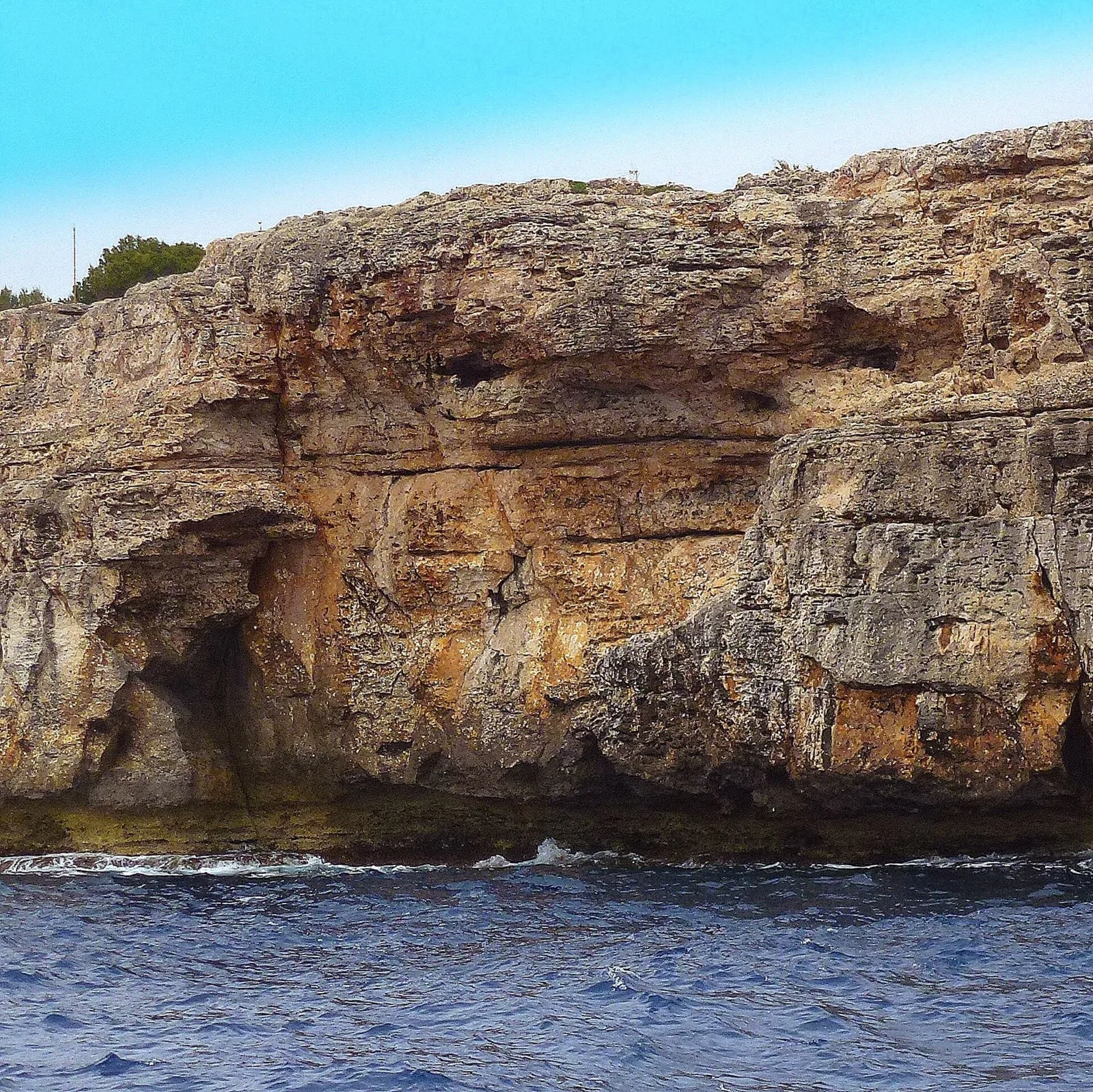
Yacht Charter Mallorca
Part of Balearic Islands Yacht Charter.
Mallorca yacht charter centres on Puerto Portals and STP Palma — PMI door-to-deck, east-coast calas, and Cabrera day culture. Ibiza is a separate island operation; we don’t force a cross-island embark day unless the brief demands it.
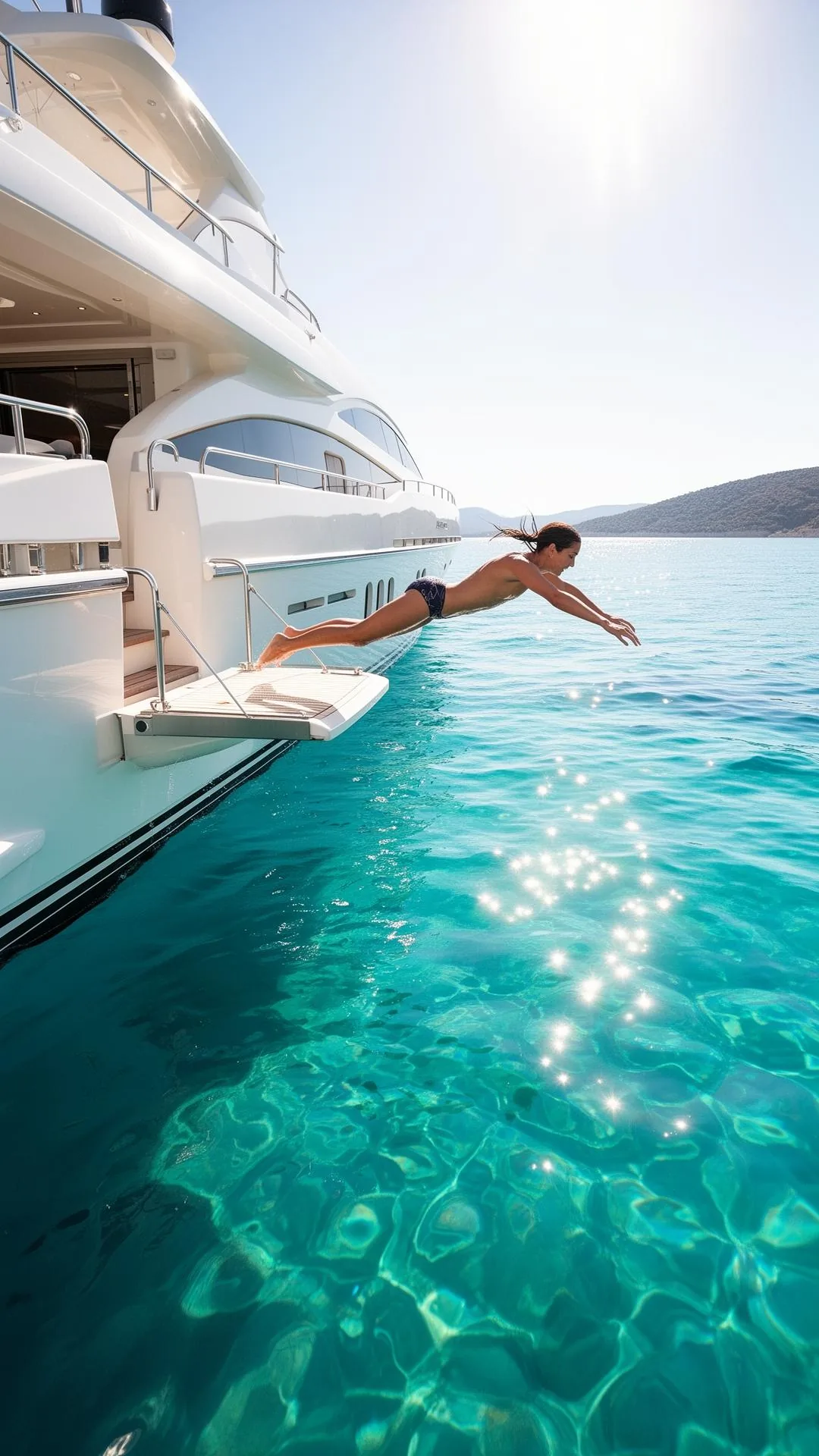
Privacy, pace, and places you cannot reach by road.
Why charter a yacht in Mallorca.
A luxury yacht charter Mallorca rewards guests with a combination you cannot replicate from a hotel: total privacy, an itinerary that flexes around your party, and access to coves, restaurants and reefs that road-bound travellers simply never see. Blue Ocean Club curates Mallorca cruises across motor yachts, sailing yachts, catamarans and superyachts — every option live-priced against the global live availability feed and presented with our 100% best-price guarantee.
Mallorca sits at the heart of one of the world's great cruising grounds. Days unfold at the pace of the sea: long swims off the platform, lunch at a beach club where your concierge has held the best table, an afternoon cruise to a quieter anchorage, cocktails on the bow as the light softens. The captain rewrites tomorrow's plan based on tonight's weather and your party's mood.
Blue Ocean Club matches each crewed yacht charter Mallorca enquiry to yachts whose published operating area, specifications and current availability fit the requested dates. The final shortlist is checked against the yacht's authorised charter information before contract, and route details remain subject to operating conditions and the captain's final approval.
Mallorca charter, in depth.
Mastering Mallorca: An Operational Blueprint
Mallorca is not an undiscovered asset. For the principal, it represents a known quantity: reliable weather, first-world infrastructure, and a predictable summer season. The challenge, therefore, is not one of discovery, but of execution. A successful Mallorca charter is not measured by the number of coves visited, but by the seamless quality of the experience, the avoidance of common pitfalls, and the delivery of precisely calibrated moments. This is not a destination for improvisation; it is a theatre for meticulous operational planning.
The island's strategic value lies in its duality. You are effectively chartering two distinct coastlines in one. The northwest, dominated by the Serra de Tramuntana mountains, offers dramatic, deep-water anchorages and a rugged, almost Amalfi-like character. The southeast and southern coasts present a different proposition: a constellation of shallow, sandy-bottomed calas, the protected marine park of Cabrera, and long stretches of beach reminiscent of the Caribbean. A seven-day itinerary can, and should, feel like two separate charters. The key is managing the transit time and knowing which asset (yacht) is best suited for each environment.
The Financial Framework: 2026 Data Points
Budgeting for a top-tier Mallorca charter requires precision. Ambiguity on the front end leads to friction during the charter.
-
Weekly Charter Fees (High Season: June-August):
- 35-45m Motor Yacht (e.g., Sanlorenzo SL, Custom Line Navetta): €150,000 - €250,000. This is the sweet spot for accessing smaller calas while still offering stability and volume.
- 50-65m Motor Yacht (e.g., Feadship, Benetti): €350,000 - €600,000. The workhorse of the UHNW charter fleet. Requires more careful anchorage planning but provides unparalleled comfort, crew-to-guest ratio, and tender garage capabilities.
- 70m+ Motor Yacht: €750,000 - €1,200,000+. These are floating compounds. Their draft and swing room limit them to specific deep-water anchorages (Formentor, Bay of Palma). The program becomes more reliant on high-powered tenders.
- 30-50m Sailing Yacht (e.g., Swan, Wally, Baltic): €80,000 - €200,000. A different calculus. Less interior volume, more engagement with the elements. Best for principals who value the journey. The Bay of Palma is a world-class sailing ground.
-
APA (Advanced Provisioning Allowance): Budget for 30-35% of the charter fee. While Spanish VAT on charter contracts is 21%, the APA covers fuel, provisions, berthing fees, and incidentals. Mallorca's provisioning is excellent but not inexpensive. Expect premium pricing for specific vintages, imported delicacies, and fuel, especially if relocating the yacht at speed. A well-managed APA with transparent accounting is the hallmark of a professional crew and management company.
-
Berthing Fees: Avoiding them is often the goal, but they are a tactical reality. A prime slip at a high-end marina for a 60m yacht will run €3,000 - €5,000+ per night in high season.
- Port Adriano: The Philippe Starck-designed superyacht hub. Excellent for guest changeovers, security, and access to high-end boutiques and dining.
- Club de Mar (Palma): The traditional institution. Undergoing a massive redevelopment, its future state will be world-class. Currently, it remains the most practical hub for logistics, crew services, and proximity to Palma's old town and the airport (PMI).
- Real Club Náutico de Palma (RCNP): More of a pure-bred sailing club, but accommodates motor yachts. Prime location for accessing the city.
Itinerary Architecture: Two Coasts, One Week
A standard seven-day program must be built with flexibility, accounting for wind and guest preference. The following is a proven framework.
Base of Operations: Palma. Guest arrival at PMI is seamless. A 15-minute transfer to Club de Mar or RCNP allows the charter to begin within an hour of the jet touching down. Initial provisioning is best handled via the Santa Catalina Market for unparalleled fresh produce, fish, and jamón.
Option A: The Tramuntana Program (Dramatic & Exclusive)
This route is for the principal who appreciates rugged nature, challenging hikes, and discreet, high-quality dining. It is less about beach toys and more about scenery and exploration. Best suited for motor yachts with excellent stabilization and powerful tenders for shore excursions.
- Day 1: Depart Palma, cruise west past Port Adriano. First lunch anchorage at Cala Llamp. Afternoon cruise to Port d'Andratx. A sophisticated, low-key harbour. Drinks at the waterfront, dinner ashore, or a quiet night at anchor outside the port.
- Day 2: Northbound cruise along the spectacular Tramuntana coast. The yacht is the centerpiece. Anchor off Cala Deià. This is a tender-access-only operation. The water is deep green, the backdrop is the artist's village of Deià. Lunch ashore requires pre-booking months in advance at Ca's Patró March, the rustic seafood restaurant famously clinging to the cliffside. It's a logistical challenge (steep walk, tender transfer) but a benchmark experience.
- Day 3: Cruise to Port de Sóller, the only truly protected harbour on the west coast. This is a technical entry and requires a skilled captain. It's an ideal overnight spot to allow for a land-based excursion. Arrange for a classic tram ride up to the town of Sóller, or a private visit to a country estate like the Gran Hotel Son Net for dinner.
- Day 4: The northernmost point. Anchor in the magnificent, sheltered bay of Cala Formentor. The water is clear, the beach is pine-fringed, and the scale is epic. This is where 70m+ vessels can comfortably sit. The historic Formentor Hotel provides a touch of old-world glamour.
Option B: The Calas & Cabrera Program (Beach Club & Conservation)
This route is for families and those who want classic beach and water sports. It leverages the shallow, turquoise waters of the south and east. A yacht with a comprehensive toy collection and a shallow draft (or an excellent tender) will excel here.
- Day 1-2: Depart Palma, heading east. The first stop is the iconic anchorage of Es Trenc. A 2km stretch of white sand and shallow, clear water. It can be crowded, so positioning is key. This is the place to deploy the seabobs, paddleboards, and floating platforms. The area around Colonia de Sant Jordi offers multiple anchorage options depending on the wind.
- Day 3: The Cabrera Archipelago. THIS IS A NON-NEGOTIABLE PERMIT-ONLY ZONE. Applications for the limited daily anchorage buoys must be submitted weeks, if not months, in advance. Failure to secure this permit is an operational failure. There are no exceptions. A day here offers pristine, untouched nature, a hike to the 14th-century castle, and some of the best snorkelling in the Mediterranean. It is a silent, engine-off experience.
- Day 4-5: Cruise up the east coast. This is a string of pearls. Cala Mondragó Natural Park, Cala Sa Nau, Cala Llombards. Each is a small, picturesque cove. A 40m yacht can nose in, but larger vessels will stand off and use tenders. This is high-intensity tender work for the crew. Guests can be dropped at places like Sa Llotja in Portocolom for some of the best fresh fish on the island.
- Day 6-7: A leisurely cruise back towards Palma, perhaps stopping at another south coast cove like Cala Pi, before disembarking.
Asset Selection & Operational Notes
- Motor vs. Sail: Mallorca's summer thermal winds provide excellent afternoon sailing, particularly in the Bay of Palma. However, for a comprehensive island tour within a week, a motor yacht's speed and volume are operationally superior. A sailing yacht charter should focus on the experience of sailing itself, with fewer destinations.
- Tenders are Paramount: A charter is only as good as its tenders. A fast, comfortable, and dry-riding chase boat (a 12m WallyTender or similar) is not an accessory; it is essential for accessing restaurants, remote coves, and providing guest transfer flexibility.
- Crew: Spanish regulations are rigorously enforced. Ensure the yacht holds the correct licenses for charter in the Balearics. The crew's local knowledge is invaluable for securing last-minute reservations or finding a protected anchorage when the forecast changes. A Spanish-speaking deckhand or stewardess is a significant asset.
- Weather Window: The season runs from May to October. July and August are peak: peak prices, peak heat, and peak crowds. For principals with flexibility, June and September are superior. The water is warm, the anchorages are less congested, and there is more negotiating room on rates. The Tramuntana coast can experience sudden katabatic winds at night; a vigilant anchor watch is not optional.
The Mallorca charter is a known product in an efficient market. Excellence is achieved not by reinventing the itinerary, but by mastering the logistics, anticipating the pinch points (Cabrera permits, Deià restaurant bookings), and having the right asset and crew to execute the principal's vision without fault. The goal is not a memorable vacation; it is the flawless execution of a principal's time.
The Palma triangle: STP, Puerto Portals, Port Adriano
Palma's status as the operational heart of the Balearics rests on the combination of a world-class technical marine centre and two adjacent superyacht marinas within a short cruise of the city.
- Palma STP (Shipyard Technical Palma) and Astilleros de Mallorca make the port a prime location for pre-season prep, warranty work, and mid-season technical support. For UHNW itineraries this matters even when no refit is planned: it means qualified engineering support and spares are within short reach if something on board needs attention mid-charter.
- Puerto Portals, roughly 10km from Palma, is the classic high-glamour marina with berths for yachts up to 60m. The vibe is established luxury; peak-season berths require significant advance planning.
- Port Adriano, 20km from Palma, is the Philippe Starck-designed superyacht marina accommodating yachts up to 100m. Modern, spacious, and specifically built for the large-yacht segment, with a self-contained luxury retail and dining precinct.
- Real Club Náutico de Palma (RCNP) and Moll Vell offer prime client-facing berths directly in front of the cathedral; the expansion of Club de Mar Palma further increases capacity for very large yachts.
For clients arriving by private jet at PMI, this cluster allows a charter to begin within an hour of the aircraft touching down — a genuine logistical advantage no other Balearic base matches.
Cabrera Archipelago: permit realities
The Cabrera National Park, 10nm off the south coast, is a non-negotiable stop for any itinerary that values natural beauty. Access is strictly controlled by permit: limited to a small number of daily buoys, which must be booked online well in advance (the booking window typically opens around 20 days prior to arrival). Anchoring is forbidden to protect the Posidonia seagrass meadows, and there are no restaurants or shops on the archipelago. Failing to secure a buoy permit means a daytime visit only, with no overnight stay — treat this booking as a hard operational milestone, not a nice-to-have, when the principal has expressed interest in Cabrera.
Non-EU flagged yachts: the Balearic charter licence
Clearance is straightforward for EU-flagged, EU-VAT-paid commercial yachts, but non-EU flagged vessels require a Balearic Charter Licence to operate legally in these waters. The process is manageable but requires proper documentation and lead time, and it is a critical point of due diligence for any charter originating in the region. Local agents in Palma are essential for navigating this efficiently; the licence question should be resolved before the contract is signed, not after arrival.
Concierge and transfer logistics
Palma's Santa Catalina Market is the reference point for fresh produce, fish and jamón; premium suppliers cover the remainder of the provisioning list. Crew rotations and guest transfers are handled seamlessly via PMI, which offers strong private-jet facilities and comprehensive commercial routes into every major European hub. For land-side excursions from a Tramuntana anchorage, a classic tram from Port de Sóller up to Sóller town, or a private visit to an inland finca, extends the charter into a genuine island experience rather than a purely maritime one.
Yacht charter in Mallorca — what to expect.
Season, route, hull and investment — the four things every guest asks before we lock a yacht.
The established charter window used for planning in this cruising region is May–October. Conditions still vary by exact dates and route, so the captain's forecast and operating advice govern the final itinerary.
The strongest Mallorca itinerary is built from destination-specific marinas, anchorages and places that are actually available for the requested dates. The route remains flexible around weather, berth availability, local restrictions and the yacht's operating limits.
The most suitable yacht for Mallorca depends on guest count, layout preference, draft, range, speed and the intended itinerary. Compare the verified specifications on the individual yacht listings rather than relying on a generic destination-wide yacht type.
Charter pricing in Mallorca depends on the yacht, dates, operating area and the final charter terms. Verified yacht rates are shown on individual listings when available; taxes, operating expenses, provisioning and any other booking-specific charges are confirmed before contract rather than estimated from a global template. Minimum charter duration is yacht- and date-specific.

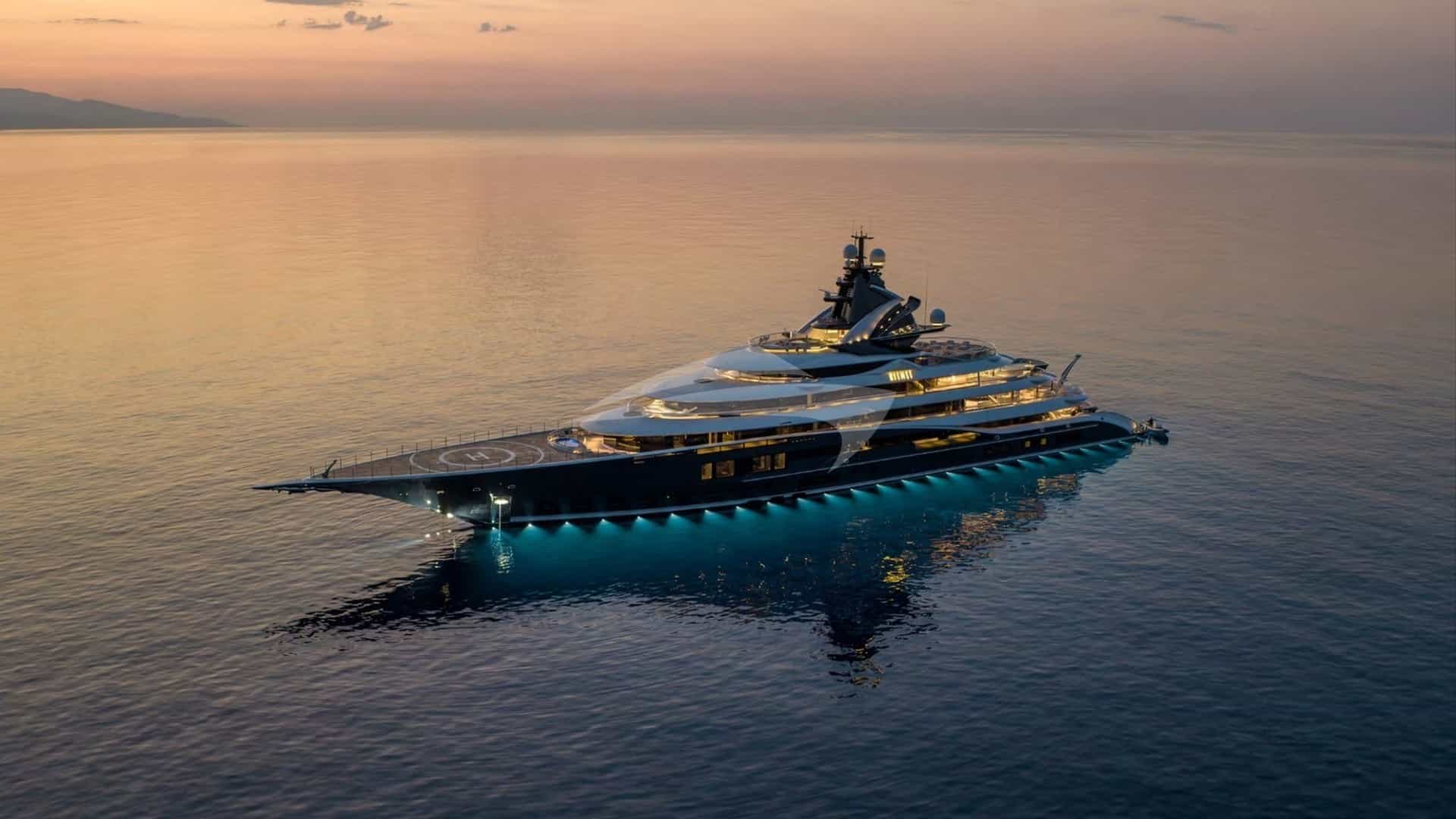
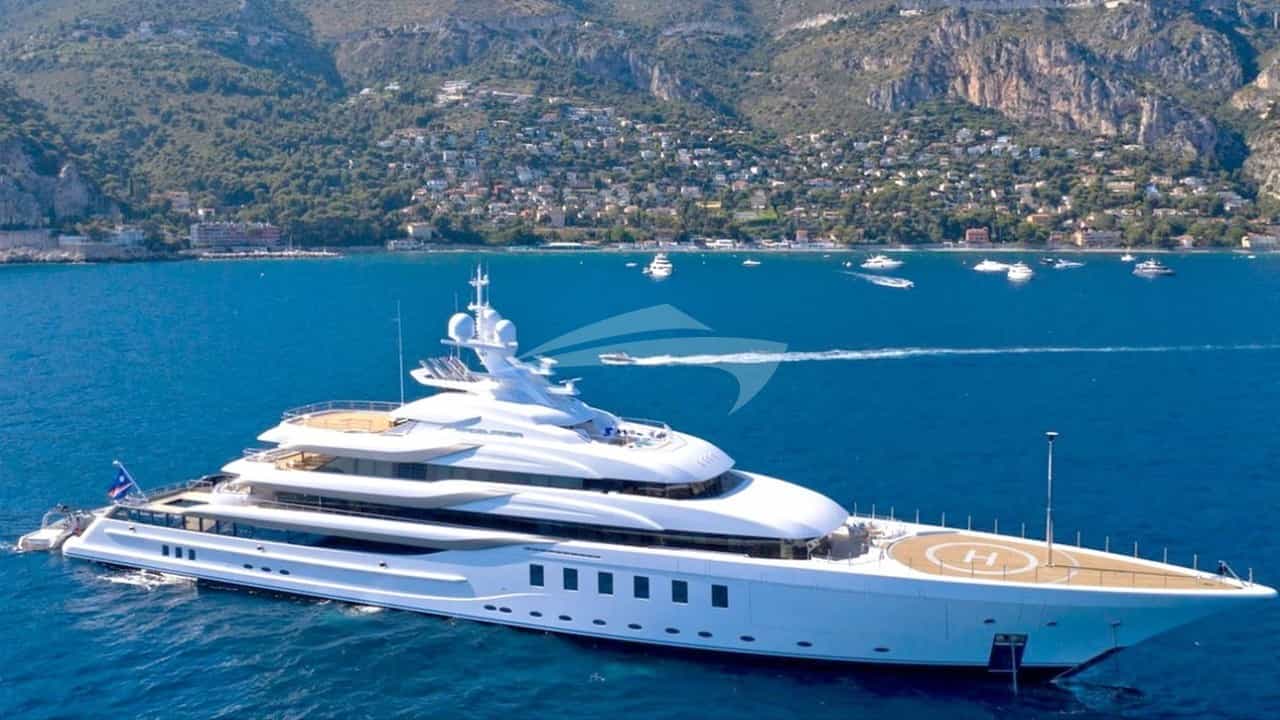
Featured yachts in Mallorca Yacht Charter.
Live pricing — charters from €80,000 / week
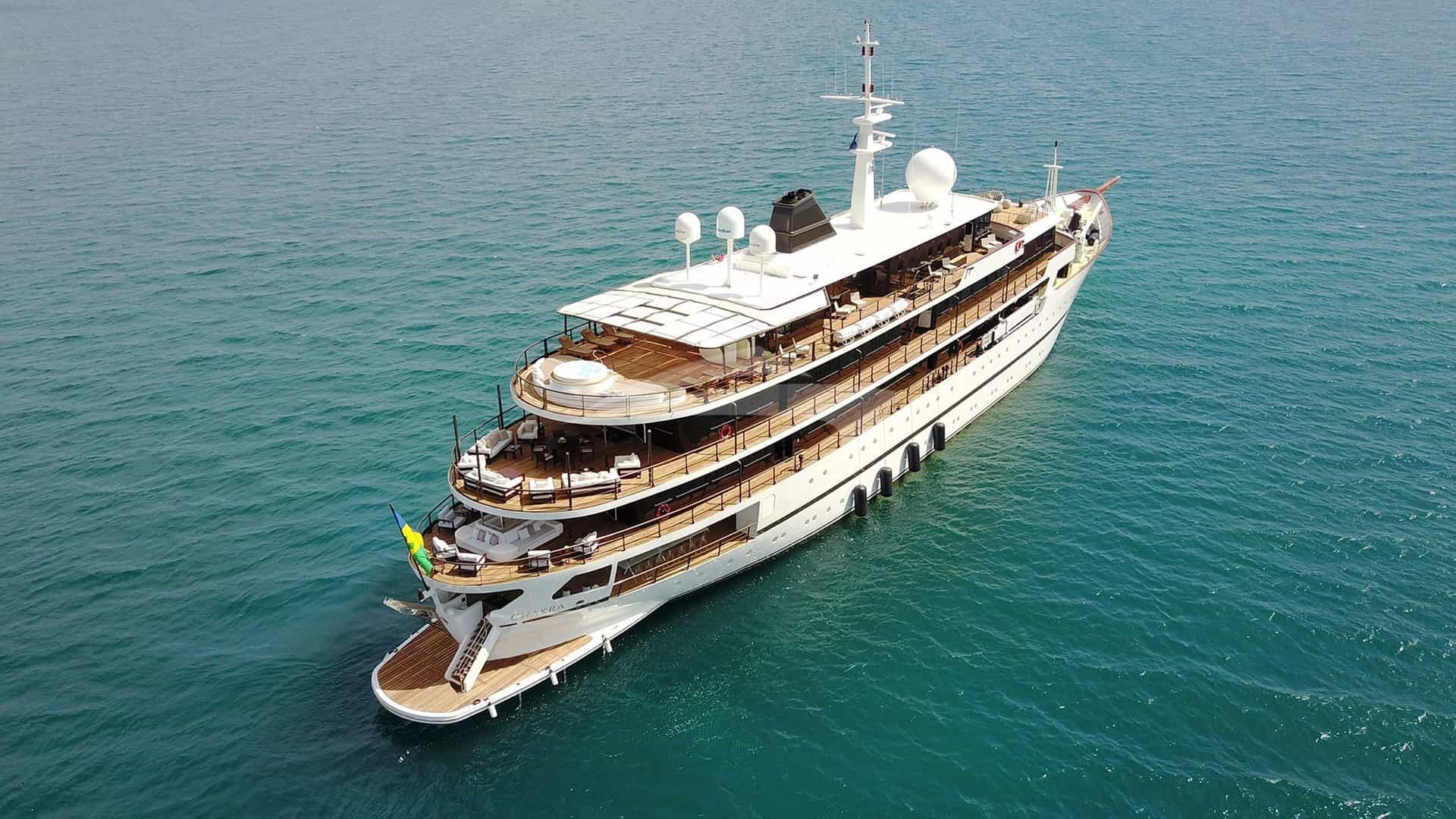
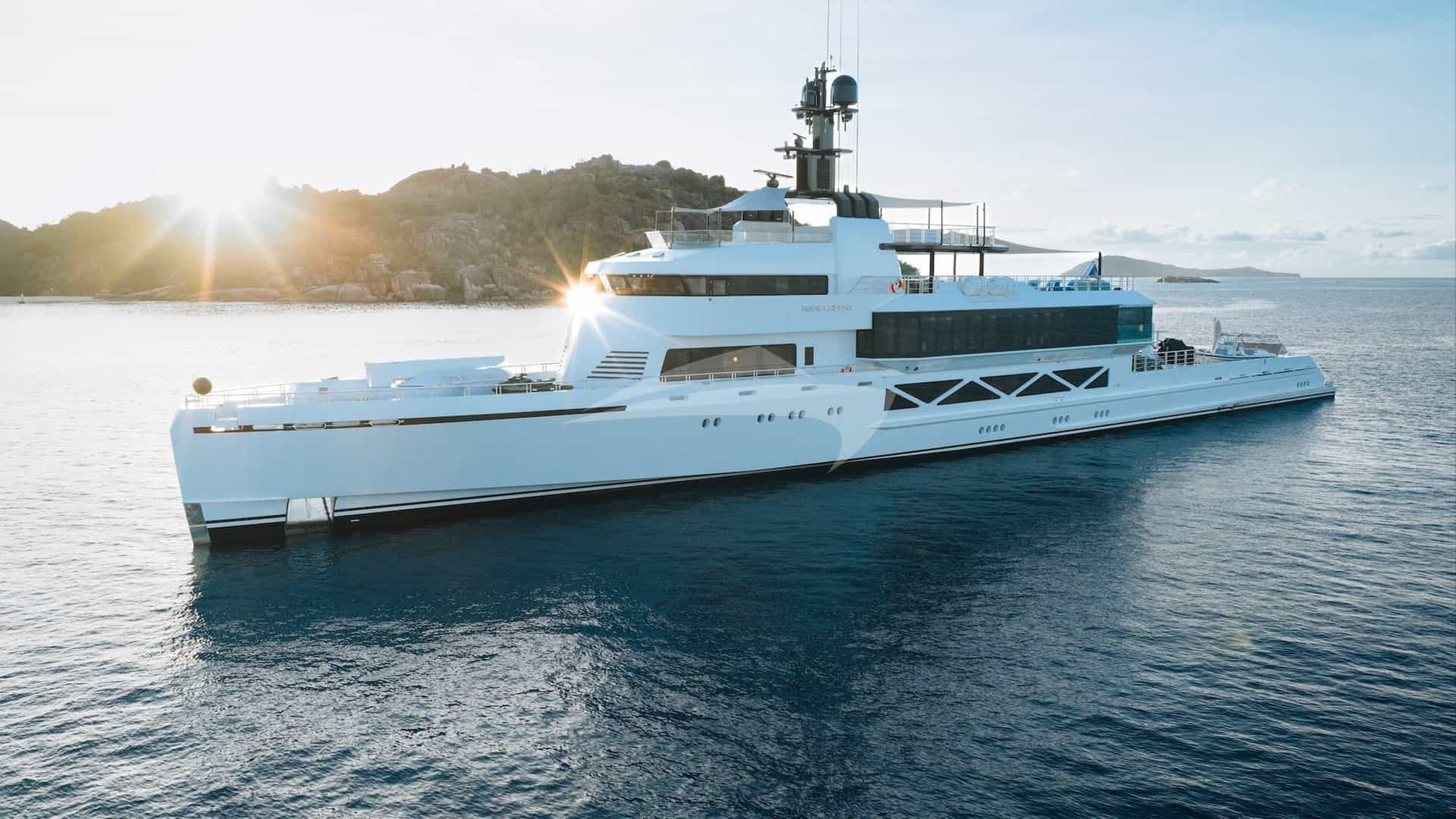
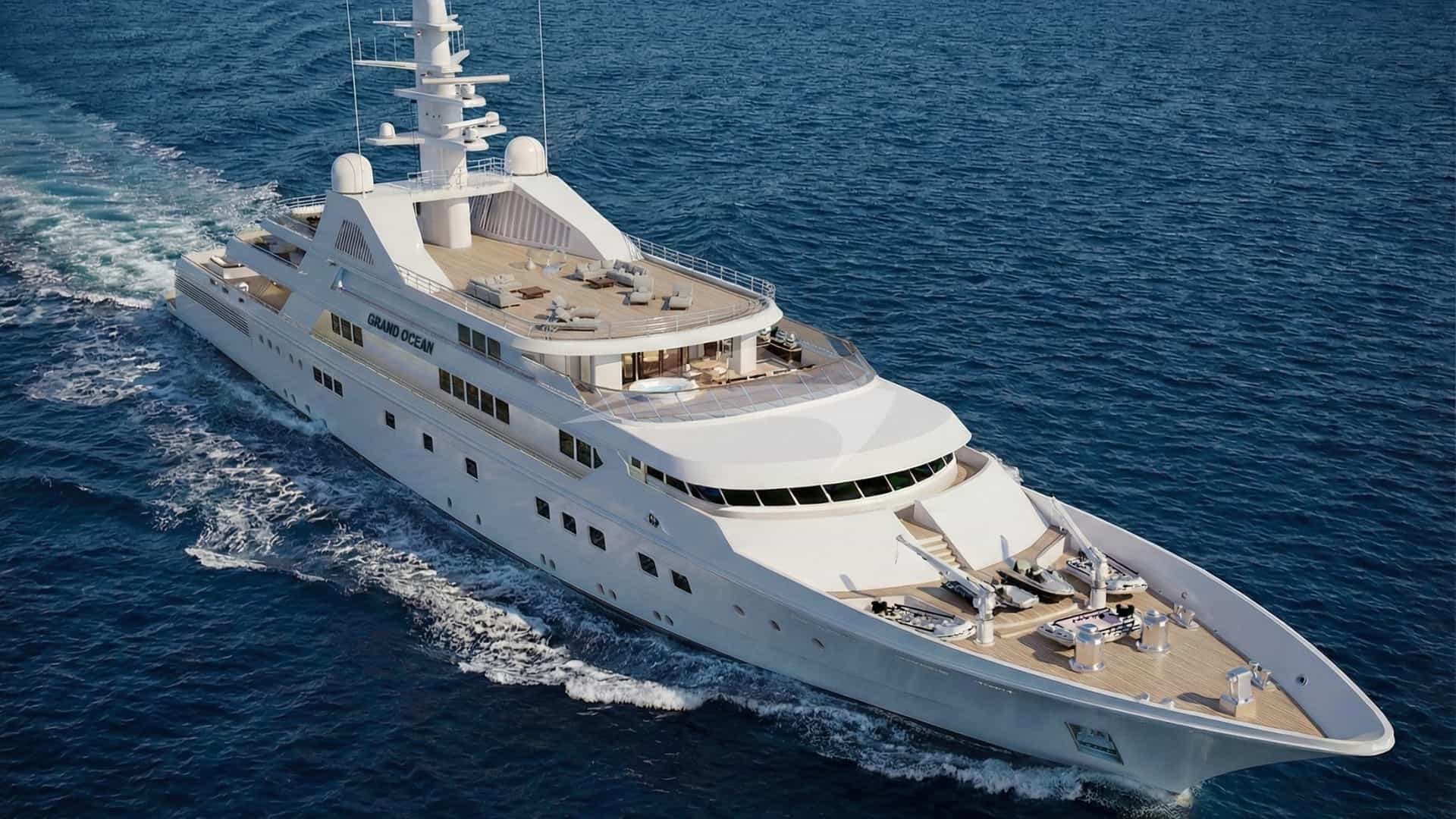
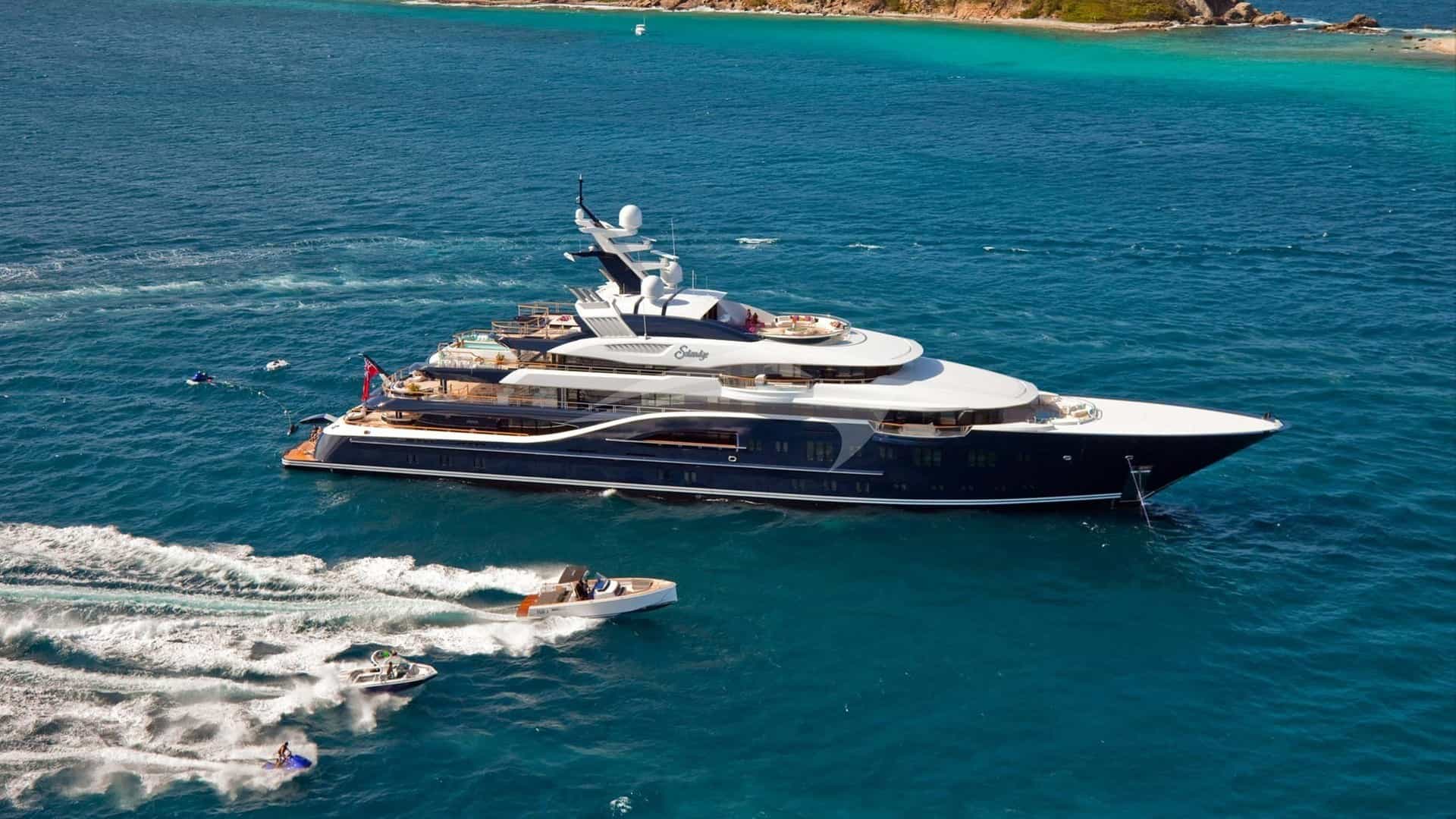
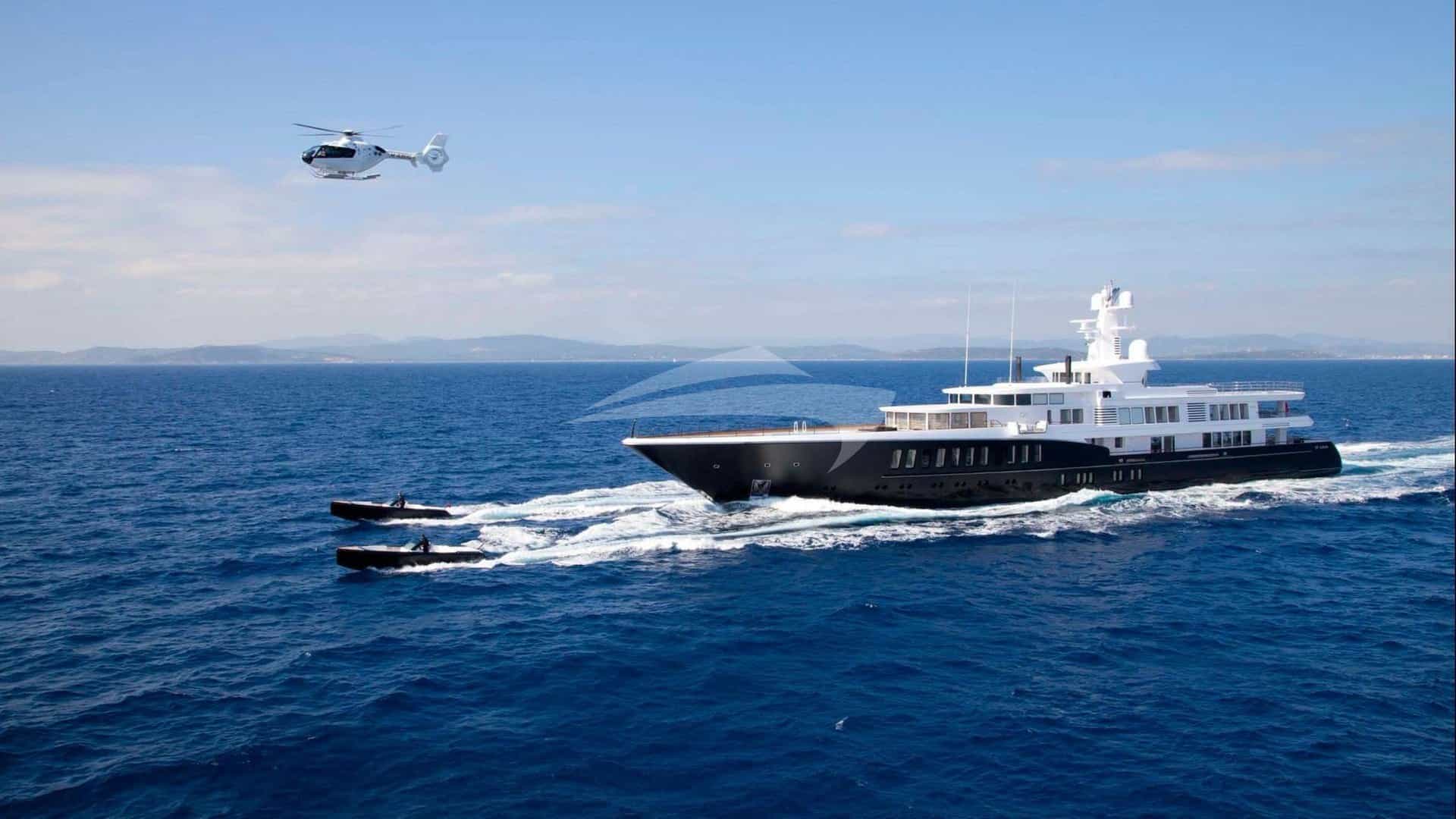
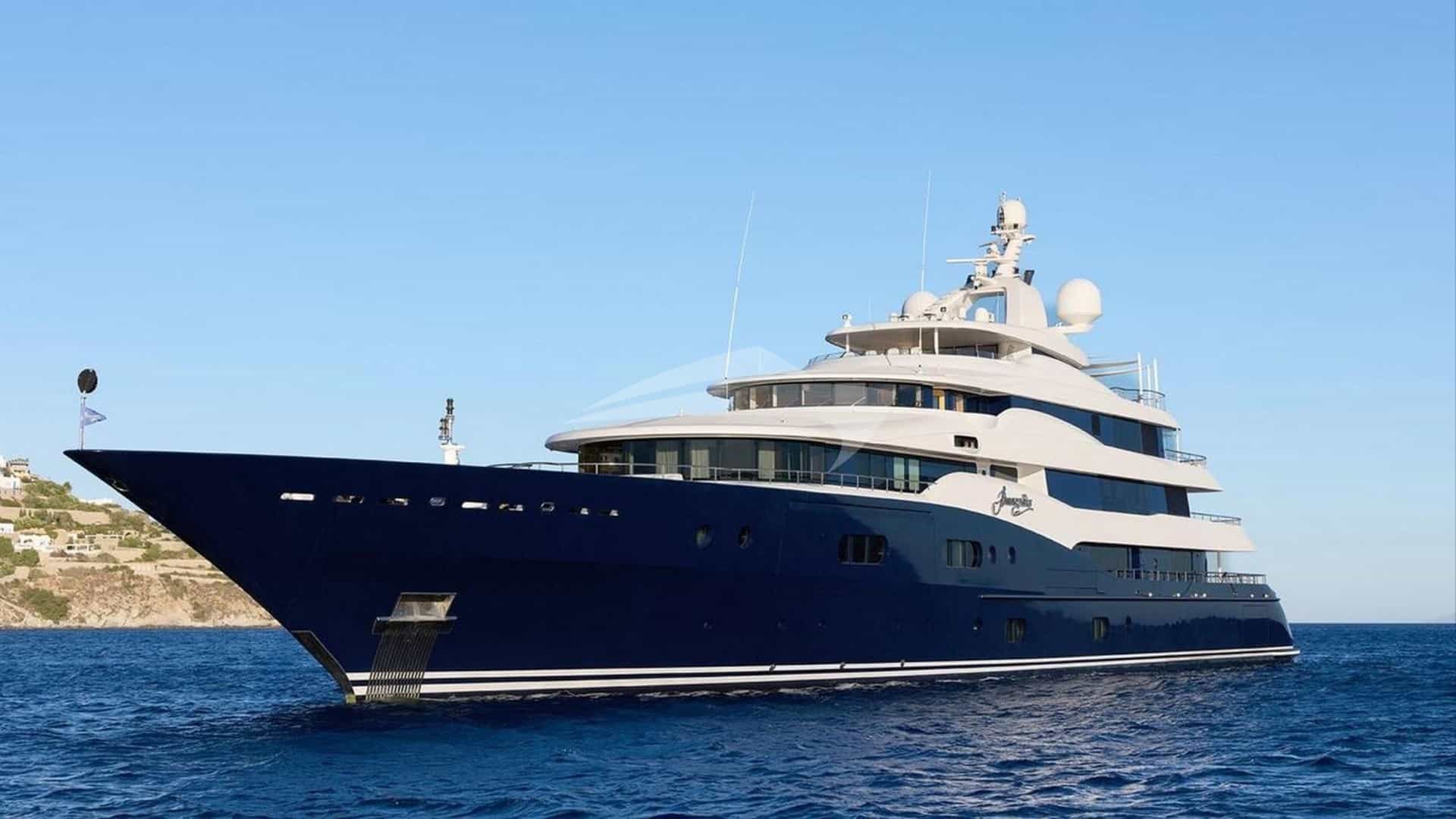

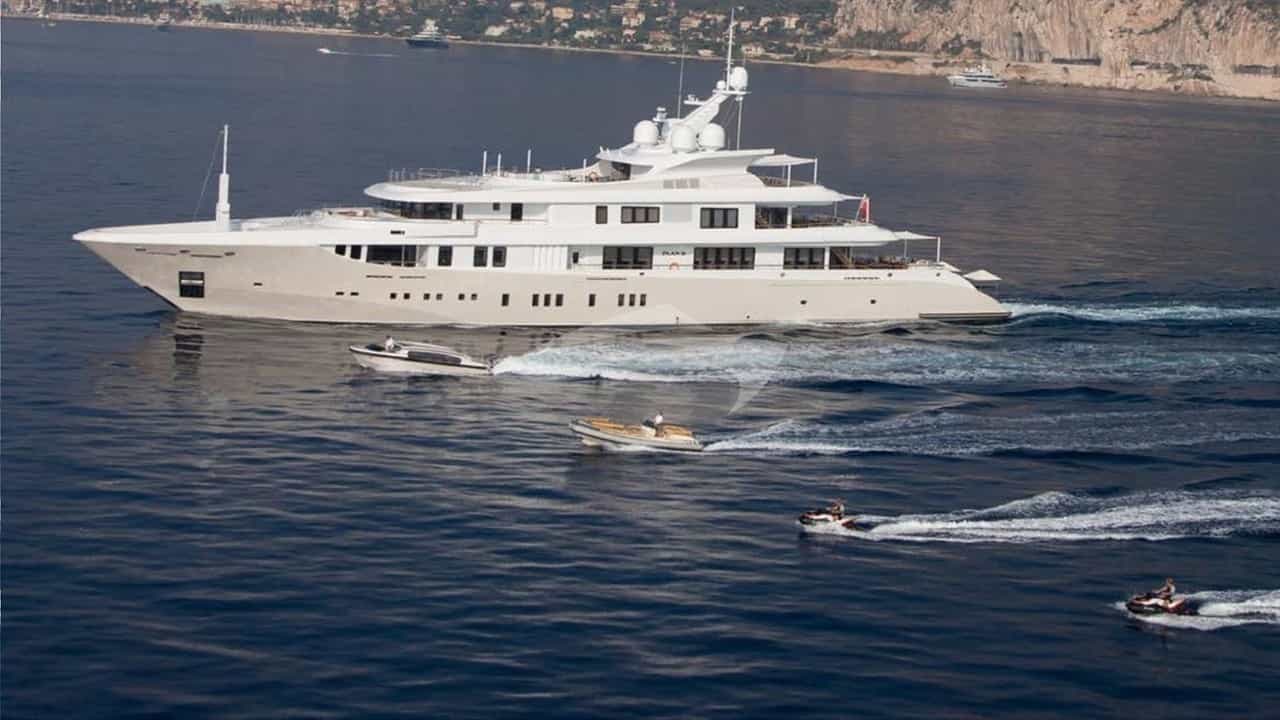
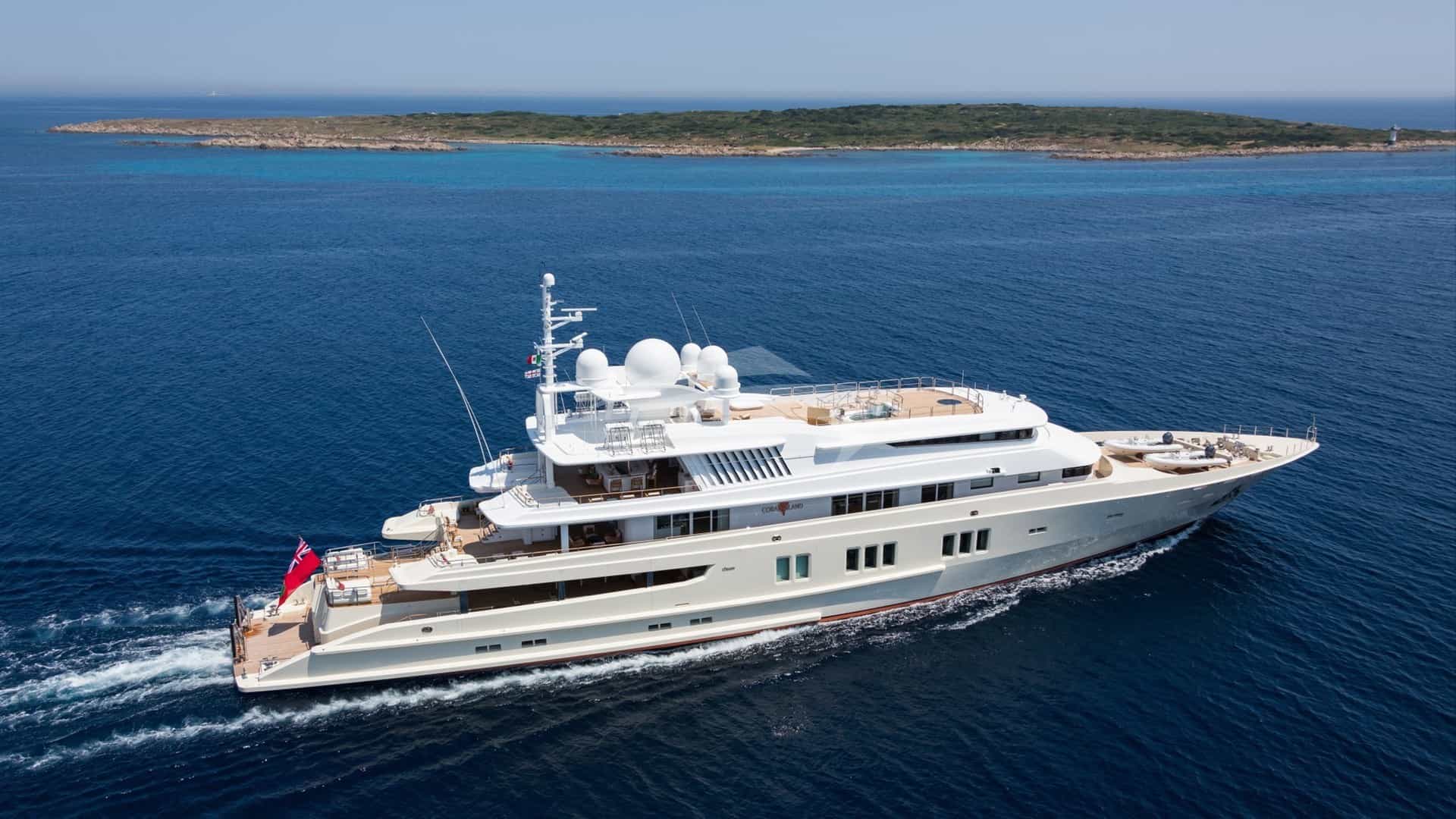
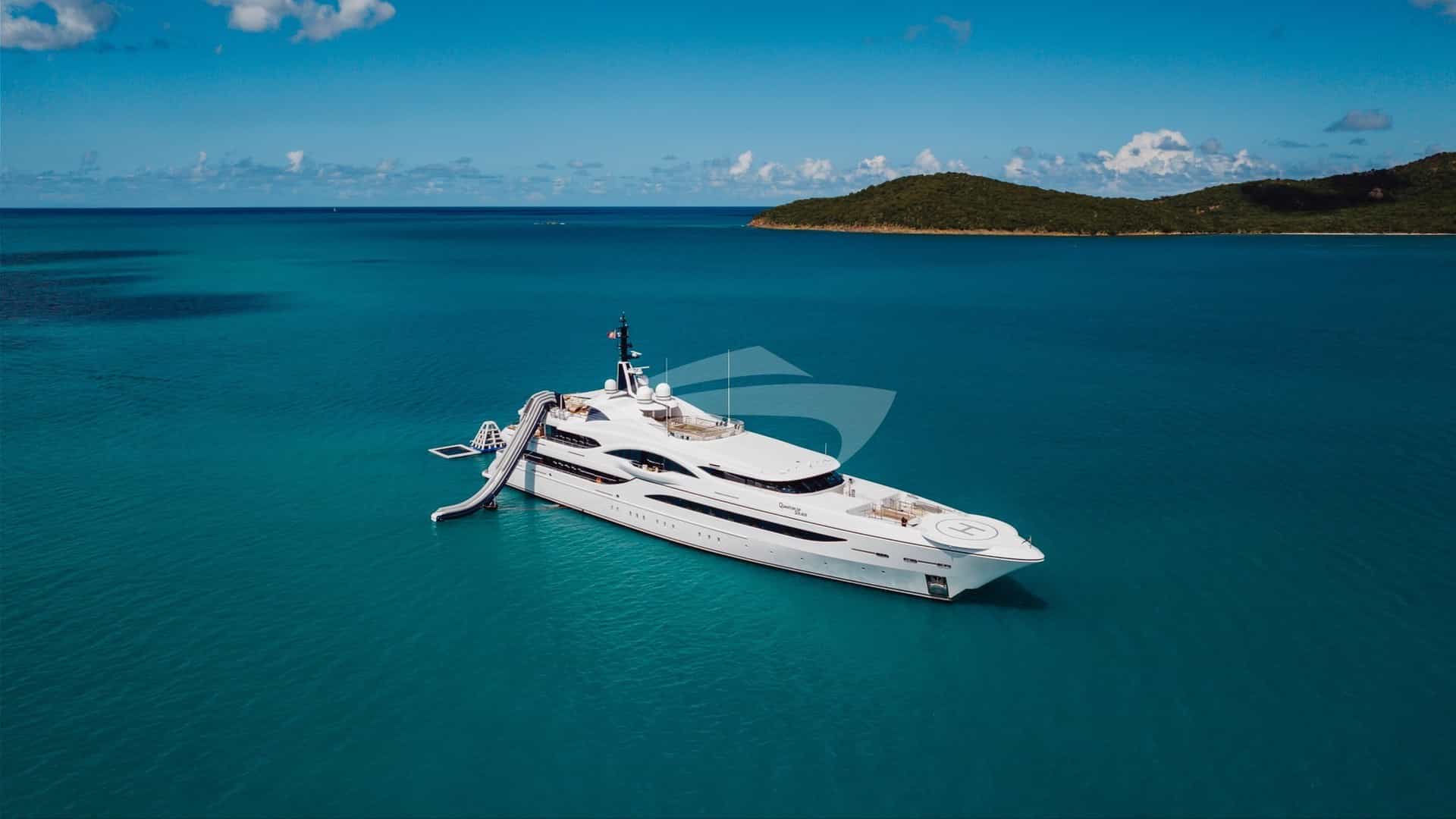
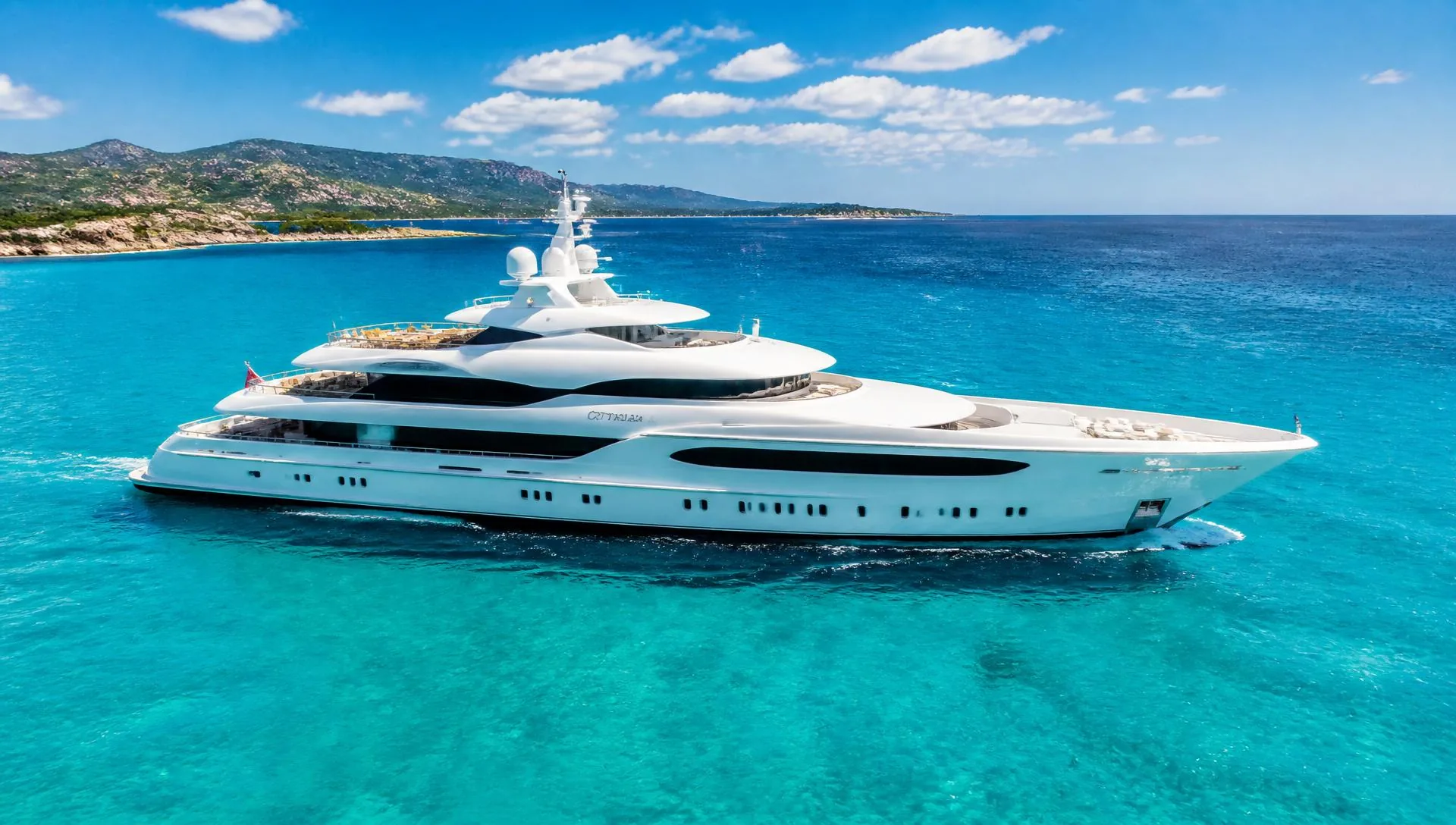
Things to do on your Mallorca charter.
From quiet anchorages to time ashore — a planning sample to adapt around the yacht, local conditions and verified availability.
- 01Onboard time
Swimming, dining and relaxation shaped around the facilities of the yacht selected
- 02Water activities
Use the water toys and sports equipment actually carried by the yacht, where local rules allow
- 03Shore visits
Add towns, beaches, restaurants or cultural stops when verified locally and available for your dates
- 04Private dining
Plan menus with the yacht's confirmed crew and the provisions available for the charter
- 05Flexible days
Keep the route responsive to weather, berth availability and the captain's operating decisions
Mallorca from above.
Satellite view of the coast — ports, headlands and island day-anchors that can shape a week on the water.
When to charter in Mallorca.
The prime window for a yacht charter Mallorca runs May–October.
Mallorca charter season, events & booking calendar
Month-by-month weather, regatta dates, beach-club openings and the exact weeks our brokers recommend for this cruising ground.

Plan your week in Mallorca.
Share a few details and we will return a private yacht shortlist — availability, APA guidance and a clear next step — within one working day.
Door-to-deck · Mallorca
Chauffeur corridors into Puerto Portals, Marina Ibiza and Maó — timed to embarkation.
Meeting point
Meeting point: Porto Portals — confirm quay / pontoon with the captain the morning of embarkation.
Arrival buffer
Plan 60–90 minutes from wheels-down to passerelle for chauffeur corridors; helicopter windows are tighter when helipad access is confirmed.
Berth lead time
8–14 weeks July–August
Captain / crew
Flagship Mallorca berth — confirm LOA and draft with Portals agent; PMI chauffeur to gate.
Tender fallback
When berths are scarce we hold a sheltered anchorage + tender (or captain-only standby) plan before you fly — never a last-minute scramble at the mole.
Luggage / night before
Night-before hotel near the gateway (or marina) when late arrivals risk missing the embarkation slot — we hold rooms against the transfer plan.
Gateways
Indicative guidance — Indicative seasonal berth ranges are shared on request — confirm with the marina agent before contract. We never publish unverified nightly rates as fact.
Enquire
Enquire for Mallorca
Tell us dates, party size and yacht style — we shortlist live availability with APA and door-to-deck before you fly.
Beach clubs in Mallorca.
Tender bookings, table reservations and jetty access — addresses, phones and sites below. Your Blue Ocean Club concierge can hold the table — request via the enquiry form.
Real restaurants worth a tender in Mallorca.
Tables held in advance by your concierge — addresses, phones and sites below, from beachfront classics to Michelin dining rooms. Request via the enquiry form.
Amante Ibiza
Sol d'en Serra
Cliff restaurant with yacht tender.
Concerts, exhibitions & headline weeks in Mallorca.
The festivals, art fairs, regattas and cultural calendar that shape berthing demand — plus concerts and exhibitions your concierge can programme around the yacht week. Dates are seasonal; confirm the current edition before locking the charter.
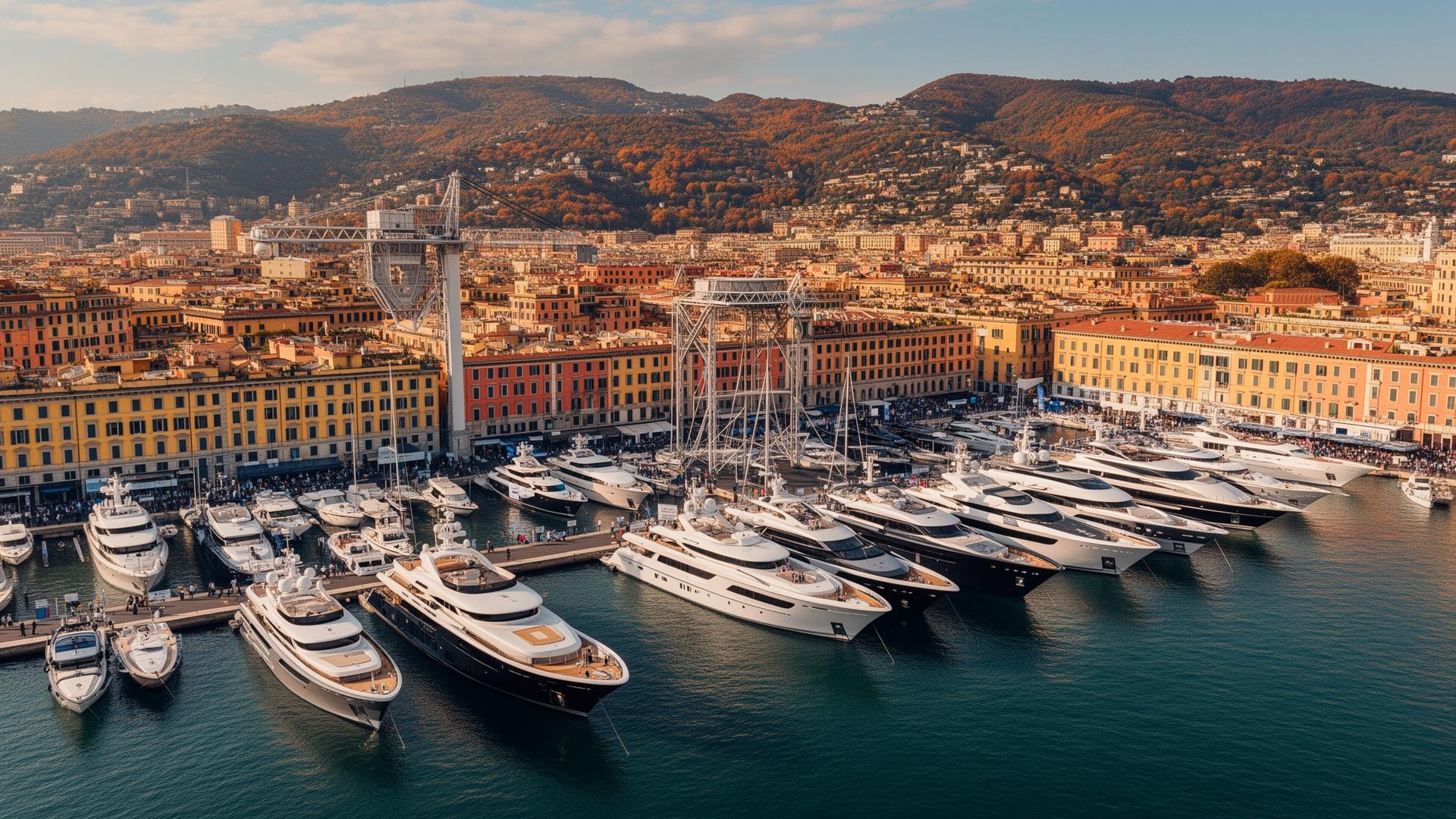
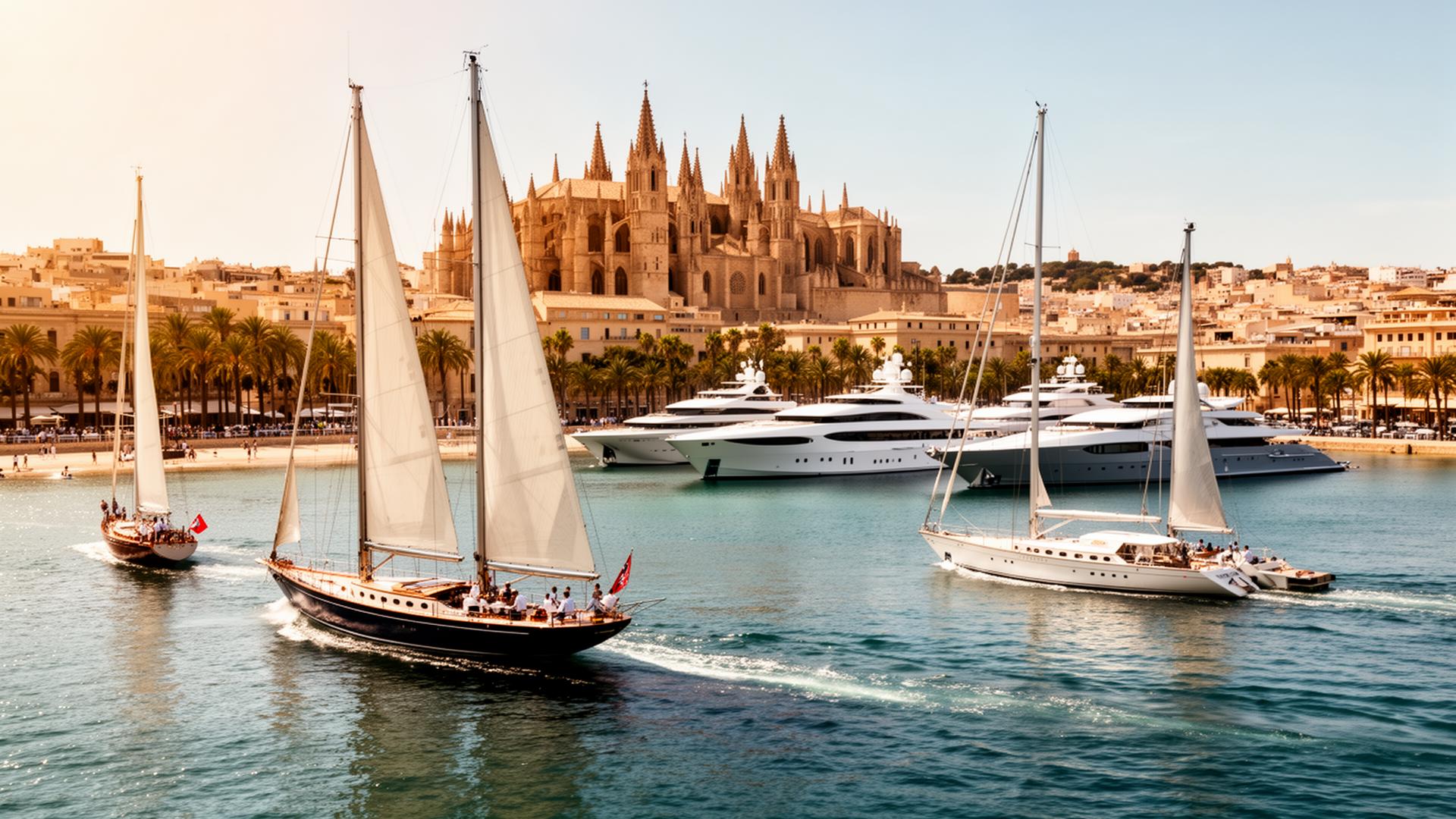
Best anchorages & bays in Mallorca.
Hover a marker for a quick brief — click to open the approach notes below. The protected coves and roadsteads your captain will plot into your week.
- Where to find it
- Captain confirms approach for Cala Saladeta.
- Where to find it
- Captain confirms approach for Espalmador.
- Where to find it
- Captain confirms approach for Cala Conta roads.
- Where to find it
- Captain confirms approach for Cabrera harbour.
- Where to find it
- Captain confirms approach for Cala Macarella.
Planning notes for Mallorca.
Balearics weeks fail when every night is a scene night. I protect two quiet calas for every Ibiza quay — and I match PMI vs IBZ to the first breakfast aboard, not the Instagram map.
WhatsApp or email reaches the charter desk. We reply within one working day with availability and a clear next step.
Places and days that often shape a Mediterranean week.
- 01LunchFormentera sandbar
Tender culture day — leave before the afternoon fleet.
- 02BerthPuerto Portals
Mallorca’s cleanest embark for larger LOA.
- 03ArrivalIBZ → Marina Ibiza
Fifteen to twenty-five minutes when traffic behaves.
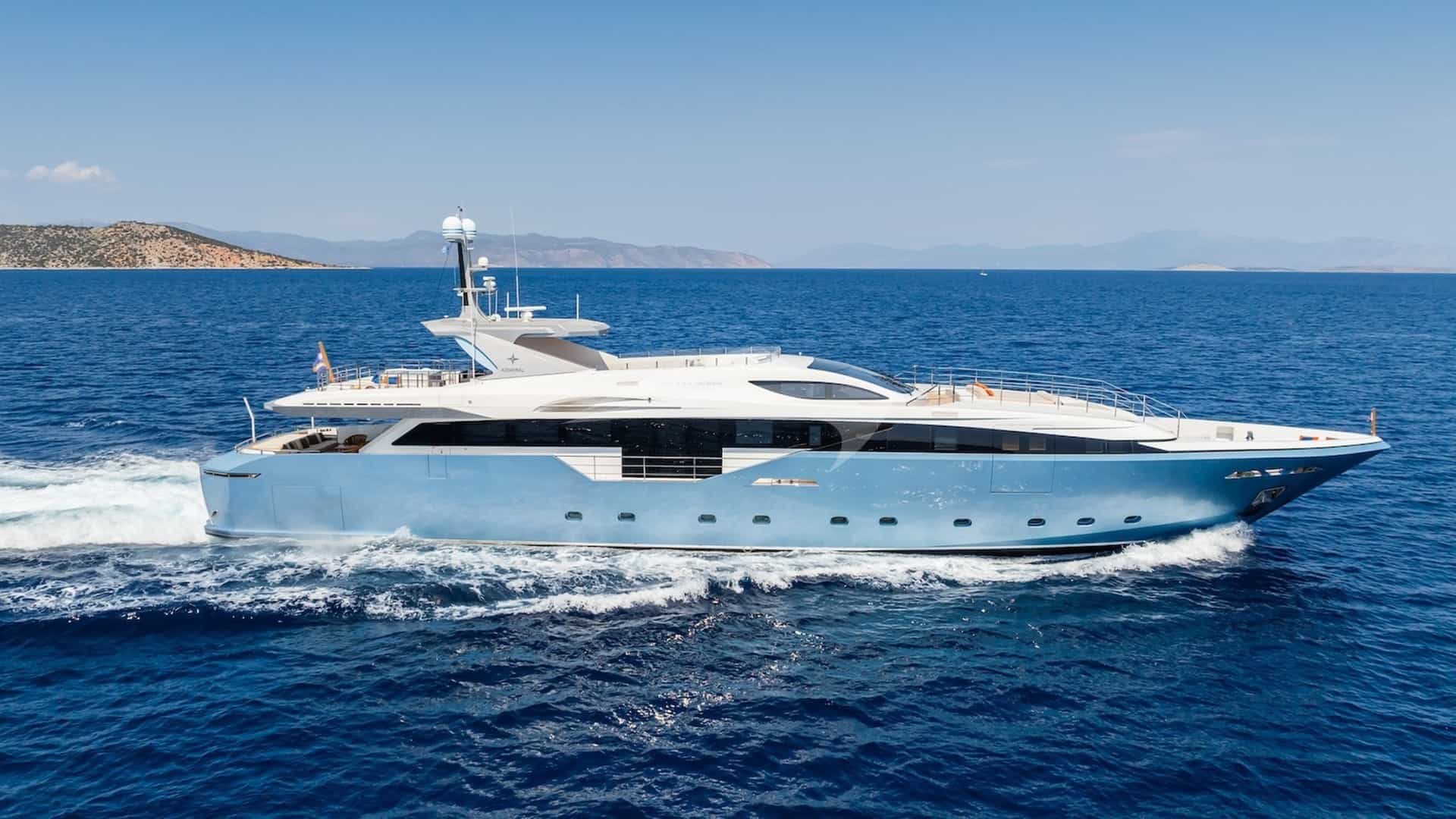
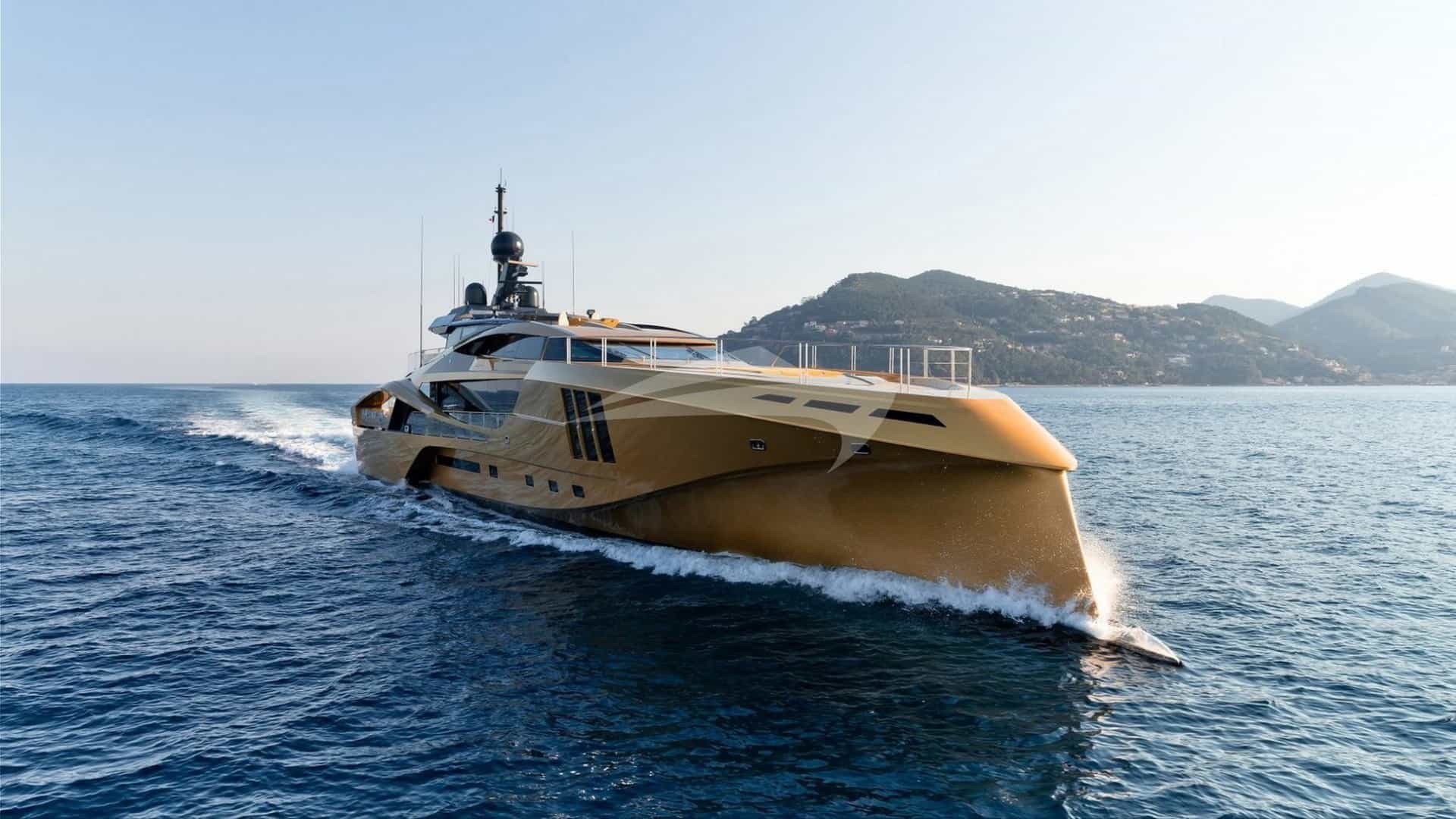
Three catalog yachts that fit Mediterranean — and why.
Bareboat vs crewed Mallorca yacht charter
Choosing between a bareboat and a crewed yacht charter in Mallorca dictates the very nature of your holiday. A bareboat charter puts you in command, responsible for navigation, sailing, and provisioning. A crewed charter, by contrast, offers a completely seamless and luxurious experience where every detail is managed for you.
| Aspect | Bareboat | Crewed |
|---|---|---|
| Licence & Experience | Requires internationally recognised skipper qualifications (e.g., RYA Day Skipper) and extensive proven experience. | None required. Your professional captain and crew handle all aspects of navigation and safety. |
| Weekly Cost | Lower initial fee, but you must budget for fuel, mooring fees, insurance, and all provisions. | All-inclusive or plus-expenses pricing. The charter fee covers the yacht and crew, with APA (Advance Provisioning Allowance) for fuel, food, and fees. |
| Itinerary Planning | Complete freedom, but relies entirely on your own research and knowledge of Mallorcan waters. | Collaborative and bespoke. Your captain provides expert, insider knowledge to craft the perfect itinerary based on your preferences. |
| Onboard Experience | Hands-on and self-sufficient. You are responsible for sailing, anchoring, cooking, and cleaning. | Pure relaxation. The crew manages the yacht, serves gourmet meals, and provides five-star hospitality, leaving you to enjoy your holiday. |
| Cuisine | You are the chef. Involves planning, purchasing, and preparing all meals and drinks. | A private chef curates a menu based on your dietary preferences, sourcing the finest local ingredients for exquisite meals. |
| Maintenance & Issues | You are the first point of contact for any technical issues, liaising with the charter base. | The crew, particularly the engineer on larger yachts, handles all maintenance seamlessly and discreetly, ensuring no disruption to your holiday. |
| Best For | Experienced, qualified sailors on a budget who enjoy the challenge and responsibility of skippering. | Guests seeking ultimate relaxation, luxury, and a bespoke holiday without the stress of managing a yacht. |
For a truly luxurious and carefree exploration of Mallorca's stunning coastline, a crewed charter is the unequivocal choice. It transforms a sailing holiday into a five-star private resort experience.
Mallorca weather & sailing calendar
| Month | Air | Sea | Wind | Rain | Suitability | Notes |
|---|---|---|---|---|---|---|
| January | 6-15°C | 14°C | NW 10-20 kn | Moderate | Off | The island is quiet and cool, best for land-based exploration rather than chartering. |
| February | 6-15°C | 13°C | NW 10-20 kn | Moderate | Off | Almond blossoms provide stunning scenery, but sea and air temperatures remain too cold for comfortable cruising. |
| March | 8-17°C | 14°C | Variable 10-15 kn | Low | Off | Days are getting longer and sunnier, but the sea is still too chilly for swimming. |
| April | 10-19°C | 15°C | Variable 5-15 kn | Low | Shoulder | A lovely month to charter with quiet anchorages, though the sea is still brisk. |
| May | 14-23°C | 18°C | SE 5-10 kn | Low | Good | Excellent charter conditions with warm sun, light winds, and pre-season tranquillity. |
| June | 18-27°C | 21°C | SE 5-10 kn | Low | Prime | The start of prime season; perfect weather, warm seas, and a vibrant atmosphere in ports. |
| July | 21-30°C | 24°C | SE 5-15 kn | Low | Prime | Peak season with hot, sunny days and ideal conditions for swimming and water sports. |
| August | 22-31°C | 26°C | SE 5-15 kn | Low | Prime | The warmest month for both air and sea, but also the busiest; book marinas well in advance. |
| September | 19-27°C | 24°C | Variable 5-15 kn | Moderate | Prime | Still-warm seas and beautiful weather with fewer crowds than August make this a favourite month for many. |
| October | 15-23°C | 22°C | Variable 10-15 kn | Moderate | Good | A peaceful month with pleasant temperatures, though a higher chance of rain and stronger winds. |
| November | 10-18°C | 19°C | NW 10-20 kn | High | Shoulder | Cooler weather and unsettled conditions mark the end of the comfortable charter season. |
| December | 8-16°C | 16°C | NW 15-25 kn | High | Off | Winter conditions prevail, with strong winds and cold seas making chartering unsuitable. |
Mallorca customs, visas & cruising permits
Cruising in Mallorca is a remarkably straightforward affair, as Spain is a yacht-friendly EU member state. For our crewed charters, all vessel-specific documentation, local taxes, and cruising formalities are expertly handled by your captain and our shore-based team. Your focus remains solely on enjoying the stunning Balearic scenery.
Visas & entry
Mallorca is part of Spain and the Schengen Area. Guests from other Schengen countries do not need a visa, while visitors from the UK, USA, Canada, and Australia can typically enter for up to 90 days in a 180-day period for tourism without a visa. We advise checking the latest requirements for your specific nationality well in advance of your trip.
Cruising permit
While commercial charter yachts must adhere to strict Spanish regulations ('matriculación'), this process is entirely managed by the yacht's owner and your charter company. There are no cruising permits or logs for you as a guest to complete. You have the freedom to cruise all Spanish waters, including the protected Cabrera National Park, for which your captain will secure the necessary daily permit.
Paperwork checklist
- Valid Passport (with at least 6 months validity)
- Schengen Visa (if required for your nationality)
- Copy of your signed Charter Agreement
- Travel Insurance documentation
- Guest Preference Sheet (completed pre-charter)
- Flight and transfer details for the crew
Insider tip — For high-season charters, have your captain reserve moorings or anchorages in popular locations like Port de Sóller or Cala Sa Calobra days in advance to secure the best spots.
Luxury Yacht Charter Mallorca
A luxury yacht charter in Mallorca is more than a holiday; it is an entry into a world of exclusive experiences and unparalleled comfort. From the moment you step aboard your chosen superyacht in the prestigious port of Palma, your every need is anticipated by a professional crew. Imagine your private chef preparing a gourmet lunch of local prawns and citrus, served as you anchor in the turquoise waters of Es Trenc. Your captain, with an intimate knowledge of the island, can secure a last-minute reservation at a chic Port d'Andratx restaurant or navigate to a secluded cove inaccessible by land. Onboard, the luxury continues with state-of-the-art amenities, designer interiors, and an arsenal of water toys. This is a journey defined by privacy, bespoke service, and the freedom to explore the breathtaking coastline of Mallorca on your own terms, creating memories that will last a lifetime.
Mallorca Catamaran Charter
For families and groups seeking space, stability, and style, a Mallorca catamaran charter is the perfect choice. The twin-hull design provides an exceptionally stable platform, minimising roll both at anchor and underway, which is ideal for guests new to yachting. This stability translates to immense onboard living space, from the wide, sociable aft cockpit to the iconic forward trampolines—the best spot on the boat for sunbathing with a cocktail in hand. A key advantage of a catamaran is its shallow draft, allowing your captain to navigate into stunningly beautiful and shallow calas, such as Cala Llombards or Cala Mondragó, that are off-limits to deeper monohulls. Whether you are enjoying a barbecue on the flybridge, launching paddleboards from the transom steps, or simply relaxing in the spacious saloon, a catamaran delivers a comfortable, versatile, and sociable base for your Mallorcan adventure.
Crewed Yacht Charter Mallorca
Opting for a crewed yacht charter in Mallorca elevates your holiday from a simple boat rental to a five-star, fully-serviced private escape. Your professional crew is the key to this transformation. The captain is not just a navigator but your personal guide to the Balearics, using their local expertise to craft a bespoke itinerary that avoids the crowds and reveals hidden gems. Your private chef will astound you with culinary creations tailored to your exact preferences, from fresh breakfast pastries to elaborate evening tasting menus. The steward or stewardess ensures the yacht is immaculate, your glass is always full, and every detail of your comfort is attended to. With a crewed charter, all responsibilities—navigation, safety, provisioning, cooking, and cleaning—are handled. You are left with the pure, unadulterated pleasure of discovering Mallorca's dramatic cliffs, serene calas, and vibrant port towns in complete relaxation and security.
Private Yacht Charter Mallorca
A private yacht charter in Mallorca offers the ultimate in exclusivity and personalised travel. This is your floating villa, a sanctuary that moves at your command, far from the bustling hotels and crowded beaches. Your itinerary is not fixed; it is a fluid plan designed around your desires each day. Perhaps you wish to spend the morning exploring the dramatic Tramuntana coastline near Sa Calobra, followed by an afternoon of complete seclusion in the pristine waters of the Cabrera National Park. A private charter ensures this is possible. It’s an intimate setting for creating memories with your family or friends, where the only other people are your dedicated crew, committed to your privacy and enjoyment. From discreet, attentive service to the ability to change course on a whim to chase a perfect sunset, a private yacht charter is the definitive way to experience the authentic, unspoiled beauty of Mallorca.
Mallorca yacht charter FAQs.
What does it cost to charter a yacht in Mallorca?+
Where do we embark in Mallorca?+
PMI transfer?+
Lead time?+
Family calas?+
Cabrera?+
Combine with Ibiza?+
Mallorca-only or an island crossing?+
Continue from here.
Why charter Mallorca with us.
Independent brokerage with live inventory, transparent pricing, and a concierge that works the coast before you step aboard.
- 01Speed
Real-time availability
Live availability feed across 2,000+ yachts — hold and confirm in hours, not weeks.
- 02Trust
100% best-price guarantee
We do not mark up the charter fee. The price you see is the operator's price.
- 03Integrity
Independent advice
Our recommendations follow the boat, not a commission — owners pay us, not introducing brokers.
- 04Craft
Concierge depth
Restaurants, transfers, private guides, helicopters and beach clubs handled long before you board.
Tell us your dates and party — we return three live options within the day.
Ready to charter in Mallorca?
Tell us your dates, party size and what makes a perfect day on the water. We reply within one working day with a curated shortlist and a transparent quote.
How our Mallorca guide is compiled.
Prepared by the Blue Ocean Club editorial team from the cited destination and charter sources available for this page. This page is maintained by the Blue Ocean Club charter desk — editorial content, not an independent certification.
- Experience
Destination intelligence coverage
This guide currently connects 60 charter yachts on record. Counts describe records available to the page, not first-hand visits or live availability.
- Expertise
Editorial provenance
Prepared by the Blue Ocean Club editorial team from the cited destination and charter sources available for this page.
- Authoritativeness
Where the facts come from
No curated citation set is attached to this destination yet. Unsupported source claims are not added as a fallback.
- Trust
Last data refresh
The underlying destination record was last refreshed 1 August 2026. A data refresh is not presented as a human verification event.
- Limitation
What we never state
We do not treat database inventory as live availability and do not present unverified operator pricing or operator terms as confirmed facts. Availability, rates, taxes, berth suitability and charter terms are confirmed for the specific enquiry.
Planning intelligence
Planning a charter in Mallorca
Everything you would need to decide on this destination today — seasons, suitability, yachts, aircraft, demand and booking pressure. Each line carries its confidence level, and anything we cannot support says so.
When to go to Mallorca
Climate, travel seasons, charter seasons and the operational wind and storm patterns that actually apply here.
Climate
- Average air temperature
- Circa 13 °C in winter, 25–28 °C in July and AugustIndicativeRegional coastal climatology, not a forecast.
- Average sea temperature
- Circa 13–15 °C in winter, 24–26 °C in AugustIndicativeSea surface climatology for the northern Mediterranean basin.
- Rainfall trend
- Dry summers, wettest in October and NovemberCorroborated
- Sunshine
- Among the highest in Europe from May to SeptemberCorroborated
- Daylight
- Circa 15 hours in June, circa 9 hours in DecemberVerifiedAstronomical, not weather-dependent.
Travel seasons
- High season
- Late June to end of AugustCorroborated
- Shoulder season
- May to mid-June and September to early OctoberCorroborated
- Low season
- November to MarchCorroborated
Charter seasons
- Best yacht season
- May to OctoberCorroborated
- Best sailing season
- June to September, with reliable afternoon thermalsCorroborated
- Best diving season
- July to September, when visibility and sea temperature peakIndicative
- Best family season
- June and September — warm water, thinner crowdsIndicative
Sprint 01K — Italy pillar and Balearic commercial pages mapped to the certified Western Mediterranean intelligence profile.
Who Mallorca suits
Rated on stored evidence, not opinion: Excellent, Very Good, Good, Limited or Unavailable.
Suitability
- Family
- Very GoodCorroborated
- Romantic
- ExcellentCorroborated
- Honeymoon
- Very GoodCorroborated
- Adventure
- GoodCorroborated
- Nightlife
- ExcellentCorroborated
- Wellness
- Very GoodCorroborated
- Diving
- GoodCorroborated
- Fishing
- GoodCorroborated
- Luxury shopping
- ExcellentCorroborated
- Culture
- ExcellentCorroborated
- Food
- ExcellentCorroborated
- Beach
- Very GoodCorroborated
- Island hopping
- GoodCorroborated
- Corporate retreat
- ExcellentCorroborated
- Ultra luxury
- ExcellentCorroborated
- Remote escape
- LimitedCorroborated
Sprint 01K — Italy pillar and Balearic commercial pages mapped to the certified Western Mediterranean intelligence profile.
Which yacht suits this destination
Hull types and charter formats that the cruising ground and berth infrastructure actually support.
Ideal yacht types
- Motor Yacht
- ExcellentCorroboratedShort hops between harbours reward speed; deep-water berths are widely available.
- Sailing Yacht
- Very GoodCorroboratedReliable afternoon thermals from June to September.
- Catamaran
- GoodCorroboratedBeam can restrict berth allocation in the historic harbours.
- Explorer Yacht
- LimitedCorroboratedDistances are short; explorer range is rarely the deciding factor.
- Sport Yacht
- ExcellentCorroboratedIdeal for day charters between neighbouring harbours.
- Mega Yacht
- ExcellentCorroboratedSuperyacht berths on record across the region.
Charter formats
- Week charter
- ExcellentCorroborated
- Weekend charter
- Very GoodCorroborated
- Day charter
- ExcellentCorroborated
- Crewed charter
- ExcellentCorroborated
- Bareboat
- GoodCorroborated
- Flotilla
- LimitedCorroborated
Sprint 01K — Italy pillar and Balearic commercial pages mapped to the certified Western Mediterranean intelligence profile.
Which aircraft can reach it
Classified from our airport graph. Runway limits are never inferred — an unknown stays unknown.
Aircraft access
- Basis
- Classified from the Blue Ocean Club airport graphCorroborated
Sprint 01K — Italy pillar and Balearic commercial pages mapped to the certified Western Mediterranean intelligence profile.
How busy it gets
Demand and occupancy trends rather than invented prices.
Demand
- Typical demand
- Sustained from May to OctoberCorroborated
- Peak demand
- July and August, plus the Grand Prix and film-festival weeksCorroborated
- Quiet season
- November to March; many berths and beach clubs closeCorroborated
- Event-driven demand
- Major events lift berth and hotel demand far beyond the surrounding weeksCorroborated
- Booking pressure
- High for July and AugustIndicative
- Marina occupancy trend
- Effectively full in peak summer; berths are held long in advanceIndicative
- Airport congestion trend
- Heaviest on summer weekendsIndicative
- Hotel occupancy trend
- Peaks in July and August and around event weeksIndicative
Sprint 01K — Italy pillar and Balearic commercial pages mapped to the certified Western Mediterranean intelligence profile.
When to book
Planning horizons and waiting-list risk, confidence-labelled.
Booking
- Typical booking window
- Six to twelve months ahead for peak summerIndicative
- Suggested planning horizon
- Start twelve months out if a specific yacht or berth mattersIndicative
- High season recommendation
- Confirm July and August by the preceding winterIndicative
- Last-minute suitability
- Realistic in May, June and October; rarely in peak summerIndicative
- Waiting-list risk
- High for event weeksIndicative
Sprint 01K — Italy pillar and Balearic commercial pages mapped to the certified Western Mediterranean intelligence profile.
Travelling with children
Described objectively — ages, access, indoor options and medical proximity.
Travelling with children
- Young children
- Short passages between harbours keep sea time manageableCorroborated
- Teenagers
- Watersports, beach clubs and towns within tender reachCorroborated
- Accessible beaches
- Widely available, though many are pebble rather than sandCorroborated
- Museums
- Dense concentration of major museums and galleriesCorroborated
- Rainy day
- Towns, museums and covered attractions within a short transferCorroborated
- Medical facilities nearby
- Major hospitals in the principal coastal citiesCorroborated
- Family transfers
- Road and helicopter transfers on recordCorroborated
Sprint 01K — Italy pillar and Balearic commercial pages mapped to the certified Western Mediterranean intelligence profile.
Marine protection and responsible cruising
Verified reserves, eco-marina infrastructure and conservation programmes only.
Sustainability
- Eco marinas
- Several regional marinas hold environmental certificationIndicative
- Electric charging
- Shore power widely available; tender charging varies by marinaIndicative
Sprint 01K — Italy pillar and Balearic commercial pages mapped to the certified Western Mediterranean intelligence profile.
Arrival
Arriving in Mallorca
Gateways, transfer times and the door-to-deck plan — mapped against the berths you would actually use.
Mallorca on the map
Marinas, arrival gateways, stays, dining and family options — toggle the layers you care about.
Owning versus chartering in Mallorca
Mallorca is one of the markets where owners weigh a berth and a permanent crew against chartering three or four weeks a year. Before you compare, read the yacht ownership vs charter vs fractional ownership cost study — five years of crew, berthing, refit and depreciation set beside the same budget spent on charter — and the most profitable yachts for owners ranking, which models charter recovery by size band and shipyard.