The Last True Expedition
Raja Ampat is not a charter destination; it is an operational theatre. This is not a week-long jaunt from a familiar Med port. It is a commitment to remoteness, a venture for principals who measure ROI in terms of genuine discovery, not proximity to a Michelin-star ashore. For the broker, it represents a significant logistical undertaking requiring meticulous planning and absolute transparency with the client. The payoff? Access to the planet's most biodiverse marine ecosystem, an archipelago of 1,500 jungle-clad karst islands where the primary traffic is the tidal current and the only nightlife is the bioluminescence in your wake.
This is the final frontier of ultra-luxury chartering. If your principal is ready for that, here is the operational brief.
The Deal: Figures, Permits, and Logistics
Forget the standard Caribbean or Mediterranean financial model. The numbers in Indonesia, and specifically Raja Ampat, are weighted differently.
Charter Fees & APA:
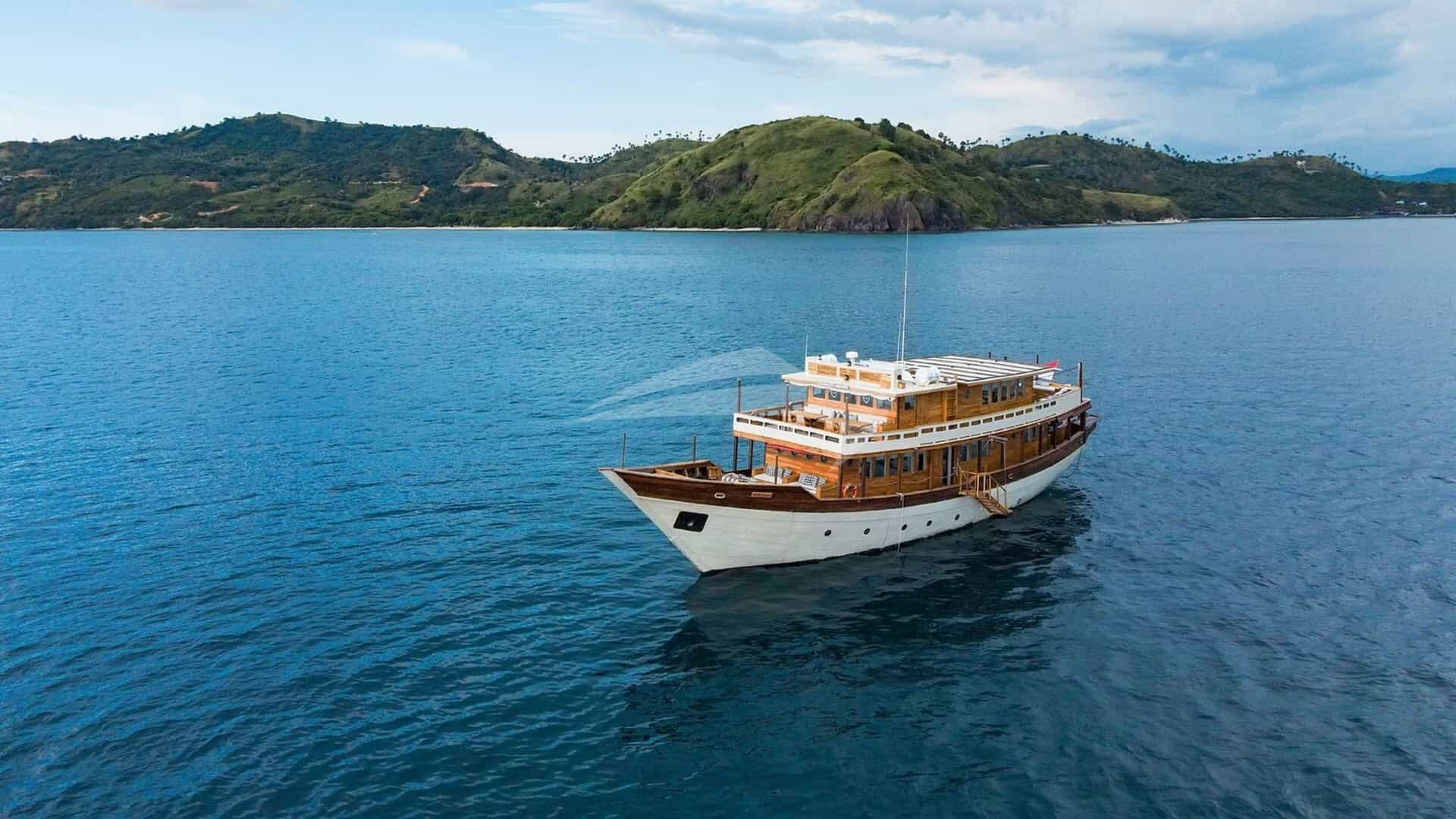
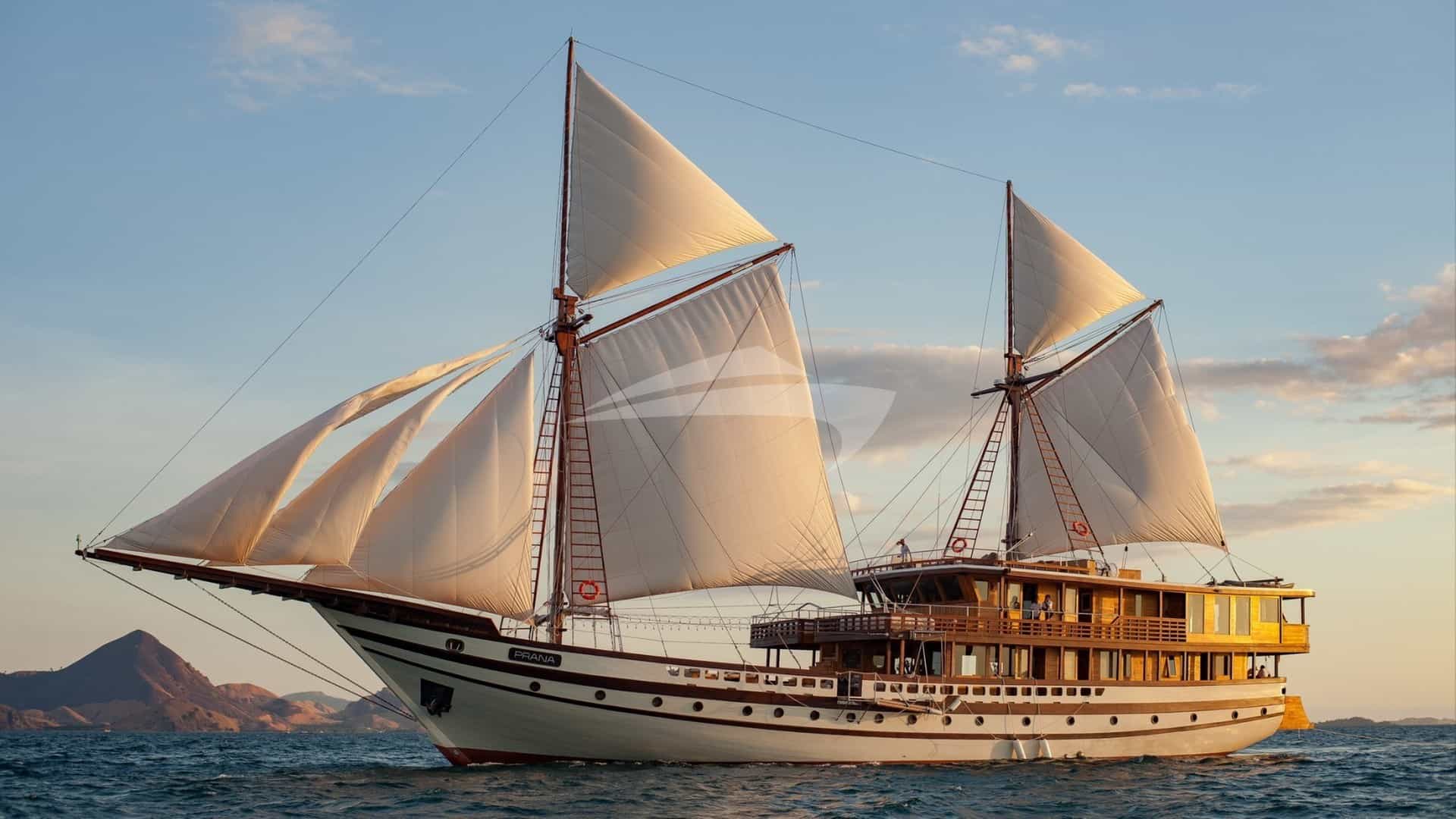
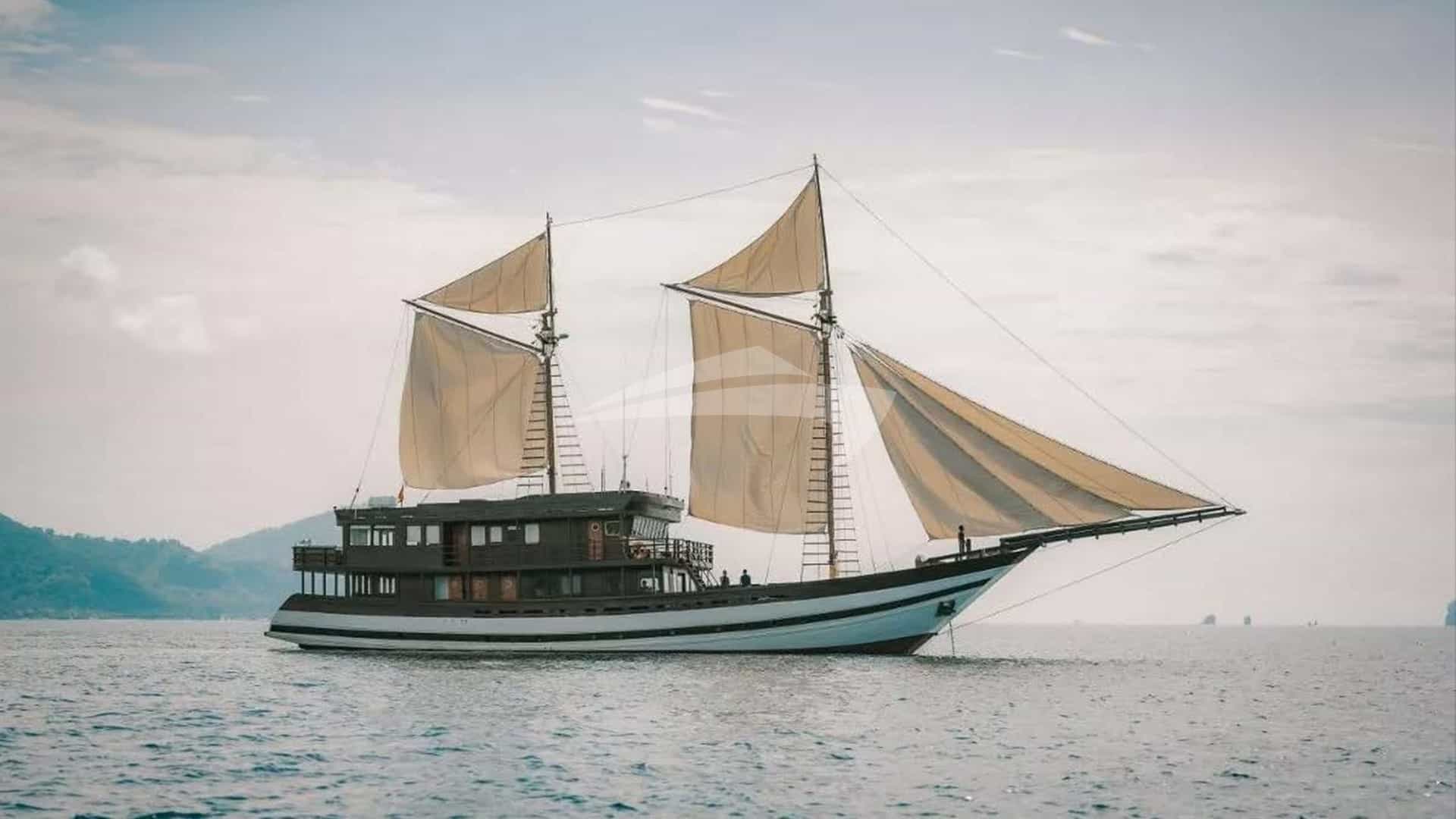
For a top-tier, 50-60m Phinisi-style yacht (Dunia Baru, Lamima, Prana by Atzaró), expect weekly rates to start at €150,000 and push towards €250,000 in high season. For a purpose-built steel expedition yacht in the 60-75m class, the baseline will be closer to €400,000-€700,000.
The Advanced Provisioning Allowance (APA) is the critical line item. A standard 30% will not suffice. Budget for 35% as a minimum, and advise clients that 40% is more realistic. The reasoning is simple:
- Fuel Burn: Distances are vast. A common 10-day Sorong-Wayag-Misool-Sorong loop can cover 500-600 nautical miles. Tenders will also have high operational tempos, running dive and exploration sorties multiple times a day.
- Provisioning: Everything is imported. While some local produce and fish are excellent, premium meats, specific vintages of wine, and specialist dietary items must be flown into Sorong from Bali, Jakarta, or Singapore. This incurs significant cost and requires a long lead time. There is no mid-charter run to a local supermarché for a forgotten case of Champagne.
- Permits & Fees: These are non-trivial and are typically paid from the APA.
Clearance and Permits:
The Indonesian bureaucracy is formidable but navigable with the right local agent, a service the yacht's management will handle. The key documents are:
- CAIT (Cruising Application for Indonesian Territory): The master permit. This process should be initiated 90 days prior to the charter start date.
- Port Clearance (Sailing Permit / Surat Persetujuan Berlayar): Required for every leg between major ports. The captain and a local agent handle this, but it dictates a certain rigidity in the high-level itinerary.
- Raja Ampat Marine Park Entry Permit: Currently around $70 USD per person. A straightforward fee, but essential.
The key takeaway for the broker: secure the charter well in advance. A last-minute booking for Raja Ampat is a recipe for operational failure.
Asset Selection: The Right Yacht for the Job
The choice of vessel is paramount and falls into two distinct categories.
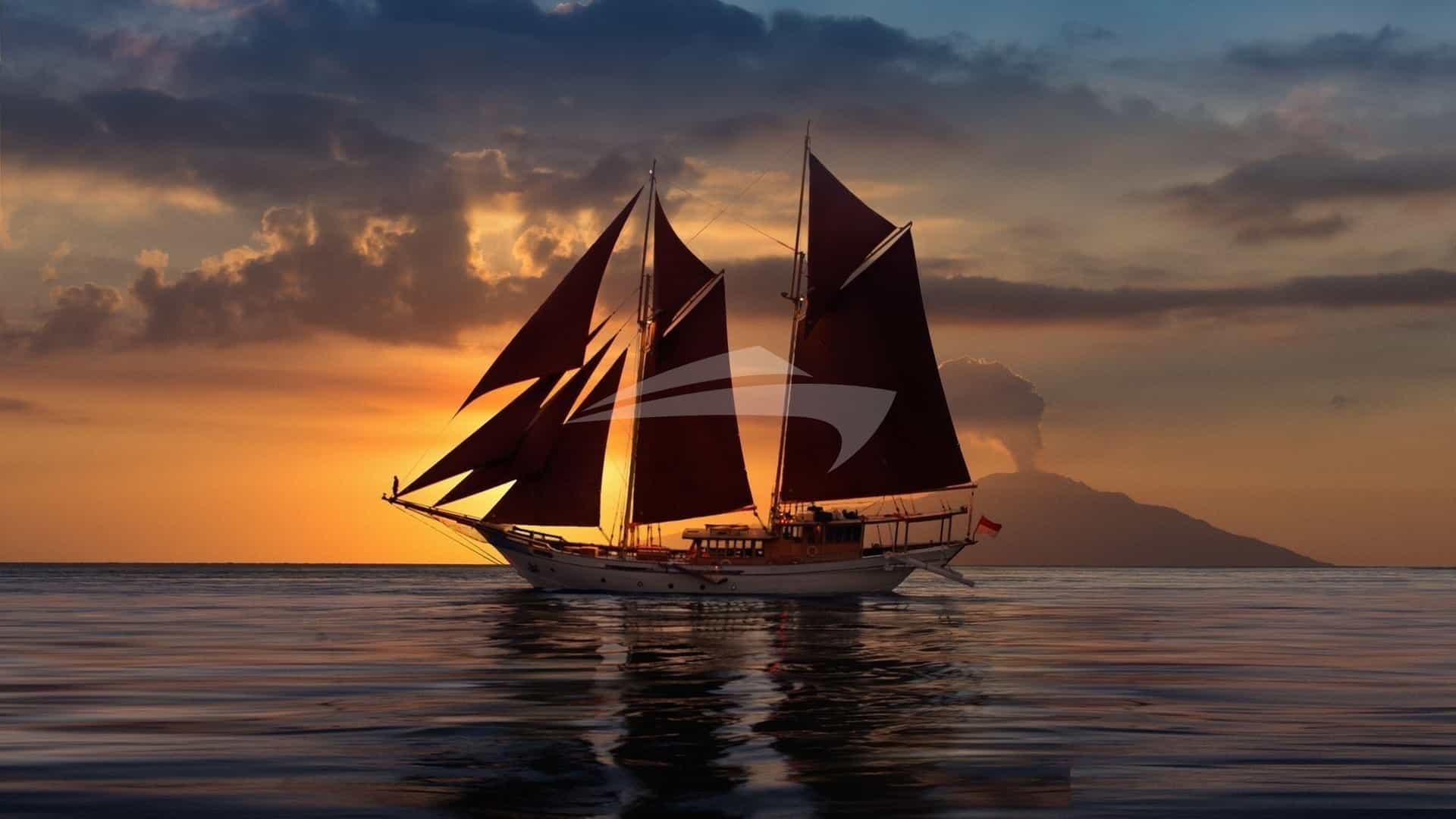
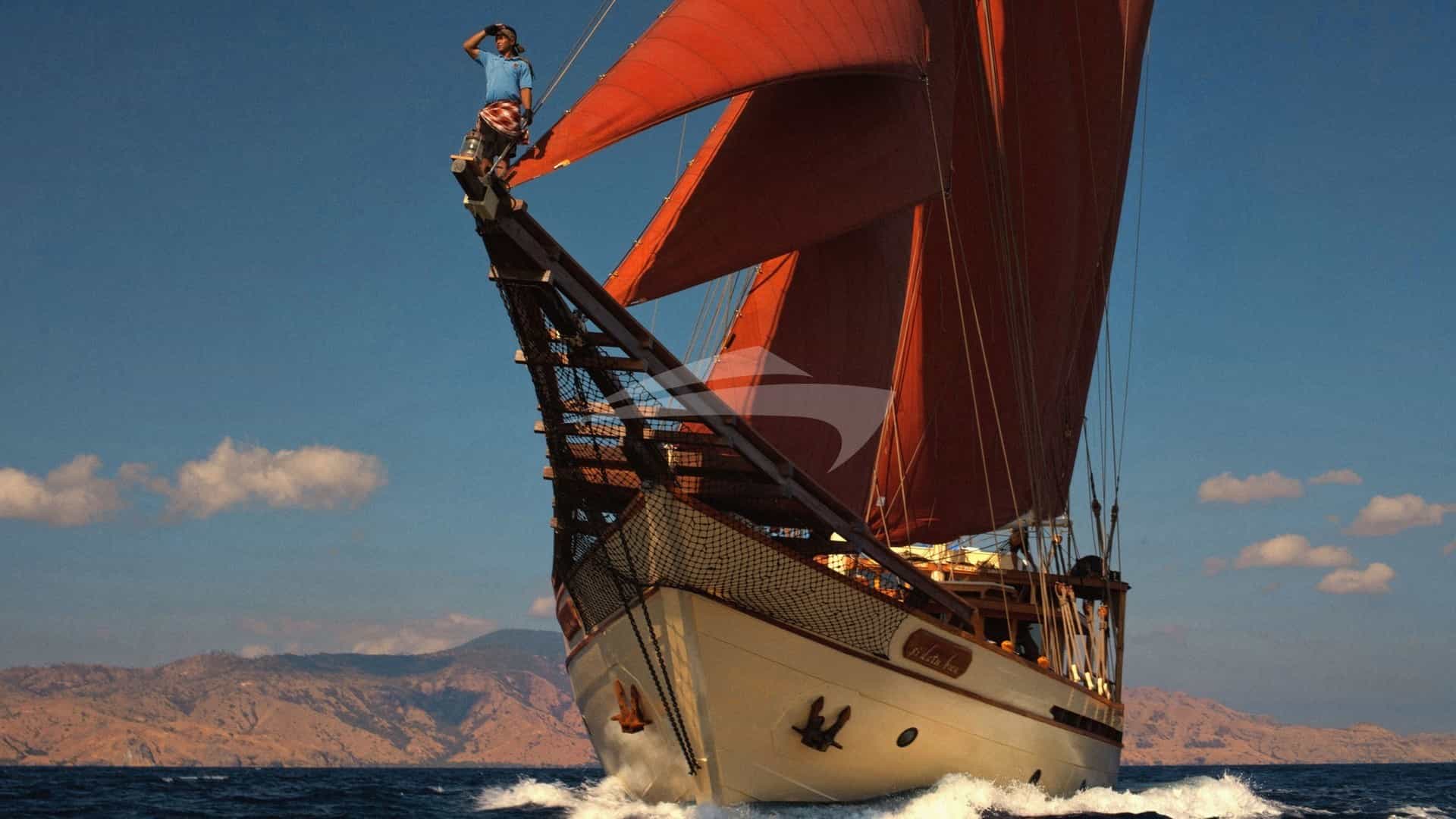
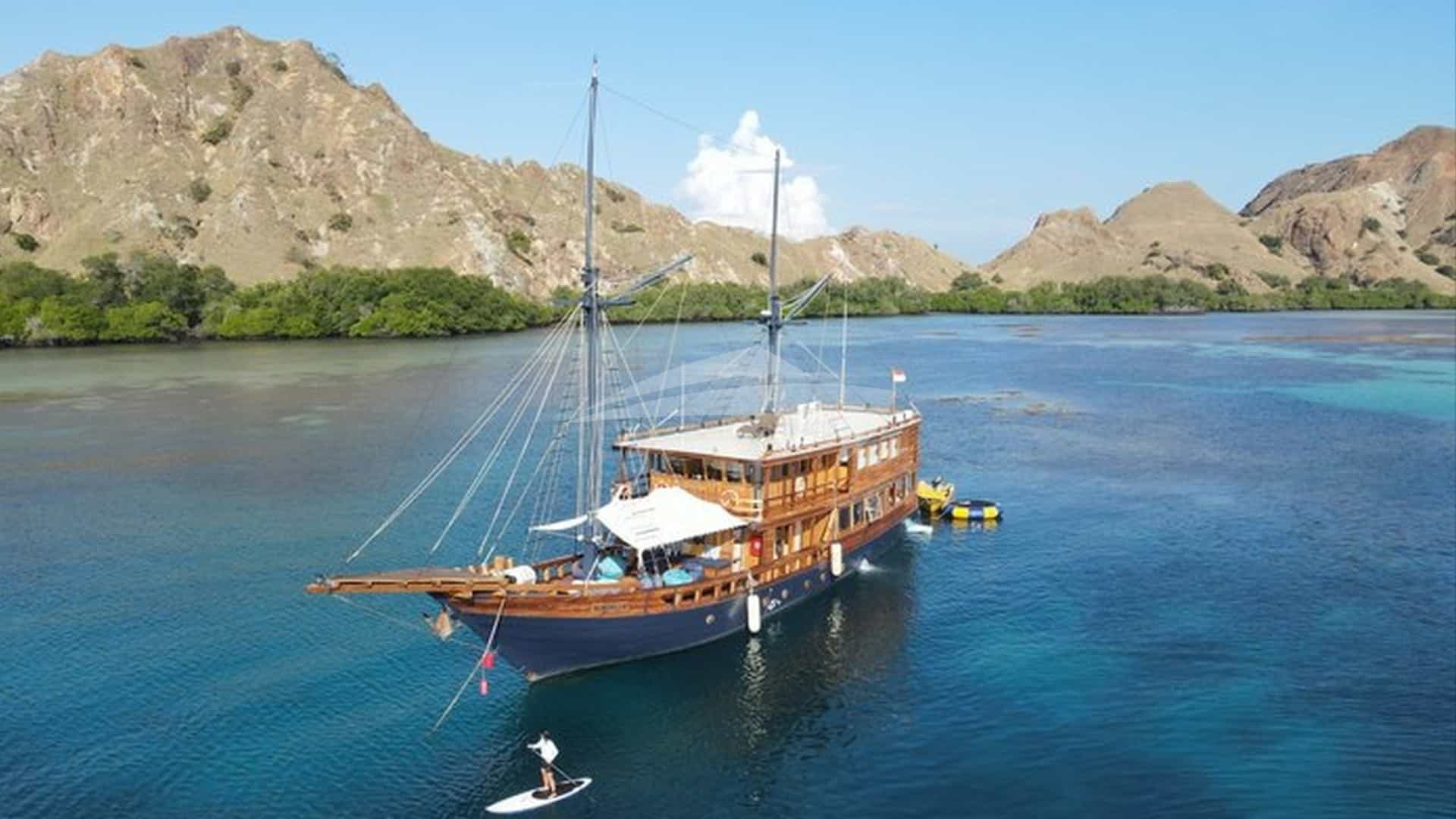
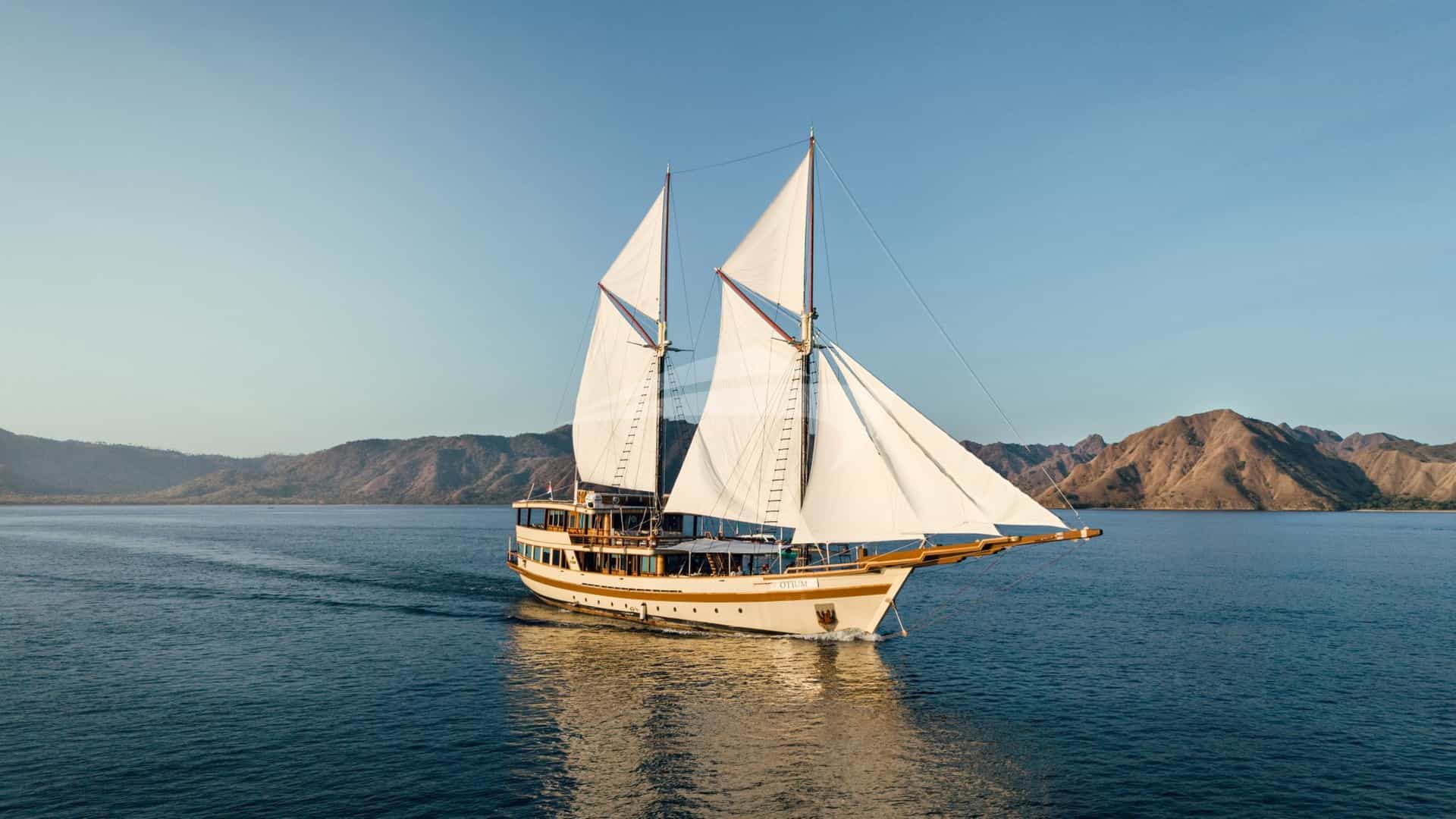
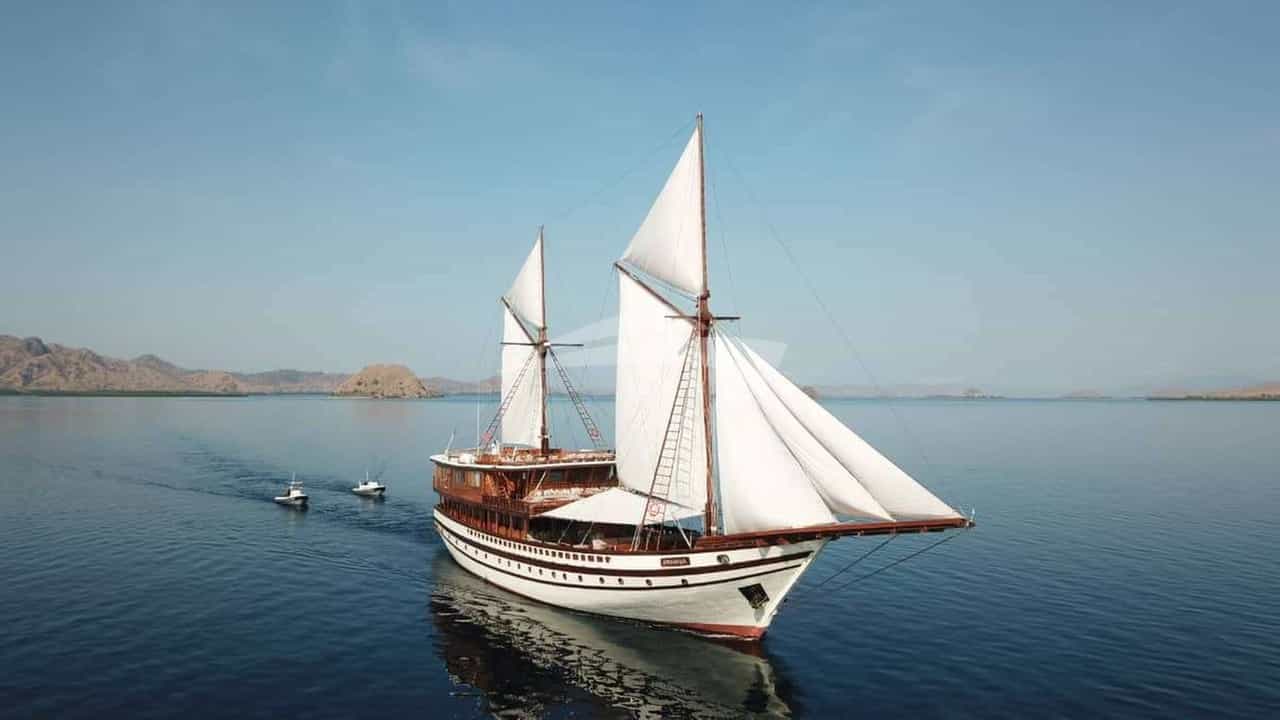
1. The Modern Phinisi Schooner (45m - 65m):
These are not rustic curiosities. They are purpose-built luxury yachts constructed by master Indonesian shipwrights, blending traditional lines with modern systems. Yachts like Amandira or Silolona offer an authentic, impossibly romantic platform.
- Pros: Unmatched aesthetic appeal, huge deck spaces, deep drafts are less of a concern, often crewed by locals with unparalleled knowledge, inherently stable at anchor. Their shallow-draft tenders are key.
- Cons: Slower cruising speeds (8-10 knots), which must be factored into itinerary planning. While sailing is possible, they are primarily motor-sailing vessels in this region due to variable winds and the need to maintain a schedule.
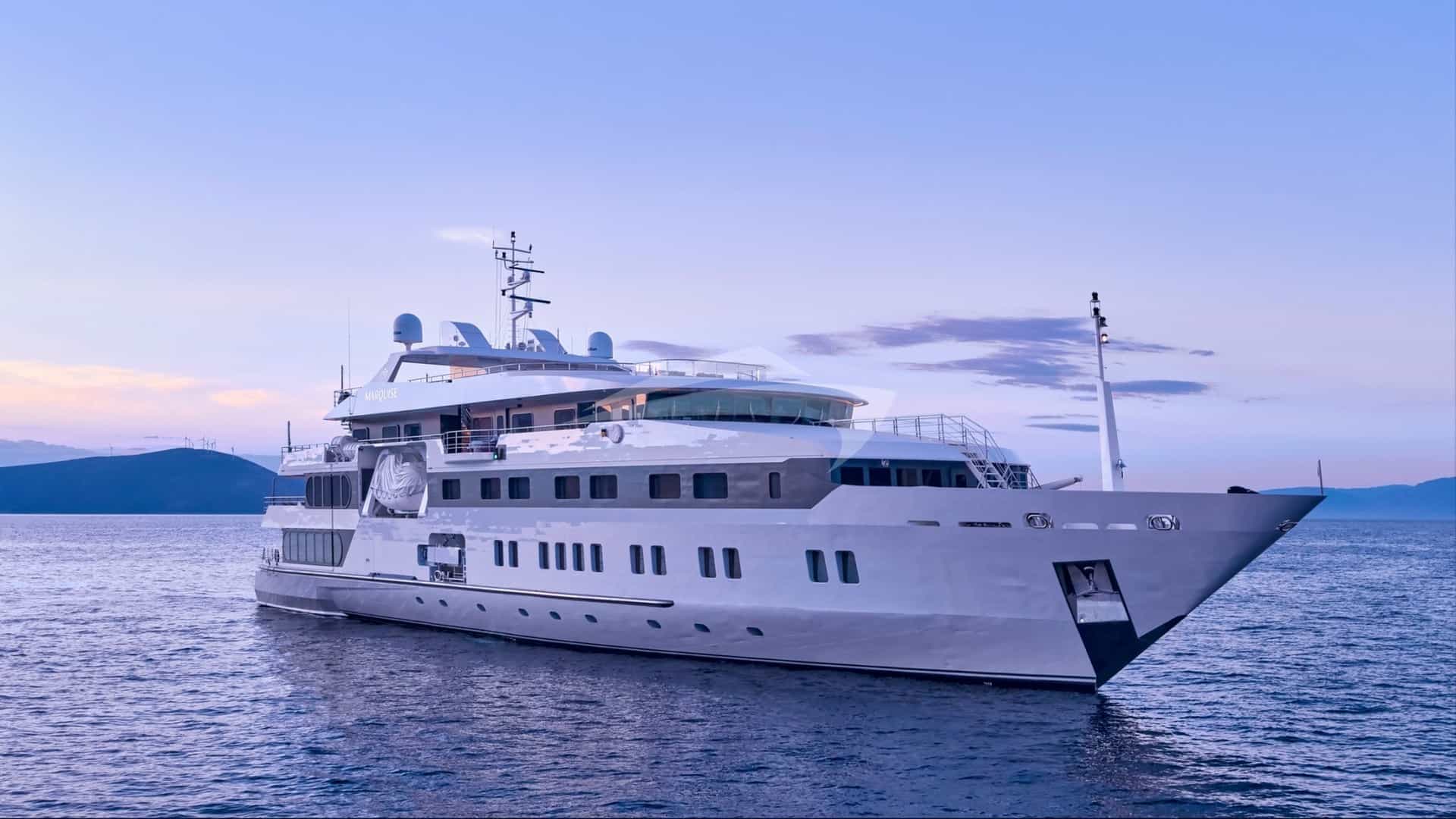
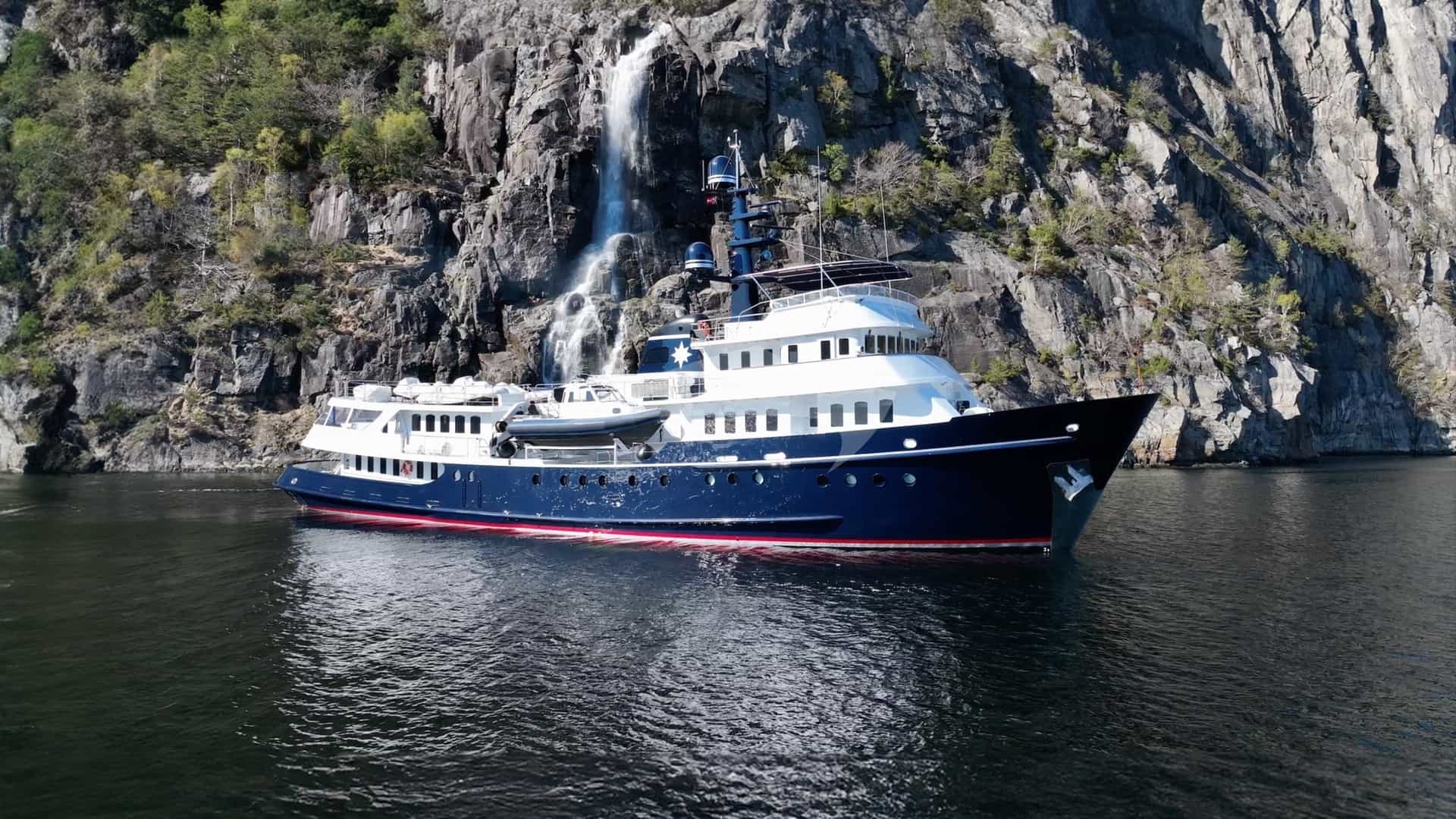
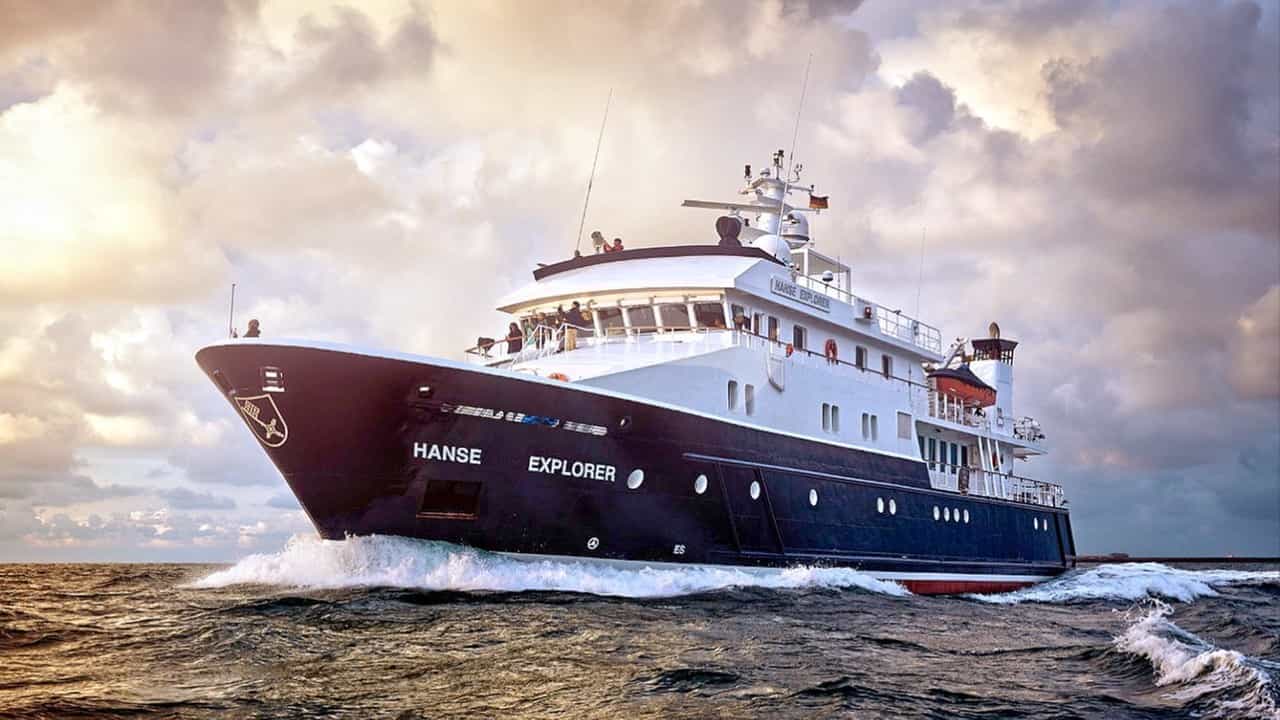
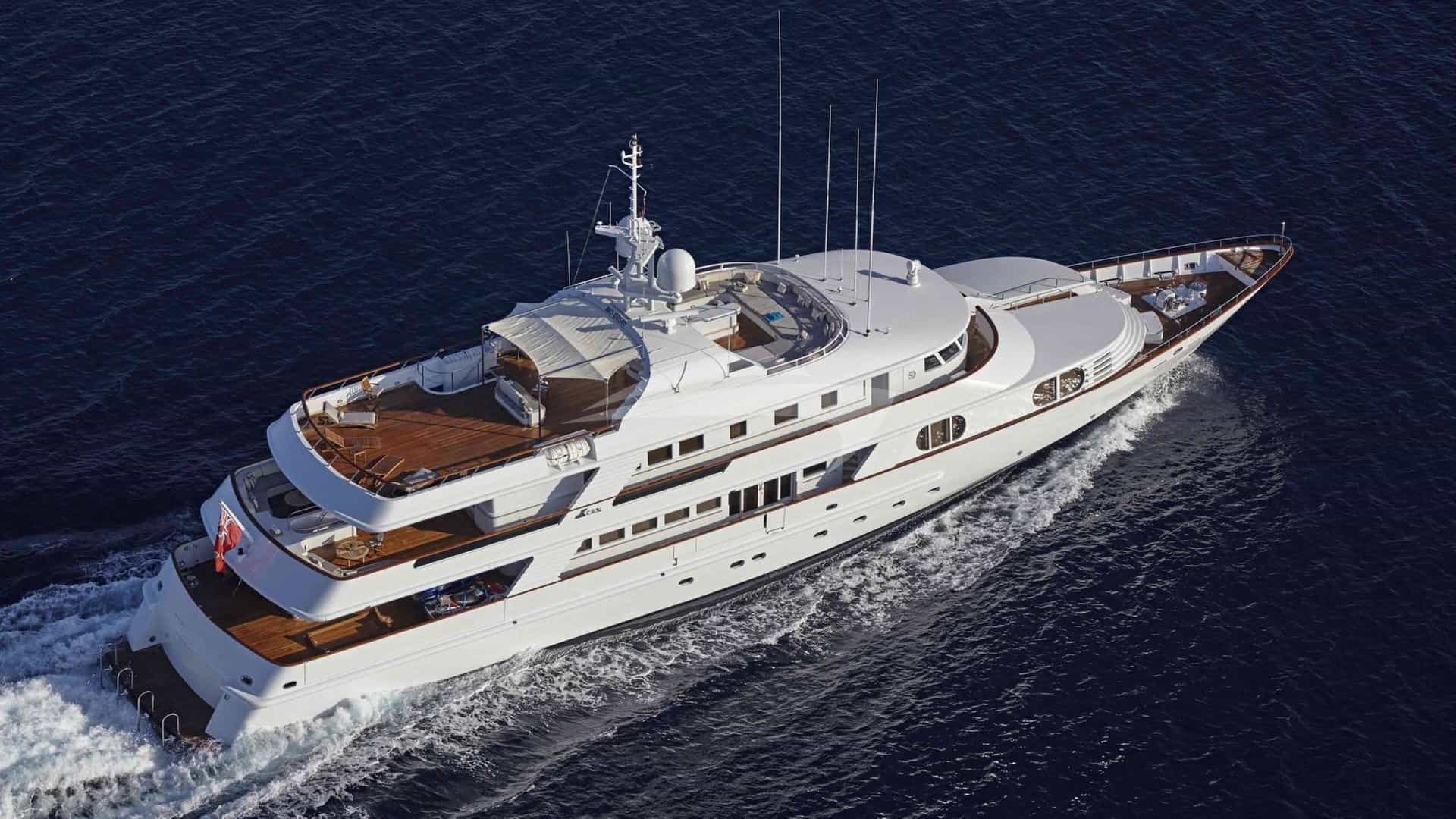
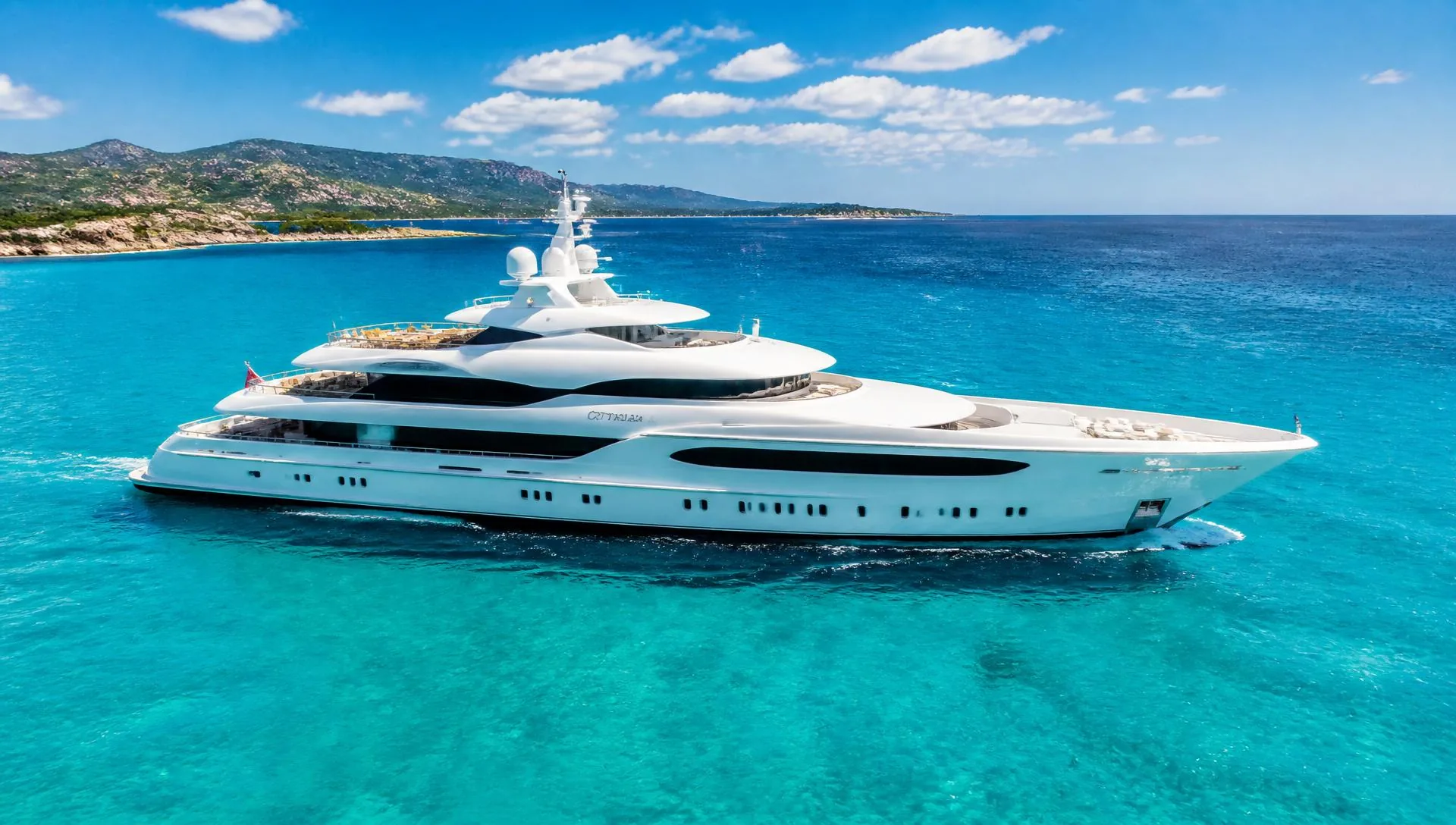
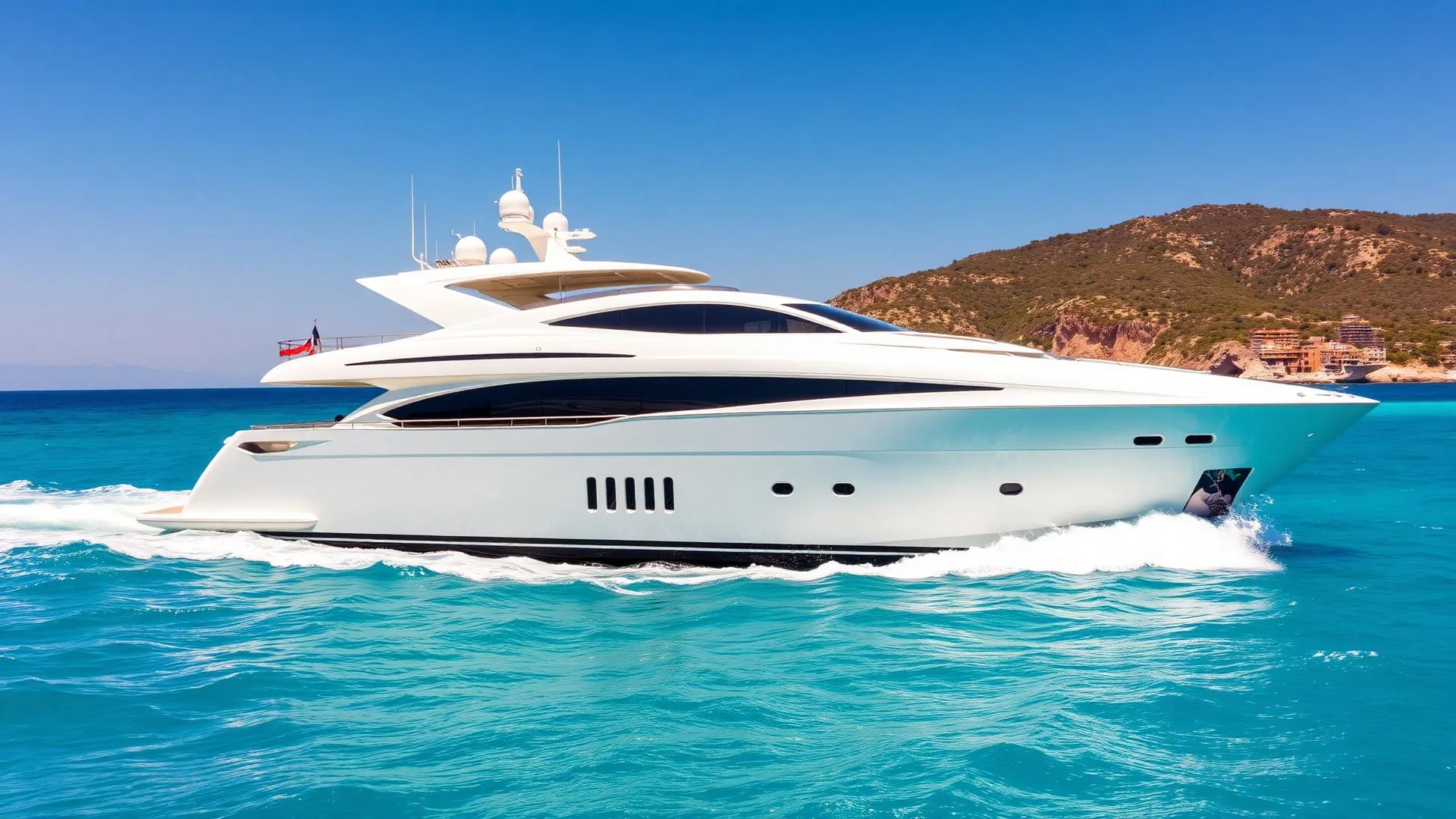
2. The Expedition Motor Yacht (50m - 80m):
These are the tools for maximum capability. Think Damen SeaXplorers, converted commercial hulls, or yachts like The Beast.
- Pros: Higher cruising speeds (12-15 knots) shrink the archipelago. Enhanced stability underway, especially in the cross-seas of the Halmahera Sea. Greater toy-carrying capacity (submersibles, multiple large tenders). Often feature more extensive dive centers with on-board nitrox and mixed-gas capabilities.
- Cons: Can feel disconnected from the environment compared to a Phinisi. Deeper draft may restrict access to some of the shallower lagoons, placing more pressure on the tenders.
Crew is Everything: The Captain must have extensive experience in these waters. The currents are complex and charting is not always perfect. A top-tier dive instructor is non-negotiable; this individual is arguably the most important crew member for the guest experience. An Indonesian-speaking guide or senior crew member is a force multiplier, facilitating everything from village visits to smoothing over local formalities.
Strategic Itinerary: A 10-Day Operational Plan
Flexibility is key, driven by weather, currents, and guest preference. However, a charter is a deployment of a multi-million-dollar asset; it requires a strategic framework.
Embarkation Point: Sorong (SOQ)
The logistical hub. Principals arrive via private jet or commercial flight from Jakarta (CGK). Embarkation is efficient. The goal is to clear the port and be underway within two hours of the guests stepping aboard. Sorong is the start and end point, not a destination.
Phase 1: The Dampier Strait (Days 1-3)
- Objective: Immediate immersion and world-class diving.
- Anchorages: Anchor off Pulau Kri or nearby Mansuar. The holding is good sand.
- Operations:
- Diving: Target Cape Kri, which holds the world record for fish species counted on a single dive. Manta Sandy is a reliable cleaning station for oceanic mantas. The jetty at Arborek Village offers a superb dusk dive with incredible macro life under the pier.
- Ashore: A visit to Arborek or Sawinggrai provides a gentle cultural touchpoint. Tenders can explore the hidden bays of southern Waigeo.
Phase 2: The Northern Frontier - Wayag (Days 4-6)
- Objective: Secure the iconic imagery of Raja Ampat. This is the primary mission for many principals.
- Transit: This is an overnight passage from the Dampier Strait, roughly 80-100 NM. Best executed while guests sleep.
- Anchorages: The main Wayag lagoon offers several protected anchorages surrounded by the iconic karst 'mushroom' islands. The entrance is well-marked but requires caution.
- Operations:
- The Climb: The main event. A 30-minute, steep but rewarding climb to the famous viewpoint. The crew should scout and prepare the route.
- Tender Exploration: The true magic of Wayag is exploring the labyrinthine network of turquoise lagoons by tender. This is where high-quality, stable tenders prove their worth.
- Diving: The outer reefs of Wayag face the open ocean and can have strong currents. This is advanced diving for pelagics.
- Beach Time: Set up a full beach club experience on one of the dozens of uninhabited, perfect-white-sand beaches. This is the "beach club" of Raja Ampat.
Optional Northern Leg: Aljui Bay
If the principal has an interest in pearl farming, a stop at the Cendana Pearl Farm in Aljui Bay is a unique value-add. It offers a fascinating glimpse into a high-value marine operation and some challenging macro/muck diving sites.
Phase 3: The Southern Maze - Misool (Days 7-9)
- Objective: Experience a different, more intricate side of the archipelago. Misool is about lagoons, caves, and dramatic topography.
- Transit: Another long overnight passage south, potentially 120-150 NM.
- Anchorages: The area around Balbulol and the eastern side of Misool offers countless secure spots. The yacht will move frequently here.
- Operations:
- Lagoons: The highlight of Misool. Send tenders into the heart-shaped Karawapop lagoon (Love Lagoon). Explore the breathtaking network of islands at Yapap.
- Caves: Use the tenders to navigate into Tomolol Cave, a vast cavern system that you can motor deep inside. At the right tide, guests can swim in the sacred cave nearby.
- Diving: Misool is soft coral heaven. Sites like Boo Windows, Magic Mountain, and Nudi Rock are world-class and offer a different flavor from the north. The area is a designated shark sanctuary; expect to see numerous blacktip and whitetip reef sharks.
Phase 4: Return to Sorong (Day 10)
A final overnight cruise from the Misool area back to Sorong for disembarkation. Schedule flights for the afternoon to allow for a relaxed morning.
Timing the Market: The Weather Window
The operational season for Raja Ampat is during the northwest monsoon, which brings drier weather and calmer seas.
- Primary Season: October to April.
- Peak Season: December to February. Seas are generally flattest, visibility at its best.
- Shoulder Season: October-November and March-April can see slightly more variable conditions but fewer yachts.
- Off-Season: May to September. The southeast monsoon brings wind, rain, and swells, making the crossings to Wayag and Misool uncomfortable and often untenable. Do not book charters during this period.
Water temperatures are a consistent 28-30°C (82-86°F) year-round.
This is a destination that rewards investment in planning. For the principal, it offers a clean break from the familiar and a return to the core purpose of exploration. For the broker, successfully executing a Raja Ampat charter is a mark of distinction, demonstrating a capacity for handling the most complex and rewarding briefs in the superyacht industry. It is the ultimate expression of the "Yacht Deck / Deal Room" nexus, where logistical prowess delivers an unparalleled experience.