Zanzibar Yacht Charter
A Zanzibar week succeeds on choreography: Stone Town / Zanzibar harbour access nights, Stone Town day-anchors (including Zanzibar overnight roadstead), and APA set before deposit. Blue Ocean Club brokers the Indian Ocean reality — embark via ZNZ / PMA, not a brochure loop.
Privacy, pace, and places you cannot reach by road.
Why charter a yacht in Zanzibar.
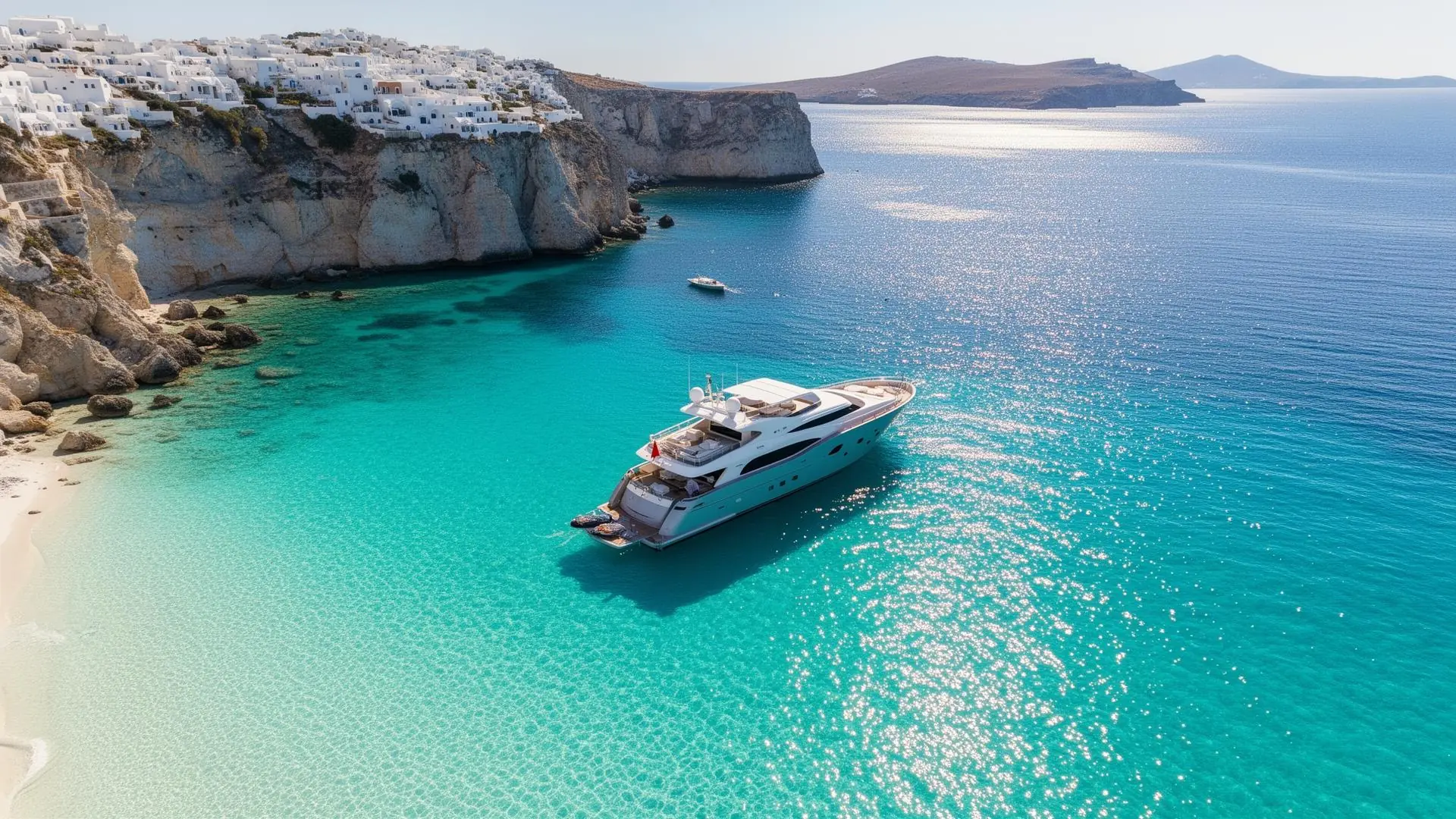
A luxury yacht charter Zanzibar rewards guests with a combination you cannot replicate from a hotel: total privacy, an itinerary that flexes around your party, and access to coves, restaurants and reefs that road-bound travellers simply never see. Blue Ocean Club curates Zanzibar cruises across motor yachts, sailing yachts, catamarans and superyachts — every option live-priced against the global live availability feed and presented with our 100% best-price guarantee.
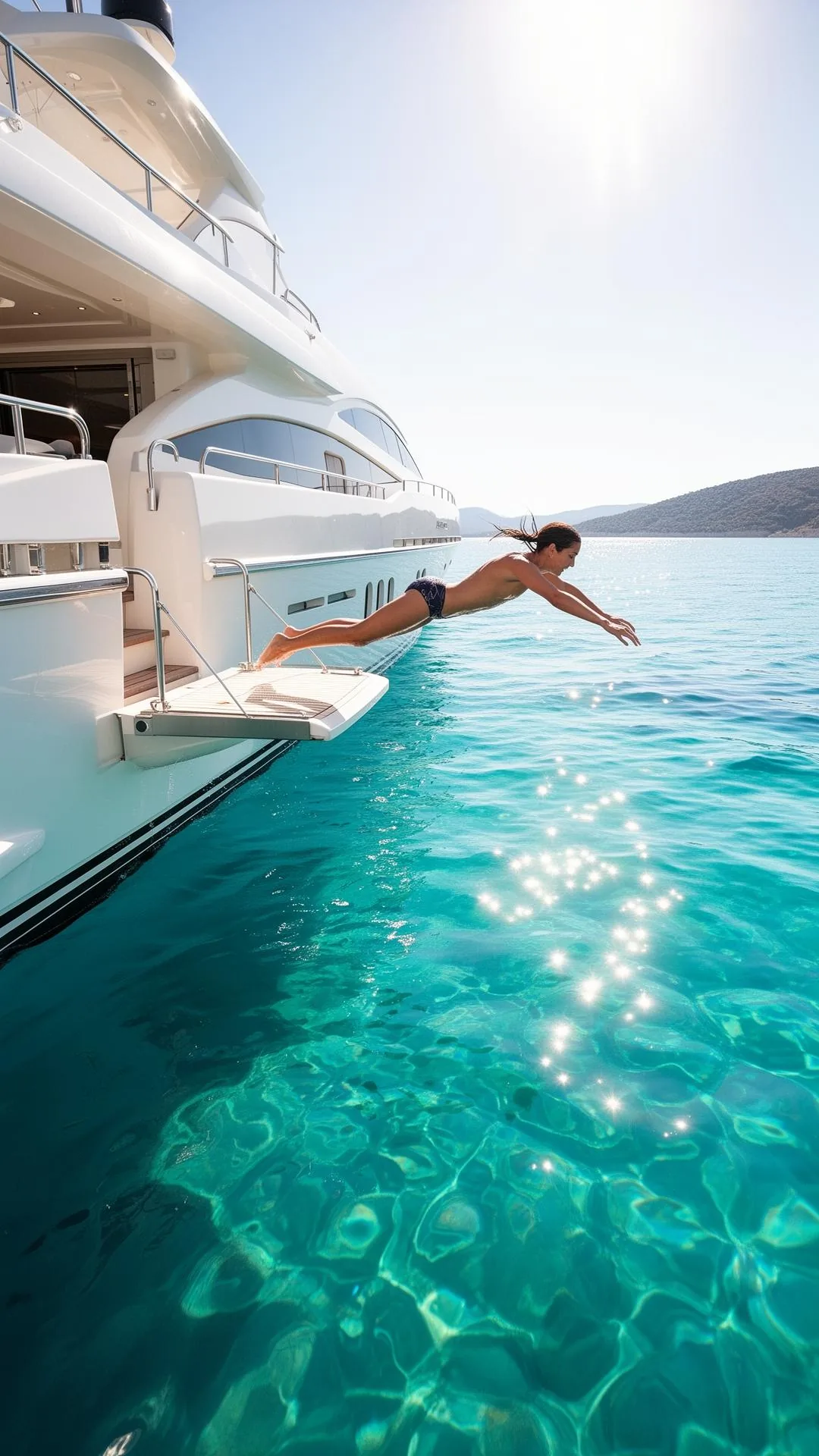
Zanzibar sits at the heart of one of the world's great cruising grounds. Days unfold at the pace of the sea: long swims off the platform, lunch at a beach club where your concierge has held the best table, an afternoon cruise to a quieter anchorage, cocktails on the bow as the light softens. The captain rewrites tomorrow's plan based on tonight's weather and your party's mood.
Blue Ocean Club matches each crewed yacht charter Zanzibar enquiry to yachts whose published operating area, specifications and current availability fit the requested dates. The final shortlist is checked against the yacht's authorised charter information before contract, and route details remain subject to operating conditions and the captain's final approval.
Zanzibar charter, in depth.
Your Zanzibar Mandate: A Broker's Brief
Zanzibar is not the Mediterranean. It is not the Caribbean. For the principal who has ticked off every St. Barths New Year's and memorised the anchorages of Cala di Volpe, the Swahili Coast offers something different: a genuine gear-shift in texture and tempo. This is a destination for the culturally curious, the client seeking more than just another beach club. Here, the Indian Ocean's turquoise is backdropped by the deep history of the spice trade, Omani architecture, and a rhythm of life dictated by the monsoon winds, not the charter season calendar.
The brief for a Zanzibar charter is about immersion, not insulation. It’s about trading the Riva for a traditional dhow for an afternoon, smelling cloves on the breeze while anchored off Stone Town, and diving sites that haven’t been catalogued on every charter blog. The infrastructure is developing, not seamless. This requires a self-sufficient yacht, a top-tier crew, and a principal with an appetite for authentic discovery. For the right client, it's an unparalleled experience. For the wrong one, it's a logistical headache. Your job is to know the difference.
Operational Window: Timing the Monsoons
Success in Zanzibar is contingent on understanding and respecting the monsoon winds. These are not mere breezes; they are the defining climatic and maritime forces of the region. Get the timing wrong, and you’re facing rough seas, high humidity, and persistent rain.
-
Primary Charter Season (Dry Season): June to October.
- This is the optimal window. The Kusi wind, a steady southeasterly, blows consistently, creating ideal sailing conditions. Expect clear skies, low humidity, and temperatures averaging 26-29°C (79-84°F).
- Sea state is generally moderate but can be choppy on the windward side of the islands. A yacht with effective stabilisation is non-negotiable for guest comfort.
- This is also the best period for whale watching (Humpbacks) off the southern coast.
-
Secondary Charter Season (Hot & Dry): December to February.
- The Kaskazi wind, a northeasterly, prevails. This period is hotter and slightly more humid than the June-October window, with temperatures pushing into the low 30s°C (high 80s°F).
- Seas are often calmer, particularly on the southern and western coasts, making it excellent for diving and accessing more exposed anchorages.
- This window is prime time for whale shark sightings, particularly around Mafia Island, a potential extension for a longer charter.
-
Periods to Avoid:
- The Long Rains (March to May): Do not book charters during this period. Heavy, prolonged downpours, high seas, and widespread closures of lodges and restaurants make it untenable.
- The Short Rains (November): A gamble. Characterised by short, unpredictable afternoon thunderstorms. While charter is possible, it carries a higher risk of weather disruption. Advise clients accordingly.
Platform Selection: The Right Yacht for the Mission
Yacht choice here is more critical than in established cruising grounds. The lack of dedicated superyacht marinas means the vessel must be a self-contained private resort. Draft, range, and tender capabilities are paramount.
-
Motor Yachts (45m - 65m): This is the sweet spot. A yacht in this range offers the requisite luxury, stability, and air-conditioned comfort, while remaining nimble enough to navigate the channels between islands. A draft under 3 meters is advantageous for closer access to certain anchorages. The ability to carry a capable, large tender (9m+) is essential for reef exploration, diving excursions, and comfortable transfers ashore. Explorers with their extended range and robust build, like a Damen SeaXplorer or a high-end Sanlorenzo, are exceptionally well-suited to the region.
-
Sailing Yachts & Catamarans (30m - 50m): For the principal who wants to connect with the maritime environment, a sailing yacht is an excellent choice. The steady monsoon winds offer exhilarating passages. Large catamarans (e.g., a Sunreef 80 Power or a custom build) are particularly effective, providing exceptional stability at anchor, vast deck space, and a shallow draft perfect for nosing into the sandy bays and lagoons around the Mnemba Atoll. The fuel efficiency is a significant operational plus in a region where bunkering is a planned event, not a convenience.
-
Below 30m / Above 70m: Chartering below 30m is possible but requires a hardy client comfortable with more basic amenities and potentially rougher passages. Above 70m, the primary constraints are draft and the sheer logistical challenge of provisioning and supporting a vessel of that scale in this environment. It's not impossible, but requires significant advance planning and a world-class shore support team.
A Seven-Day Charter Blueprint: From Stone Town to the Mnemba Atoll
This itinerary assumes embarkation and disembarkation at Stone Town, leveraging its proximity to Abeid Karume International Airport (ZNZ). It balances cultural immersion with world-class marine leisure.
Day 1: Embarkation at Stone Town & Sundowners
There is no superyacht marina in Zanzibar. Embarkation is via tender from the main port area, with the yacht anchored 0.5nm offshore, overlooking the historic waterfront. The initial impression is powerful: the call to prayer mixing with the bustle of the port, dhows sailing past the bow. Once guests are settled, the first afternoon is for acclimatisation. As the sun sets, tenders can run guests ashore for sundowners at the Africa House Hotel or the rooftop tea house at Emerson on Hurumzi, followed by dinner at The Serena Hotel's beachfront restaurant for a refined entry into Swahili cuisine.
Day 2: Prison Island & a Private Sandbank
A short morning cruise north to Changuu (Prison Island). The main attractions are the Aldabra giant tortoise sanctuary and the island's dark history. After a brief tour, the real luxury begins. The yacht repositions to a nearby sandbank, such as the famed Nakupenda. The crew sets up a full private beach club experience: shaded loungers, a mobile bar, watersports, and a gourmet barbecue prepared by the chef. This is a classic Zanzibar experience, executed at a superyacht standard.
Day 3: Passage North to Nungwi & Kendwa
The yacht cruises to the northern tip of Unguja island. This is the island's most developed tourist hub, but it offers beautiful beaches and vibrant life. Anchor off the white sands of Kendwa Beach, known for its calm, swimmable waters at all tides. Tenders can take guests to shore for a walk, exploring the village of Nungwi where traditional dhows are still built by hand. For dinner, an ashore option could be the Zuri Zanzibar resort for a sophisticated meal, or for a more rustic vibe, a simple, fresh seafood dinner at a local spot recommended by the captain.
Day 4: The Mnemba Atoll
This is the crown jewel of a Zanzibar charter. Mnemba Island itself is private (owned by &Beyond), and landing is prohibited. However, the surrounding Mnemba Atoll is a protected marine conservation area, offering some of the best snorkeling and diving in East Africa. The yacht will anchor outside the reef, and tenders will be the platform for all activities.
Operational Note: Accessing the Mnemba Conservation Area requires permits, which must be arranged in advance by your port agent. The captain will coordinate with local rangers. The diving is spectacular: turtles, dolphins, and vast schools of tropical fish are common. The crew can facilitate rendezvous diving with a local master diver for certified guests. The day is spent entirely on and in the water, returning to the yacht for a deck dinner under an immense, star-filled sky.
Day 5: The Pemba Option or Southern Exploration
For charters longer than 7 days or for more adventurous clients, this is the day for a passage to Pemba Island to the north. Pemba is more rugged, less developed, and offers world-class, deep-water fishing and advanced diving in the Pemba Channel.
For a standard 7-day charter, the yacht cruises south along the eastern coast. This is a day for slow cruising, enjoying the yacht's amenities. Find a secluded anchorage in a bay like Chwaka Bay for a quiet afternoon of paddleboarding and kayaking before repositioning further south towards the Fumba Peninsula for the night.
Day 6: Menai Bay & Kizimkazi Dolphins
Awake in the Menai Bay Conservation Area, a vast expanse of islets, sandbanks, and mangrove forests. It’s a complete contrast to the north. Launch the tenders for exploration through the mangrove channels. The area is a sanctuary for marine life. A short cruise further south takes you to Kizimkazi, famous for its resident pods of bottlenose and humpback dolphins. An early morning tender excursion can provide incredible, respectful encounters. In the afternoon, the yacht begins a slow cruise back towards Stone Town.
Day 7: Final Swim & Disembarkation
One last breakfast at anchor with Stone Town in the distance. A final swim in the warm Indian Ocean before guests prepare for departure. The crew will manage a seamless tender transfer back to the port for the 15-minute drive to the airport.
Deal Room: Pricing, Provisioning & Paperwork
-
Charter Fees (2026 Estimate, High Season):
- 35-45m Sailing Yacht/Catamaran: €120,000 - €220,000 per week
- 45-60m Motor Yacht: €250,000 - €450,000 per week
- 60m+ Explorer/Motor Yacht: €500,000+ per week
-
APA (Advanced Provisioning Allowance): Budget for 35%, potentially rising to 40%. This is higher than the standard 30% for a reason. While local markets offer excellent fresh seafood, fruit, and spices, almost all high-end provisions must be air-freighted from Europe or Dubai. Specific vintage champagnes, premium spirits (e.g., Macallan 18), imported beef (Wagyu, USDA Prime), and specialist cheeses will carry a significant logistics premium. This must be communicated clearly to the client. Provisioning here is an exercise in expert global logistics, managed weeks in advance.
-
Clearance & Permits: A reputable local agent is not a recommendation; it is a necessity. They will handle immigration, customs clearance with the Tanzania Revenue Authority (TRA), cruising permits, and the mandatory conservation area fees (e.g., Mnemba, Menai Bay). The process is bureaucratic and requires patience and lead time. Expect to submit all documentation (guest and crew passports, yacht registration) at least 4-6 weeks in advance. Last-minute charters are extremely difficult to execute.
-
Crew Considerations: The crew must be adaptable and resourceful. The chef, in particular, should be skilled in integrating local ingredients with the charterer's preferences. It is highly advisable to fly in a specialist guide for a portion of the charter—a local marine biologist, a professional dive instructor, or a deep-sea fishing expert—to elevate the guest experience from great to extraordinary. This can be arranged by your agent and funded through the APA.
Yacht charter in Zanzibar — what to expect.
Season, route, hull and investment — the four things every guest asks before we lock a yacht.
Seasonal conditions in Zanzibar vary by exact cruising area and dates. Blue Ocean Club does not apply a generic Mediterranean or tropical weather assumption here; current operating conditions are confirmed for the requested itinerary before charter.
The strongest Zanzibar itinerary is built from destination-specific marinas, anchorages and places that are actually available for the requested dates. The route remains flexible around weather, berth availability, local restrictions and the yacht's operating limits.
The most suitable yacht for Zanzibar depends on guest count, layout preference, draft, range, speed and the intended itinerary. Compare the verified specifications on the individual yacht listings rather than relying on a generic destination-wide yacht type.
Charter pricing in Zanzibar depends on the yacht, dates, operating area and the final charter terms. Verified yacht rates are shown on individual listings when available; taxes, operating expenses, provisioning and any other booking-specific charges are confirmed before contract rather than estimated from a global template. Minimum charter duration is yacht- and date-specific.

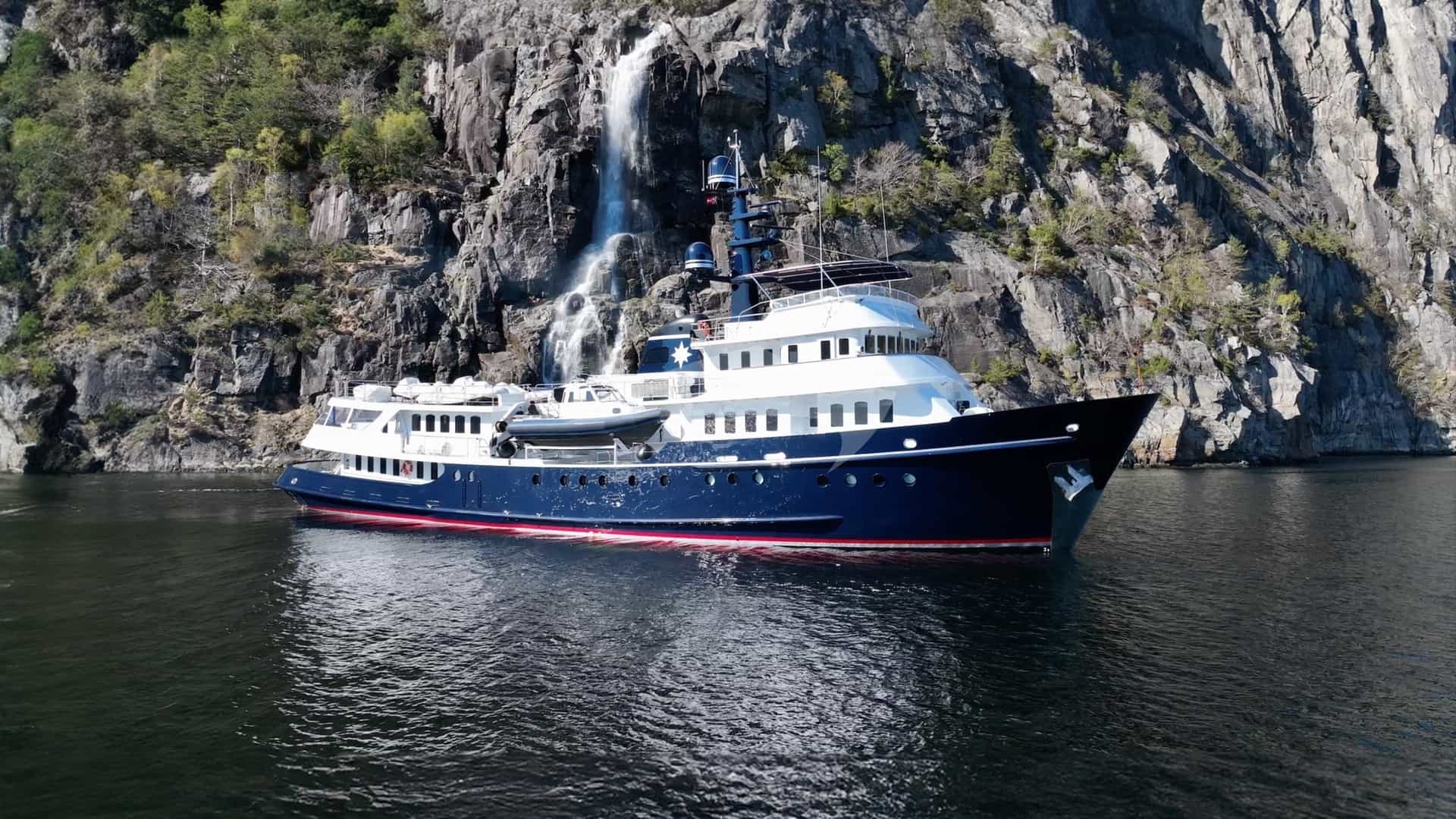
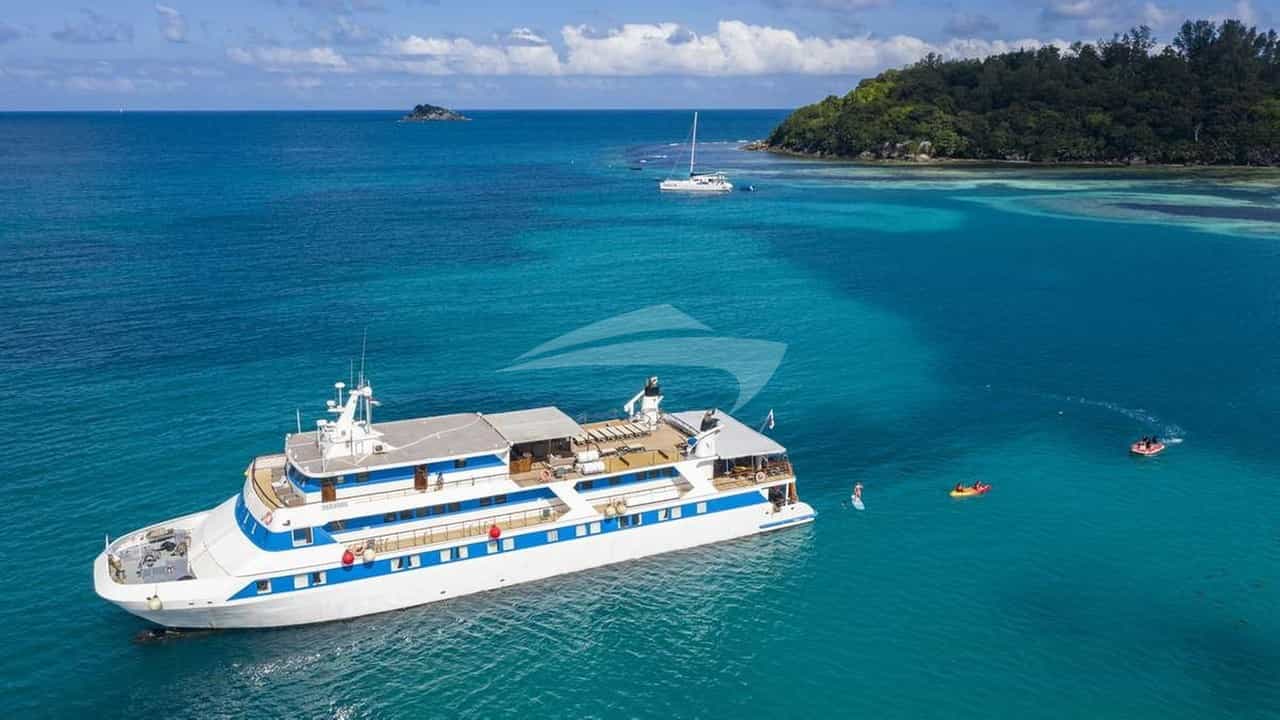
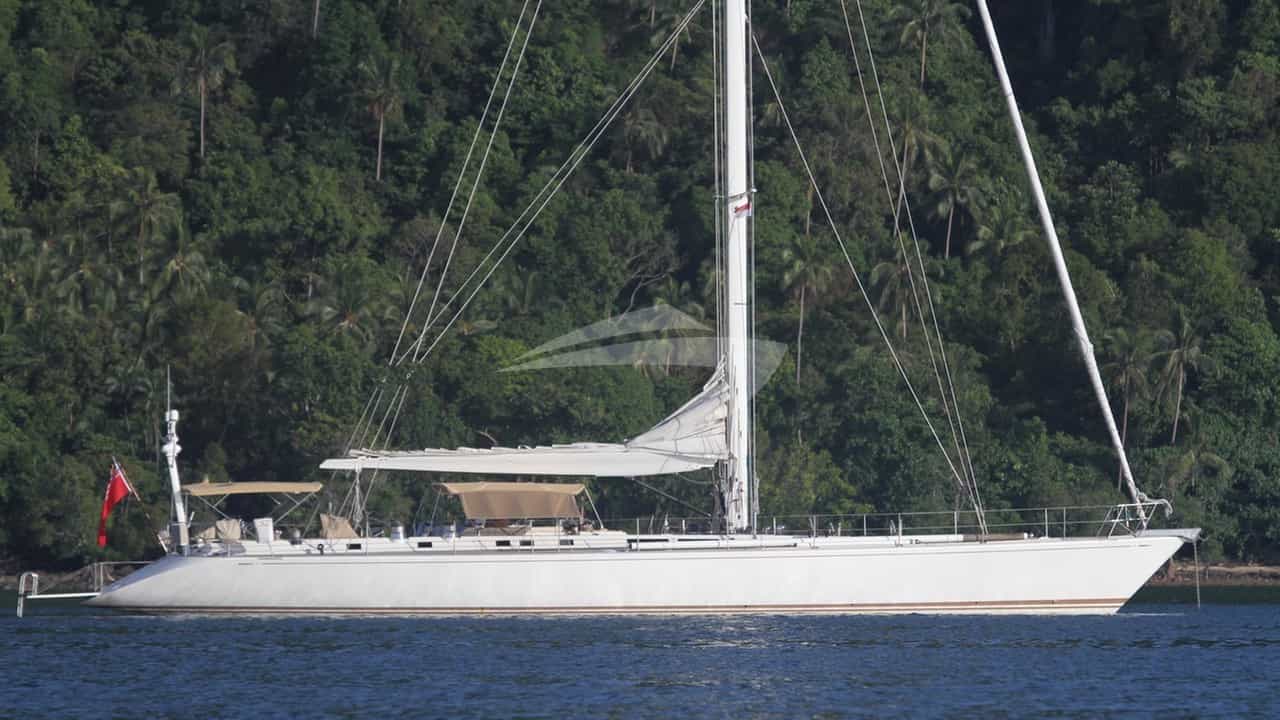
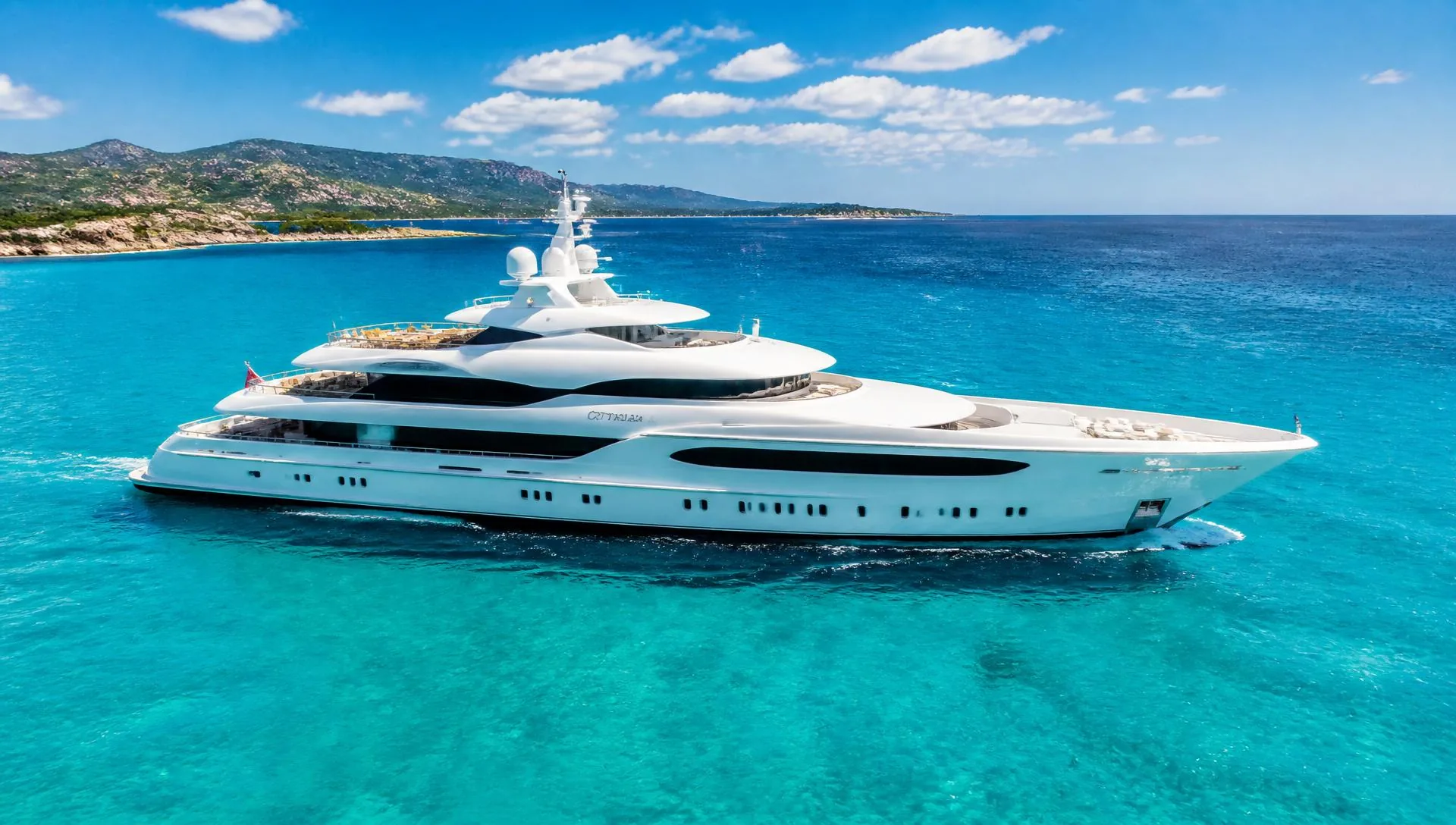
Yachts chartering in this region.
Selected from the wider Indian Ocean fleet.
Live pricing — charters from €18,000 / week
Things to do on your Zanzibar charter.
From quiet anchorages to time ashore — a planning sample to adapt around the yacht, local conditions and verified availability.
- 01Onboard time
Swimming, dining and relaxation shaped around the facilities of the yacht selected
- 02Water activities
Use the water toys and sports equipment actually carried by the yacht, where local rules allow
- 03Shore visits
Add towns, beaches, restaurants or cultural stops when verified locally and available for your dates
- 04Private dining
Plan menus with the yacht's confirmed crew and the provisions available for the charter
- 05Flexible days
Keep the route responsive to weather, berth availability and the captain's operating decisions
Where to cruise in Zanzibar.
Ports, islands and sub-regions across Zanzibar — each with its own guide, marina context and yacht recommendations.
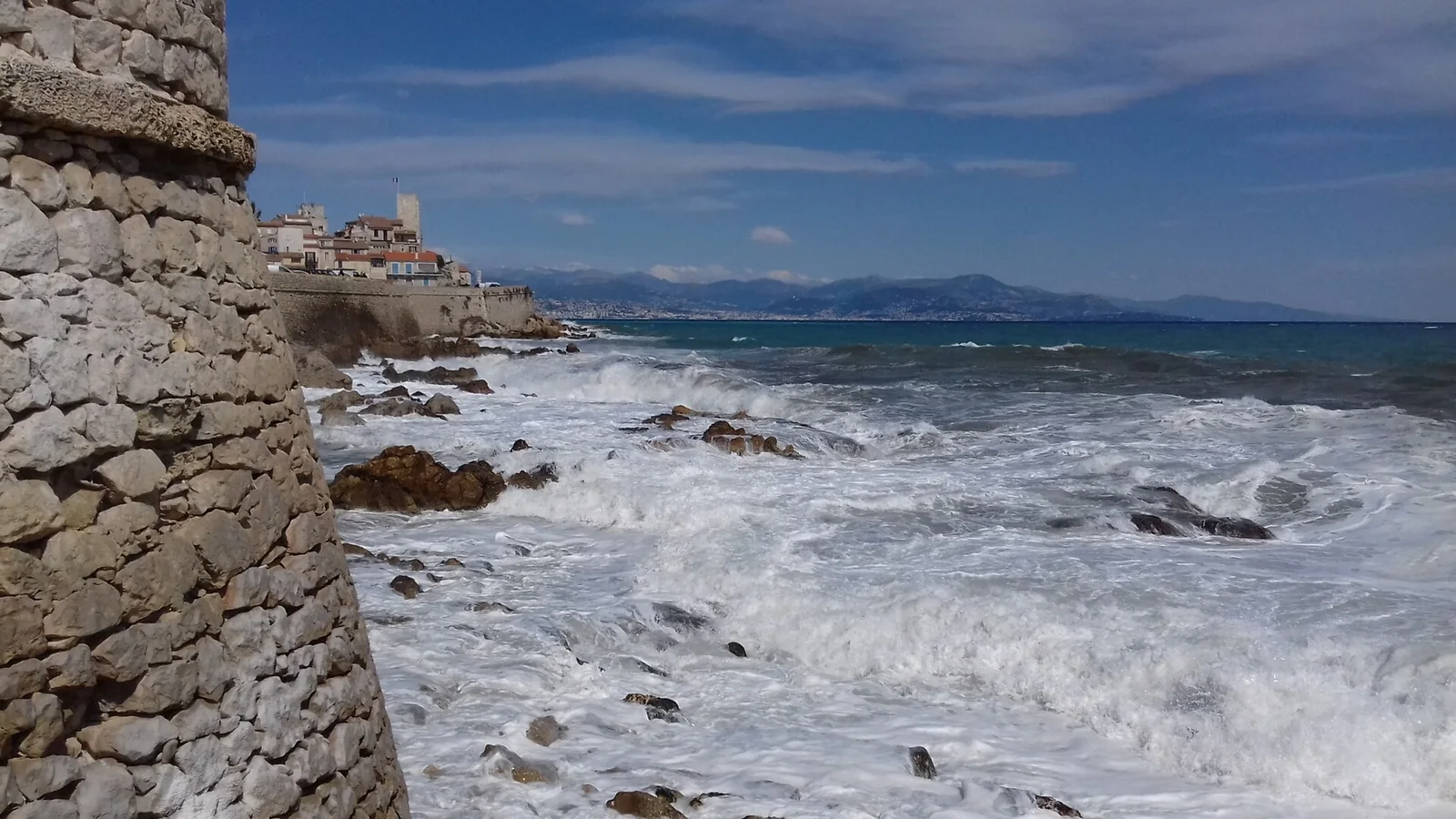
Stone Town
This guide to crewed yacht charter in Stone Town provides essential details on berths, itineraries and APA guidance for this Indian Ocean destination.
Explore →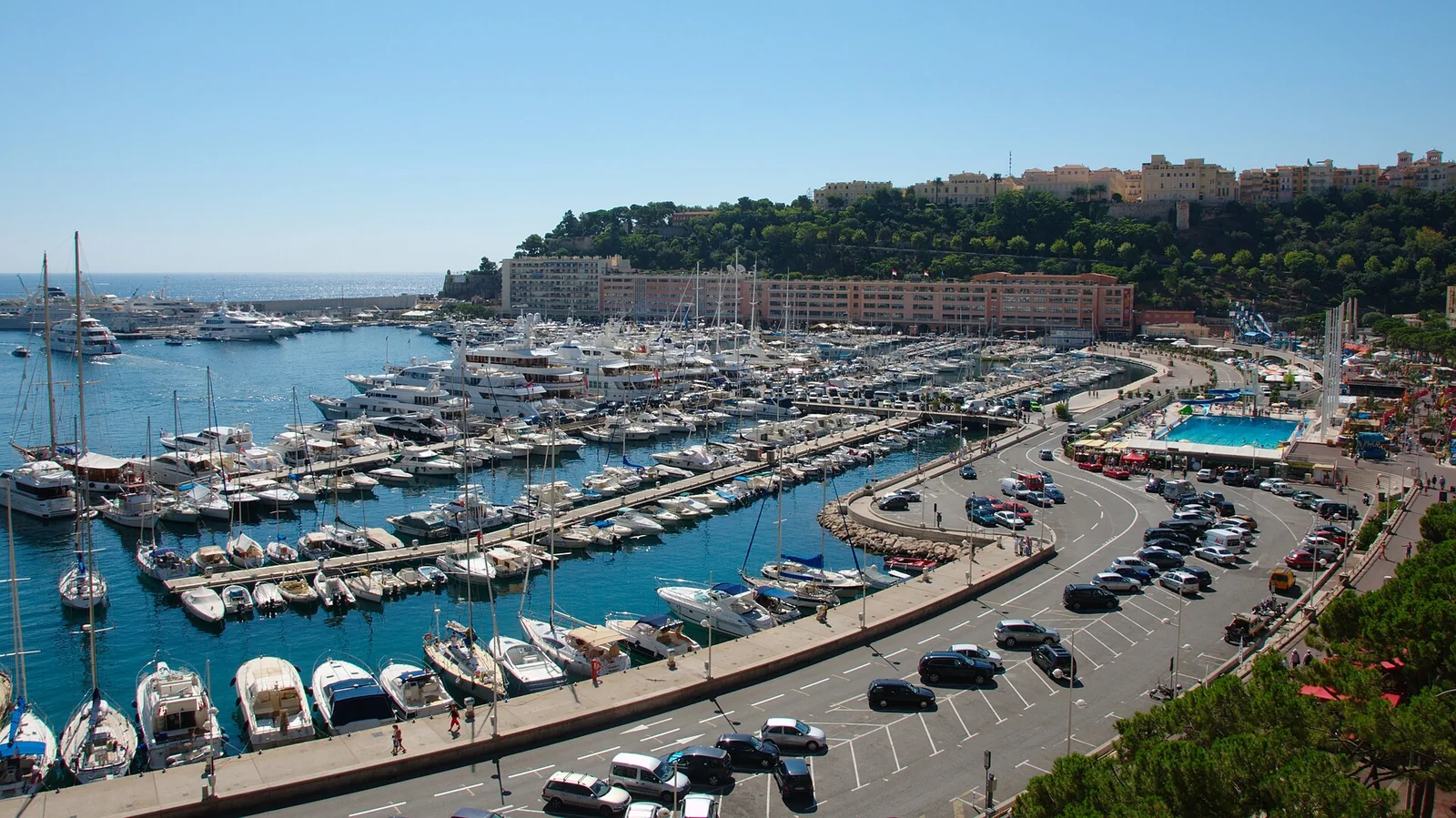
Nungwi
Nungwi is part of our Indian Ocean charter coverage.
Explore →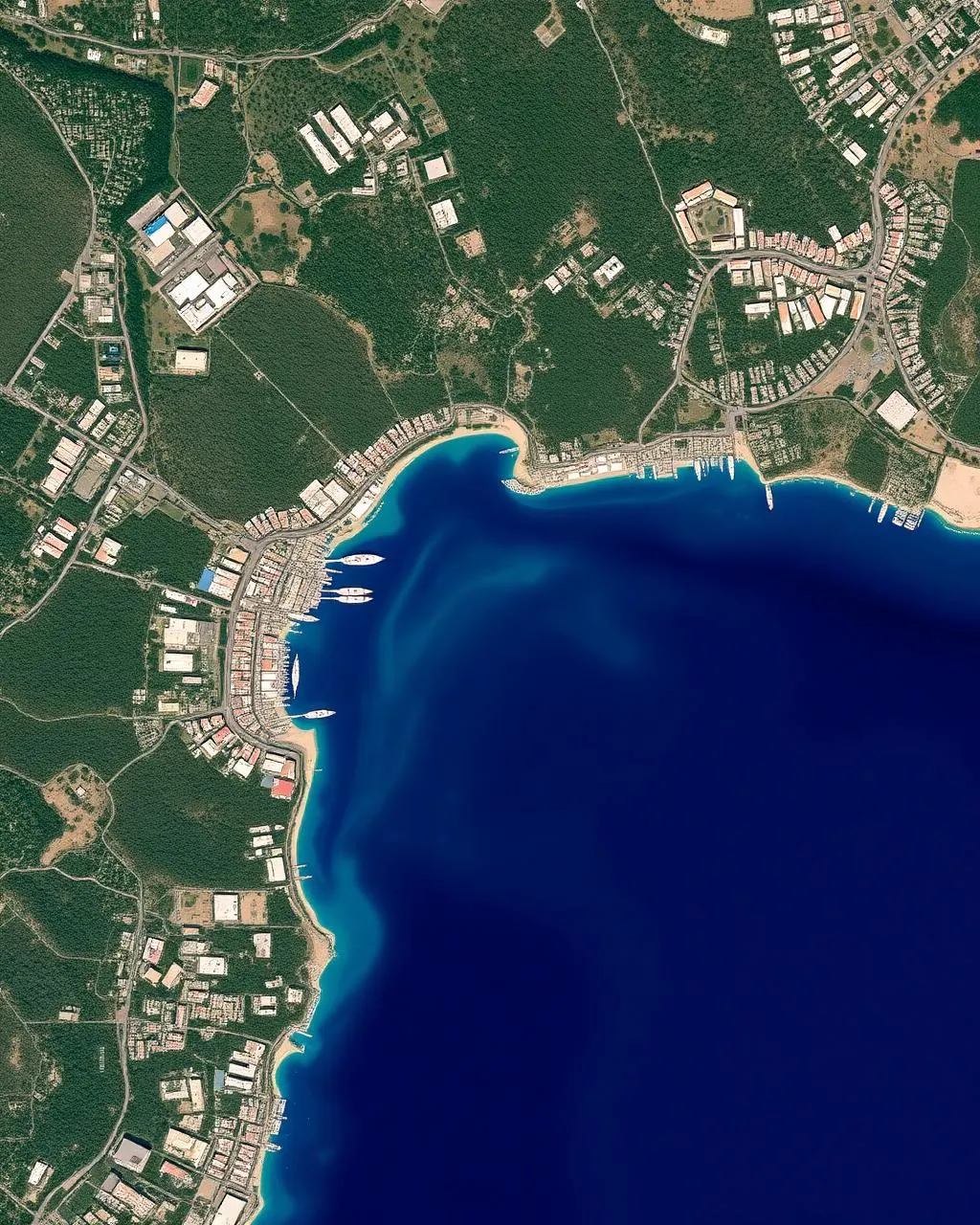
Pemba
Crewed yacht charter in Pemba offers information on berths, itineraries and APA guidance for this Indian Ocean destination.
Explore →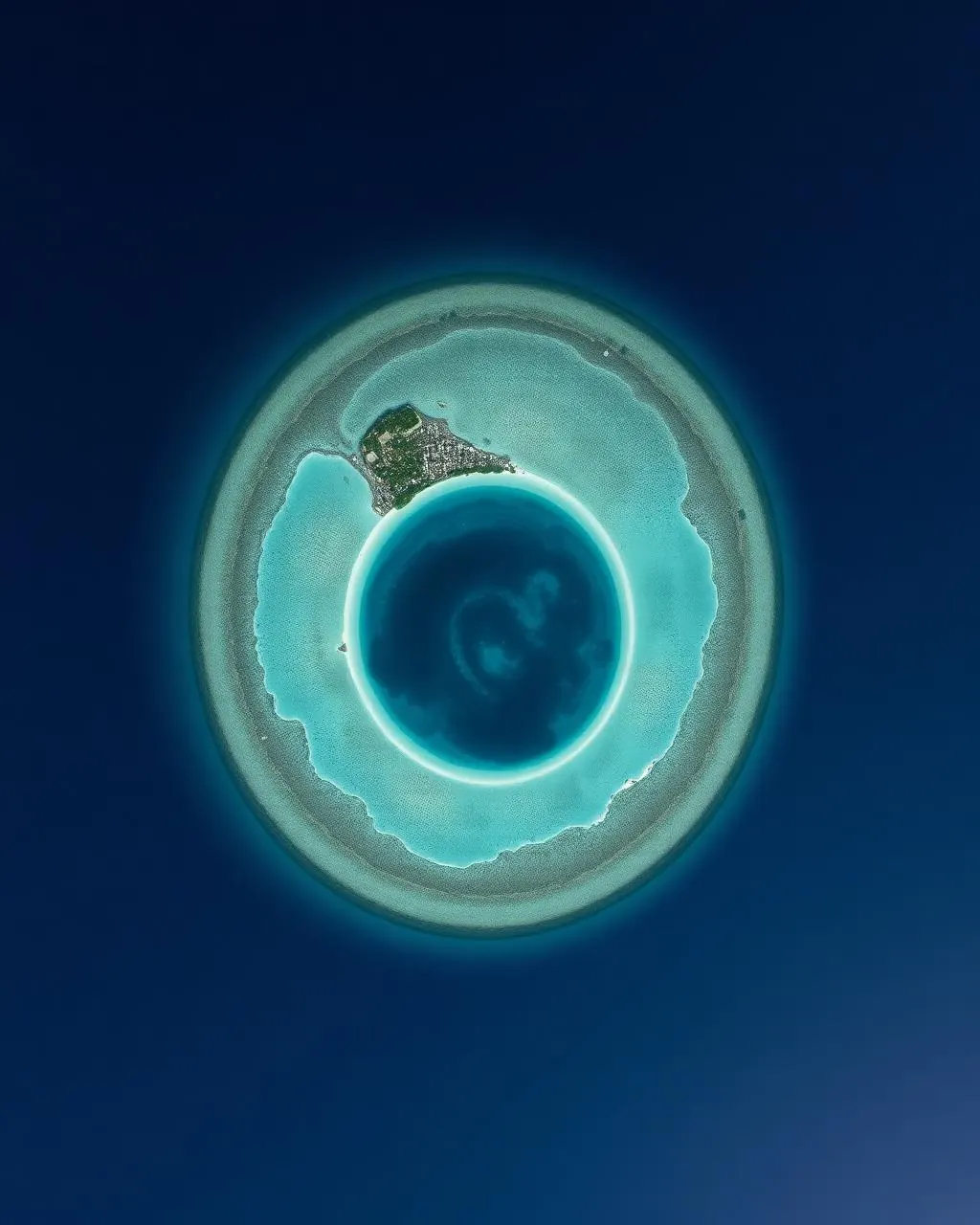
Mnemba
Mnemba is part of our Indian Ocean charter coverage.
Explore →
Zanzibar from above.
Satellite view of the coast — ports, headlands and island day-anchors that can shape a week on the water.
When to charter in Zanzibar.
The prime window for a yacht charter Zanzibar runs The dry seasons, from June to October and December to February, offer ideal weather conditions for a Zanzibar yacht charter..

Plan your week in Zanzibar.
Share a few details and we will return a private yacht shortlist — availability, APA guidance and a clear next step — within one working day.
Door-to-deck · Zanzibar
We choreograph ZNZ / PMA arrivals into Stone Town / Zanzibar harbour access transfers.
Meeting point
Meeting point: Stone Town / Zanzibar harbour access — confirm quay / pontoon with the captain the morning of embarkation.
Arrival buffer
Plan 60–90 minutes from wheels-down to passerelle for chauffeur corridors; helicopter windows are tighter when helipad access is confirmed.
Berth lead time
4–12 weeks for peak season slips
Captain / crew
Approach Stone Town / Zanzibar harbour access with local pilotage notes from the captain; high season berths book weeks ahead. Fuel, water and shore power are available — confirm waste and amp rating before arrival.
Tender fallback
When berths are scarce we hold a sheltered anchorage + tender (or captain-only standby) plan before you fly — never a last-minute scramble at the mole.
Luggage / night before
Night-before hotel near the gateway (or marina) when late arrivals risk missing the embarkation slot — we hold rooms against the transfer plan.
Gateways
Indicative guidance — Indicative seasonal berth ranges are shared on request — confirm with the marina agent before contract. We never publish unverified nightly rates as fact.
Enquire
Enquire for Zanzibar
Tell us dates, party size and yacht style — we shortlist live availability with APA and door-to-deck before you fly.
Beach clubs in Zanzibar.
Tender bookings, table reservations and jetty access — addresses, phones and sites below. Your Blue Ocean Club concierge can hold the table — request via the enquiry form.
Stone Town Beach Club
Stone Town
Real restaurants worth a tender in Zanzibar.
Tables held in advance by your concierge — addresses, phones and sites below, from beachfront classics to Michelin dining rooms. Request via the enquiry form.
Stone Town Harbour Table
Stone Town
Walk-ashore dining near Stone Town / Zanzibar harbour access — book peak weeks ahead.
Nungwi Shore Kitchen
Nungwi
Local plates after a day on the water around Zanzibar.
Zanzibar Quay Classic
Stone Town
Marina-adjacent dining for embarkation nights.
Pemba Waterfront
Pemba
Harbour-view restaurant our captains favour for quay nights.
Mnemba Concierge Table
Mnemba
Held table for yacht parties — advance booking in season.
Best anchorages & bays in Zanzibar.
Hover a marker for a quick brief — click to open the approach notes below. The protected coves and roadsteads your captain will plot into your week.
- Where to find it
- Captain confirms approach for Mnemba Atoll.
- Where to find it
- Captain confirms approach for Nungwi Beach.
- Where to find it
- Captain confirms approach for Kendwa Beach.
- Where to find it
- Captain confirms approach for Chumbe Island Coral Park.
Zanzibar yacht charter FAQs.
What does it cost to charter a yacht in Zanzibar?+
Which marina should we embark from in Zanzibar?+
Can you charter a superyacht in Zanzibar?+
How does a Zanzibar week use Stone Town?+
When is the best time for yacht charter in Zanzibar?+
Is boat charter available in Zanzibar?+
Continue from here.
Why charter Zanzibar with us.
Independent brokerage with live inventory, transparent pricing, and a concierge that works the coast before you step aboard.
- 01Speed
Real-time availability
Live availability feed across 2,000+ yachts — hold and confirm in hours, not weeks.
- 02Trust
100% best-price guarantee
We do not mark up the charter fee. The price you see is the operator's price.
- 03Integrity
Independent advice
Our recommendations follow the boat, not a commission — owners pay us, not introducing brokers.
- 04Craft
Concierge depth
Restaurants, transfers, private guides, helicopters and beach clubs handled long before you board.
Tell us your dates and party — we return three live options within the day.
Ready to charter in Zanzibar?
Tell us your dates, party size and what makes a perfect day on the water. We reply within one working day with a curated shortlist and a transparent quote.
How our Zanzibar guide is compiled.
Prepared by the Blue Ocean Club editorial team from the cited destination and charter sources available for this page. This page is maintained by the Blue Ocean Club charter desk — editorial content, not an independent certification.
- Experience
Destination intelligence coverage
This guide currently connects 3 charter yachts on record. Counts describe records available to the page, not first-hand visits or live availability.
- Expertise
Editorial provenance
Prepared by the Blue Ocean Club editorial team from the cited destination and charter sources available for this page.
- Authoritativeness
Where the facts come from
No curated citation set is attached to this destination yet. Unsupported source claims are not added as a fallback.
- Trust
Last data refresh
The underlying destination record was last refreshed 9 August 2026. A data refresh is not presented as a human verification event.
- Limitation
What we never state
We do not treat database inventory as live availability and do not present unverified operator pricing or operator terms as confirmed facts. Availability, rates, taxes, berth suitability and charter terms are confirmed for the specific enquiry.