Oman is shifting from a strategic repositioning waypoint to a primary charter destination in its own right. For principals seeking raw topography and authentic Arabian maritime culture without the polish—or the crowds—of its neighbours, it presents a compelling charter proposition. The key to a successful Omani itinerary is understanding the distinct nature of its three primary cruising grounds—Muscat, Musandam, and Salalah—and acknowledging the operational realities of a destination that prioritises preservation over large-scale yachting infrastructure. This is not the Côte d'Azur; it's an expeditionary charter ground that rewards planning with unparalleled privacy and discovery.
The Cruising Ground
Oman’s coastline is functionally three separate destinations linked by significant steaming distances.
1. The Muscat Capital Area: The hub of Omani yachting. This 70nm stretch of coastline is defined by dramatic, arid mountain ranges plunging into the sea, creating a network of secluded coves, fjord-like inlets (khors), and pristine offshore islands. The primary attractions here are the Daymaniyat Islands, a string of nine protected islands offering the region's most valuable dive sites, and the sheltered anchorages of Bandar Khayran and Jebel Sifah.
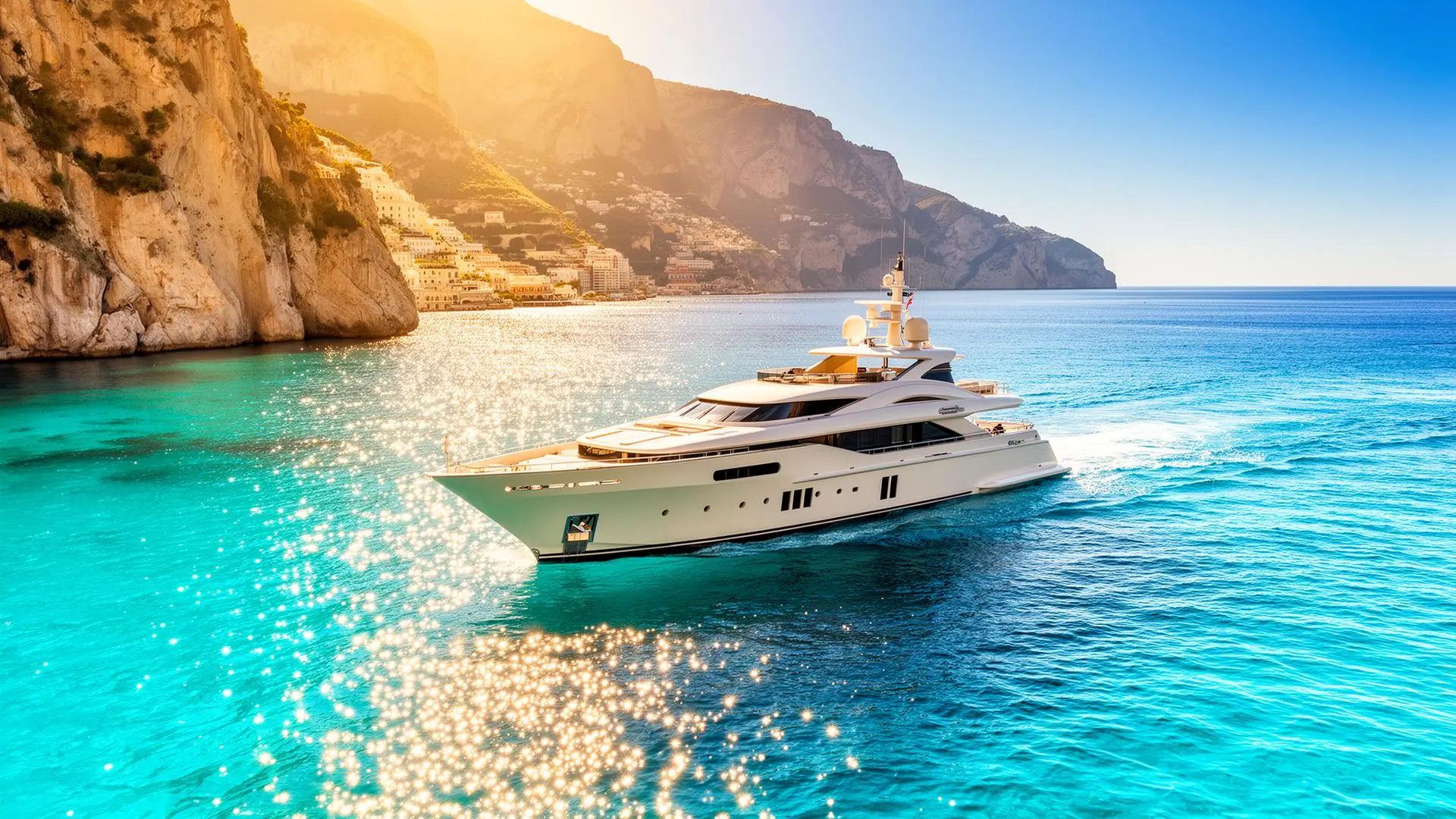
2. The Musandam Peninsula: The "Norway of Arabia." Separated from the rest of Oman by a strip of the UAE, this is the destination's crown jewel. Accessed from Khasab Port, the peninsula is a labyrinth of sheer-sided fjords, the largest being Khor Sham. It's a world of extreme geological formations, isolated fishing villages accessible only by sea, and waters teeming with dolphins. The proximity to Dubai makes it a logical two-day steam or a key component of a UAE-Oman itinerary.
3. Salalah and the Southern Coast: A different world entirely, particularly during the summer Khareef monsoon. Located over 500nm south of Muscat, Salalah is a standalone charter destination. The coastline is more open and wild, with long sandy beaches backed by cliffs and headlands. The draw here is the unique climate, world-class diving on the Hallaniyat Islands, frankincense history, and a sense of true maritime exploration.
Bases and Clearance
Clearance is a multi-stage process requiring a competent, well-connected local agent. It is not a last-minute affair. The primary authorities are the Royal Oman Police (ROP) Coast Guard for security and vessel clearance, and the Ministry of Transport, Communications and Information Technology (MoTCIT) for cruising permits.
A cruising permit from MoTCIT is mandatory and requires submitting a full itinerary, guest and crew manifests, and all vessel documentation. Expect a lead time of at least 4-6 weeks. The ROP will conduct onboard clearance upon arrival.
Where to Drop the Hook
The majority of an Omani charter will be spent at anchor. The holding is generally good (sand/mud), but katabatic winds can be a factor in the fjords.
-
Daymaniyat Islands: A protected marine nature reserve approximately 18nm off the coast from Al Mouj. A permit is required to enter the reserve, and access is restricted from May to October for bird nesting season. This is non-negotiable. The payoff is extraordinary diving and snorkelling with whale sharks (in season), turtles, and pristine coral gardens. The anchorages are exposed; this is a day trip or fair-weather overnight stay only.
-
Bandar Khayran: A network of sheltered inlets just southeast of Muscat. It offers numerous secure anchorages with clear water and small, private beaches, all framed by steep rock formations. It's an easy first-night anchorage after departing Muscat.
-
Jebel Sifah: A modern resort development with a marina (max LOA ~35m). Larger yachts can anchor off the bay. It provides a good shore-side option with restaurants and a beach club, breaking up a purely anchor-based itinerary.
-
Khor Sham, Musandam: This 16km-long fjord is the heart of the Musandam experience. Anchorages are plentiful. The iconic stop is off Telegraph Island, where the British laid the first telegraph cable from India in the 1860s. The water is calm and deep, and pods of dolphins are a near-daily sight.
-
Khor Najd, Musandam: A stunning, less-trafficked fjord on the eastern side of the peninsula, offering one of the most dramatic views in Oman from the overlook on the road above. The anchorage is secure and utterly secluded.
-
Mirbat & Hallaniyat Islands (Salalah): South of Salalah, the historic port of Mirbat is a good starting point for expeditions to the remote Hallaniyat Islands. These islands are for the true explorer, offering untouched dive sites, significant birdlife, and a profound sense of isolation.
The Yachts That Work Here
Yacht selection is critical and depends on the intended itinerary.
-
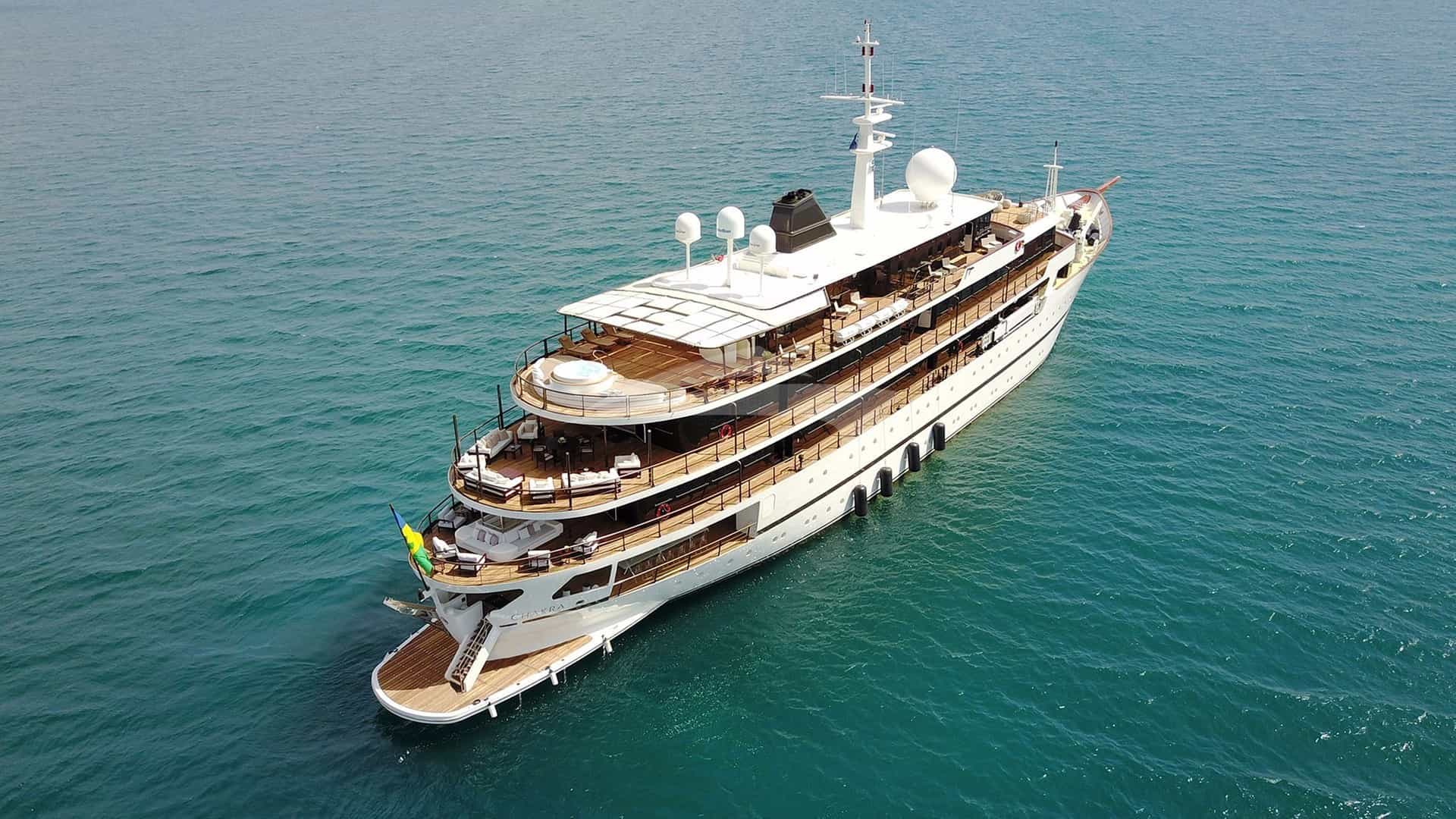
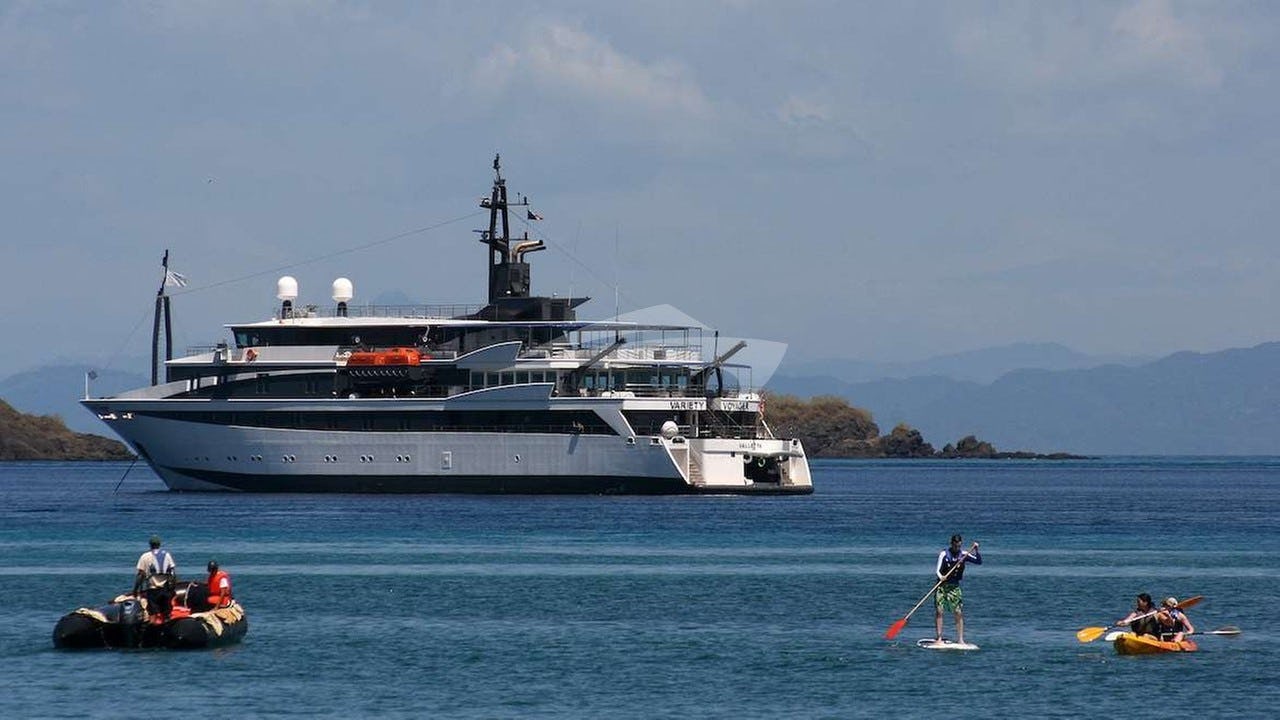
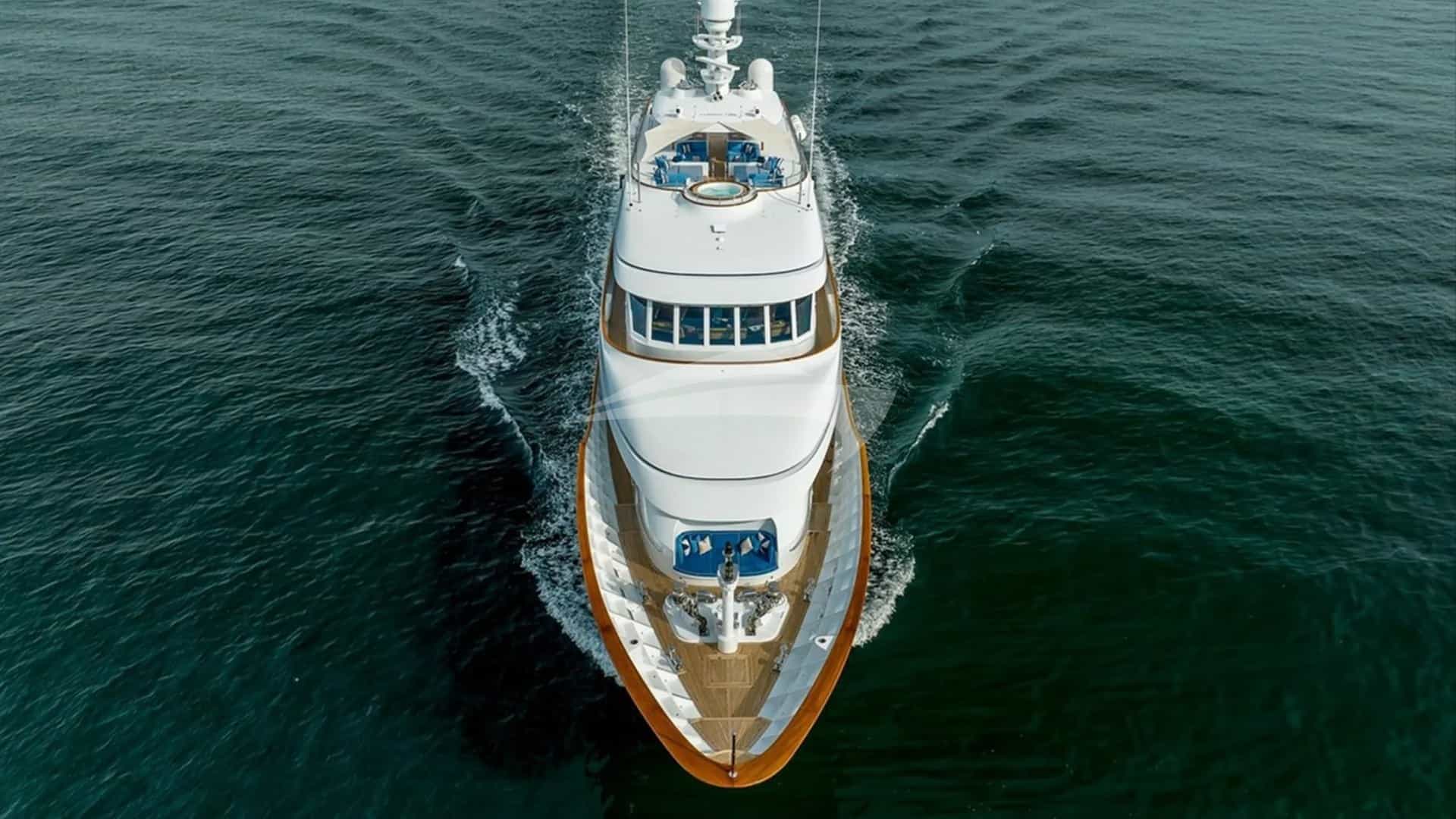
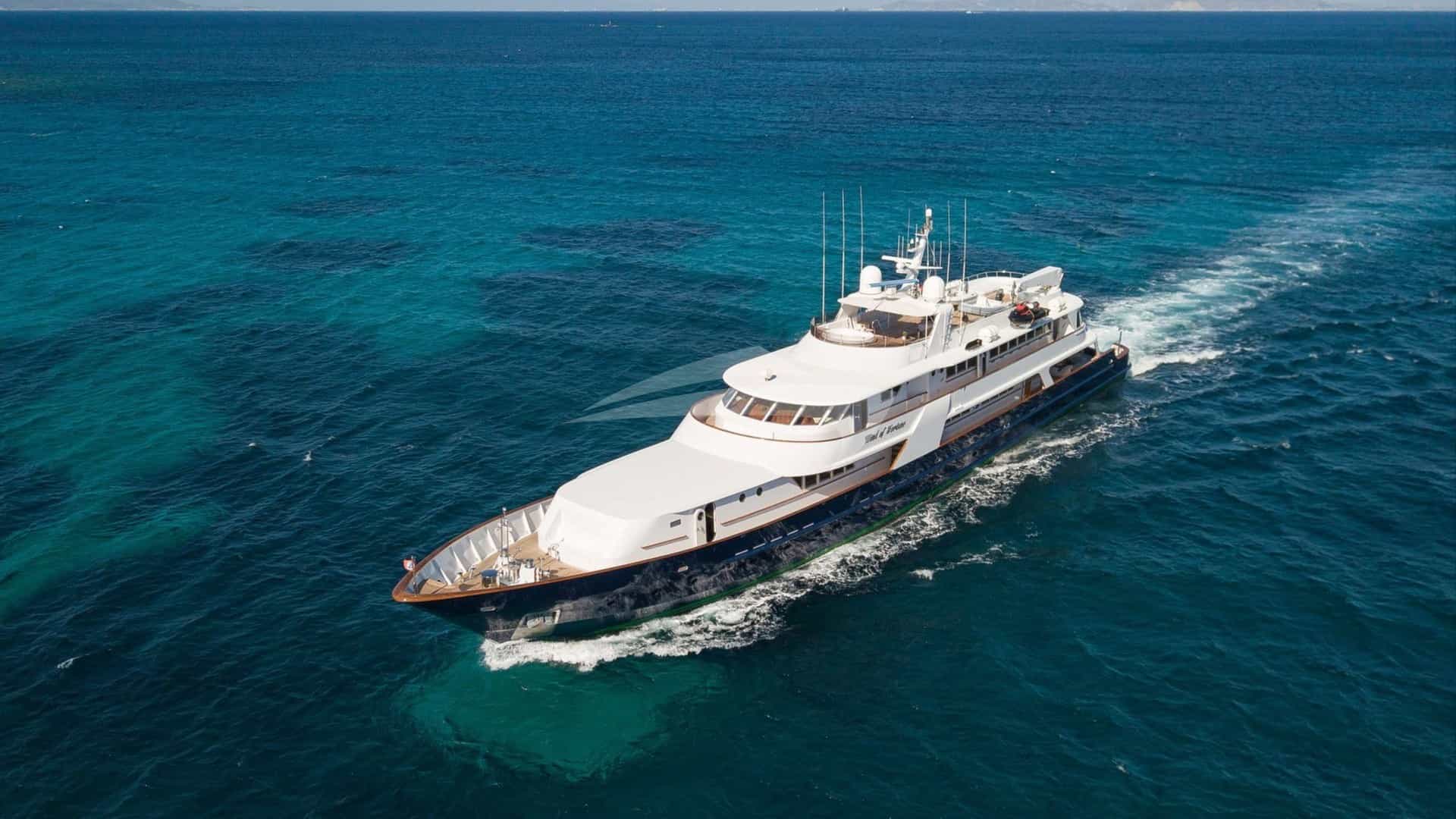
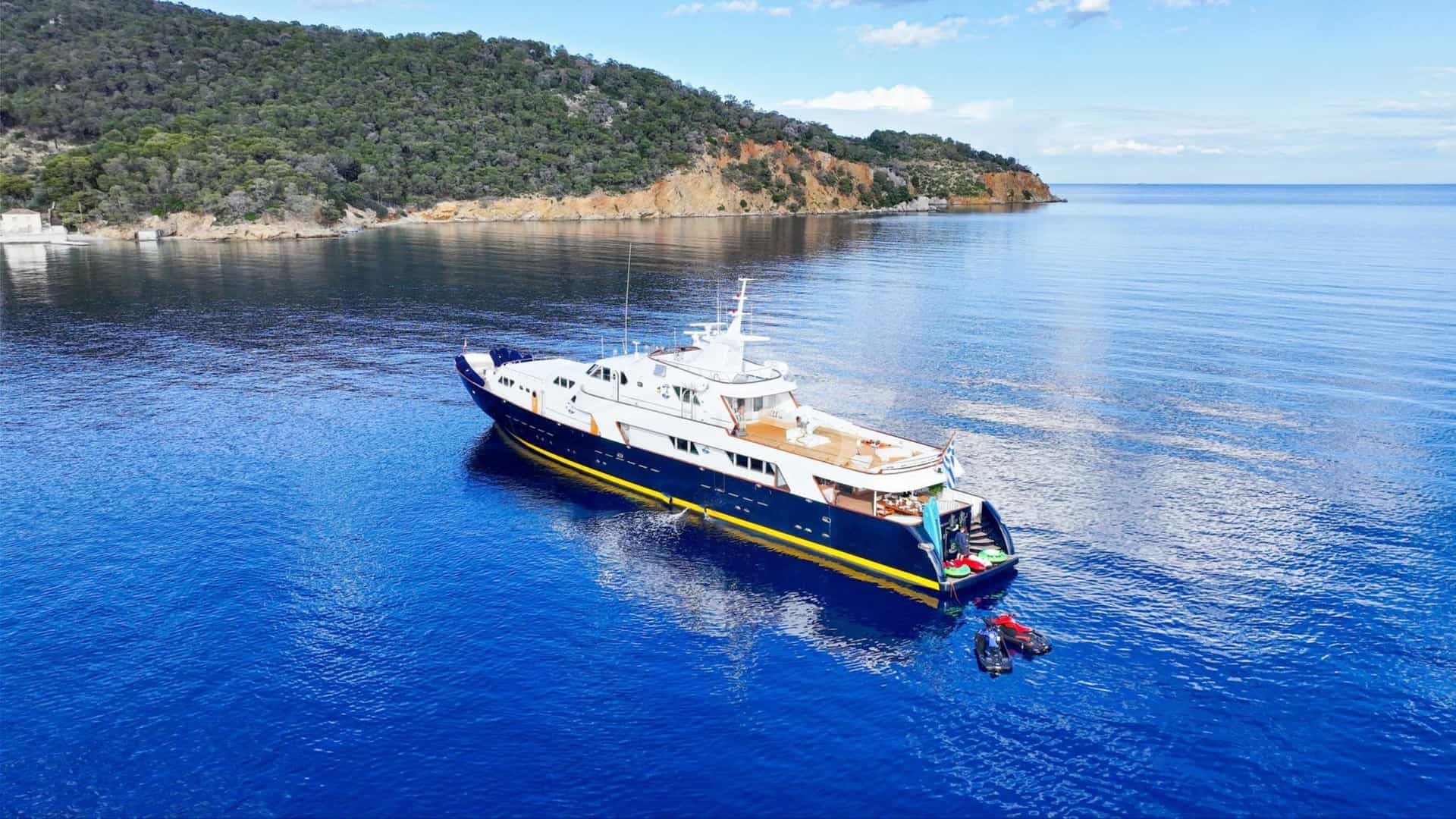
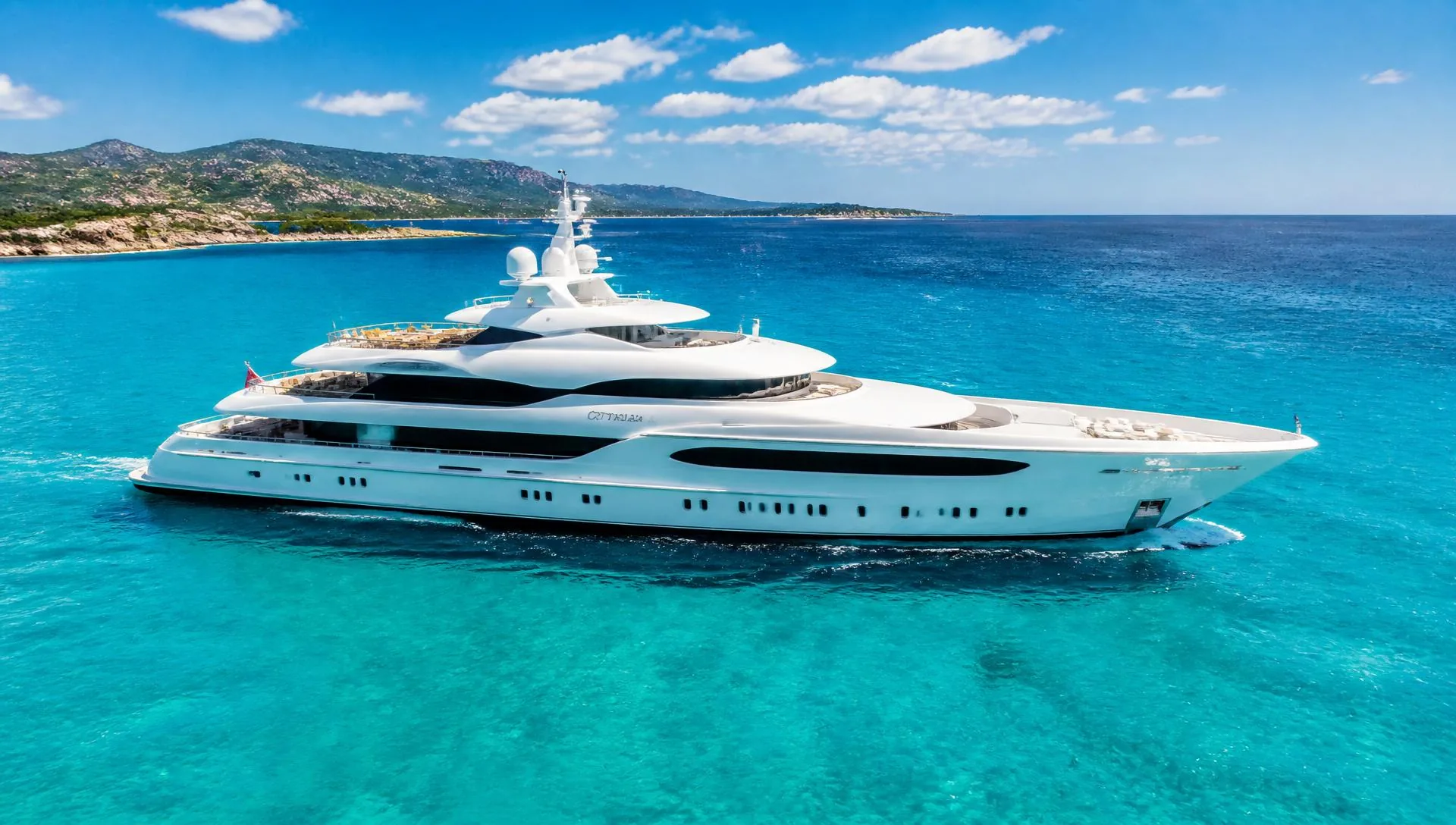
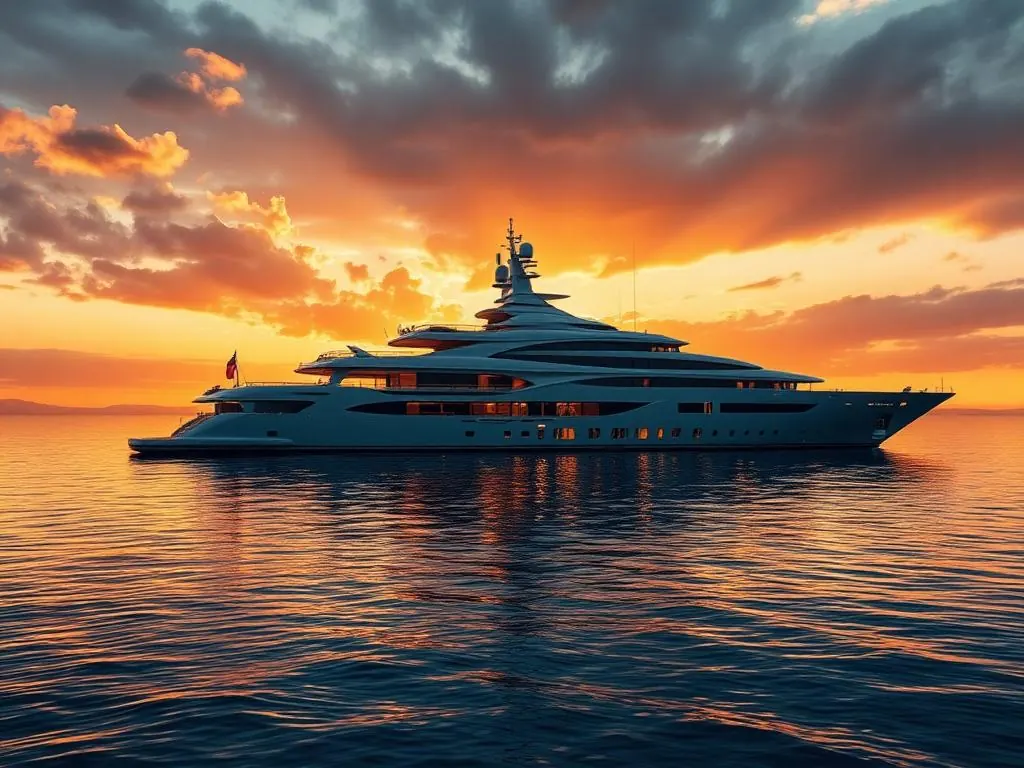
Explorer/Expedition Yachts (60m+): The ideal platform for Oman. Their range, stability, storage capacity, and enhanced water-toy garages (including dive centres) are perfectly suited to the self-sufficient nature of the cruising grounds. Helipads are a major asset, allowing for efficient transfers from Muscat International (MCT) directly to the yacht at anchor in Musandam, or for exploring the otherwise inaccessible interior plateaus.
-
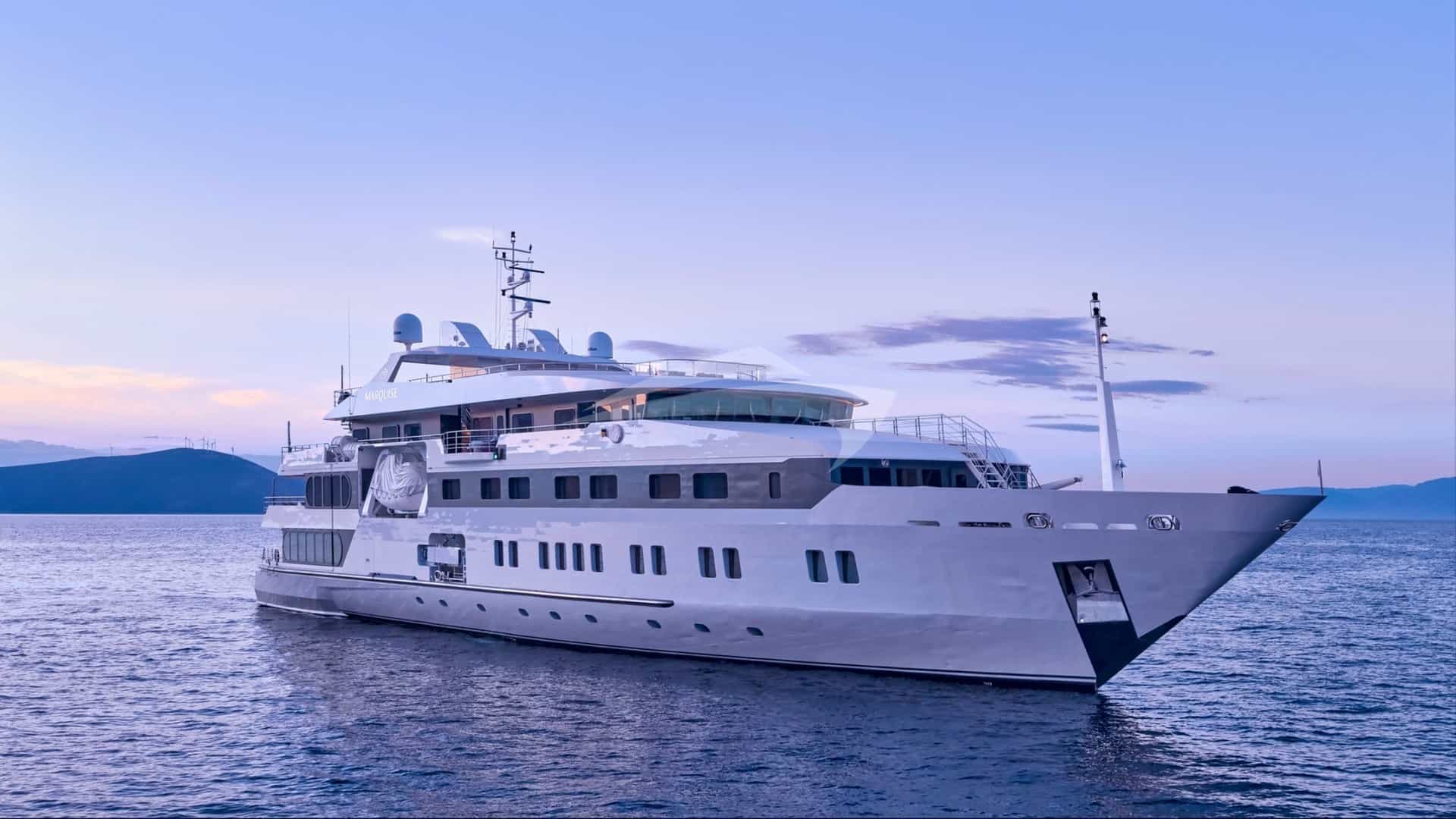
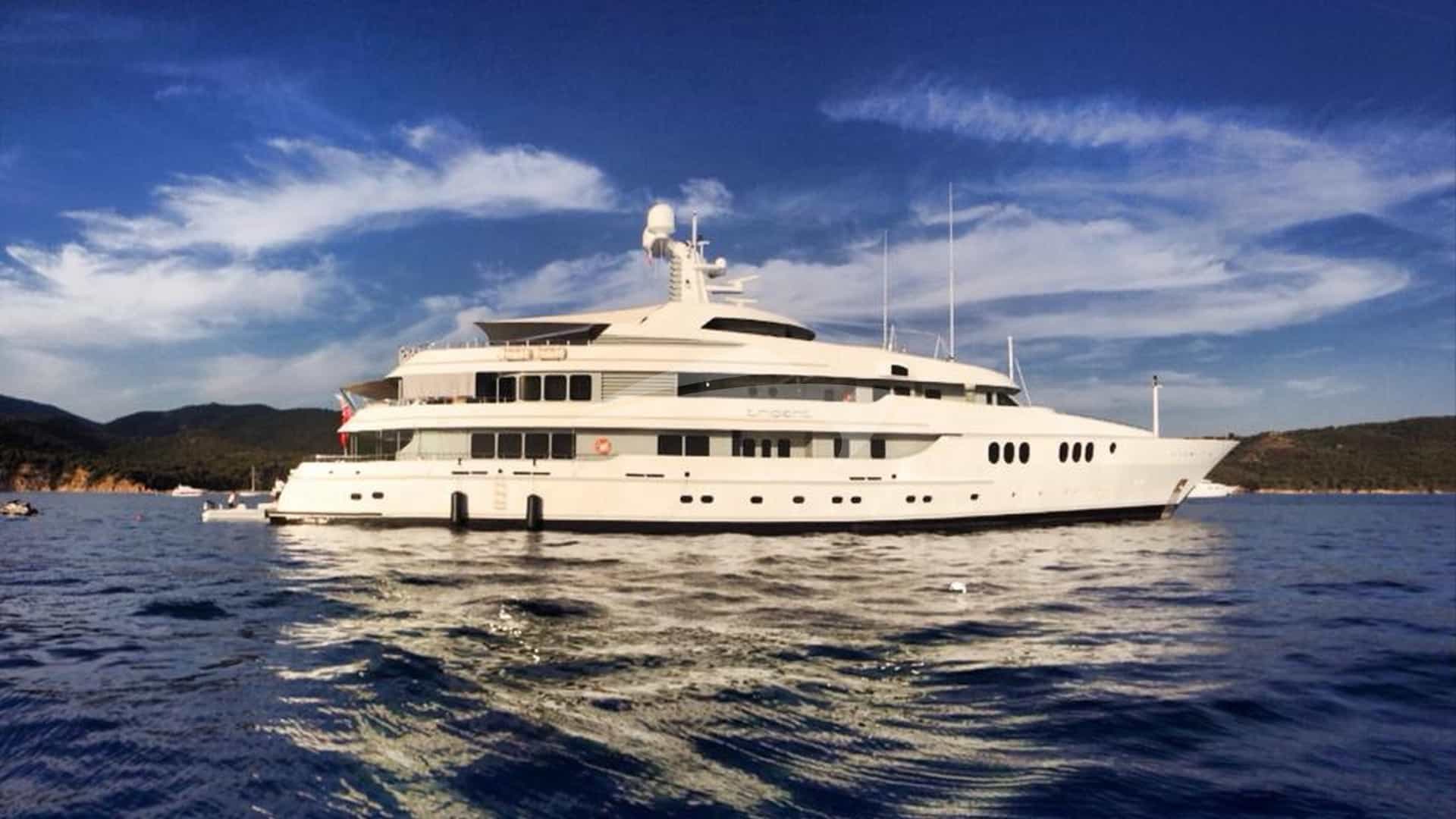
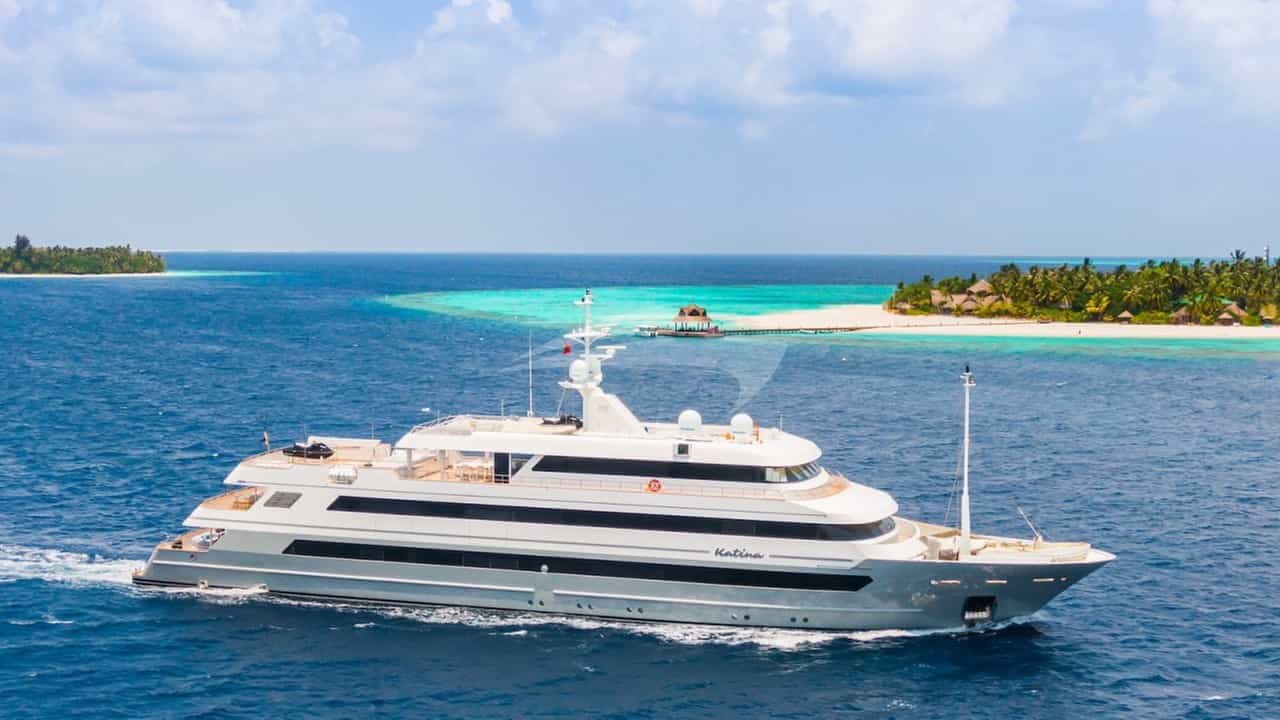
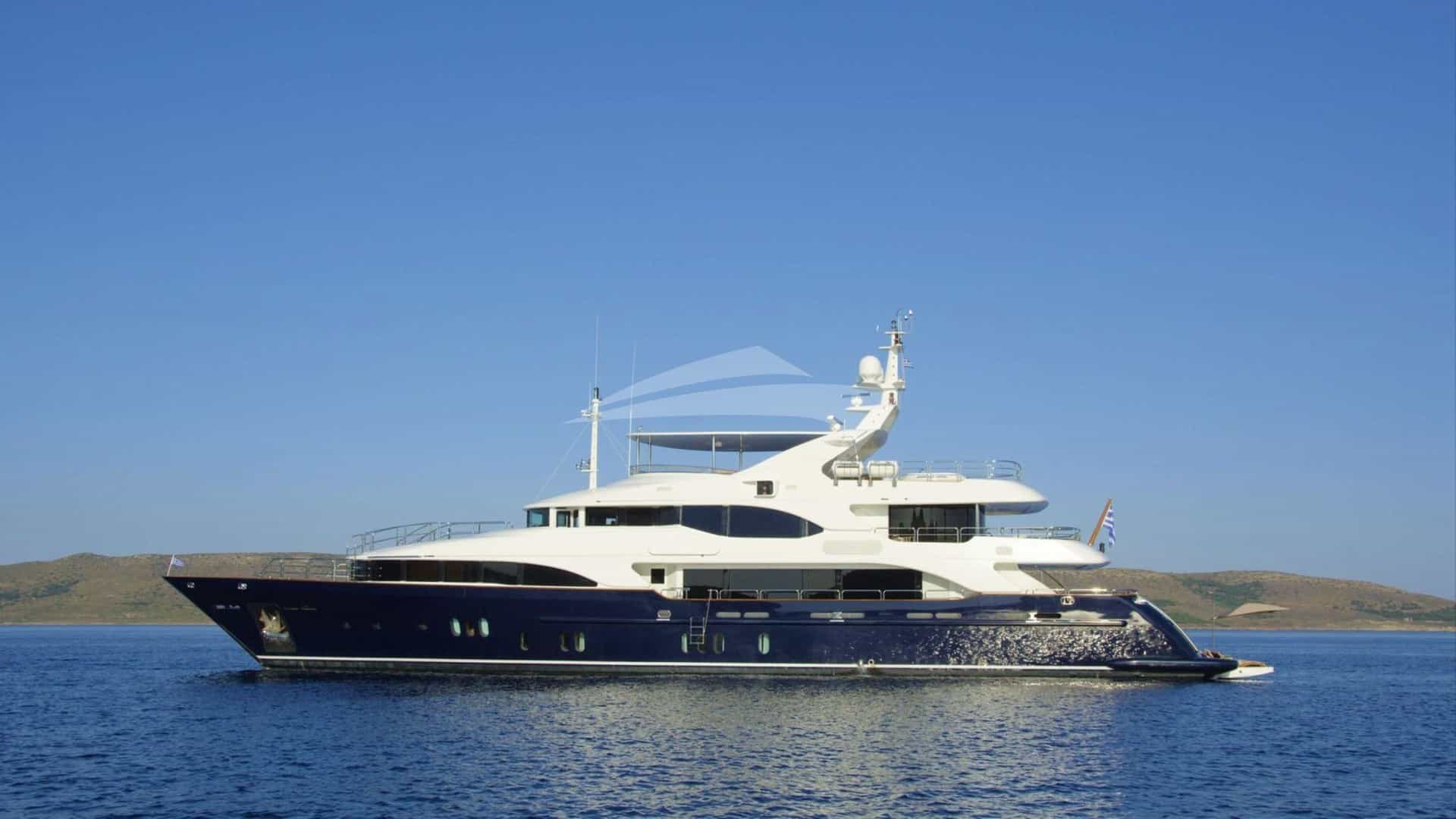
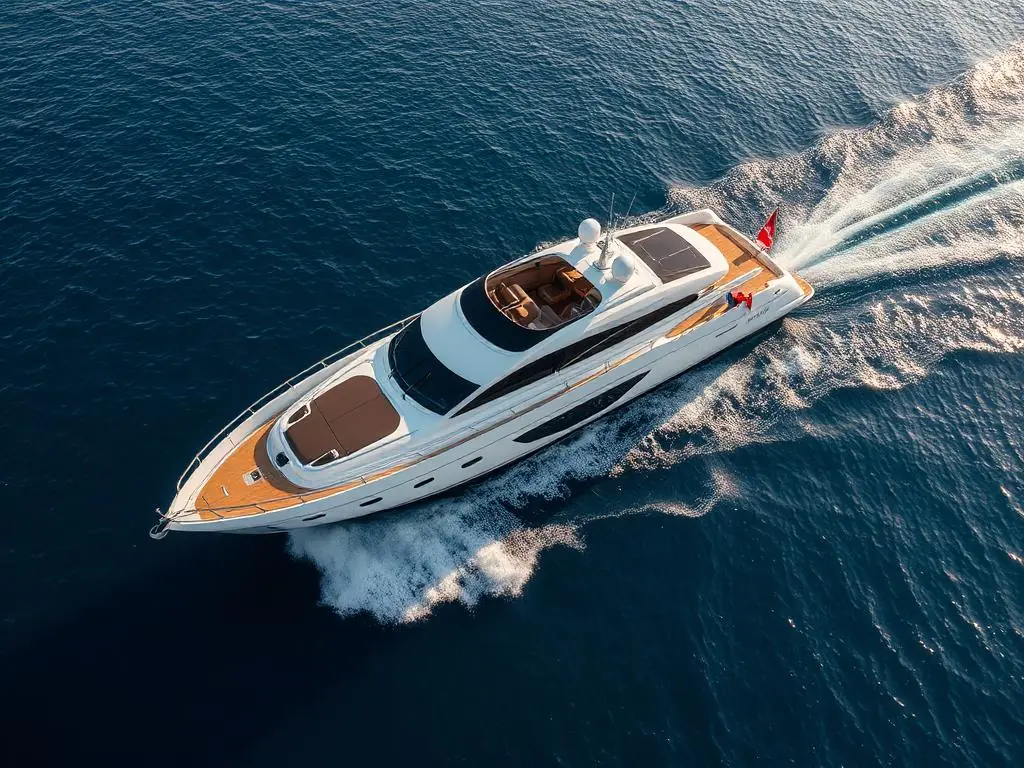
Large Motor Yachts (45-60m): The workhorse of the Omani charter fleet. These vessels are large enough to handle the open-water passages comfortably but nimble enough to access the key anchorages. They will rely on a well-planned itinerary and a good local agent for provisioning and support. Anchor-out capabilities and robust tender operations are essential.
-
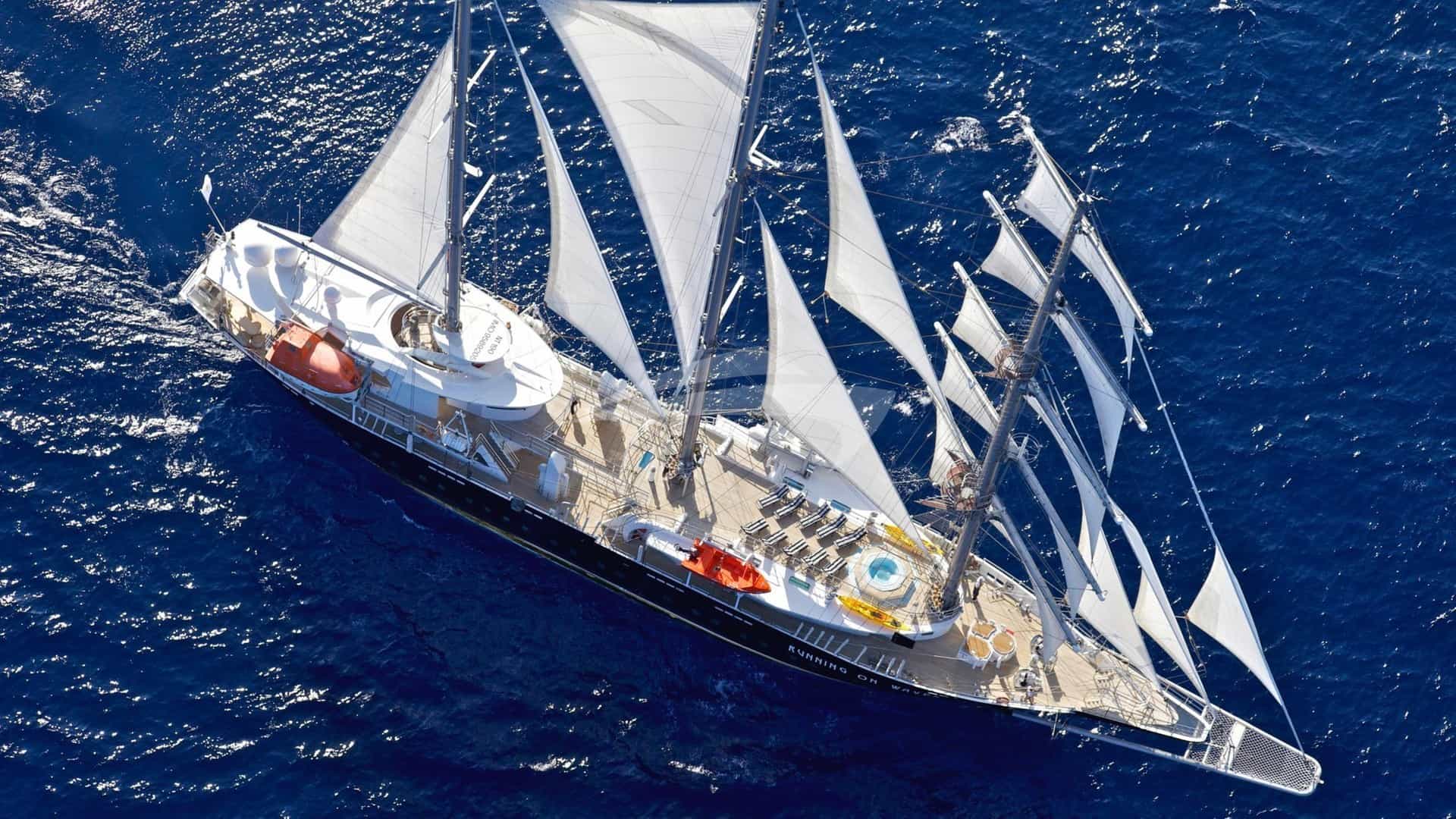
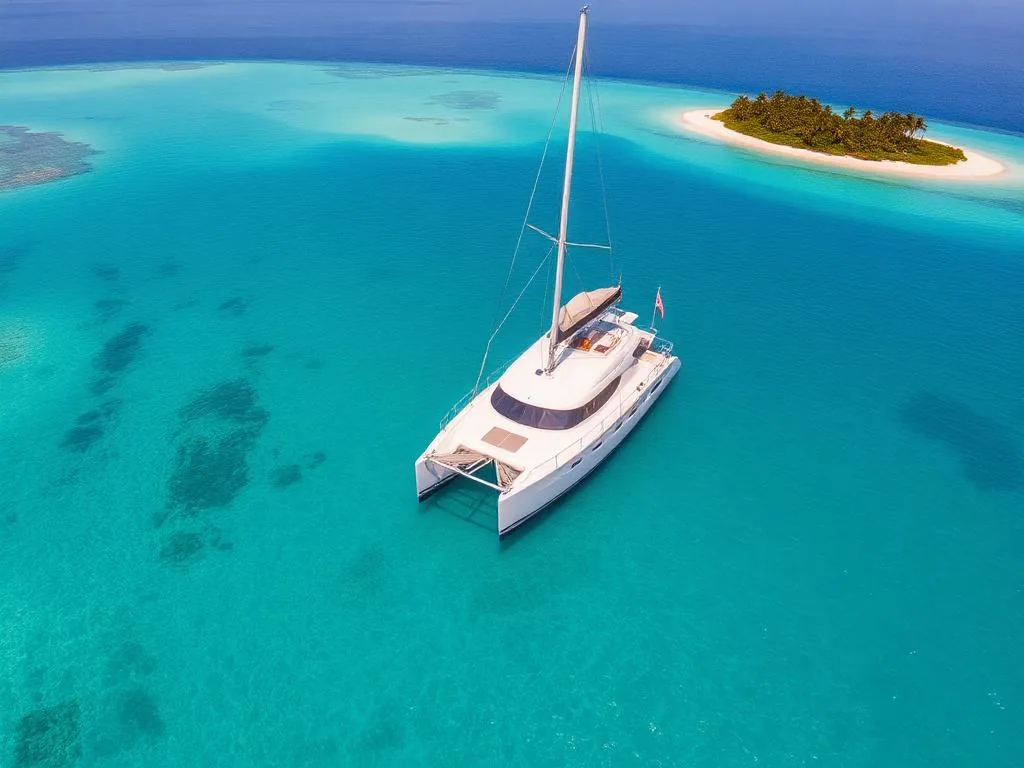
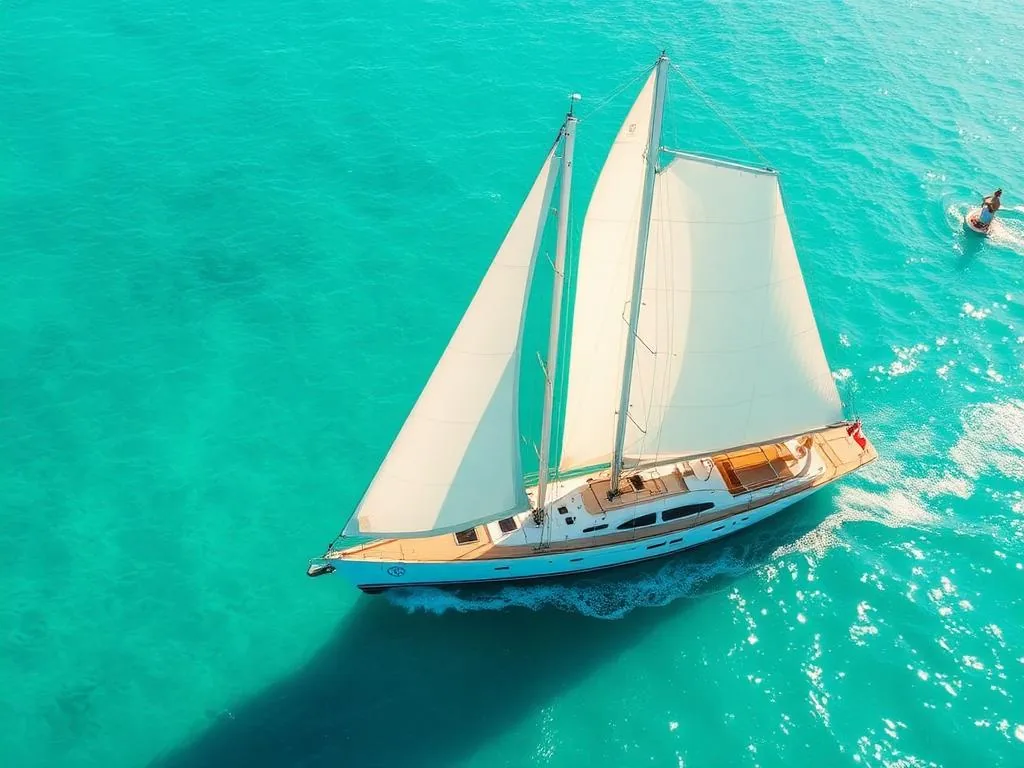
Sailing Yachts & Catamarans (30m+): Well-suited for the Muscat coastline and Daymaniyat Islands during the winter season when winds are reliable. Their shallow draft is an advantage in some coves. They are less practical for the deep, often windless fjords of Musandam, where significant motoring is required.
Weather and Timing
Oman has two distinct weather patterns dictating the charter calendar.
-
Primary Season (October - April): This is the prime window for the Muscat and Musandam regions. Expect clear blue skies, daytime temperatures between 25-35°C (77-95°F), and calm seas. Water temperatures are ideal for swimming and watersports.
-
The Khareef (June - September) - Salalah only: The southern Dhofar region experiences a unique Asian monsoon. The landscape transforms into a lush, green paradise with cooler, misty conditions and temperatures around 27°C (80°F). While the rest of the Gulf swelters in 45°C+ heat, Salalah is temperate. Sea state can be more active, but diving is excellent due to nutrient-rich upwellings. This is a highly specialised charter period for principals looking for a unique natural phenomenon.
The main summer (May-September) in Muscat and Musandam is extremely hot, with air temperatures regularly exceeding 45°C (113°F). While technically charterable, it is not recommended for most clients.
Pricing and APA
Oman is priced as a premium, semi-expeditionary destination.
-
Charter Fees (2026 Estimate):
- 45-55m Motor Yacht: €200,000 - €350,000 per week
- 60-75m Explorer Yacht: €500,000 - €900,000+ per week
-
APA (Advance Provisioning Allowance): Budget for a 35% APA as a standard, potentially trending towards 40%. The higher percentage is justified. Fuel burn for long repositioning legs (e.g., Muscat to Salalah) is significant. Permit fees (Daymaniyats, cruising permits) are line items. Provisioning for high-end or specific items outside of Muscat will require freighting them in, adding cost. There are no competitive bunkering options outside the main commercial ports.
-
Currency: Charter agreements are executed in EUR or USD. The local currency is the Omani Rial (OMR), which will be used by the captain for incidental cash expenses ashore via the APA.
Operational Notes / What to Know
- Local Agent is Mandatory: Do not attempt to navigate the clearance and permitting bureaucracy without a proven, on-the-ground agent. They are the single most important factor for a smooth charter.
- Lead Times are Real: 4-6 weeks is the minimum for permits. For complex itineraries or high-season charters, plan on 8 weeks.
- Provisioning: Al Mouj in Muscat has access to good quality general provisions (Spinneys, Carrefour). Speciality items (specific vintages, rare ingredients) should be shipped in advance. Provisioning in Khasab and Salalah is basic.
- Cultural Sensitivity: Oman is a conservative but welcoming country. Standard modest dress is expected ashore (shoulders and knees covered). Alcohol is available on board the yacht but restricted ashore outside of licensed hotels. Plan charters to avoid the holy month of Ramadan if significant shore-based activity is desired, as daytime services are limited.
- The UAE Corridor: The Dubai-Khasab-Muscat route is becoming a standard GCC winter itinerary. It offers a fantastic contrast between the urban futurism of the UAE and the raw, natural grandeur of Oman. This is a strong selling point for clients already in the region.