Yacht Charter Mykonos
Part of Greece Yacht Charter.
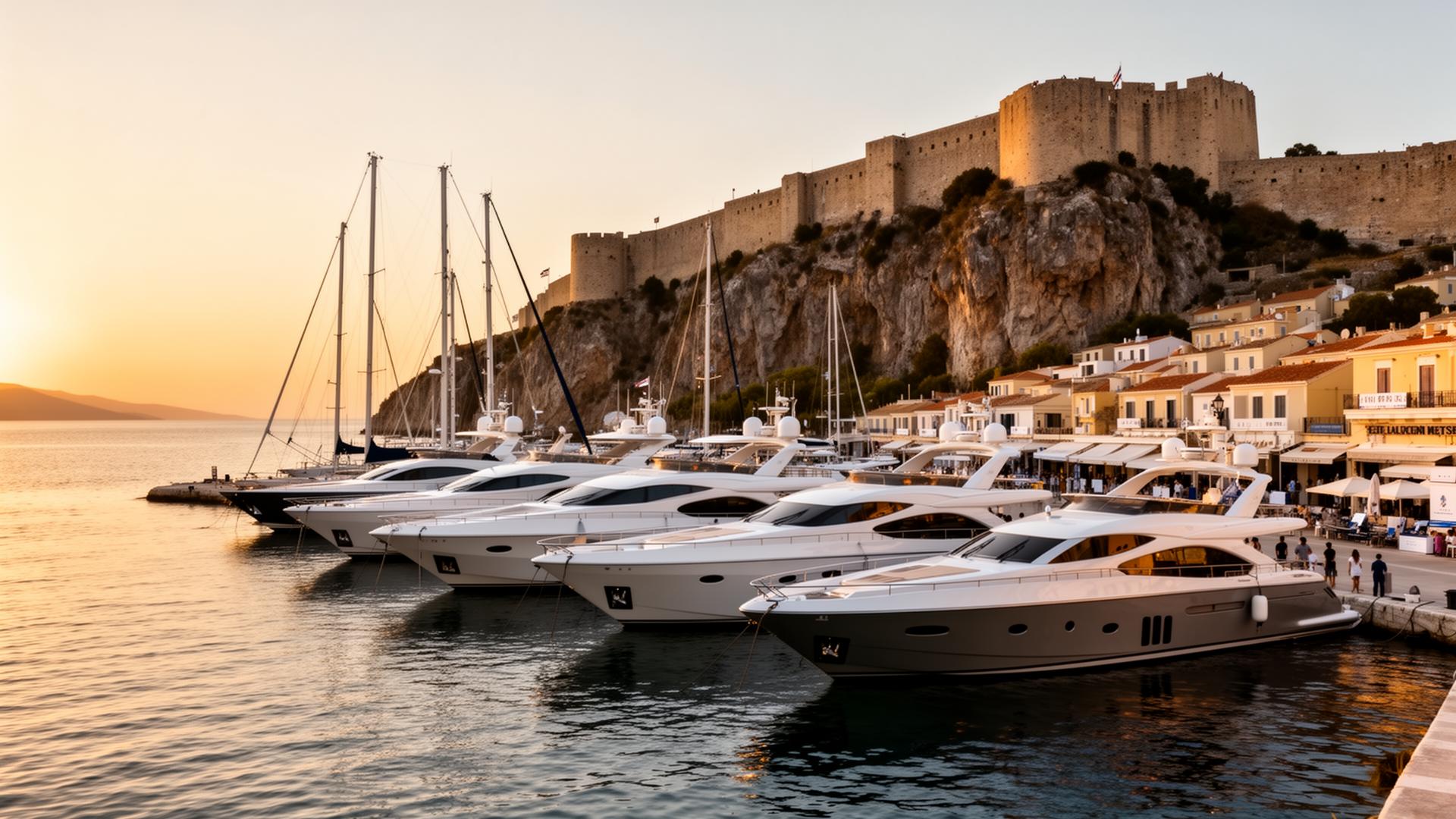
Mykonos yacht charter is Tourlos capacity for larger LOA, Psarou tender culture, and JMK door-to-deck in 15–25 minutes. Meltemi-aware routing and Nammos-tier tables are held before deposit — the old harbour is rarely a megayacht overnight.
Privacy, pace, and places you cannot reach by road.
Why charter a yacht in Mykonos.
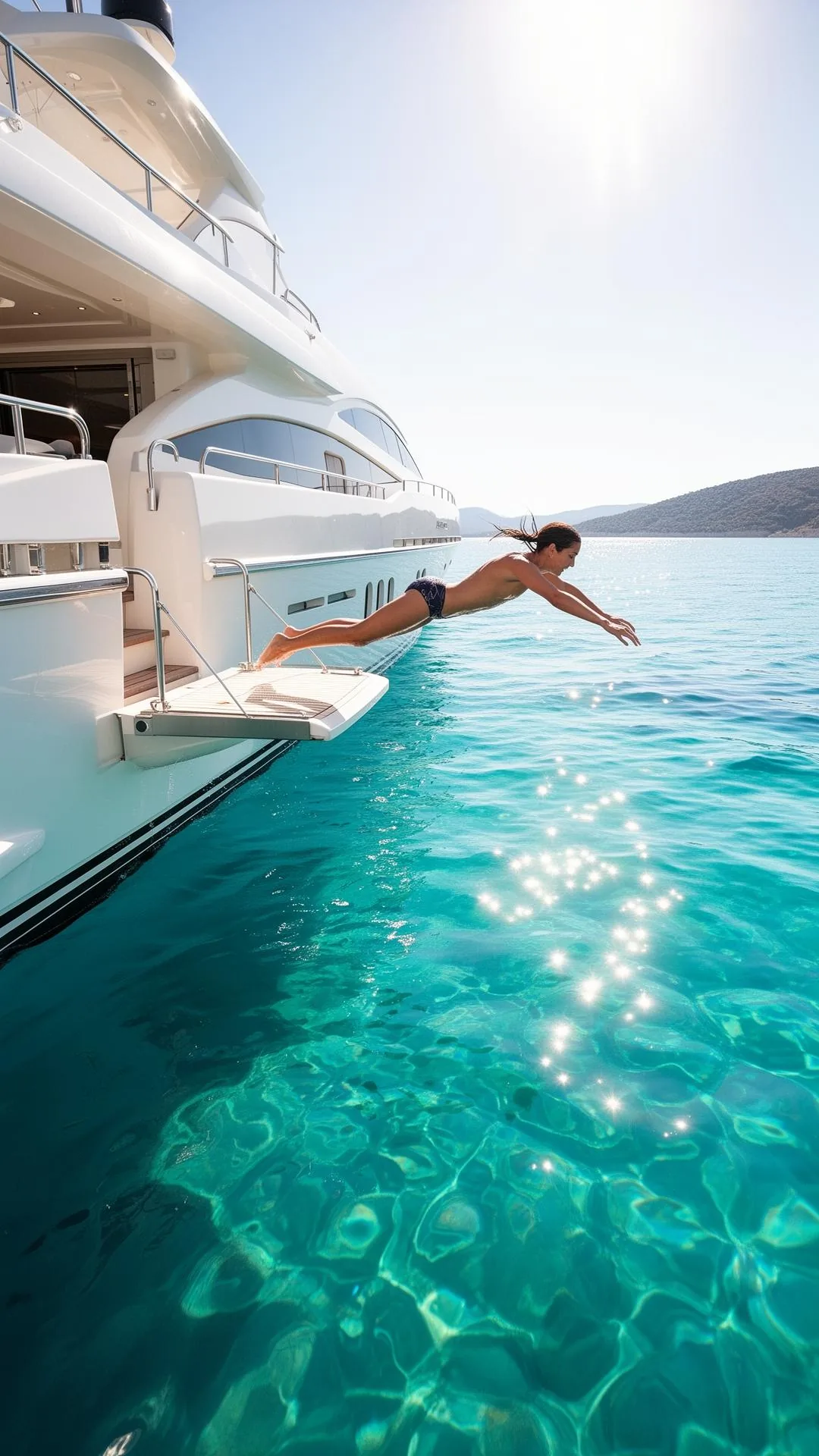
A luxury yacht charter Mykonos rewards guests with a combination you cannot replicate from a hotel: total privacy, an itinerary that flexes around your party, and access to coves, restaurants and reefs that road-bound travellers simply never see. Blue Ocean Club curates Mykonos cruises across motor yachts, sailing yachts, catamarans and superyachts — every option live-priced against the global live availability feed and presented with our 100% best-price guarantee.
Mykonos sits at the heart of one of the world's great cruising grounds. Days unfold at the pace of the sea: long swims off the platform, lunch at a beach club where your concierge has held the best table, an afternoon cruise to a quieter anchorage, cocktails on the bow as the light softens. The captain rewrites tomorrow's plan based on tonight's weather and your party's mood.
Blue Ocean Club matches each crewed yacht charter Mykonos enquiry to yachts whose published operating area, specifications and current availability fit the requested dates. The final shortlist is checked against the yacht's authorised charter information before contract, and route details remain subject to operating conditions and the captain's final approval.
Mykonos charter, in depth.
The Island That Sells the Calendar, Not the Coast
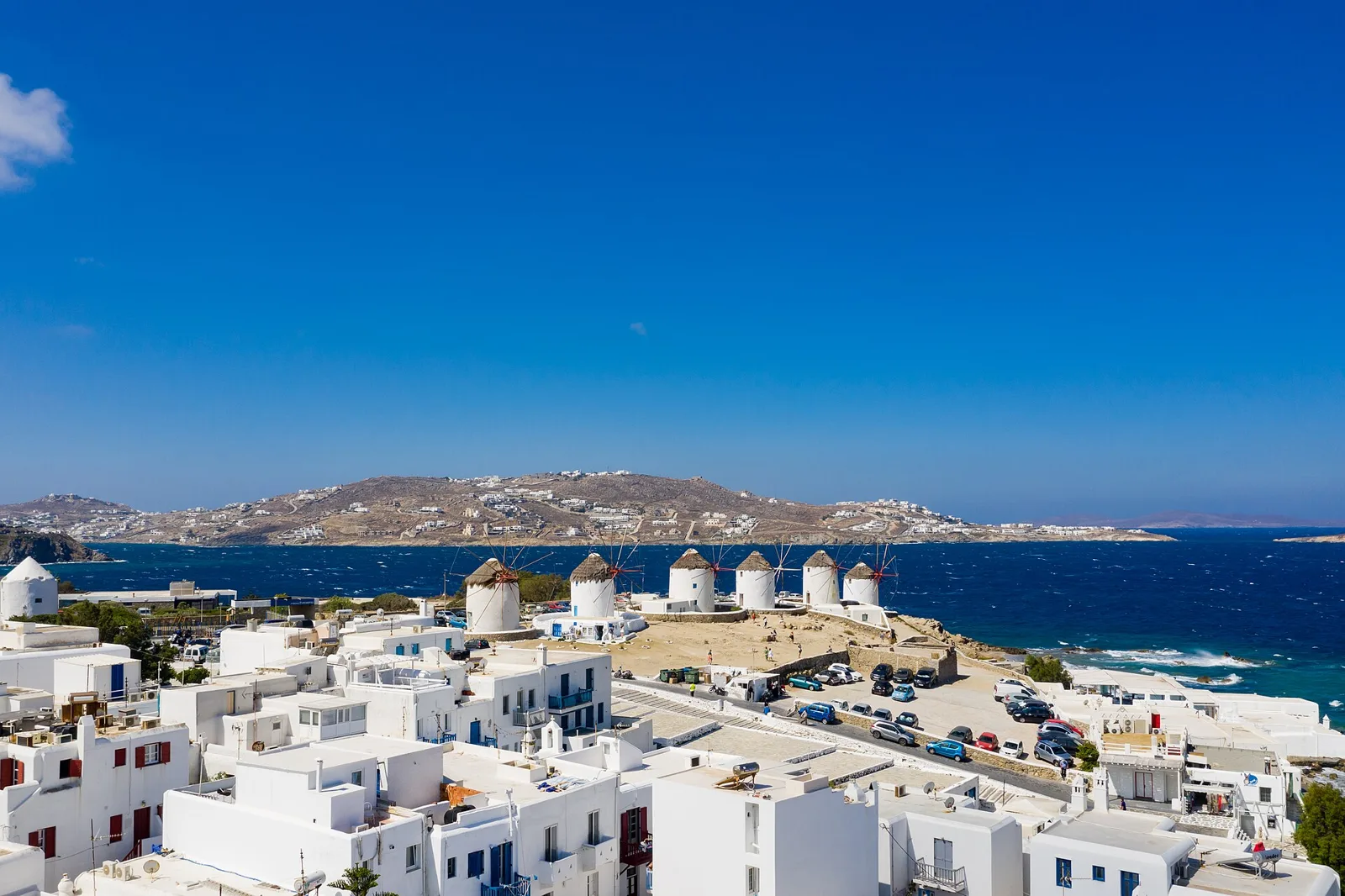
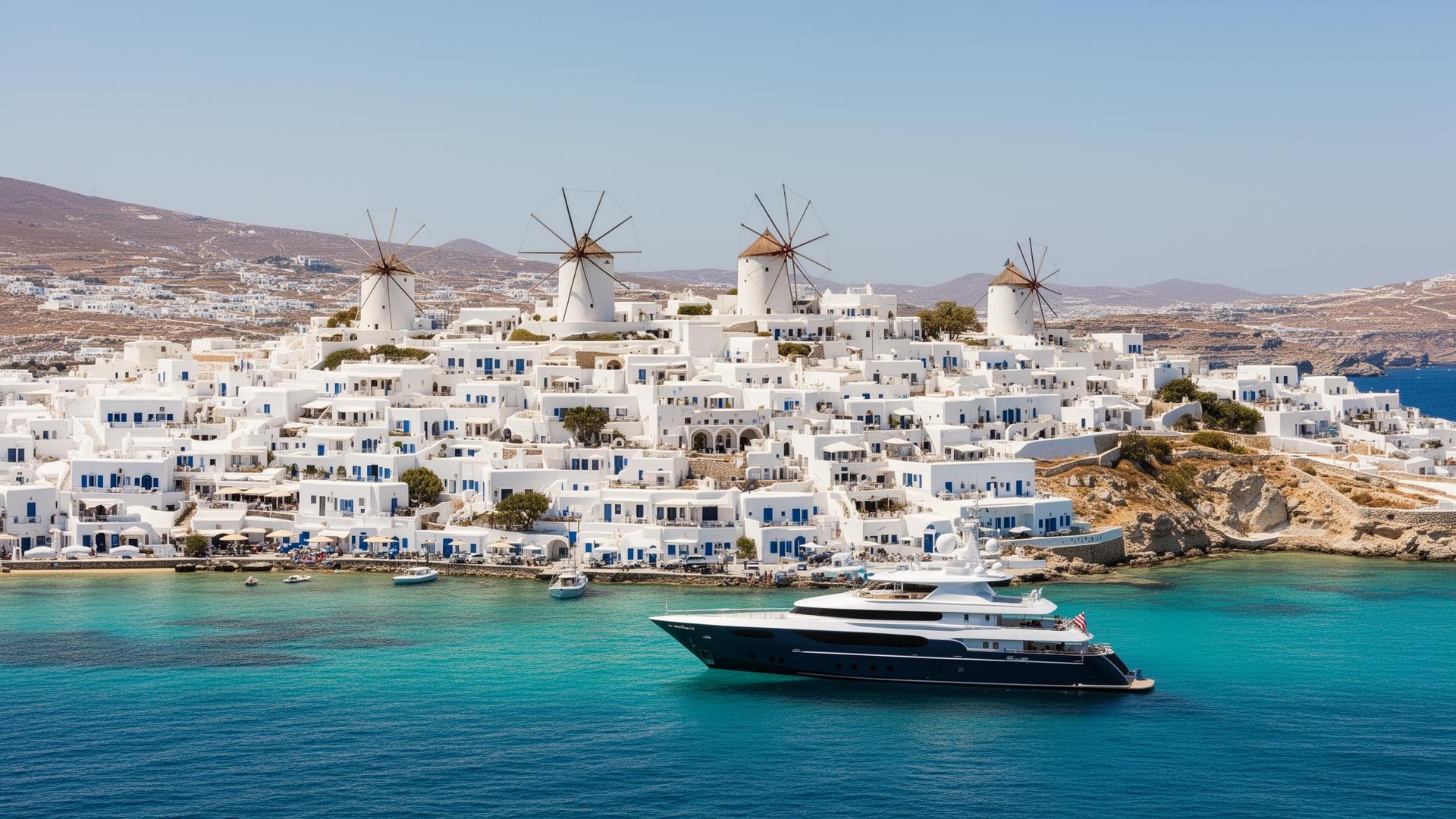
Mykonos is six miles long and four miles wide, a Cycladic rock with one significant town, one new marina (Tourlos, on the west side, opened in 2008 and recently expanded), and one of the most operationally difficult charter calendars in the Mediterranean. In the first week of August, the south coast of the island — the beach-club axis from Psarou and Ornos through Paraga, Paradise, Super Paradise, Elia, and Kalo Livadi — handles an estimated three hundred large day-charter boats simultaneously, and the dinner reservation calendar at Nammos, Scorpios, Spilia, Hippie Fish, and Principote is effectively closed to anyone who started planning later than May.
This is the central commercial fact of Mykonos and the one most first-time charters miss. The island is not selling the cruising ground. The cruising ground — half a dozen open south-facing anchorages, no significant cultural sites, no surrounding archipelago worth the day-trip — is incidental. Mykonos is selling the social calendar: a six-week peak from mid-July through the end of August where every meaningful Mediterranean party programme converges on a single twelve-square-mile island. Either you have the calendar booked and the operational logistics in place, or you do not, and the difference between the two charter outcomes is dramatic.
The Beach Club Hierarchy
The Mykonos beach-club economy is the most concentrated luxury-daytime market in the Mediterranean. The hierarchy is well-defined and the booking system is tightly controlled. The captain who delivers an effortless Mykonos week is the one whose charter manager has the table bookings confirmed by early June.
Nammos at Psarou is the institution. Founded in 2003, materially expanded since, and now the most-booked Mediterranean lunch table after Club 55 in Saint-Tropez. The crudités and the grilled lobster are the menu. The spend-per-table in peak week clears €3,000 routinely. Booking is opaque; the table priority works on relationship and spend history.
Scorpios at Paraga is the social and cultural anchor of the modern Mykonos programme. The afternoon DJ sets that build from 17:00 into the early evening are the most-attended Mediterranean late-afternoon scene of the summer. The dinner programme is a separate booking layer.
Principote at Panormos on the north coast is the contemporary alternative. Smaller, more curated, materially harder to access from the south coast anchorages, and increasingly the connoisseur's choice for the lunch that doesn't feel like a Saturday at Nikki Beach.
Spilia at Agia Anna is the dinner table. Carved into the cliff at the eastern edge of the island, accessible by tender to the small bay below, the menu is the seafood-and-mezze platform that runs through most of the better Mykonos kitchens. The reservation is the hardest in the chain after Nammos.
The second-tier programme — Kalua, Hippie Fish, Solymar, Kalo Livadi Beach — operates as the fall-back if the top-tier bookings did not land. There is no shame in the second tier; the food is often better.
The Mooring Problem
The dominant operational fact of Mykonos in peak season is that there is no comfortable overnight anchorage on the south coast. The south-facing bays — Ornos, Psarou, Paraga, Paradise, Super Paradise — are exposed to the prevailing summer Meltemi, which builds from the north and wraps around the western tip of the island into a building chop on the south anchorages by mid-afternoon. The day programme works (boats anchor for the lunch and the swim), but the overnight pattern almost always involves moving the boat — either north into Tourlos marina or the protected Ornos bay (when the Meltemi softens), or south to Delos, or further afield to the lee of Naxos, Paros, or Rinia.
The new Tourlos marina takes about ten 50-metre-plus yachts and a further forty smaller boats. Allocation in peak season is tight; the slot needs to be booked materially in advance, and the marina is twenty minutes by tender from the town's main quay and the south-coast beach clubs. A charter that needs Tourlos and doesn't have it ends up at anchor in an open roadstead with the boat rolling through the night.
The Day-Trip Anchor to Delos
The single meaningful cultural excursion from Mykonos is the day trip to Delos, the sacred island three miles southwest of Mykonos town. Delos is one of the most important archaeological sites in the Aegean — the birthplace of Apollo in Greek mythology, the cult centre of the Cycladic world, with extensive Hellenistic and Roman ruins. The site is open during the day and closed overnight (no one is permitted to sleep on Delos), and the boat can anchor in the sheltered channel between Delos and Rinia for the lunch hour while guests tour the site.
A good Mykonos week builds the Delos morning into the calendar. It is also the only stop on the island programme that does not involve a beach-club booking.
The Itinerary That Works
The standard Cycladic week with Mykonos as the centrepiece, embarking from Athens (Lavrion or Alimos):
- Day 1: Athens to Kea or Kythnos. Two- to four-hour shakedown, gentle introduction to the cruising ground.
- Day 2: Across to Mykonos. Arrive at Ornos in the afternoon, anchor for the night in the lee of the south coast or move to Tourlos.
- Day 3: South coast day — Psarou and Scorpios. Lunch at Nammos, afternoon at Scorpios, dinner ashore at Spilia or aboard.
- Day 4: Delos and the move south. Morning at Delos for the cultural day, lunch on board at anchor between Delos and Rinia, run south in the afternoon to Naxos or Paros for the night.
- Day 5: Naxos or Paros. The two larger islands south of Mykonos are the day-off from the social density. Lunch at Apollon on Naxos or at Mario in Naoussa on Paros, anchor for the night in a sheltered bay.
- Day 6: Back to Mykonos for the second pass. Lunch at Principote on the north coast, dinner at the second-tier table (Spilia having been done on the first pass), overnight at Tourlos or in the Ornos lee.
- Day 7: Mykonos back to Athens. Long return run, or one-way disembark by helicopter if the budget allows it.
The Operational Realities
The Meltemi. The northerly Aegean wind builds through the morning and peaks in the late afternoon at 25 to 35 knots in peak season. It governs the entire Mykonos overnight pattern; a captain who watches the GFS model and repositions the boat for the night is the difference between a comfortable charter and a rolling one.
Tender capacity. Every beach-club run is a tender exercise. The boat that arrives in Mykonos with a single tender struggles; two driver-tenders is the operational minimum for the south-coast day programme.
Provisioning. Mykonos town and Ornos have functioning supermarkets but the supply chain is over-loaded in peak week. Most serious charters provision in Athens before departure and re-stock perishables mid-week through the local agency network.
The Greek charter framework. Greek VAT on charter is 12 percent on the base fee, with the offshore-time reduction calculated by the captain. APA is 25 to 30 percent. Greece's commercial charter regulations have tightened materially since 2014; reputable operators hold properly endorsed flags and the compliance environment is in a much better place than a decade ago.
Costs
A 30-metre motor yacht with Mykonos as the centrepiece of a Cycladic week runs €70,000 to €120,000 per week base in peak season. A 40-metre runs €140,000 to €240,000. The Mykonos premium over a neutral Cycladic week is roughly 15 to 20 percent, almost entirely absorbed by the beach-club spend rather than the yacht charter rate itself.
What Mykonos Actually Is
Mykonos is the social peak of the Greek summer and the most over-booked island in the Aegean during a six-week window each year. The charter case is the case for the calendar — Nammos, Scorpios, Spilia, the south-coast lunch programme, the late-night Mykonos town walk — and the operational machinery (tender capacity, table bookings, Tourlos slot, Delos timing) that makes the calendar work without friction. Outside the peak six weeks, Mykonos is a quieter Cycladic island with empty restaurants, available anchorages, and a different and arguably better charter proposition that very few first-time visitors ever experience. The first Mykonos charter almost always books August. The second one increasingly books late June or late September.
Yacht charter in Mykonos — what to expect.
Season, route, hull and investment — the four things every guest asks before we lock a yacht.
The established charter window used for planning in this cruising region is May–October. Conditions still vary by exact dates and route, so the captain's forecast and operating advice govern the final itinerary.
The strongest Mykonos itinerary is built from destination-specific marinas, anchorages and places that are actually available for the requested dates. The route remains flexible around weather, berth availability, local restrictions and the yacht's operating limits.
The most suitable yacht for Mykonos depends on guest count, layout preference, draft, range, speed and the intended itinerary. Compare the verified specifications on the individual yacht listings rather than relying on a generic destination-wide yacht type.
Charter pricing in Mykonos depends on the yacht, dates, operating area and the final charter terms. Verified yacht rates are shown on individual listings when available; taxes, operating expenses, provisioning and any other booking-specific charges are confirmed before contract rather than estimated from a global template. Minimum charter duration is yacht- and date-specific.
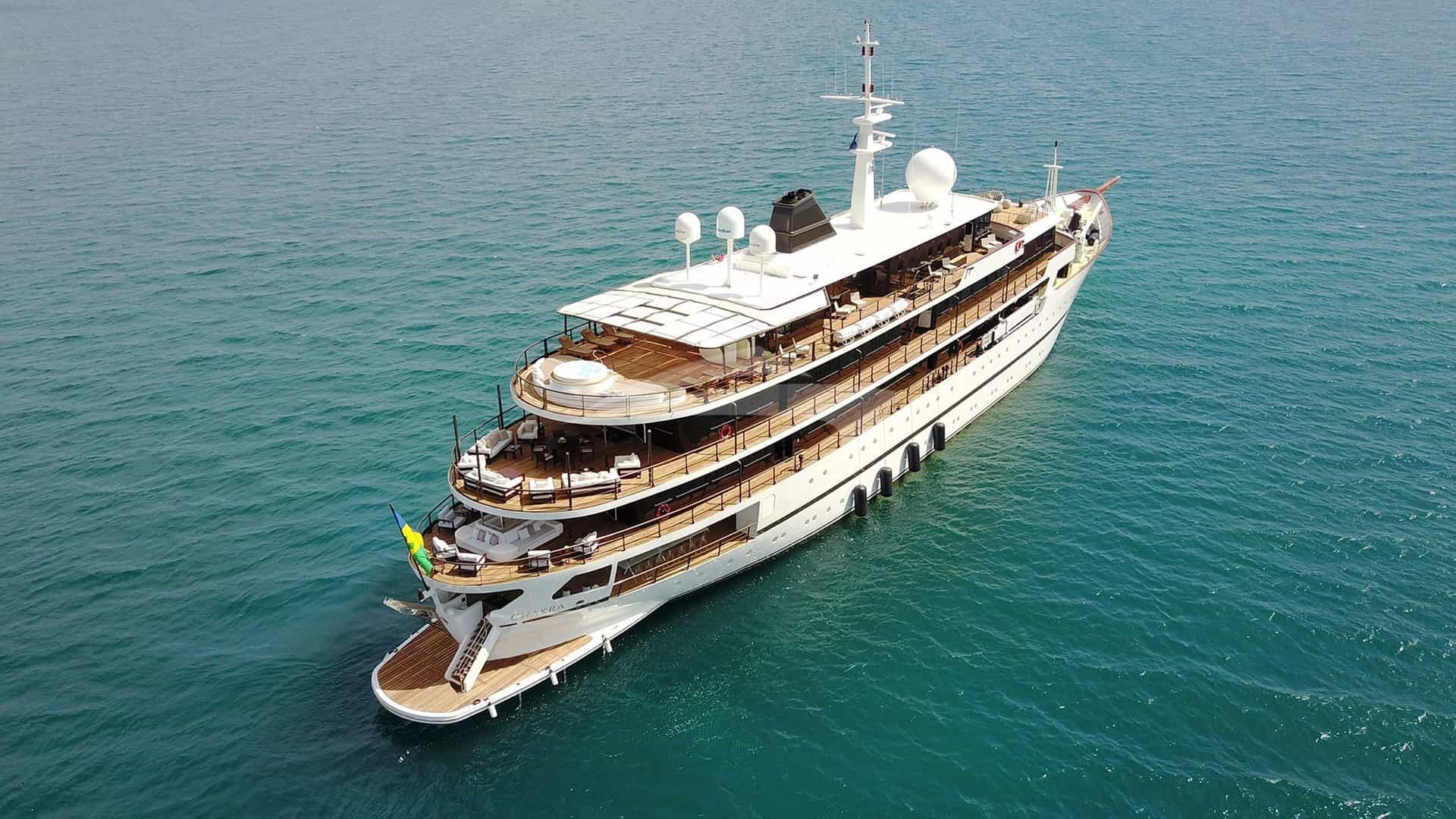
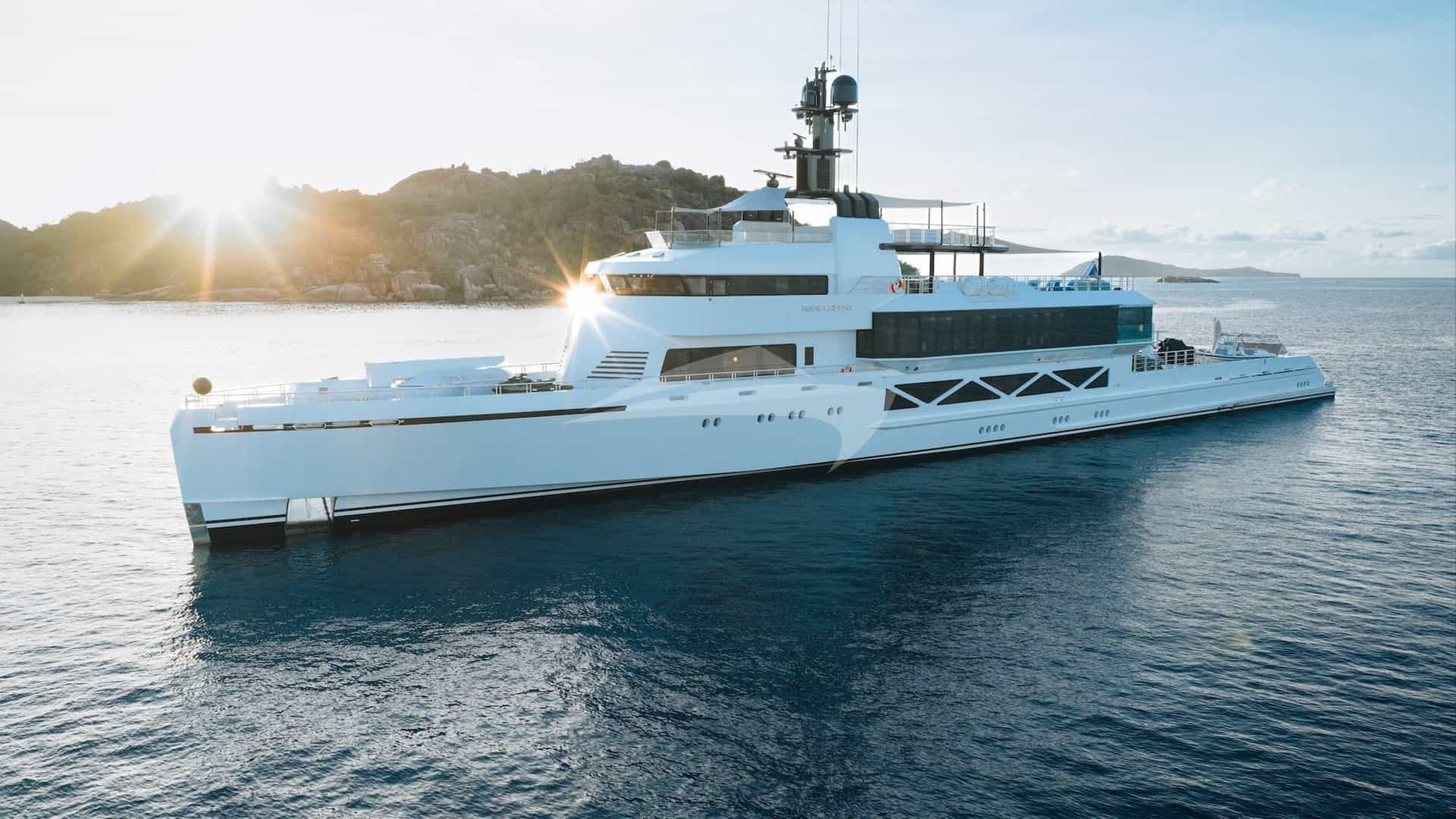
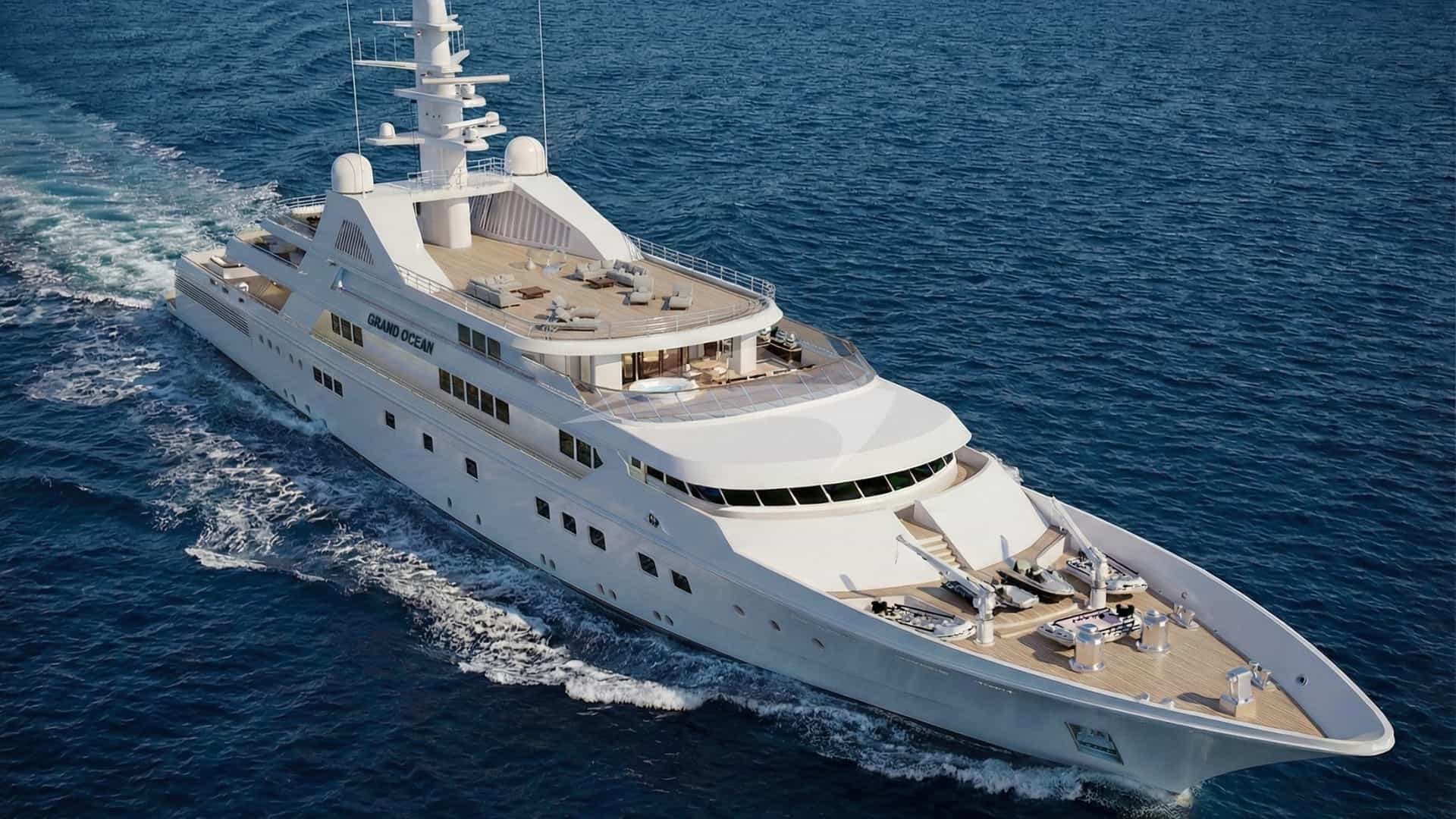
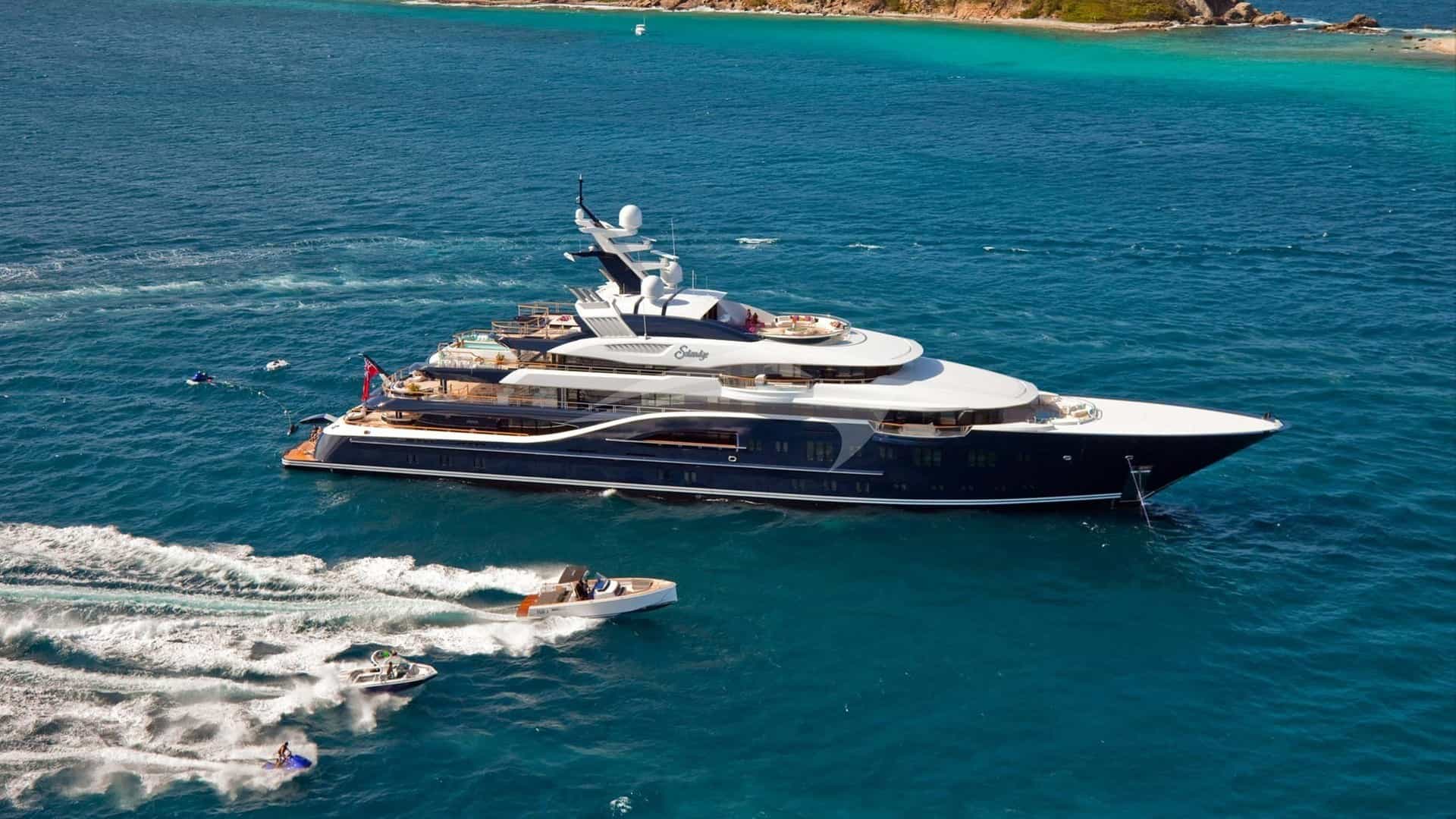
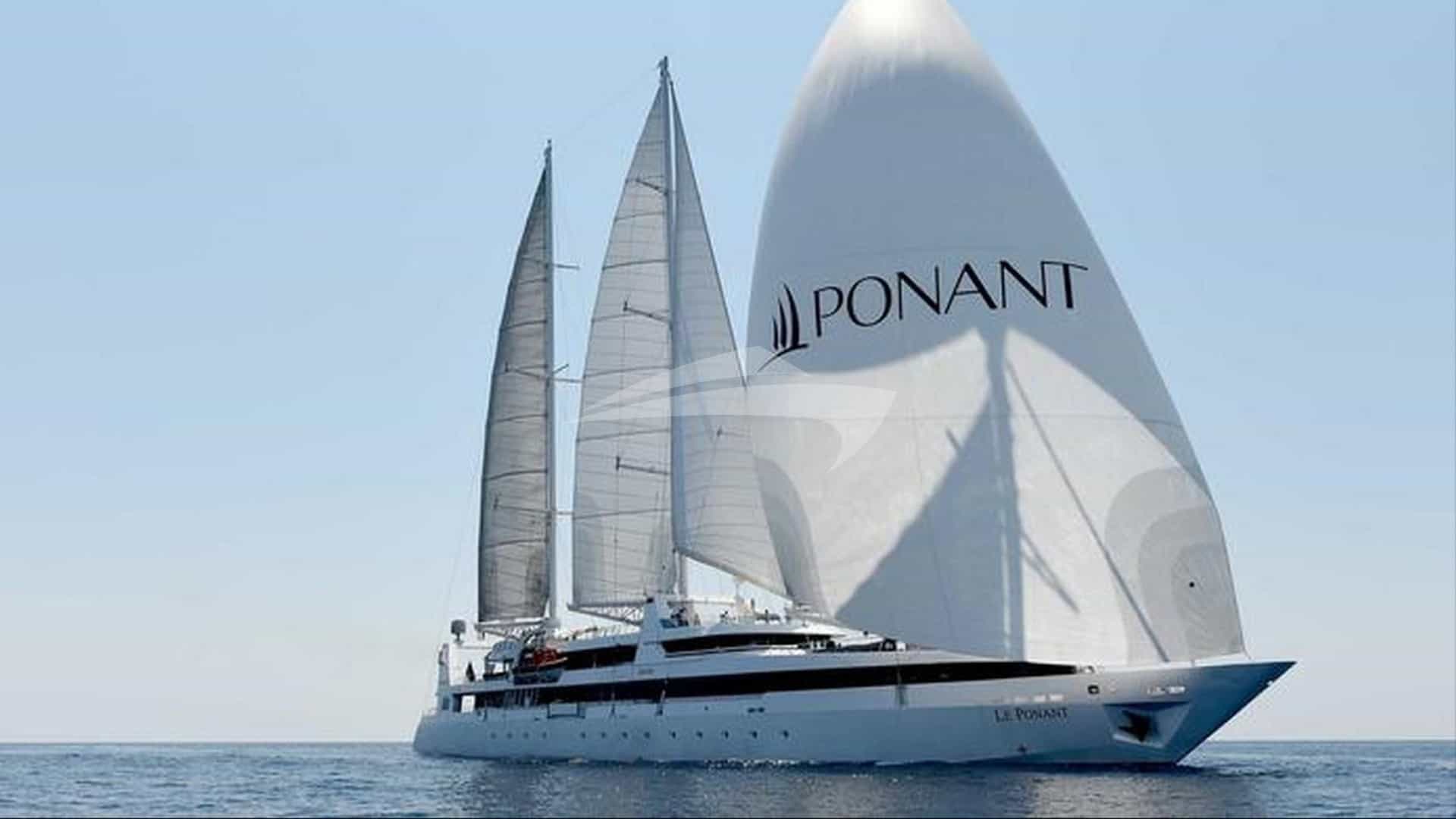
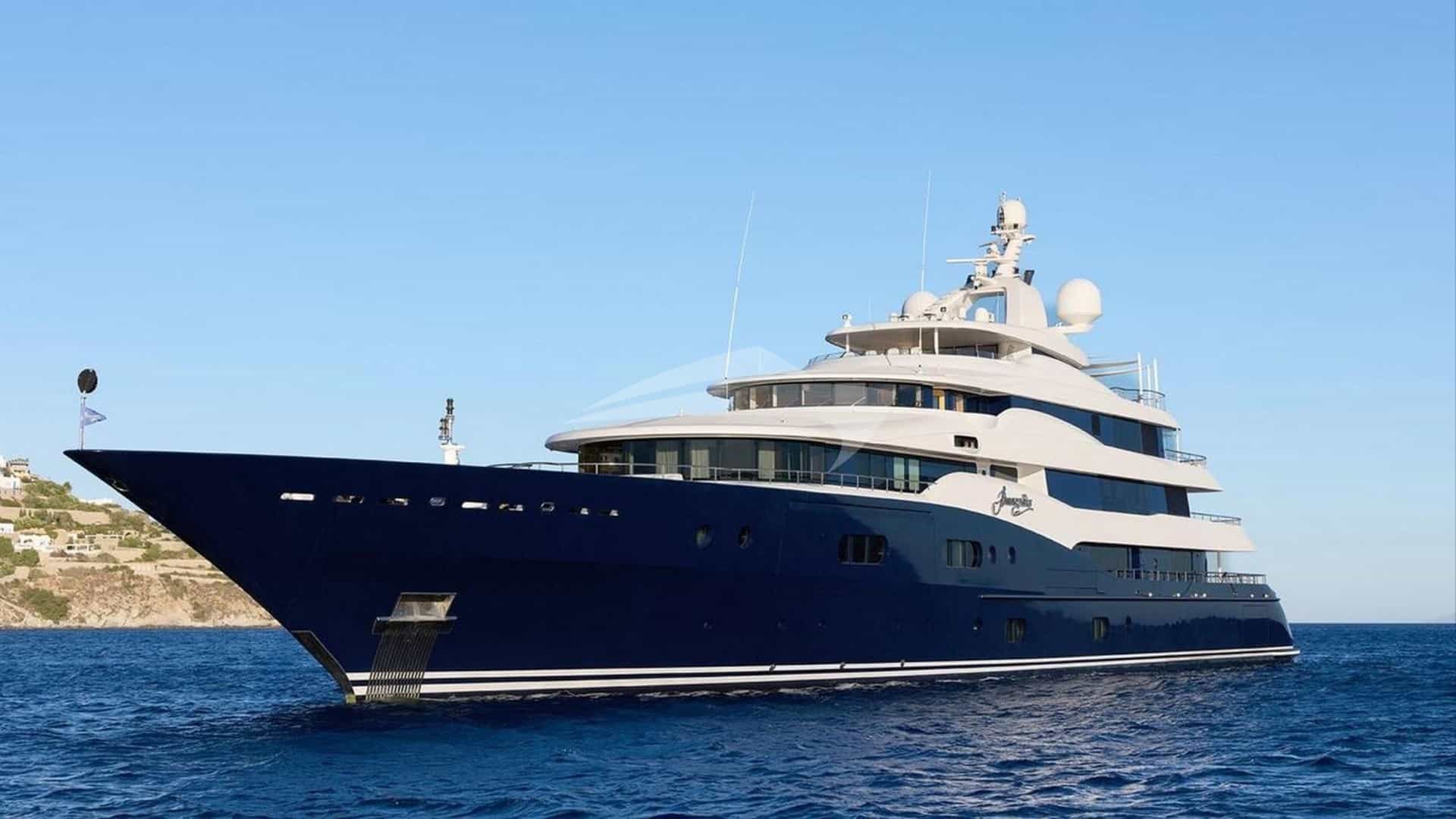
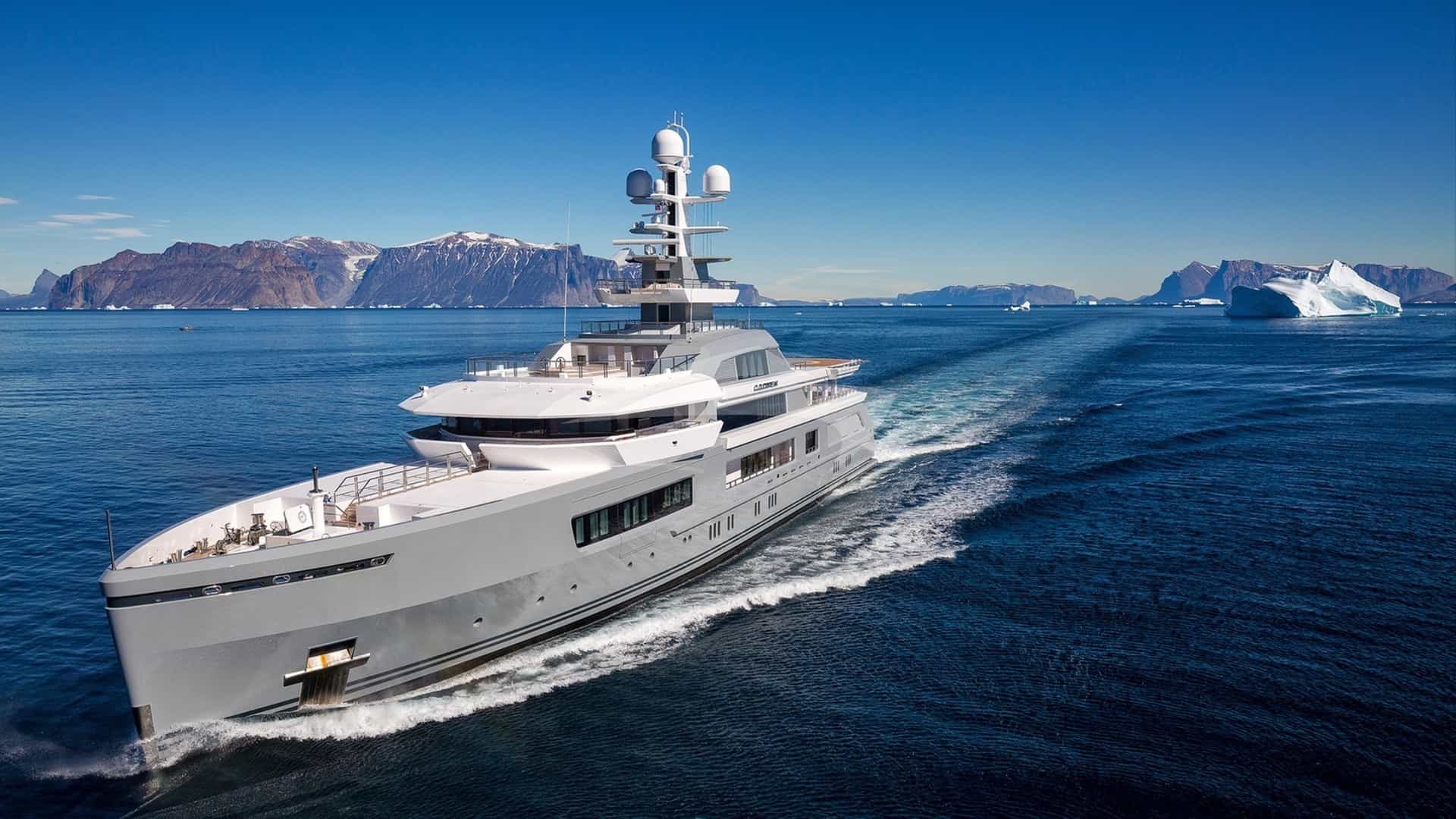
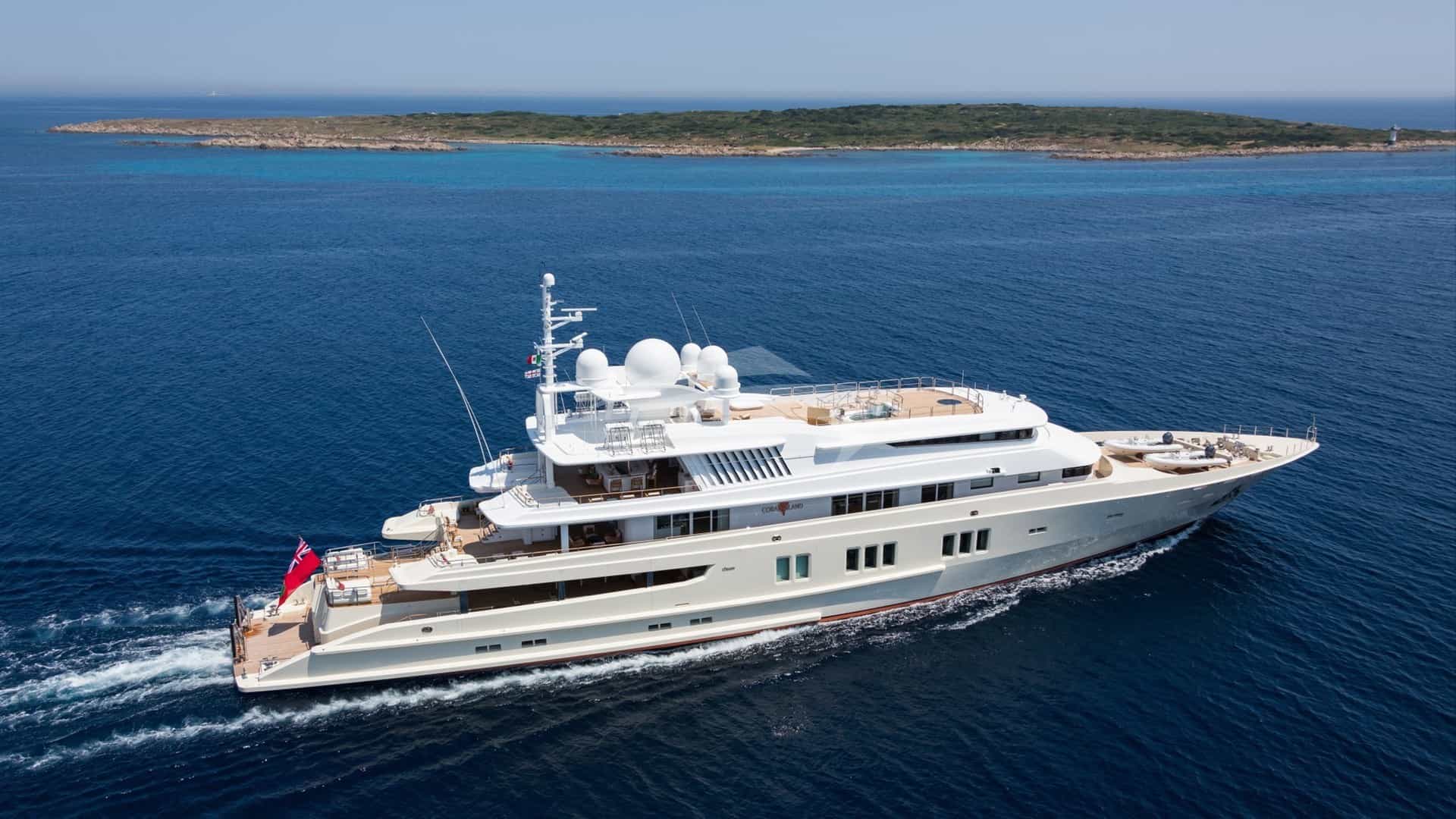
Yachts chartering in this region.
Selected from the wider Mediterranean fleet.
Live pricing — charters from €15,750 / week

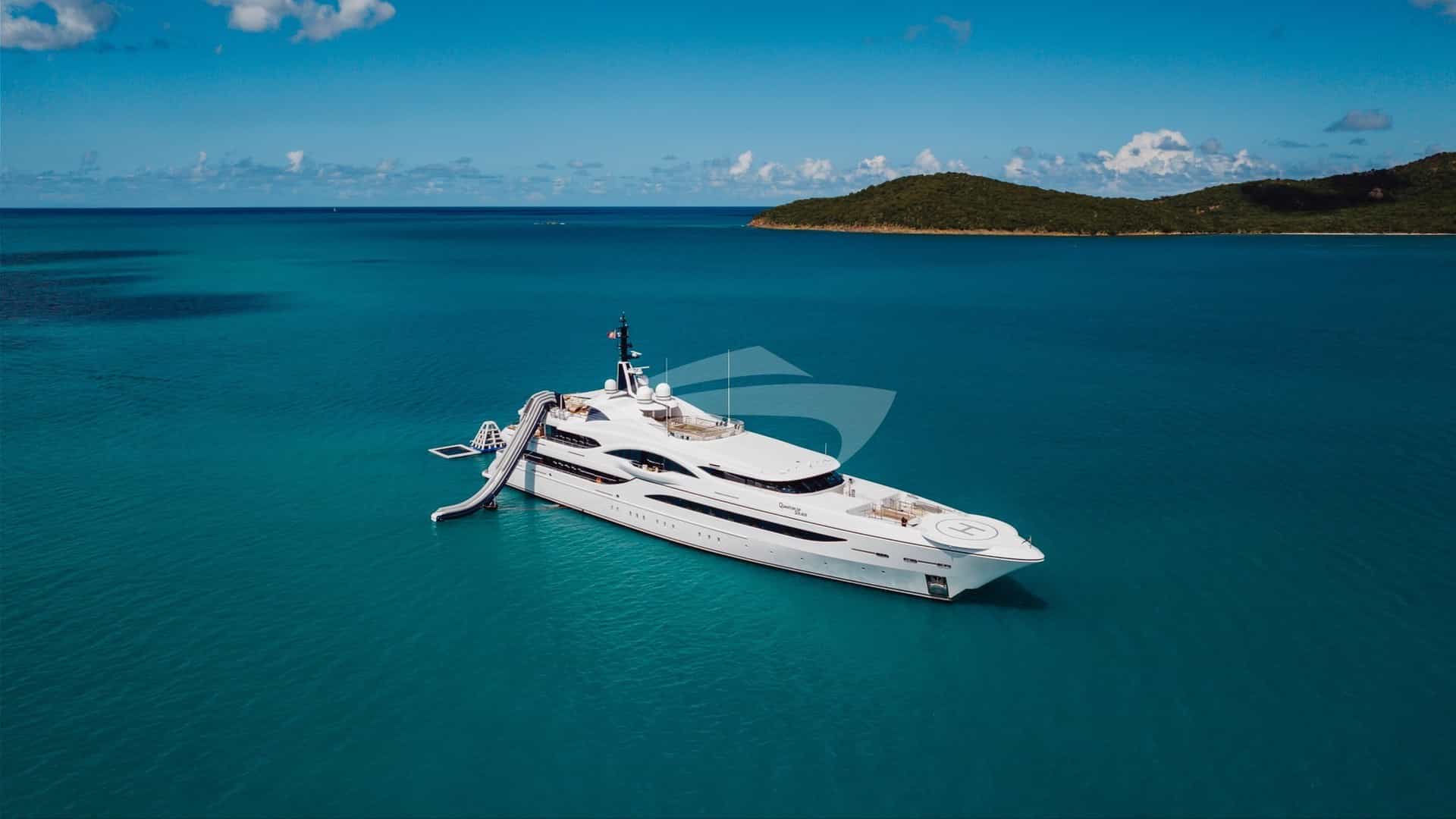
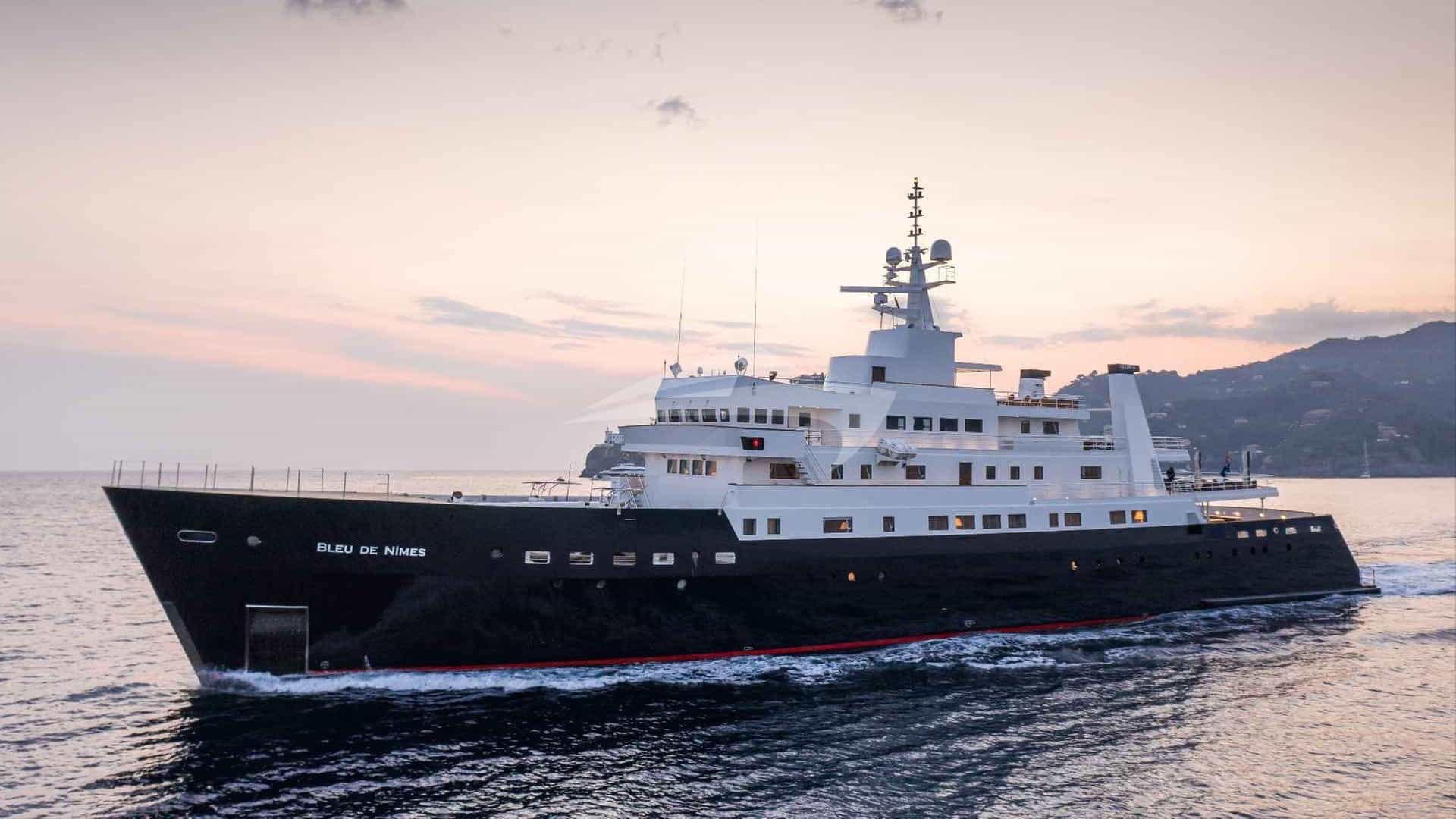
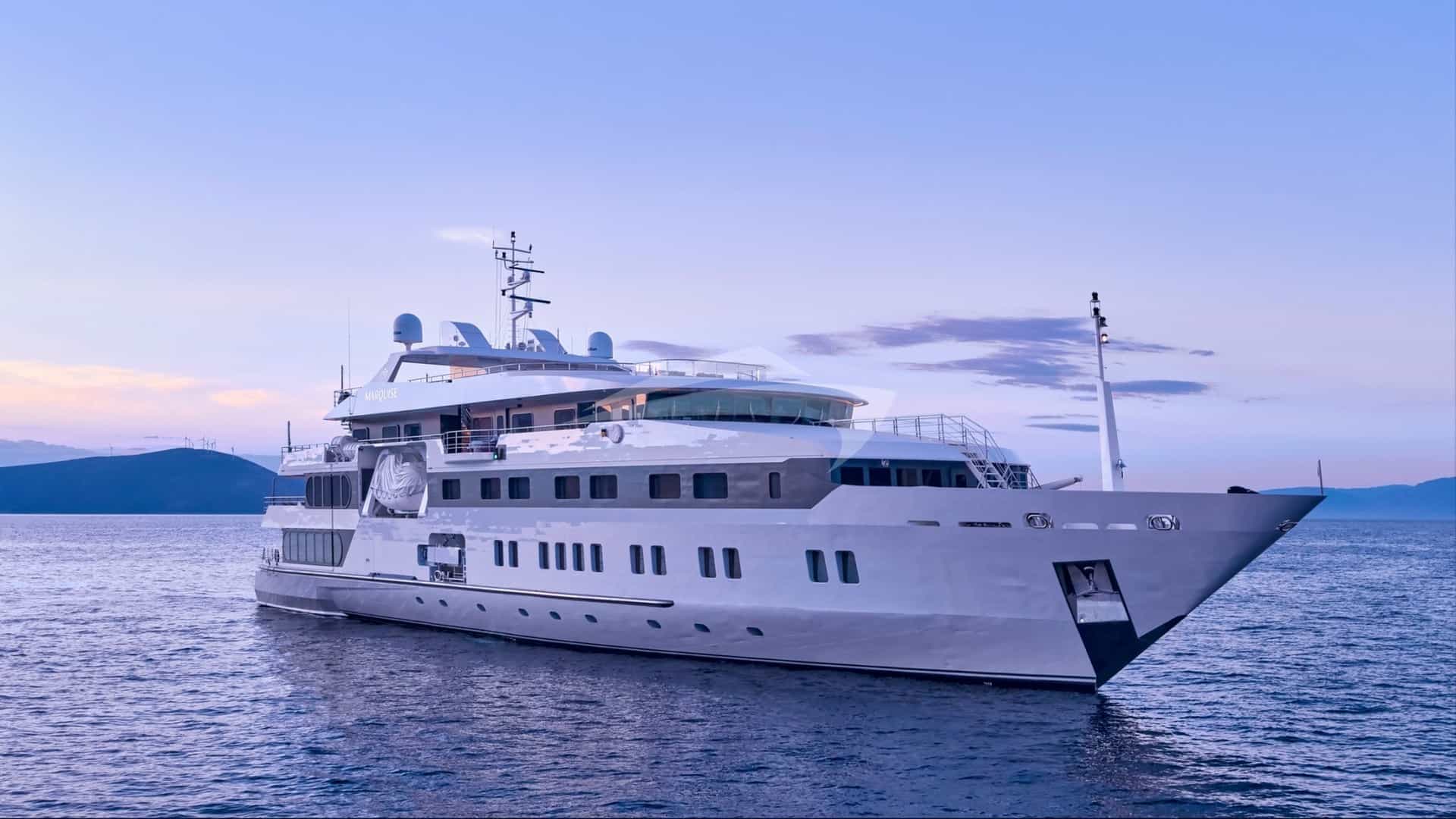
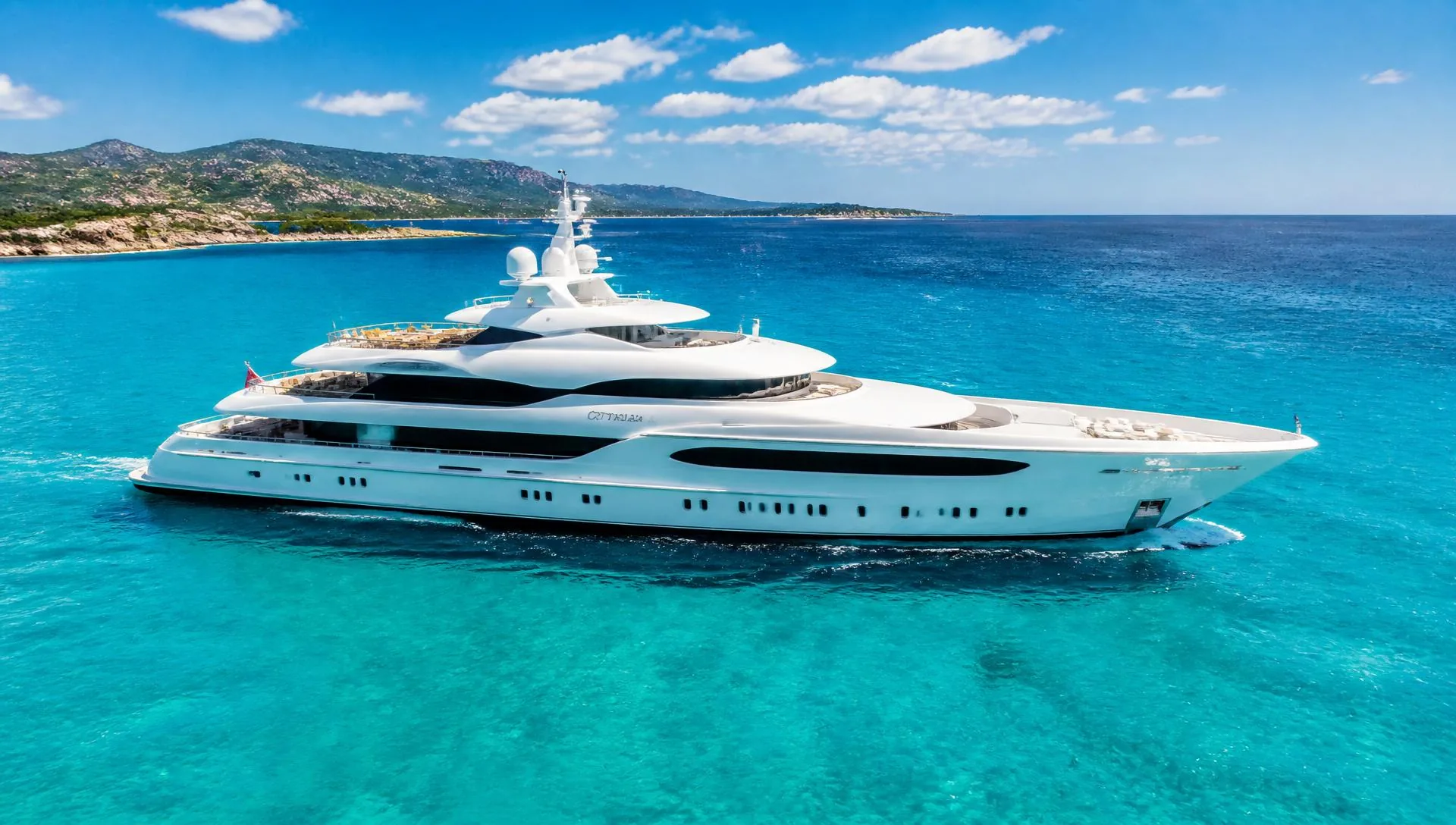
Things to do on your Mykonos charter.
From quiet anchorages to time ashore — a planning sample to adapt around the yacht, local conditions and verified availability.
- 01Onboard time
Swimming, dining and relaxation shaped around the facilities of the yacht selected
- 02Water activities
Use the water toys and sports equipment actually carried by the yacht, where local rules allow
- 03Shore visits
Add towns, beaches, restaurants or cultural stops when verified locally and available for your dates
- 04Private dining
Plan menus with the yacht's confirmed crew and the provisions available for the charter
- 05Flexible days
Keep the route responsive to weather, berth availability and the captain's operating decisions
Mykonos from above.
Satellite view of the coast — ports, headlands and island day-anchors that can shape a week on the water.
When to charter in Mykonos.
The prime window for a yacht charter Mykonos runs May–October.
Greek Cyclades charter season, events & booking calendar
Month-by-month weather, regatta dates, beach-club openings and the exact weeks our brokers recommend for this cruising ground.

Plan your week in Mykonos.
Share a few details and we will return a private yacht shortlist — availability, APA guidance and a clear next step — within one working day.
Fly in. Transfer. Board.
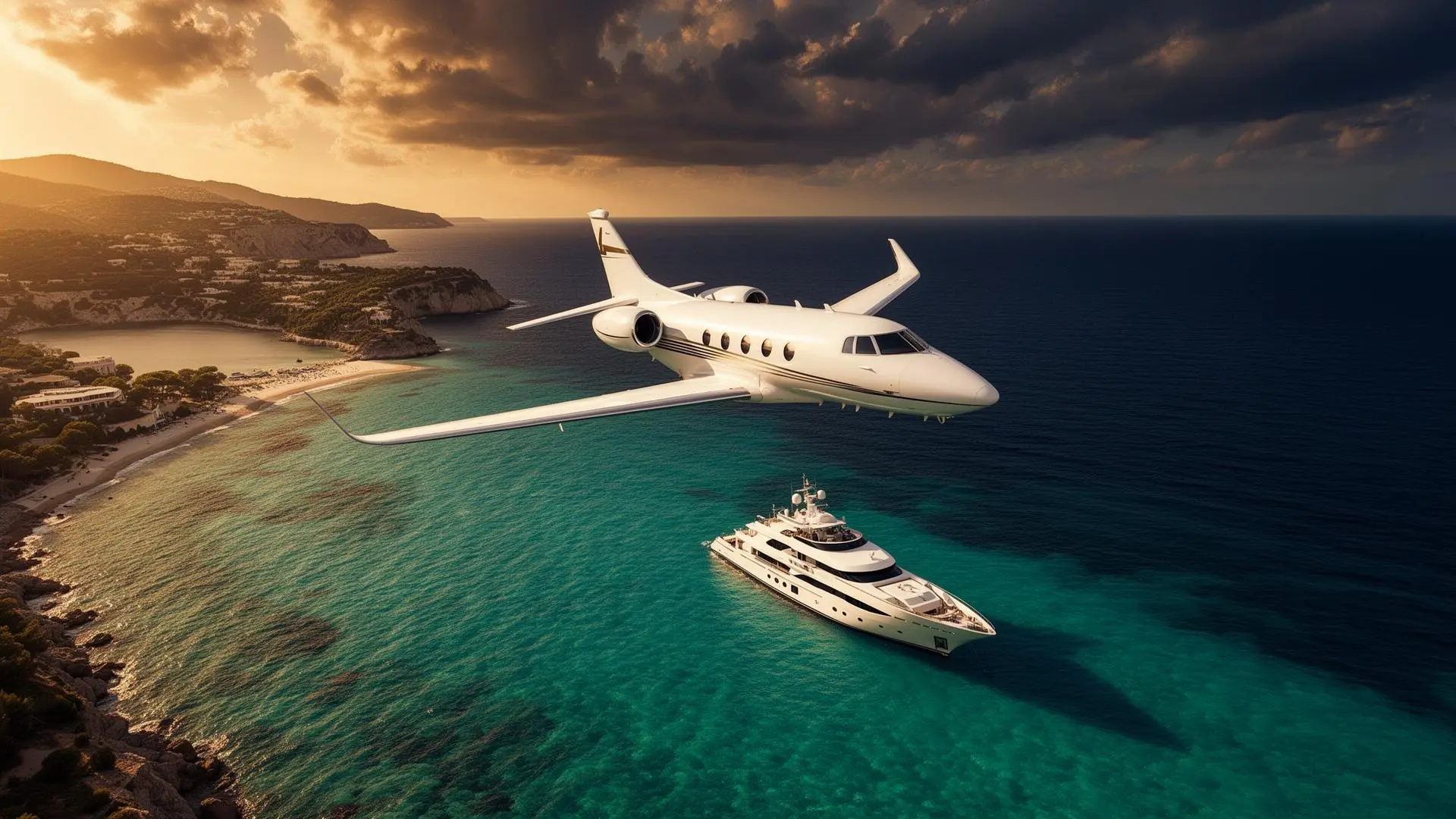
Private-jet gateways for Mykonos Yacht Charter — each airport links door-to-deck transfers and Limitless Sky charter.
Private jet capable
Top transfer: Chauffeur SUV to Athens Marina · 21–34 min
Private jet into ATH →Private jet capable
Top transfer: Chauffeur SUV to Tourlos Marina Mykonos · 3–5 min
Private jet into JMK →Private jet capable
Top transfer: Chauffeur SUV to Vlychada Marina · 6–9 min
Private jet into JTR →Private jet capable
Top transfer: Chauffeur SUV to Gouvia Marina · 8–12 min
Private jet into CFU →Door-to-deck · Mykonos
ATH, JMK, JTR and CFU into Alimos, Tourlos, Vlychada and Gouvia — chauffeur timed to embarkation.
Meeting point
Meeting point: Flisvos Marina — confirm quay / pontoon with the captain the morning of embarkation.
Arrival buffer
Plan 60–90 minutes from wheels-down to passerelle for chauffeur corridors; helicopter windows are tighter when helipad access is confirmed.
Berth lead time
4–12 weeks for peak season slips
Captain / crew
Approach Flisvos Marina with local pilotage notes from the captain; high season berths book weeks ahead. Fuel, water and shore power are available — confirm waste and amp rating before arrival.
Tender fallback
When berths are scarce we hold a sheltered anchorage + tender (or captain-only standby) plan before you fly — never a last-minute scramble at the mole.
Luggage / night before
Night-before hotel near the gateway (or marina) when late arrivals risk missing the embarkation slot — we hold rooms against the transfer plan.
Gateways
Indicative guidance — Indicative seasonal berth ranges are shared on request — confirm with the marina agent before contract. We never publish unverified nightly rates as fact.
Enquire
Enquire for Mykonos
Tell us dates, party size and yacht style — we shortlist live availability with APA and door-to-deck before you fly.
Beach clubs in Mykonos.
Tender bookings, table reservations and jetty access — addresses, phones and sites below. Your Blue Ocean Club concierge can hold the table — request via the enquiry form.
Real restaurants worth a tender in Mykonos.
Tables held in advance by your concierge — addresses, phones and sites below, from beachfront classics to Michelin dining rooms. Request via the enquiry form.
Hippie Fish
Ornos
Beachfront Mykonos lunch — book yacht tables early.
Nobu Mykonos
Mykonos
Destination dinner night ashore.
Kodylenia's Taverna
Hydra
Harbour classic overlooking the fleet.
Taverna Vrahos
Palaiokastritsa
Cliffside Corfu sunset table.
Varoulko Seaside
Athens Riviera
Athens seafood institution near Flisvos.
Concerts, exhibitions & headline weeks in Mykonos.
The festivals, art fairs, regattas and cultural calendar that shape berthing demand — plus concerts and exhibitions your concierge can programme around the yacht week. Dates are seasonal; confirm the current edition before locking the charter.
Best anchorages & bays in Mykonos.
Hover a marker for a quick brief — click to open the approach notes below. The protected coves and roadsteads your captain will plot into your week.
- Where to find it
- Captain confirms approach for Ornos Bay.
- Where to find it
- Captain confirms approach for Kolona, Kythnos.
- Where to find it
- Captain confirms approach for Kini Bay, Syros.
- Where to find it
- Captain confirms approach for Vathi, Meganisi.
- Where to find it
- Captain confirms approach for Paleokastritsa.
Planning notes for Mykonos.
Greece only works if we respect the wind. I plan Cyclades weeks with lee-shore options and Ionian weeks when families want greener water and shorter hops — tell me the airport and I’ll tell you the first night.
WhatsApp or email reaches the charter desk. We reply within one working day with availability and a clear next step.
Places and days that often shape a Mediterranean week.
- 01LunchNammos, Psarou
Book weeks ahead — tender VHF, leave before the afternoon crush.
- 02MorningDelos / Rhenia
Early tender culture day when Mykonos is the base.
- 03ArrivalATH → Alimos
Cleanest mainland door-to-deck for Saronic and Cyclades starts.
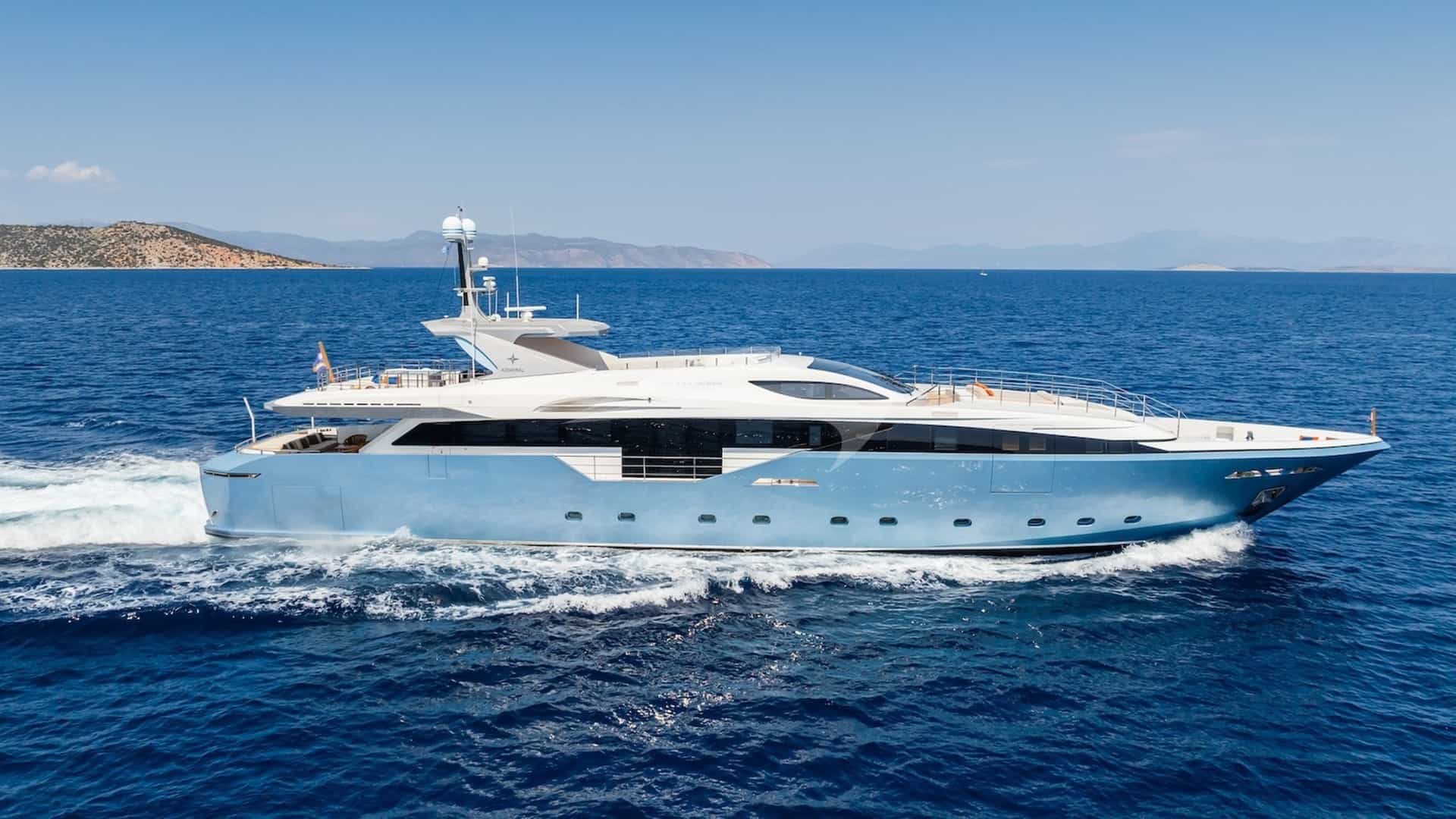
Three catalog yachts that fit Mediterranean — and why.
Mykonos yacht charter FAQs.
Tourlos or old harbour?+
JMK transfer?+
Nammos booking?+
Meltemi?+
Lead time?+
Delos day?+
What does it cost to charter a yacht in Mykonos?+
Which marina should we embark from in Mykonos?+
Continue from here.
Why charter Mykonos with us.
Independent brokerage with live inventory, transparent pricing, and a concierge that works the coast before you step aboard.
- 01Speed
Real-time availability
Live availability feed across 2,000+ yachts — hold and confirm in hours, not weeks.
- 02Trust
100% best-price guarantee
We do not mark up the charter fee. The price you see is the operator's price.
- 03Integrity
Independent advice
Our recommendations follow the boat, not a commission — owners pay us, not introducing brokers.
- 04Craft
Concierge depth
Restaurants, transfers, private guides, helicopters and beach clubs handled long before you board.
Tell us your dates and party — we return three live options within the day.
Ready to charter in Mykonos?
Tell us your dates, party size and what makes a perfect day on the water. We reply within one working day with a curated shortlist and a transparent quote.
How our Mykonos guide is compiled.
Prepared by the Blue Ocean Club editorial team from the cited destination and charter sources available for this page. This page is maintained by the Blue Ocean Club charter desk — editorial content, not an independent certification.
- Experience
Destination intelligence coverage
This guide currently connects 60 charter yachts on record. Counts describe records available to the page, not first-hand visits or live availability.
- Expertise
Editorial provenance
Prepared by the Blue Ocean Club editorial team from the cited destination and charter sources available for this page.
- Authoritativeness
Where the facts come from
No curated citation set is attached to this destination yet. Unsupported source claims are not added as a fallback.
- Trust
Last data refresh
The underlying destination record was last refreshed 25 July 2026. A data refresh is not presented as a human verification event.
- Limitation
What we never state
We do not treat database inventory as live availability and do not present unverified operator pricing or operator terms as confirmed facts. Availability, rates, taxes, berth suitability and charter terms are confirmed for the specific enquiry.