Blue Ocean Club
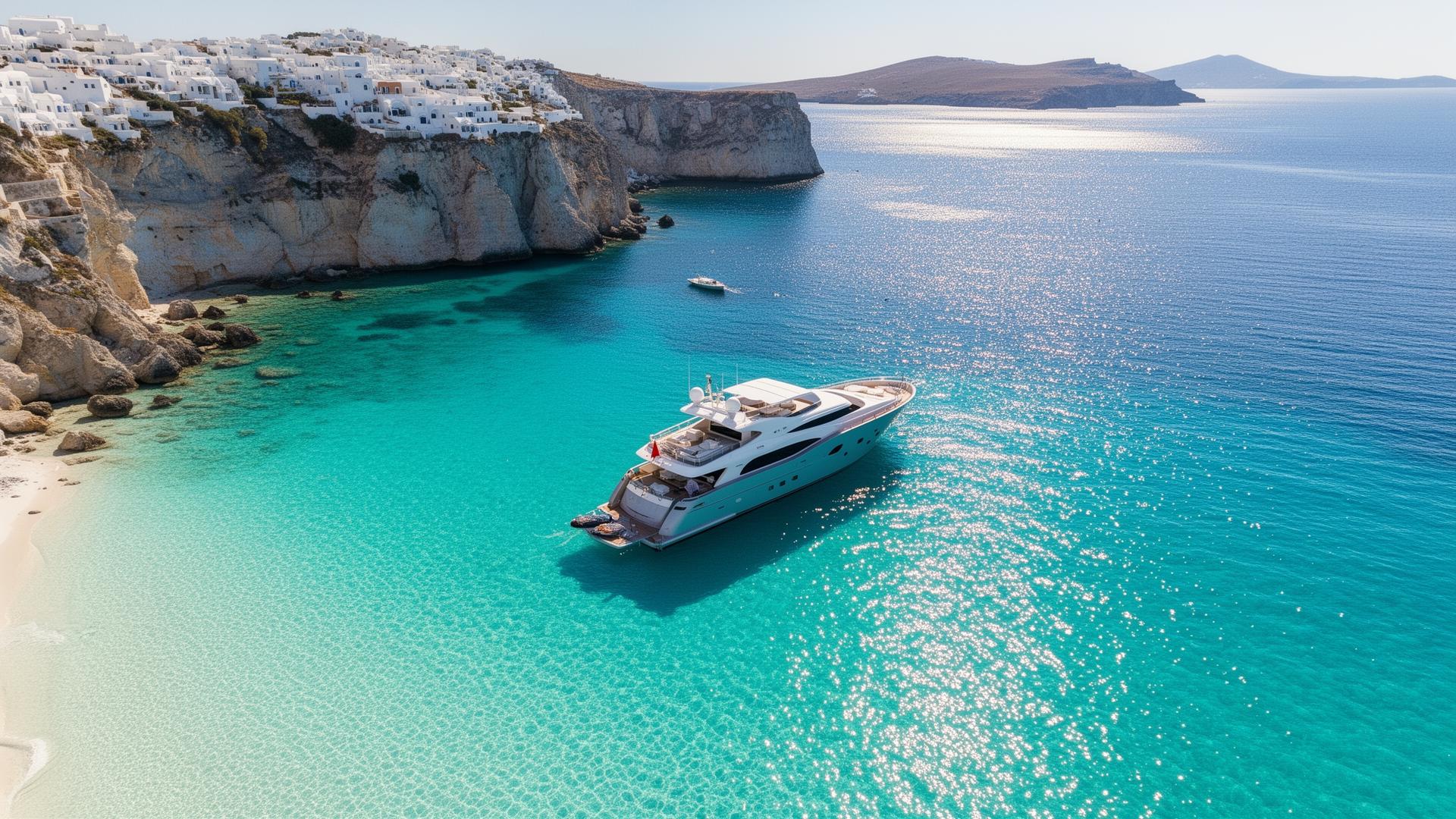
Luxury yacht charter Sri Lanka 2026 — crewed superyacht anchored on the Asia & Indian Ocean coast
Asia & Indian Ocean

Luxury Yacht Charter Sri Lanka 2026

Charter a luxury yacht for Sri Lanka — crewed motor yachts, sailing yachts and catamarans from Blue Ocean Club with real-time availability for 2026.

Find Your Yacht in Sri Lanka
Introduction

Why charter a yacht in Sri Lanka.

A luxury yacht charter Sri Lanka rewards guests with a combination you cannot replicate from a hotel: total privacy, an itinerary that flexes around your party, and access to coves, restaurants and reefs that road-bound travellers simply never see. Blue Ocean Club curates Sri Lanka cruises across motor yachts, sailing yachts, catamarans and superyachts — every option live-priced against the global live availability feed and presented with our 100% best-price guarantee.

Sri Lanka sits at the heart of one of the world's great cruising grounds. Days unfold at the pace of the sea: long swims off the platform, lunch at a beach club where your concierge has held the best table, an afternoon cruise to a quieter anchorage, cocktails on the bow as the light softens. The captain rewrites tomorrow's plan based on tonight's weather and your party's mood.

We work with a small list of crewed yacht charter Sri Lanka operators we know personally — captains we have cruised with, chefs whose tasting menus we have eaten, stewardesses who know your children's names by the end of day one. The result is a charter that feels less like a booking and more like a private invitation.

What to Expect

Yacht Charter in Sri Lanka — What to Expect

The Sri Lanka charter season runs from November through March, with warm settled days, calm mornings and a reliable afternoon breeze. Sea temperatures climb into the mid-20s°C through high summer and the prevailing winds rarely exceed a comfortable Force 4.

Signature anchorages, swim-only coves and a handful of marquee harbours form the backbone of any Sri Lanka sailing itinerary — your captain rotates between them daily based on wind, swell and the rhythm of your party. A crewed catamaran in the 50–70 ft range remains the most versatile choice for Sri Lanka, with shallow draft for tucked-away bays and the deck space families and groups expect. Couples often prefer a sailing yacht of 50–60 ft; larger parties step up to a motor yacht or superyacht with full crew.

Typical luxury yacht charter Sri Lanka cost starts from around €25,000 per week for a comfortable crewed catamaran and scales to €150,000–€500,000+ for a 40 m superyacht — base rates are exclusive of APA (usually 25–35%), fuel, VAT and crew gratuity. Our charter managers run live availability against your dates and present the best three options, side by side, with a 100% best-price guarantee. Minimum charter duration is seven nights in peak season; short-week and split itineraries are available in shoulder months. Tell us your dates, party size and preferred yacht style and we will revert within the day — by email, WhatsApp or a 20-minute call with the broker who will run your charter.

Best Time to Visit

When to charter in Sri Lanka.

The prime window for a yacht charter Sri Lanka runs November through March. Use the table below to balance weather, value and crowds.

MonthWeatherProsConsCrowd
January28–31°C, dryCalm seas, clear visibilityPeak pricesHigh
February28–31°C, dryIdeal diving conditionsAdvance booking essentialHigh
March29–32°C, dryWhale-shark season in placesWarm afternoonsModerate
April30–33°C, humidGlassy morningsHeat risingModerate
May30°C, transitionalQuieter anchoragesMonsoon edgeLow
October29°C, easing rainsLush landscapesOccasional showersLow
November28°C, settlingSeason reopensVariable windsModerate
Cruising Grounds

Top cruising areas & highlights of Sri Lanka.

A handful of signature experiences that define a charter on this coast.

01

Untouched archipelagos

Empty bays and limestone islets define the cruising landscape around Sri Lanka.

02

Cultural shore excursions

Private temple visits, market tours and guided heritage walks.

03

Diving & snorkelling

Some of the planet's richest reef ecosystems lie within easy reach.

04

Glassy sunrise cruising

Dawn departures across mirror-flat water are a signature of the region.

Sri Lanka is not a conventional charter ground; it’s an operational stopover with expeditionary charter potential. For the principal looking beyond the Med and Caribbean milk runs, it presents a compelling case, but it demands a different mindset. This is a destination for self-sufficient yachts, typically on a repositioning leg between Southeast Asia and the Red Sea/Med, or for the new wave of crewed catamarans setting up for a specific season. The bureaucracy is significant, infrastructure is developing, and success hinges on planning and the right local agent. What you get in return is raw, culturally dense, and uncrowded cruising, with opportunities—like combining blue whale sightings with a leopard safari—that are unavailable anywhere else.

The Cruising Ground

The island’s cruising potential is bisected by two distinct monsoon seasons, creating two primary operational zones with opposing windows.

The Southwest Coast (December to April): This is the classic winter season run. The coastline from Colombo down to Hambantota is the focus.

  • Galle: The centerpiece of any southwest itinerary. Galle Harbour provides the only real protected berthing for large yachts in the region, right at the foot of the UNESCO World Heritage Galle Fort. The value here is using the yacht as a secure, private base to explore the fort's colonial-era laneways, boutique hotels, and restaurants.
  • Mirissa: Approximately one hour's cruise east of Galle. The anchorage here is functional, but the draw is singular: the world’s most reliable sightings of blue whales. From December through April, the continental shelf is close to shore, creating a feeding ground. The yacht provides a superior, private platform, far removed from the high-volume local tourist boats.
  • Weligama: A wide, sweeping bay just west of Mirissa, known for its surf breaks. A good anchorage for a day of water sports and observing the stilt fishermen, though it offers limited protection in a swell.
  • Hambantota: Primarily an industrial deepwater port. Its strategic value for a charter yacht is its proximity to Yala and Udawalawe National Parks. A yacht can anchor or berth here, and principals can be transferred via pre-arranged luxury vehicles for a world-class leopard safari, returning to the vessel the same or next day.

The East Coast (May to September): As the southwest monsoon (Yala) hits, operations shift to the east coast, which enjoys dry, stable weather.

  • Trincomalee: The crown jewel of the east. It’s one of the world's largest and finest natural deep-water harbours. The infrastructure is less developed than Galle's, but the cruising is arguably better. The massive, protected bay offers numerous anchorages. Key sites include Swami Rock (Koneswaram Temple) and the nearby Pigeon Island National Park, which offers the best snorkeling and diving in Sri Lanka, though it's not comparable to the Maldives. The vibe is quieter, more undeveloped, and feels more expeditionary.

Bases and Clearance

This is the primary operational hurdle. Clearance is complex, time-consuming, and cannot be undertaken without a licensed local agent. Do not attempt to handle this directly.

  • Ports of Entry: Official clearance can be done at Colombo, Galle, Trincomalee, and Hambantota. Galle is the most practical and aesthetically pleasing entry for charter yachts focusing on the southwest. Trincomalee is the logical choice for the east coast season. Colombo is a busy commercial port with limited appeal for luxury yachts, though it is a necessary stop for certain logistics and crew changes.
  • The Agent: A licensed Sri Lankan ship agent is non-negotiable. They are the sole interface with the Sri Lanka Ports Authority (SLPA), Customs, and Immigration. The agent will handle all advance notifications, crew/guest manifests, and permit applications. This process should be initiated at least 3-4 weeks in advance. The agent’s fee will be a line item on the APA; expect around $2,000 - $5,000 USD depending on the complexity and duration of the stay.
  • Paperwork: Standard documentation is required: registration, insurance, full crew and guest passport details, and a detailed itinerary. The itinerary is key; cruising permits are issued based on this proposed plan. Deviations require approval. The SLPA is notoriously bureaucratic; expect delays and be prepared for requests for additional information.
  • On Arrival: Even with pre-clearance, expect officials to board the vessel at the first port of call. Professionalism and patience from the captain and crew are paramount.

Where to Drop the Hook

Galle: Berthing is typically stern-to along the main pier in Galle Harbour. It’s functional, not luxurious. The real experience is inside the Fort. Have the agent arrange golf carts for transport.

  • Dining: Land-based dining is a highlight. Secure reservations at The Fort Printers, a high-end hotel with excellent courtyard dining, or the Amangalla for refined colonial-era atmosphere and service. For a more casual sundowner, the ramparts offer several options.

Mirissa/Weligama: These are open-roadstead anchorages. The yacht serves as the base of operations.

  • Whale Watching: The yacht’s tender or a dedicated, high-quality local guide boat (arranged by the agent) can be used for close approaches. The yacht itself can position in the migration corridor for comfortable, stable viewing. This offers an experience of privacy and luxury impossible to achieve on the crowded local boats.

Hambantota/Yala National Park: The anchorage is in the industrial port, so it’s purely logistical.

  • Yacht-to-Safari: The agent will coordinate with a top-tier ground operator like Leopard Trails or Noel Rodrigo's Leopard Safaris. This involves a chauffeured transfer in a luxury SUV (approx. 45-60 mins) to the park entrance or a luxury tented camp. A full-day or overnight safari can be arranged, with guests returning to the security and comfort of the yacht.

Trincomalee: Anchor inside the main harbour, in one of several protected coves.

  • Dutch Bay: A popular and scenic anchorage near the town.
  • Pigeon Island: A short tender ride from the main anchorages. The island is a marine national park. Permits are required, which the agent will arrange. The snorkeling is decent, with blacktip reef sharks and turtles.

The Yachts That Work Here

The market consists of two distinct categories:

  1. Large Transiting Motor Yachts (50m+): These are vessels on repositioning voyages (e.g., Phuket to the Maldives/Suez). Sri Lanka is a 3- to 7-day stop. Their size, self-sufficiency, fuel range, and professional crew are essential for handling the limited support infrastructure. They have the storage for extensive provisioning and the stability for open-ocean passages.
  2. Crewed Catamarans (50-80ft): A small but growing market of professionally crewed catamarans are establishing seasonal bases. Their shallow draft is an advantage for exploring closer to the coast, and their fuel efficiency is a bonus given fuel costs. They offer a more intimate charter experience but require more careful logistical planning for provisioning and fuel. They are the ideal platform for a dedicated 7-10 day charter focused on one coast.

Weather and Timing

Understanding the dual monsoons is critical for itinerary planning.

  • Southwest Monsoon (Yala): Runs from approximately May to September. Brings heavy rain and rough seas to the west and south coasts (Galle, Mirissa). This is the off-season for this region.
  • Northeast Monsoon (Maha): Runs from approximately December to February. Brings rain and wind to the east coast (Trincomalee). This is the off-season there.

Operational Windows:

  • West & South Coast (Galle, Mirissa): Prime charter season is December to April. Weather is dry, sunny, and seas are calm. This aligns perfectly with the blue whale migration.
  • East Coast (Trincomalee): Prime charter season is May to September. The weather is excellent while the rest of the country is experiencing the monsoon.

Pricing and APA

Pricing reflects the expeditionary nature of the destination and the type of yacht required. All figures are estimates for 2026.

  • Crewed Catamarans (60-75ft): Expect charter fees from €40,000 - €80,000 per week.
  • Large Motor Yachts (55m+): Charter fees will range from €250,000 - €500,000+ per week, in line with their global rates. These are rarely available locally and must be caught on a passage.

APA (Advanced Provisioning Allowance): Plan for a higher APA than in the Mediterranean or Caribbean. A standard 30% will not suffice.

  • Recommended APA: 35-40%.
  • Justification:
    • Fuel: Longer distances between points of interest.
    • Agent Fees & Permits: Mandatory clearance, cruising, and national park permit costs are significant.
    • Provisioning: Limited local supply of luxury goods (specific wines, cheeses, meats). Expect higher costs for importing items for the charter.
    • Inland Logistics: Costs for high-end vehicle transfers, safari guides, and park entry fees will be drawn from the APA.
    • Currency: The charter fee is in EUR/USD, but many local expenses (agent disbursements, fresh produce) are paid in Sri Lankan Rupees (LKR), requiring currency conversion management by the captain and agent.

Operational Notes / What to Know

  • Mindset is Expeditionary: This is not St. Barths. Service ashore can be slow, infrastructure is limited, and plans must be flexible. The crew must be resourceful and experienced in remote cruising areas.
  • Provisioning: This is a primary operational hurdle. The captain and broker must work closely with the agent far in advance. While local produce is excellent, specialty items must be air-freighted in, with associated costs and customs complexities.
  • Security: The political and economic situation has stabilized, but it remains a point of awareness. Using a reputable agent who can provide accurate, on-the-ground intelligence is key. Onboard security protocols should be maintained as standard practice.
  • Bunkering: Fuel is available at major ports but quality can be variable. It’s essential to work with the agent to ensure reliable, clean fuel. Testing is recommended. Most large MYs will plan their fuel strategy around major international bunkering stops before or after Sri Lanka.
  • Crew Visas: Ensure all crew have the correct visas for Sri Lanka. The process can be cumbersome, and rules change. The local agent is the definitive source for current requirements.

Sample Itineraries

Suggested routes for Sri Lanka.

Starting points — every itinerary is rewritten around your party, weather and the captain's local knowledge.

7 Days

The Classic Sri Lanka Week

Route map for The Classic Sri Lanka Week in Sri Lanka
  1. Day 1Embarkation, welcome lunch on board, short cruise to a quiet first anchorage.
  2. Day 2Morning swim, lunch at a coastal restaurant by tender, afternoon cruise.
  3. Day 3Full day at a marquee island — beach club lunch, sunset cocktails ashore.
  4. Day 4Quiet anchorage day — water toys, paddleboarding, private chef dinner.
  5. Day 5Cultural town visit, historic old harbour, dinner in a candlelit courtyard.
  6. Day 6Long swim morning, lunch under way, final marquee anchorage.
  7. Day 7Champagne breakfast, gentle return to base, disembarkation.
10 Days

Extended Sri Lanka Cruising

Route map for Extended Sri Lanka Cruising in Sri Lanka
  1. Day 1Embarkation, settle aboard, short repositioning.
  2. Day 2Two days exploring the most photogenic coastline.
  3. Day 3Cultural day ashore with a private guide.
  4. Day 4Diving / snorkelling day on the best reef in range.
  5. Day 5Long cruising day to a quieter archipelago.
  6. Day 6Beach-club lunch and shopping in a marquee port.
  7. Day 7Sunset crossing, chef's tasting menu on the aft deck.
  8. Day 8Final swim morning, leisurely return to base.
  9. Day 9Disembarkation after breakfast on board.
14 Days

The Grand Sri Lanka Voyage

Route map for The Grand Sri Lanka Voyage in Sri Lanka
  1. Day 1Embarkation and welcome dinner on board.
  2. Day 2Week one: classic seven-day route in slow motion — twin nights at the best anchorages.
  3. Day 3Repositioning across to a neighbouring cruising ground.
  4. Day 4Three days exploring a less-visited archipelago.
  5. Day 5Cultural shore day with a private historian.
  6. Day 6Return cruise via marquee ports with beach-club lunches.
  7. Day 7Final sunset crossing and farewell dinner.
Experiences

Things to do on your Sri Lanka charter.

From quiet anchorages to marquee beach clubs — a sample of what we routinely arrange.

  • Private beach-club lunches at the coast's most coveted tables
  • Cellar-driven dinners with the yacht's chef sourcing from local markets
  • Snorkelling, scuba diving and underwater scooter tours of nearby reefs
  • E-foiling, seabobbing, wakeboarding and paddleboarding from the swim platform
  • Private historian or sommelier-led shore excursions in old towns
  • Helicopter transfers to inland vineyards, golf courses and Michelin restaurants
  • Spa treatments and yoga on the foredeck at anchor
  • Tender picnics on hidden beaches reachable only by water
  • Sunset cocktails on the bow with the captain charting tomorrow's course
  • Stargazing nights in remote anchorages well away from coastal light
Yacht Types

Charter types suitable for Sri Lanka.

Motor yachts

Distance, range and interior volume — ideal for guests prioritising comfort, climate control and easy long crossings.

Sailing yachts

The most romantic way to charter — silent passages under canvas, classic teak decks and timeless aesthetics.

Catamarans

Two hulls equal stability, shallow draft and generous deck living space — a favourite for families and groups of 8–12.

Superyachts

40m and beyond: full-time chef, spa, gym, dive team, helicopter pad and water-toy hangars to rival a private resort.

Charter Cost

What does a Sri Lanka yacht charter cost?

Weekly base rates for a Sri Lanka yacht charter vary by yacht type, size and season. Below are typical ranges our clients see — exclusive of APA (Advance Provisioning Allowance, usually 25–35%), fuel, VAT and crew gratuity.

Yacht tierWeekly base (EUR)Notes
Sailing yacht (40–55 ft)€8,000 – €18,000Crewed or bareboat, ideal for couples and small families.
Catamaran (45–60 ft)€15,000 – €40,000Space and stability for 6–10 guests; the most popular choice in many regions.
Motor yacht (60–90 ft)€35,000 – €90,000Crewed, faster cruising radius, full service on board.
Superyacht (90 ft +)€100,000 – €500,000+Full crew, tenders and toys; pricing scales with length, build year and brand.
What affects the final price
  • Season — peak July / August commands a 20–40% premium over shoulder months.
  • Yacht age, refit year and brand reputation.
  • APA (Advance Provisioning Allowance) covers fuel, food, dockage and concierge extras.
  • Local VAT and cruising taxes depending on flag and itinerary.
  • Crew gratuity, customarily 5–15% of the base charter fee.
Team Pick

A personal recommendation from Priya.

Sri Lanka is one of the destinations I quietly hope clients ask me about — there are corners of it most charter brochures never show. Late June and early September are my personal favourite weeks — warm water, lighter traffic, and the crews are at their sharpest. Happy to walk you through the itinerary personally — there are a few stops worth building the week around.
Priya Anand, Indian Ocean & Asia Specialist at Blue Ocean Club
Priya Anand
Indian Ocean & Asia Specialist
Questions

Sri Lanka yacht charter FAQs.

How much does a luxury yacht charter in Sri Lanka cost?+
Weekly rates in Sri Lanka typically range from €25,000 for a mid-size sailing yacht or catamaran up to €350,000+ for a 50m superyacht. Final cost depends on yacht size, age, season and the inclusion of expenses such as fuel, dockage and provisioning (APA). Blue Ocean Club presents a fully transparent quotation with our 100% best-price guarantee.
What is the best yacht type for Sri Lanka?+
Motor yachts cover longer distances quickly and suit guests who prioritise interior comfort. Catamarans offer stability, generous deck space and shallow draft access to coves. Classic sailing yachts deliver the most authentic experience. For families and groups of eight or more we frequently recommend a 25–40m motor yacht or large catamaran in Sri Lanka.
Do I need a sailing licence to charter a yacht in Sri Lanka?+
No. Every yacht we present is a crewed charter — captain, chef, deckhand and stewardess are included. You arrive, embark, and the crew handles navigation, meals, water toys and concierge logistics.
What is included in a crewed yacht charter?+
The base charter fee covers the yacht itself, the professional crew, their wages, insurance and the use of all standard water toys on board. Fuel, food, beverages, dockage, port taxes and concierge bookings are settled through an Advance Provisioning Allowance (APA) — typically 25–35% of the charter fee — with unused funds returned at the end of the cruise.
When is the best time of year to charter a yacht in Sri Lanka?+
The prime window in Sri Lanka runs November through March, when the sea is warm, the wind reliable and the coast at its most photogenic. Shoulder months offer excellent value and noticeably quieter anchorages.
Which are the best anchorages and bays in Sri Lanka?+
Skippers typically rotate between a handful of signature anchorages in Sri Lanka — sheltered swimming bays for lunch, a postcard cove for sunset and a lively port for dinner. Your captain tailors the daily plan to wind, swell and your party's pace, and our concierge holds back-up berths at the most in-demand marinas.
What are the entry requirements, visas and cruising permits for Sri Lanka?+
Most guests arrive on a tourist visa or under a visa-waiver agreement. The yacht's captain handles maritime clearance, crew lists and any cruising permits on your behalf. We send a pre-charter checklist covering passports, visa status, customs declarations and any local tourism tax so embarkation day is friction-free.
What does a typical 7-night Sri Lanka yacht charter itinerary look like?+
A classic seven-night charter in Sri Lanka blends marquee harbours, quiet swim stops and one or two long anchorage nights. We draft a sample route with your captain before boarding and refine it daily on board — guests typically cover 120–200 nautical miles across the week without ever feeling rushed.
Can you arrange a private chef and tailored menus on board in Sri Lanka?+
Yes. Every crewed yacht we recommend in Sri Lanka carries a professional chef. We share a detailed preference sheet ahead of your charter — covering dietary requirements, favourite wines, children's menus, dinner-party concepts and shore-side restaurant reservations — so the galley is provisioned to your taste before you step aboard.
How far in advance should I book a yacht in Sri Lanka?+
For peak weeks (mid-July to late-August in the Mediterranean, Christmas and Easter in the Caribbean) the best yachts are typically reserved 6–9 months ahead. Shoulder-season weeks can be confirmed comfortably 1–3 months out. Our real-time availability feed surfaces last-minute openings as they appear.
Are children welcome on board?+
Absolutely. Many of our crews are highly experienced with families — child-safe netting, paddleboards, sea-bobs, inflatable toys and tailored menus are routinely arranged. We can also organise a dedicated nanny or tutor on request.
What water toys and tenders are typically available in Sri Lanka?+
Standard inventories include a tender (often 6–9m), seabobs, e-foils, jet-skis, paddleboards, wakeboards, snorkelling gear and inflatable platforms. Larger yachts carry diving equipment, jet-surfs, submarines and full PADI-rated dive teams.
Can you arrange helicopter, jet or private transfers?+
Yes. We routinely arrange door-to-yacht transfers — private jet, helicopter, chauffeured car or marina pick-up — so your party steps from runway to passerelle without friction.
Is gratuity included in the Sri Lanka charter fee?+
Crew gratuity is customary and discretionary, typically 5–15% of the base charter fee, settled at the end of the cruise in cash or by transfer. We provide clear guidance ahead of disembarkation.
What happens if the weather turns during my Sri Lanka charter?+
Your captain monitors forecasts continuously and adjusts the itinerary to keep you on calm water and in beautiful anchorages. The cruising plan is always flexible — a charter is a route sketch, not a fixed schedule.
Why Blue Ocean Club

Why charter Sri Lanka with us.

01

Real-time availability

Live availability feed across 2,000+ yachts — hold and confirm in hours, not weeks.

02

100% best-price guarantee

We do not mark up the charter fee. The price you see is the operator's price.

03

Independent advice

Our recommendations follow the boat, not a commission — owners pay us, not introducing brokers.

04

Concierge depth

Restaurants, transfers, private guides, helicopters and beach clubs handled long before you board.

Ready When You Are

Ready to charter in Sri Lanka?

Tell us your dates, party size and what makes a perfect day on the water. We reply within one working day with a curated shortlist and a transparent quote.

Tapping submit will open WhatsApp with your enquiry pre-filled — send the message to reach us.

Related

Match a yacht type to Sri Lanka.

Internal link web

Plan a Sri Lanka charter — or jump anywhere in the archive

The Blue Ocean Club archive — destinations, sample itineraries, seasonal guides, marquee events, marinas and editorial reading. Everything cross-references everything else, so you can plan a week from any starting point.

Popular destinations
Editorial reading
Sample itineraries
Seasonal guides
Marquee events
Featured marinas
By yacht type
Regional charter hubs