Blue Ocean Club
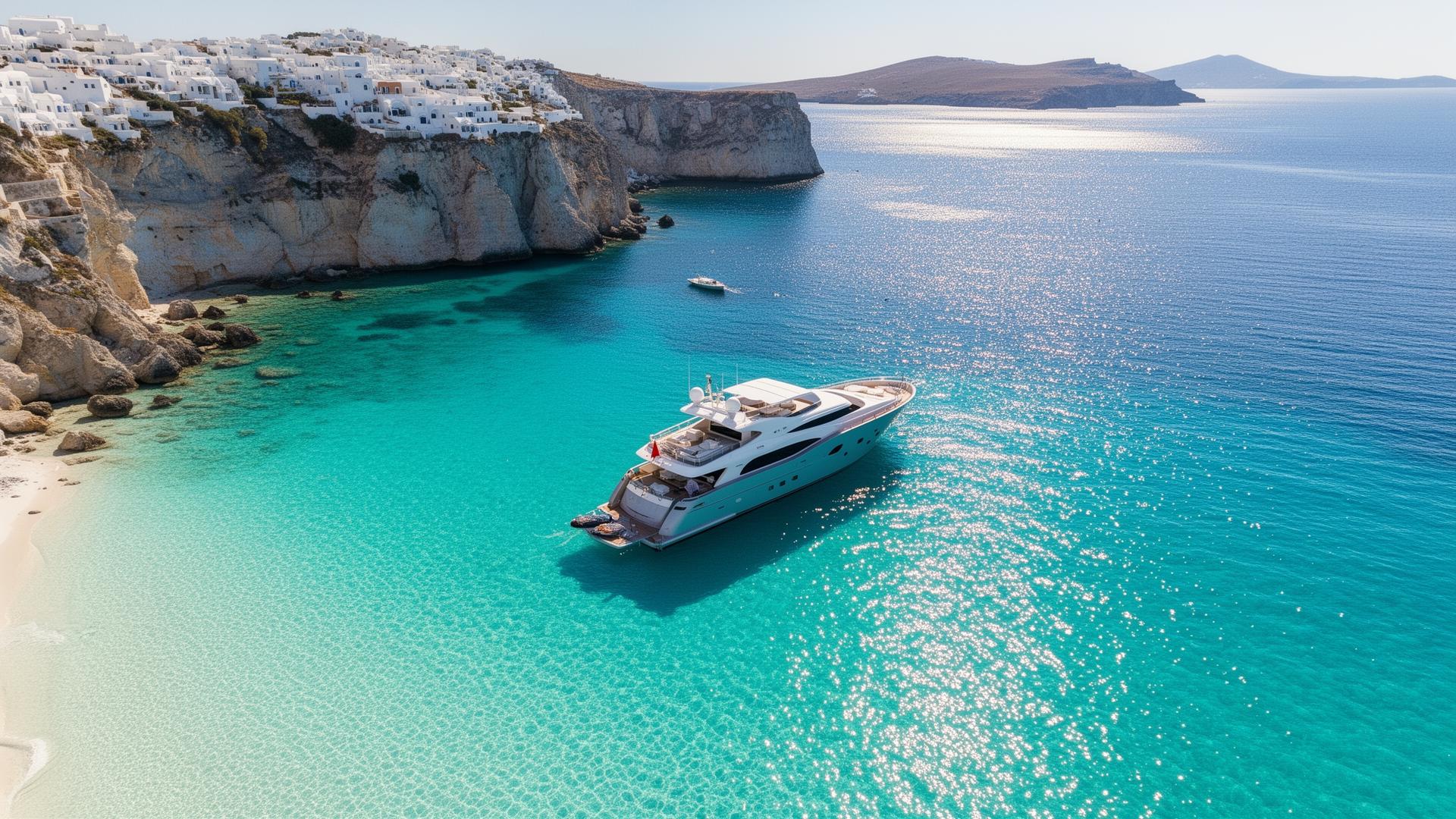
Luxury yacht charter US Virgin Islands 2026 — crewed superyacht anchored on the Caribbean & Bahamas coast
Caribbean & Bahamas

Luxury Yacht Charter US Virgin Islands 2026

Charter a luxury yacht for US Virgin Islands — crewed motor yachts, sailing yachts and catamarans from Blue Ocean Club with real-time availability for 2026.

Find Your Yacht in US Virgin Islands
Introduction

Why charter a yacht in US Virgin Islands.

A luxury yacht charter US Virgin Islands rewards guests with a combination you cannot replicate from a hotel: total privacy, an itinerary that flexes around your party, and access to coves, restaurants and reefs that road-bound travellers simply never see. Blue Ocean Club curates US Virgin Islands cruises across motor yachts, sailing yachts, catamarans and superyachts — every option live-priced against the global live availability feed and presented with our 100% best-price guarantee.

US Virgin Islands sits at the heart of one of the world's great cruising grounds. Days unfold at the pace of the sea: long swims off the platform, lunch at a beach club where your concierge has held the best table, an afternoon cruise to a quieter anchorage, cocktails on the bow as the light softens. The captain rewrites tomorrow's plan based on tonight's weather and your party's mood.

We work with a small list of crewed yacht charter US Virgin Islands operators we know personally — captains we have cruised with, chefs whose tasting menus we have eaten, stewardesses who know your children's names by the end of day one. The result is a charter that feels less like a booking and more like a private invitation.

What to Expect

Yacht Charter in US Virgin Islands — What to Expect

The Bahamas charter window runs November through May, with peak conditions December through April — 25–28°C, 10–15 knot trades and exceptional water clarity. The Exumas in particular deliver glassy mornings and turquoise sandbanks unmatched anywhere in the Caribbean.

A Bahamas sailing itinerary typically threads the Exumas chain — Highbourne, Norman's Cay, Staniel Cay (swimming pigs, Thunderball Grotto), Big Major, Compass Cay (the friendly nurse sharks) and Black Point — finishing with longer hops south to Long Island or north to Eleuthera. A shallow-draft crewed catamaran of 55–80 ft is the Bahamas default — most Exumas anchorages dry out outside the channels. Motor yachts and superyachts of 30 m + charter widely too and are ideal for guests linking Nassau, the Exumas and the Abacos in one week.

Typical luxury yacht charter US Virgin Islands cost starts from around €25,000 per week for a comfortable crewed catamaran and scales to €150,000–€500,000+ for a 40 m superyacht — base rates are exclusive of APA (usually 25–35%), fuel, VAT and crew gratuity. Our charter managers run live availability against your dates and present the best three options, side by side, with a 100% best-price guarantee. Minimum charter duration is seven nights in peak season; short-week and split itineraries are available in shoulder months. Tell us your dates, party size and preferred yacht style and we will revert within the day — by email, WhatsApp or a 20-minute call with the broker who will run your charter.

Best Time to Visit

When to charter in US Virgin Islands.

The prime window for a yacht charter US Virgin Islands runs December through April. Use the table below to balance weather, value and crowds.

MonthWeatherProsConsCrowd
November27°C, trade windsSeason opens, fresh fleetSome squallsLow
December27°C, sunnyFestive bookings, calm seasHoliday peak ratesHigh
January26°C, idealSteady trade winds, crisp daysHigh demandHigh
February26°C, dryBest visibility for divingRegatta-week congestionHigh
March27°C, breezyLong sunny days, spring breakCrowded popular baysModerate
April28°C, warmEaster charters, calmer windsSome yachts repositioningModerate
May29°C, hotEnd-of-season valueHurricane watch from JuneLow
Season Guide

Caribbean & BVI charter season, events & booking calendar

Month-by-month weather, regatta dates, beach-club openings and the exact weeks our brokers recommend for this cruising ground.

View Season Guide →
Cruising Grounds

Top cruising areas & highlights of US Virgin Islands.

A handful of signature experiences that define a charter on this coast.

01

Powder-soft anchorages

Slip between deserted cays and protected swimming bays unique to US Virgin Islands.

02

World-class reefs

Coral gardens, drop-offs and wreck dives within minutes of the yacht.

03

Beach-club lunches

Front-row tables at the region's most coveted barefoot clubs, reserved by your concierge.

04

Trade-wind sailing

Reliable 15–20 knots make this one of the world's great cruising grounds.

The US Virgin Islands present a straightforward operational advantage for the US-based charter client. The core value is the elimination of international clearance procedures for American guests, effectively turning a Caribbean yacht charter into a domestic trip. This simple fact streamlines logistics, removes passport and visa concerns for the primary, and opens up a high-quality cruising ground that can be accessed via direct flights to St. Thomas (STT). While often viewed as a stepping stone to the British Virgin Islands, the USVI is a formidable destination in its own right, offering a compelling mix of protected anchorages, high-end shore-based infrastructure, and less crowded waters than its immediate neighbor. The key is understanding how to leverage its unique position—both geographically and jurisdictionally.

The Cruising Ground

The territory is a tripartite offering, each with a distinct operational profile.

St. Thomas: This is the logistical heart. The Cyril E. King Airport (STT) makes for simple guest arrivals and departures. The island is the hub for provisioning, fuel, and technical support. Its coastline is dotted with bays and anchorages, but its primary function for most charters is as the start and end point. Charlotte Amalie offers duty-free shopping and dining, while the east end provides quick access to St. John and the BVI. The trade-off for this convenience is population density; it is the most developed and busiest of the islands.

St. John: This is the asset. Over 60% of the island is the Virgin Islands National Park, preserving its bays and hillsides from development. This translates to a high concentration of pristine, protected anchorages with clear water and abundant marine life. The north shore is a classic charter route, a chain of world-class bays like Maho, Francis, and Caneel, all within a few nautical miles of each other. The south side offers more exposed, rugged beauty. The primary settlement, Cruz Bay, is a small, energetic town with customs facilities, while the quieter Coral Bay on the east end offers a more traditional, off-grid Caribbean feel.

St. Croix: The outlier, and a commitment. Located approximately 40 nautical miles south of St. Thomas, the passage is an open-water sail that is often a beat to windward. This transit alone filters out most casual charter itineraries. For clients with more time (10+ days) or on a larger, faster motor yacht, St. Croix offers a different flavor entirely. Its Danish colonial architecture in Christiansted and Frederiksted is more pronounced, the culinary scene is arguably the most sophisticated in the USVI, and the diving—particularly "The Wall"—is world-class. Buck Island Reef National Monument, just off the north shore, is a major draw, but requires a permit.

Bases and Clearance

The logistical simplicity for US citizens is the defining feature.

  • Primary Bases: St. Thomas is the nexus. Yacht Haven Grande (YHG) in Charlotte Amalie is a premier deep-water marina capable of berthing yachts up to 200m, offering in-slip fueling, high-end provisioning, and security. On the east end, American Yacht Harbor (AYH) in Red Hook is a bustling hub for yachts up to 120 feet and offers immediate access to St. John's Pillsbury Sound. Both are primary embarkation points.
  • US Citizen Clearance: None required. For an all-American guest list on a US-flagged yacht, a USVI-only itinerary is legally a domestic voyage. No passports, no customs, no immigration. This is a significant operational and psychological benefit for many principals.
  • Non-US Citizen Clearance: Standard US entry rules apply. Guests must have a valid passport and the appropriate visa (B1/B2) or ESTA authorization prior to arrival. This must be verified well in advance of booking.
  • USVI to BVI Transit: This is the most common operational question. The process involves clearing out of the USVI (typically at Cruz Bay, St. John) and clearing into the BVI (typically at West End, Tortola, or Great Harbour, Jost Van Dyke). This process consumes a minimum of 3-4 hours, including transit time.
  • Part B BVI Cruising Permits: This is a key piece of insider knowledge. The BVI government allows USVI-based commercial charter yachts to purchase a "Part B" permit. This allows the yacht to enter BVI waters for a short period (typically under 72 hours) without needing the full, expensive BVI trade license. The yacht cannot embark or disembark guests in the BVI under this permit. It is strictly for a mid-charter visit. This makes a two-day jaunt to Jost Van Dyke or Norman Island feasible, but it must be planned and the permit secured in advance by the yacht's management.

Where to Drop the Hook

The majority of high-quality anchorages are concentrated around St. John.

  • Christmas Cove, Great St. James: The quintessential first or last night anchorage, located just off the east end of St. Thomas. Excellent protection, a healthy turtle population, and home to Pizza Pi, the floating pizza boat. It’s a novelty that consistently delivers.
  • Maho Bay, St. John: Inside the National Park, this is the go-to spot for calm, protected waters and guaranteed turtle sightings. Guests can snorkel directly from the yacht's swim platform. The beach is a short swim away. It operates on a National Park mooring ball system; anchoring is restricted.
  • Francis Bay, St. John: Just next to Maho, Francis is often less crowded and offers a larger mooring field. It provides a similar experience with excellent snorkeling and turtle viewing.
  • Coral Bay, St. John: Located on the eastern side of the island, this large harbor has a different character—more local, less polished. It’s a well-protected anchorage with a funky vibe ashore (e.g., Skinny Legs Bar & Grill). It’s an excellent staging point for trips to the BVI or for exploring the more remote eastern cays.
  • Magens Bay, St. Thomas: A perfectly shaped, mile-long white sand beach. While visually stunning, it’s operationally challenging. It can be subject to north swells in the winter and is a primary destination for cruise ship excursions, making it crowded. Best visited by the tender for a few hours on a non-cruise ship day.
  • Buck Island, St. Croix: A must-do if the itinerary includes St. Croix. This National Monument has a marked underwater snorkeling trail and pristine beaches. Access is permit-controlled, which the yacht's crew will manage. It's a day-only area; anchoring overnight is prohibited.

The Yachts That Work Here

Draft and flagging are the key considerations.

  • Sailing Catamarans (50-80 ft / 15-25m): This is the dominant platform for a reason. Brands like Sunreef, Lagoon, and Fountaine Pajot offer immense deck space, stability at anchor, and a shallow draft (typically <2m) that is essential for accessing the best bays and mooring fields in the National Park. They are efficient and provide an ideal indoor/outdoor living experience.
  • Motor Yachts (70-150 ft / 22-45m): The speed of a motor yacht allows for more ambitious itineraries, making a St. Croix run or a BVI day trip more comfortable. However, draft becomes a critical factor. A yacht drawing over 8 feet (2.5m) will be restricted from many of the prime St. John anchorages. Planing hulls from builders like Sunseeker and Pershing are popular for shorter trips, while semi-displacement yachts offer more volume and comfort.
  • Flagging & The Jones Act: This is a non-negotiable legal reality. Only US-flagged vessels can legally transport passengers for hire between two US ports (e.g., St. Thomas to St. John). A foreign-flagged yacht (e.g., Cayman or Marshall Islands) with US guests must either (a) start or end the charter in a foreign port (like the BVI), or (b) touch a foreign port during the charter. The aforementioned BVI day trip satisfies this requirement, "cleansing" the voyage and making it a popular workaround for the high-quality foreign-flagged fleet based in the area.

Weather and Timing

  • Prime Season (December - April): This is the high season. Expect stable weather with consistent easterly trade winds (15-25 knots), lower humidity, and minimal rainfall. This is also the busiest and most expensive period.
  • Shoulder Season (May - June, November): Excellent value. The weather is generally still very good, though May and June can be hotter with lighter winds. Crowds thin out significantly. November can see the tail end of the rainy season but is often beautiful.
  • Hurricane Season (July - October): Not recommended. While a storm is not a daily occurrence, the risk is high. Most crewed yachts migrate south to Grenada or north to New England. Insurance clauses for named storms are strict. The heat and humidity are oppressive, and many shore-side establishments close.

Pricing and APA

Rates are for a 7-night charter and are exclusive of running expenses. Pricing is projected for 2026 and subject to change. All figures are in USD.

  • Crewed Sailing Catamarans (60-75 ft): $40,000 - $85,000 per week.
  • Crewed Motor Yachts (80-110 ft): $70,000 - $130,000 per week.
  • Crewed Motor Yachts (120ft+): $140,000 - $300,000+ per week.
  • APA (Advanced Provisioning Allowance): The standard request is 35%. This may seem high, but provisioning in the USVI is more expensive than in the mainland US. Fuel for motor yachts, National Park fees, BVI cruising taxes (if applicable), and premium marina nights at YHG can quickly consume the allowance.
  • Tax: The USVI imposes a 4% charter tax on the gross charter fee, which is typically itemized on the invoice.

Operational Notes / What to Know

  • Provisioning: While expensive, the quality and variety available in St. Thomas are excellent. Suppliers like Moe's Fresh Market and Gourmet Gallery can source high-end items, but advance notice is critical. Expect to pay a premium.
  • National Park Moorings: Most of the prime anchorages in St. John are part of the National Park and use a mooring ball system. Anchoring is prohibited in these zones to protect seagrass and coral. The balls are first-come, first-served. A skilled captain will know the daily rhythms and plan accordingly to secure a spot. Fees are paid via an online system by the crew.
  • Connectivity: This has improved dramatically. AT&T is the dominant local carrier, and US domestic plans work seamlessly. However, service is spotty in remote anchorages. The widespread adoption of Starlink Maritime across the charter fleet has rendered this mostly a non-issue for on-board connectivity.
  • Currency & Power: The currency is the US Dollar. Onboard power systems are standard US (110V/60Hz), simplifying life for American guests and their electronics.
Sample Itineraries

Suggested routes for US Virgin Islands.

Starting points — every itinerary is rewritten around your party, weather and the captain's local knowledge.

7 Days

The Classic US Virgin Islands Week

Route map for The Classic US Virgin Islands Week in US Virgin Islands
  1. Day 1Embarkation, welcome lunch on board, short cruise to a quiet first anchorage.
  2. Day 2Morning swim, lunch at a coastal restaurant by tender, afternoon cruise.
  3. Day 3Full day at a marquee island — beach club lunch, sunset cocktails ashore.
  4. Day 4Quiet anchorage day — water toys, paddleboarding, private chef dinner.
  5. Day 5Cultural town visit, historic old harbour, dinner in a candlelit courtyard.
  6. Day 6Long swim morning, lunch under way, final marquee anchorage.
  7. Day 7Champagne breakfast, gentle return to base, disembarkation.
10 Days

Extended US Virgin Islands Cruising

Route map for Extended US Virgin Islands Cruising in US Virgin Islands
  1. Day 1Embarkation, settle aboard, short repositioning.
  2. Day 2Two days exploring the most photogenic coastline.
  3. Day 3Cultural day ashore with a private guide.
  4. Day 4Diving / snorkelling day on the best reef in range.
  5. Day 5Long cruising day to a quieter archipelago.
  6. Day 6Beach-club lunch and shopping in a marquee port.
  7. Day 7Sunset crossing, chef's tasting menu on the aft deck.
  8. Day 8Final swim morning, leisurely return to base.
  9. Day 9Disembarkation after breakfast on board.
14 Days

The Grand US Virgin Islands Voyage

Route map for The Grand US Virgin Islands Voyage in US Virgin Islands
  1. Day 1Embarkation and welcome dinner on board.
  2. Day 2Week one: classic seven-day route in slow motion — twin nights at the best anchorages.
  3. Day 3Repositioning across to a neighbouring cruising ground.
  4. Day 4Three days exploring a less-visited archipelago.
  5. Day 5Cultural shore day with a private historian.
  6. Day 6Return cruise via marquee ports with beach-club lunches.
  7. Day 7Final sunset crossing and farewell dinner.
Experiences

Things to do on your US Virgin Islands charter.

From quiet anchorages to marquee beach clubs — a sample of what we routinely arrange.

  • Private beach-club lunches at the coast's most coveted tables
  • Cellar-driven dinners with the yacht's chef sourcing from local markets
  • Snorkelling, scuba diving and underwater scooter tours of nearby reefs
  • E-foiling, seabobbing, wakeboarding and paddleboarding from the swim platform
  • Private historian or sommelier-led shore excursions in old towns
  • Helicopter transfers to inland vineyards, golf courses and Michelin restaurants
  • Spa treatments and yoga on the foredeck at anchor
  • Tender picnics on hidden beaches reachable only by water
  • Sunset cocktails on the bow with the captain charting tomorrow's course
  • Stargazing nights in remote anchorages well away from coastal light
Yacht Types

Charter types suitable for US Virgin Islands.

Motor yachts

Distance, range and interior volume — ideal for guests prioritising comfort, climate control and easy long crossings.

Sailing yachts

The most romantic way to charter — silent passages under canvas, classic teak decks and timeless aesthetics.

Catamarans

Two hulls equal stability, shallow draft and generous deck living space — a favourite for families and groups of 8–12.

Superyachts

40m and beyond: full-time chef, spa, gym, dive team, helicopter pad and water-toy hangars to rival a private resort.

Charter Cost

What does a US Virgin Islands yacht charter cost?

Weekly base rates for a US Virgin Islands yacht charter vary by yacht type, size and season. Below are typical ranges our clients see — exclusive of APA (Advance Provisioning Allowance, usually 25–35%), fuel, VAT and crew gratuity.

Yacht tierWeekly base (EUR)Notes
Sailing yacht (40–55 ft)€8,000 – €18,000Crewed or bareboat, ideal for couples and small families.
Catamaran (45–60 ft)€15,000 – €40,000Space and stability for 6–10 guests; the most popular choice in many regions.
Motor yacht (60–90 ft)€35,000 – €90,000Crewed, faster cruising radius, full service on board.
Superyacht (90 ft +)€100,000 – €500,000+Full crew, tenders and toys; pricing scales with length, build year and brand.
What affects the final price
  • Season — peak July / August commands a 20–40% premium over shoulder months.
  • Yacht age, refit year and brand reputation.
  • APA (Advance Provisioning Allowance) covers fuel, food, dockage and concierge extras.
  • Local VAT and cruising taxes depending on flag and itinerary.
  • Crew gratuity, customarily 5–15% of the base charter fee.
Team Pick

A personal recommendation from Naomi.

US Virgin Islands is one of the destinations I quietly hope clients ask me about — there are corners of it most charter brochures never show. Late June and early September are my personal favourite weeks — warm water, lighter traffic, and the crews are at their sharpest. Happy to walk you through the itinerary personally — there are a few stops worth building the week around.
Naomi Clarke, Caribbean Specialist at Blue Ocean Club
Naomi Clarke
Caribbean Specialist
Questions

US Virgin Islands yacht charter FAQs.

How much does a luxury yacht charter in US Virgin Islands cost?+
Weekly rates in US Virgin Islands typically range from €25,000 for a mid-size sailing yacht or catamaran up to €350,000+ for a 50m superyacht. Final cost depends on yacht size, age, season and the inclusion of expenses such as fuel, dockage and provisioning (APA). Blue Ocean Club presents a fully transparent quotation with our 100% best-price guarantee.
What is the best yacht type for US Virgin Islands?+
Motor yachts cover longer distances quickly and suit guests who prioritise interior comfort. Catamarans offer stability, generous deck space and shallow draft access to coves. Classic sailing yachts deliver the most authentic experience. For families and groups of eight or more we frequently recommend a 25–40m motor yacht or large catamaran in US Virgin Islands.
Do I need a sailing licence to charter a yacht in US Virgin Islands?+
No. Every yacht we present is a crewed charter — captain, chef, deckhand and stewardess are included. You arrive, embark, and the crew handles navigation, meals, water toys and concierge logistics.
What is included in a crewed yacht charter?+
The base charter fee covers the yacht itself, the professional crew, their wages, insurance and the use of all standard water toys on board. Fuel, food, beverages, dockage, port taxes and concierge bookings are settled through an Advance Provisioning Allowance (APA) — typically 25–35% of the charter fee — with unused funds returned at the end of the cruise.
When is the best time of year to charter a yacht in US Virgin Islands?+
The prime window in US Virgin Islands runs December through April, when the sea is warm, the wind reliable and the coast at its most photogenic. Shoulder months offer excellent value and noticeably quieter anchorages.
Which are the best anchorages and bays in US Virgin Islands?+
Signature anchorages include The Baths and Spanish Town (Virgin Gorda), The Bight on Norman Island, White Bay on Jost Van Dyke, Anse de Colombier (St Barths), Shoal Bay (Anguilla) and the Tobago Cays in the Grenadines. The Bahamas chain favours the Exumas — Staniel Cay, Big Major (Pig Beach) and Highborne Cay.
What are the entry requirements, visas and cruising permits for US Virgin Islands?+
Most Caribbean charter grounds (BVI, St Barths, Antigua, St Vincent & the Grenadines, Bahamas) admit US, UK, EU and Commonwealth passport holders visa-free for 30–90 days. The captain clears in at the first port of call, files crew and guest manifests and pays the cruising permit, national-park and per-passenger fees on your behalf.
What does a typical 7-night US Virgin Islands yacht charter itinerary look like?+
A classic seven-night BVI route runs Tortola → Norman Island → Cooper / Salt → Virgin Gorda (The Baths, North Sound) → Anegada → Jost Van Dyke → Tortola. Bahamas itineraries focus on the Exumas chain (Nassau → Allen's Cay → Staniel Cay → Great Exuma → back).
Can you arrange a private chef and tailored menus on board in US Virgin Islands?+
Yes. Every crewed yacht we recommend in US Virgin Islands carries a professional chef. We share a detailed preference sheet ahead of your charter — covering dietary requirements, favourite wines, children's menus, dinner-party concepts and shore-side restaurant reservations — so the galley is provisioned to your taste before you step aboard.
How far in advance should I book a yacht in US Virgin Islands?+
For peak weeks (mid-July to late-August in the Mediterranean, Christmas and Easter in the Caribbean) the best yachts are typically reserved 6–9 months ahead. Shoulder-season weeks can be confirmed comfortably 1–3 months out. Our real-time availability feed surfaces last-minute openings as they appear.
Are children welcome on board?+
Absolutely. Many of our crews are highly experienced with families — child-safe netting, paddleboards, sea-bobs, inflatable toys and tailored menus are routinely arranged. We can also organise a dedicated nanny or tutor on request.
What water toys and tenders are typically available in US Virgin Islands?+
Standard inventories include a tender (often 6–9m), seabobs, e-foils, jet-skis, paddleboards, wakeboards, snorkelling gear and inflatable platforms. Larger yachts carry diving equipment, jet-surfs, submarines and full PADI-rated dive teams.
Can you arrange helicopter, jet or private transfers?+
Yes. We routinely arrange door-to-yacht transfers — private jet, helicopter, chauffeured car or marina pick-up — so your party steps from runway to passerelle without friction.
Is gratuity included in the US Virgin Islands charter fee?+
Crew gratuity is customary and discretionary, typically 5–15% of the base charter fee, settled at the end of the cruise in cash or by transfer. We provide clear guidance ahead of disembarkation.
What happens if the weather turns during my US Virgin Islands charter?+
Your captain monitors forecasts continuously and adjusts the itinerary to keep you on calm water and in beautiful anchorages. The cruising plan is always flexible — a charter is a route sketch, not a fixed schedule.
Why Blue Ocean Club

Why charter US Virgin Islands with us.

01

Real-time availability

Live availability feed across 2,000+ yachts — hold and confirm in hours, not weeks.

02

100% best-price guarantee

We do not mark up the charter fee. The price you see is the operator's price.

03

Independent advice

Our recommendations follow the boat, not a commission — owners pay us, not introducing brokers.

04

Concierge depth

Restaurants, transfers, private guides, helicopters and beach clubs handled long before you board.

Ready When You Are

Ready to charter in US Virgin Islands?

Tell us your dates, party size and what makes a perfect day on the water. We reply within one working day with a curated shortlist and a transparent quote.

Tapping submit will open WhatsApp with your enquiry pre-filled — send the message to reach us.

Related

Match a yacht type to US Virgin Islands.

Internal link web

Plan a US Virgin Islands charter — or jump anywhere in the archive

The Blue Ocean Club archive — destinations, sample itineraries, seasonal guides, marquee events, marinas and editorial reading. Everything cross-references everything else, so you can plan a week from any starting point.

Popular destinations
Editorial reading
Sample itineraries
Seasonal guides
Marquee events
Featured marinas
By yacht type
Regional charter hubs